
Destinations
Where Tanzania will take you
Great plains and volcanic craters in the north, wild rivers in the south, Africa’s highest peak and the islands of the Indian Ocean.
At a glance
Parks and places compared
Sizes, what each place is best for and when to go — a quick way to narrow down where your journey should take you.
| Place | Region | Size / altitude | Best for | Best time |
|---|---|---|---|---|
| Arusha | Northern Circuit | Approximately 1,400 m | Arrival and acclimatisation, coffee farms, markets and a first day in Arusha National Park | Arusha can be visited year-round. |
| Tarangire National Park | Northern Circuit | Approximately 2,850 km² | Elephants, baobabs and dry-season game viewing along the river | The dry season, roughly June to October, is the peak time for wildlife as animals concentrate around the river. |
| Lake Manyara National Park | Northern Circuit | Approximately 330 km², of which the lake itself covers roughly two thirds when full | Birdlife, forest primates and a half-day stop en route to Ngorongoro | Lake Manyara can be visited year-round. |
| Serengeti National Park | Northern Circuit | Approximately 14,750 km² | The Great Migration, big cats and wide-open plains photography | Wildlife viewing is good year-round. |
| Ngorongoro Conservation Area | Northern Circuit | Approximately 8,300 km² for the conservation area; the crater floor covers roughly 260 km² | Black rhino, dense crater wildlife and Maasai highland culture | The crater can be visited year-round because its wildlife is largely resident. |
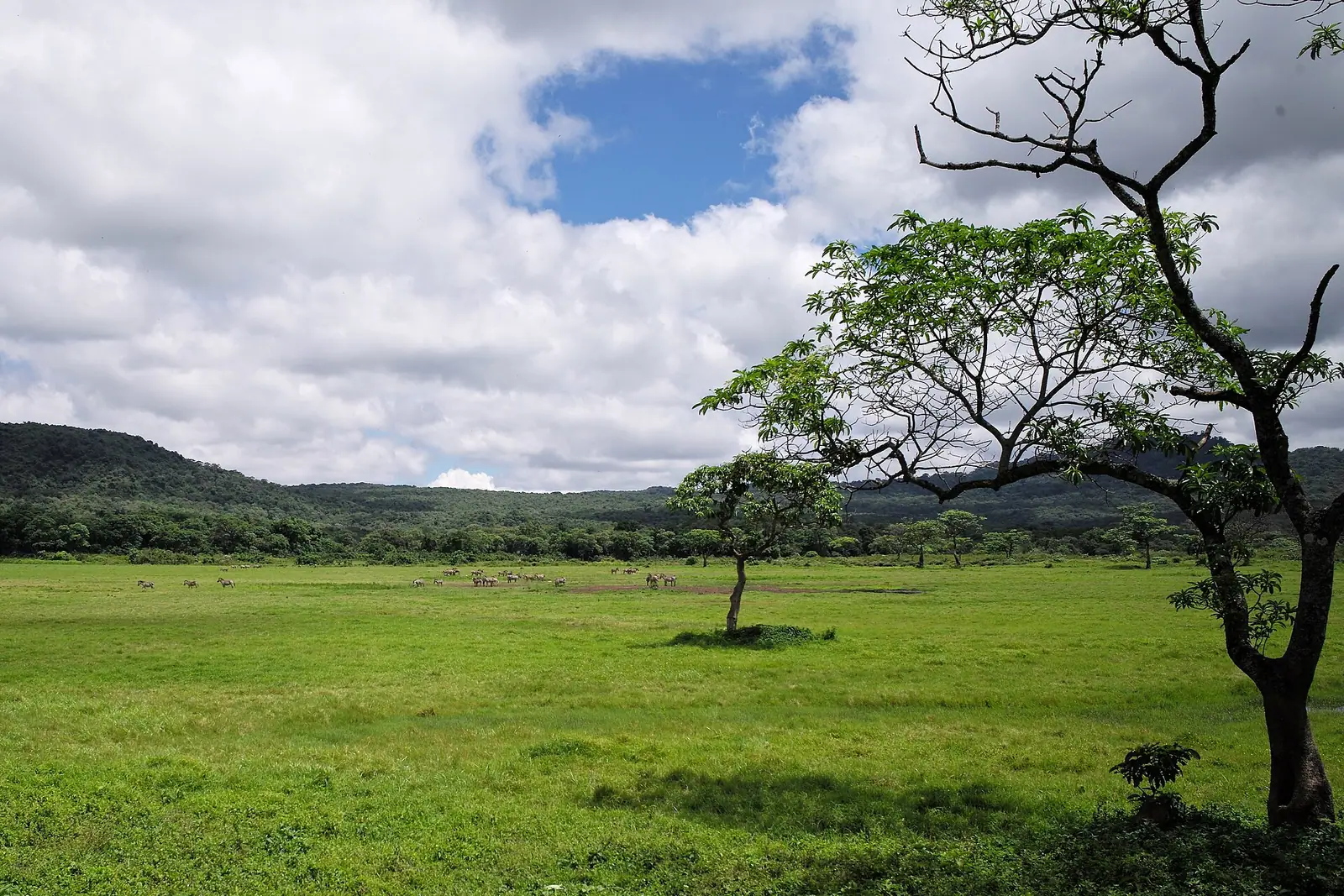
| Arusha National Park | Northern Circuit | Approximately 550 km² | Walking safaris, forest monkeys, birdlife and a gentle first day near Arusha | The park can be visited year-round. |
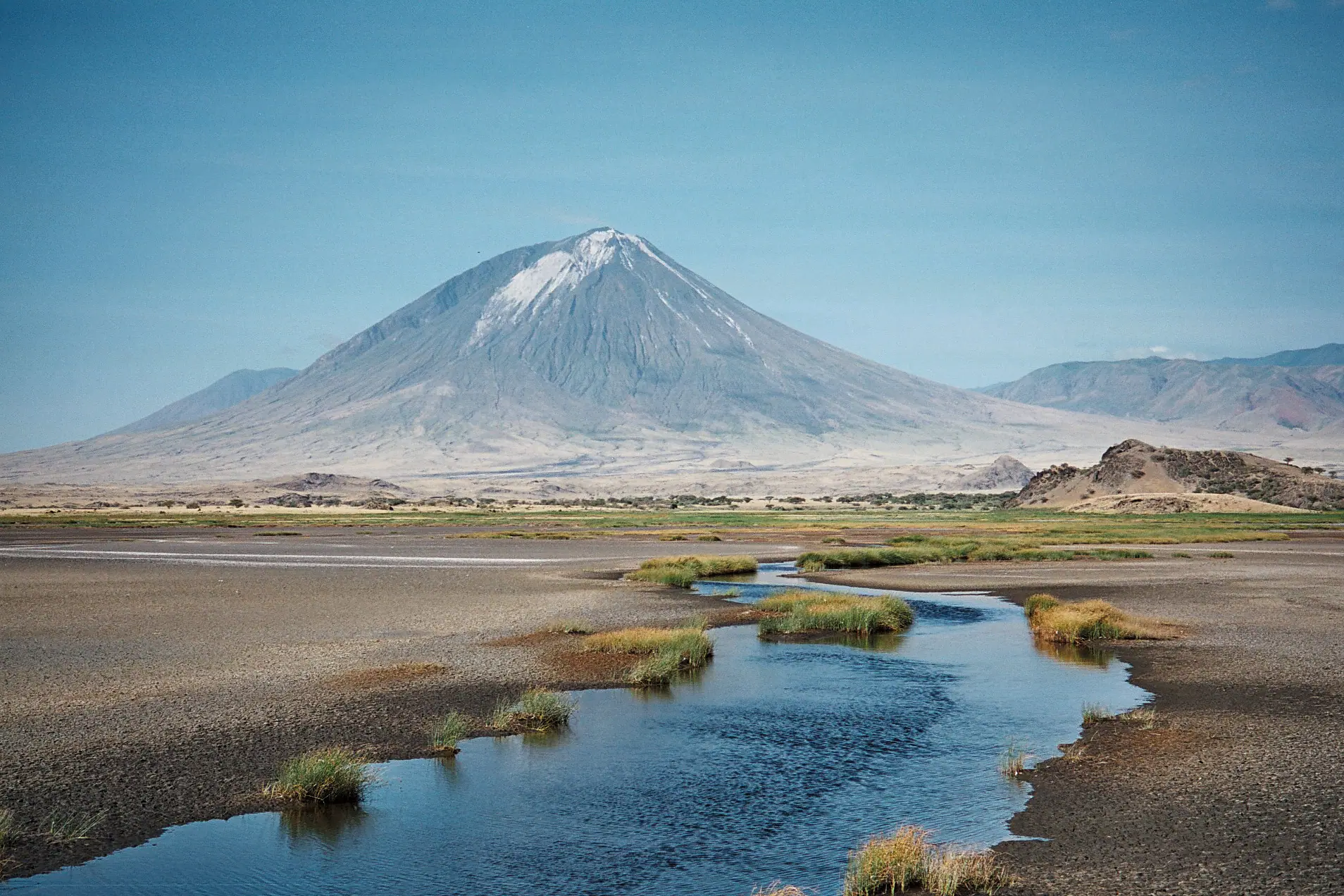
| Lake Natron | Northern Circuit | Approximately 1,000 km², though the lake shrinks and expands greatly with rainfall | Flamingos, volcano trekking and dramatic Rift Valley landscape photography | Roughly June to October and late December to February are the most practical, when the tracks are driest. |
| Lake Eyasi | Northern Circuit | Approximately 1,000 km² when full, though the lake can almost dry out | Respectful cultural visits with Hadzabe and Datoga communities | Roughly June to October and late December to February are driest and easiest for the rough access roads. |
| Olduvai Gorge | Northern Circuit | A ravine approximately 48 km long and up to roughly 100 m deep | Human origins, archaeology and a change of pace between Ngorongoro and the Serengeti | Visitable year-round, since almost everything is under cover or a short walk away. |
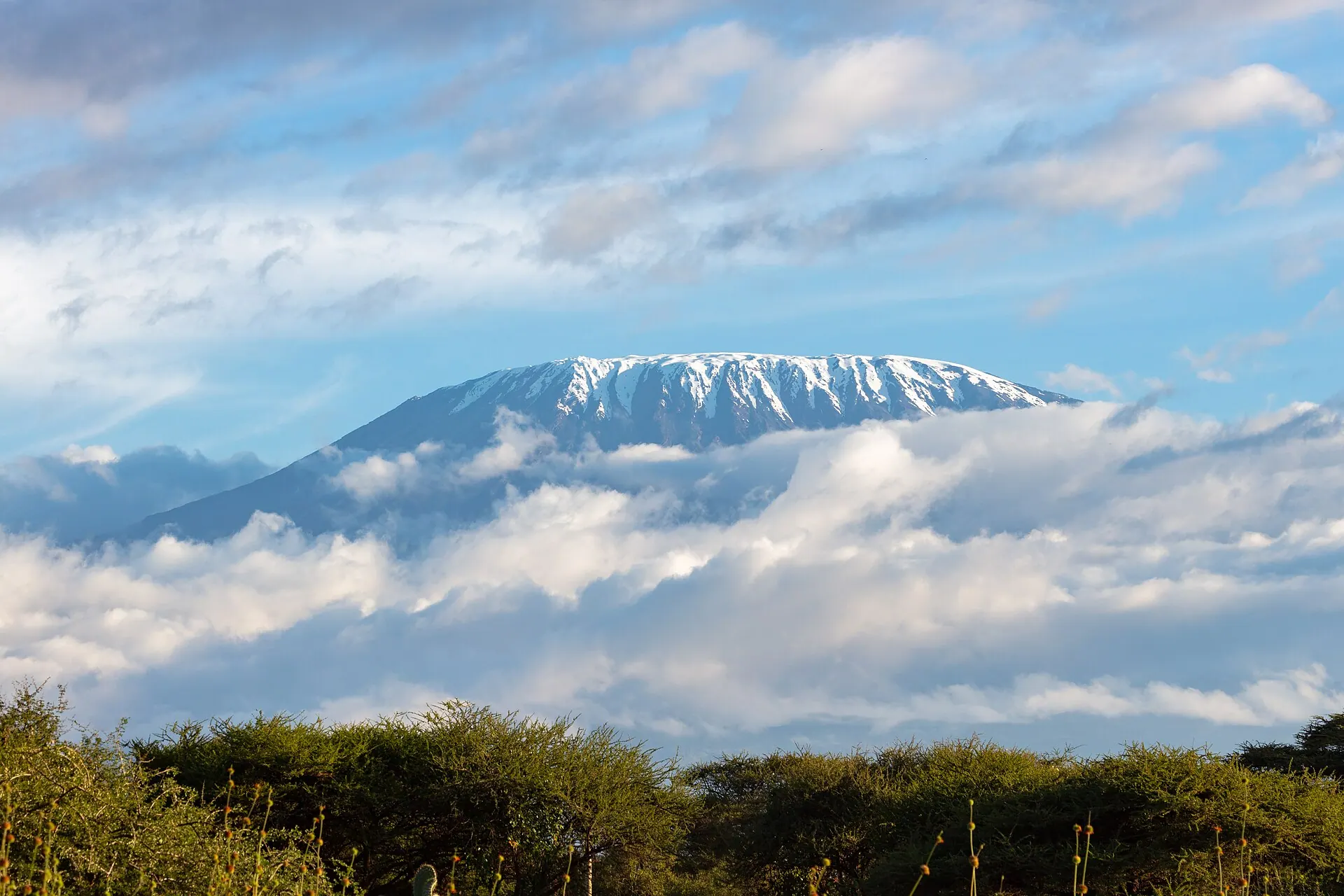
| Mount Kilimanjaro | Kilimanjaro | Kilimanjaro National Park covers approximately 1,700 km² | A non-technical high-altitude summit trek, with routes from roughly six to nine days | The most popular climbing seasons are roughly January to mid-March and June to October, when conditions are generally drier. |
| Mount Meru | Kilimanjaro | Approximately 4,562 m at Socialist Peak, Tanzania’s second-highest summit | Acclimatisation before Kilimanjaro, and a quieter, steeper trek in its own right | Roughly June to October and late December to February are generally driest and give the best chance of clear summit views. |
| Nyerere National Park | Southern Circuit | Approximately 30,000 km², with only a small northern section used for tourism | Boat safaris, walking safaris, wild dogs and wilderness with very few vehicles | The dry season, roughly June to October, is best for wildlife as animals gather near water. |
| Ruaha National Park | Southern Circuit | Approximately 20,000 km², making it one of Tanzania’s largest national parks | Predators, kudu, baobab landscapes and true remoteness | The dry season, roughly June to October, is the best time for game viewing, with wildlife concentrated along the river. |
| Mikumi National Park | Southern Circuit | Approximately 3,200 km² | A short, accessible safari from Dar es Salaam or Morogoro | The dry season, roughly June to October, offers the easiest game viewing as animals gather near water and the grass is short. |
| Udzungwa Mountains National Park | Southern Circuit | Approximately 1,900 km² | Rainforest walking, waterfalls and endemic primates — no game drives | Walking is possible year-round, but the drier months, roughly June to October and again around January to February, have the most reliable footing. |
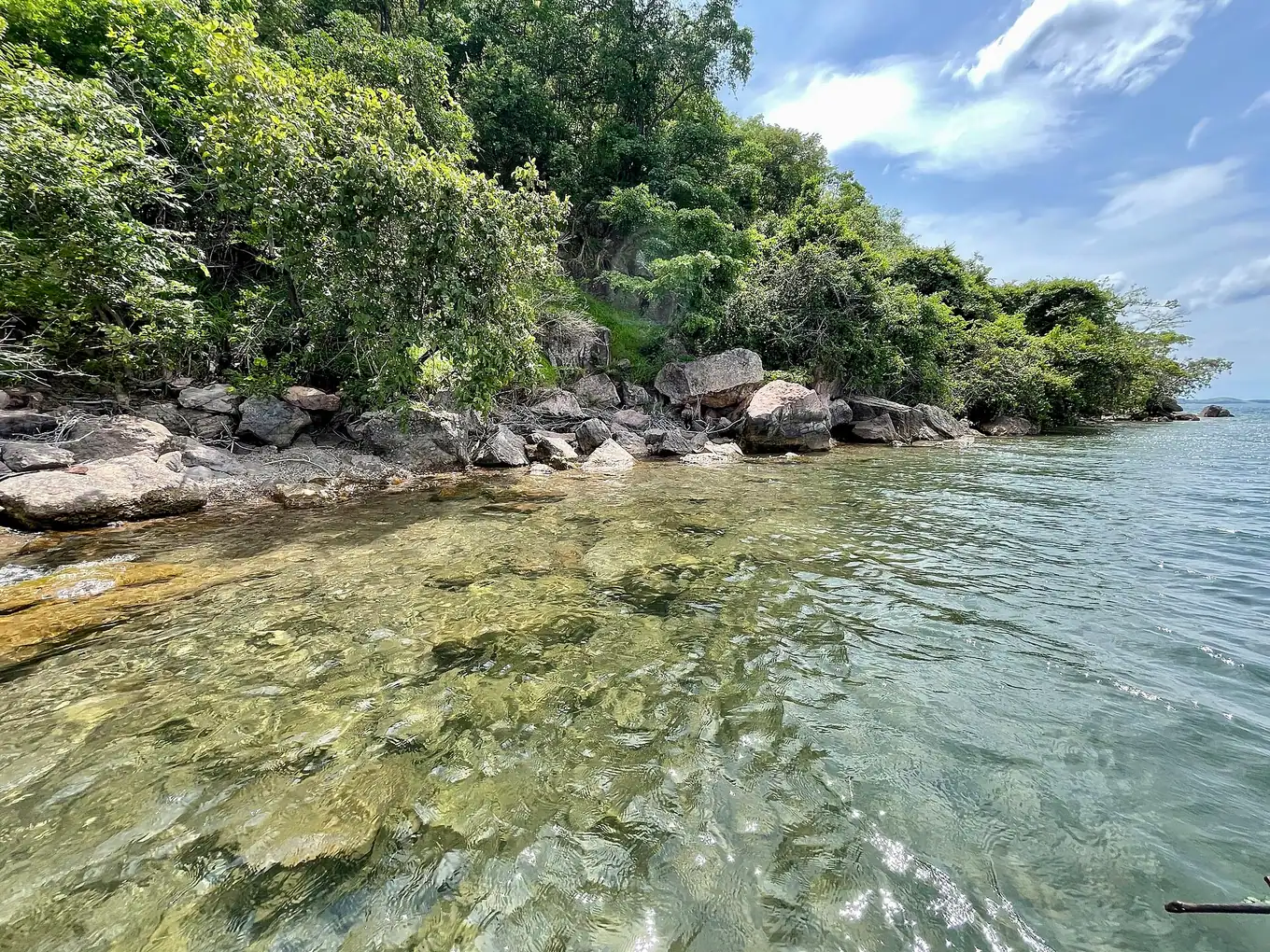
| Mahale Mountains National Park | Western Circuit | Approximately 1,600 km² | Chimpanzee trekking and a remote lake-and-forest wilderness | The dry season, roughly late May to October, is generally the most popular: paths are firmer and the chimps often range lower down the mountain, which can mean shorter treks. |
| Gombe Stream National Park | Western Circuit | Approximately 35 km² — the smallest national park in Tanzania | Chimpanzee trekking with a unique research history, as a short, accessible add-on | Trekking is possible year-round. |
| Katavi National Park | Western Circuit | Approximately 4,500 km² | Dry-season buffalo and hippo concentrations in near-total solitude | The dry season, roughly June to October, is by far the best time: water concentrates the wildlife and the spectacle at the hippo pools builds towards the end of the dry months. |
| Zanzibar | Zanzibar & Coast | Unguja, the main island, covers approximately 1,660 km² | Beaches, reefs, Swahili history and a relaxed finish after safari | The driest and most popular months are roughly June to October and late December to February. |
| Mafia Island | Zanzibar & Coast | The island covers approximately 400 km²; Mafia Island Marine Park protects roughly 820 km² of sea and shore | Diving, snorkelling, seasonal whale sharks and genuine quiet | The main season is roughly June to March. |
| Dar es Salaam | Zanzibar & Coast | At sea level on the Indian Ocean coast | Arrivals and departures, museums, markets and connections to the south and the islands | Dar es Salaam is hot and humid year-round. |
| Bagamoyo | Zanzibar & Coast | At sea level on the Indian Ocean coast | Swahili and caravan-trade history, old-town walks and a quiet coastal stop near Dar es Salaam | Roughly June to October is driest and most comfortable, with late December to February also good though hotter. |
| Saadani National Park | Zanzibar & Coast | Approximately 1,100 km² | Bush and beach in one place, river boat safaris and turtle nesting | Roughly June to February is generally the most comfortable, with January and February often good for wildlife. |
| Pemba Island | Zanzibar & Coast | Approximately 990 km² | Wall diving, spice farms and a very quiet, traditional island | Roughly June to October and late December to February are the driest and most popular months, with good diving conditions. |
| Kilwa Kisiwani | Zanzibar & Coast | — | Swahili coast history and archaeology, well away from the tourist trail | The drier months, roughly June to October and late December to February, are the most comfortable for walking the ruins and for boat crossings. |
| Usambara Mountains | Central & Highlands | Lushoto sits at approximately 1,400 m; the range rises to roughly 2,300 m | Walking, birding, endemic forest plants and rural Tanzania at its most welcoming | Walking is comfortable year-round thanks to the altitude. |
| Kondoa Rock-Art Sites | Central & Highlands | The inscribed property covers approximately 2,300 km² and includes more than 150 painted shelters | Rock art, archaeology and travellers going well off the safari routes | The dry season, roughly June to October, is much the easiest: the access tracks are rough and can become impassable during the rains (roughly November to May). |
Region 1
Northern Circuit
Tanzania’s classic safari route, starting from Arusha and linking Tarangire, Lake Manyara, the Ngorongoro Crater and the Serengeti. Good roads between parks, a wide range of lodges and camps, and some of the most famous wildlife viewing in Africa.

Northern Circuit
Arusha
The green, lively gateway to Tanzania’s northern safari parks.

Northern Circuit
Tarangire National Park
Giant baobabs, big elephant herds and a river that draws wildlife in the dry season.
Northern Circuit
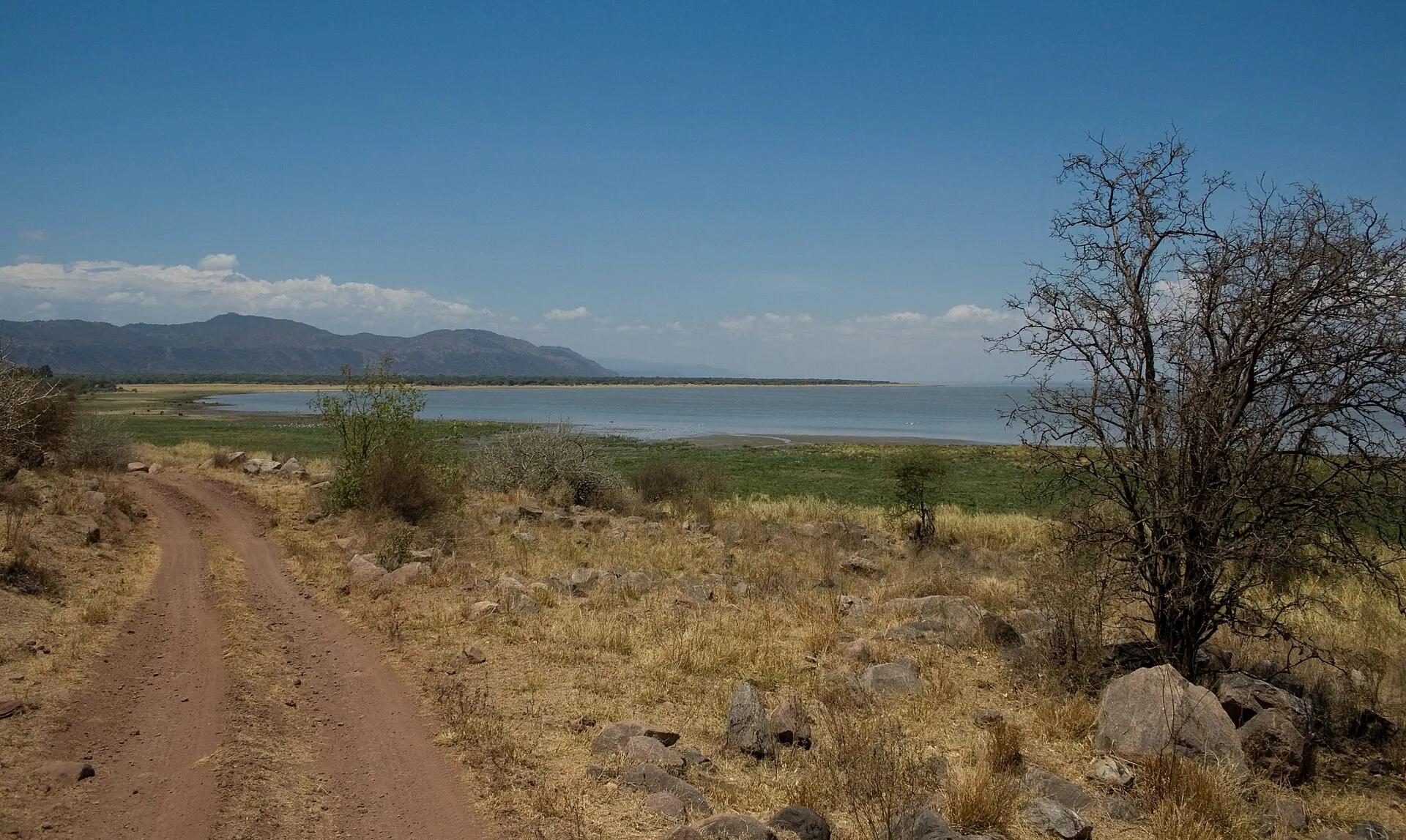
Lake Manyara National Park
A compact, green park between the Rift Valley wall and a shimmering soda lake.
Northern Circuit
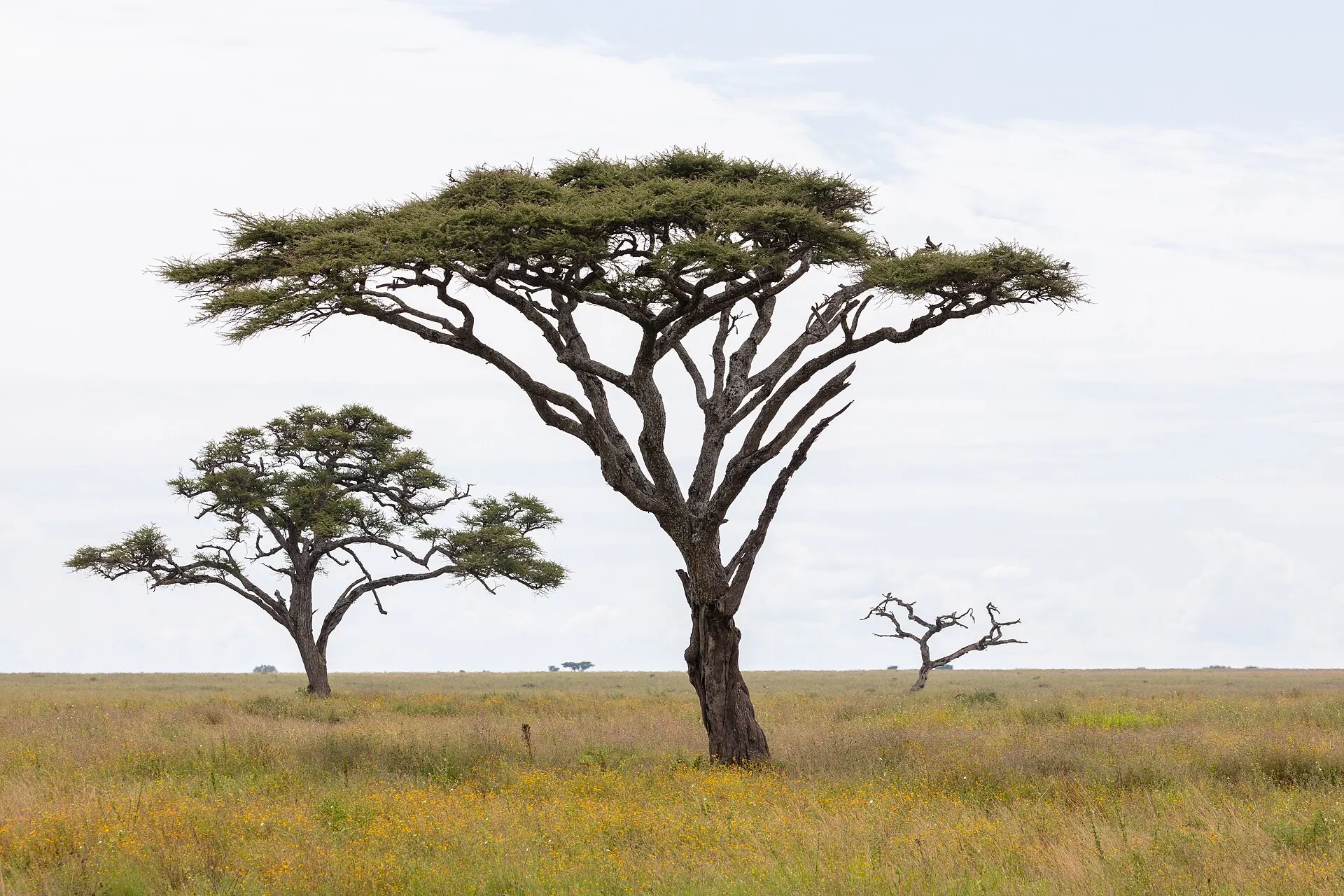
Serengeti National Park
Endless plains, big cats and the Great Migration.
Northern Circuit
Ngorongoro Conservation Area
A vast volcanic caldera teeming with wildlife — and a living Maasai homeland.
Northern Circuit
Arusha National Park
Forest, crater and lakes on Arusha’s doorstep — and one of the few parks you can walk in.
Northern Circuit
Lake Natron
A blood-red soda lake below an active volcano, and East Africa’s flamingo nursery.

Northern Circuit
Lake Eyasi
A dusty soda lake where some of the last hunter-gatherers in Africa still live.

Northern Circuit
Olduvai Gorge
The ravine where the story of our own species was rewritten.
Region 2
Kilimanjaro
Africa’s highest mountain and the world’s tallest free-standing mountain, rising to approximately 5,895 m. A non-technical but demanding trek that rewards good preparation, a well-chosen route and enough days to acclimatise.

Region 3
Southern Circuit
Vast, remote and far less visited. Nyerere and Ruaha offer boat safaris, walking safaris and big wilderness with few other vehicles — ideal for travellers who want a wilder, more exclusive feel.

Southern Circuit
Nyerere National Park
Boat safaris on the Rufiji River in one of Africa’s great wildernesses.

Southern Circuit
Ruaha National Park
Remote, rugged and full of big cats and elephants.

Southern Circuit
Mikumi National Park
The open floodplain park that makes a real safari possible in just a couple of days.

Southern Circuit
Udzungwa Mountains National Park
Eastern Arc rainforest, tall waterfalls and primates found nowhere else on earth.
Region 4
Western Circuit
Tanzania’s most remote safari country, reached almost entirely by light aircraft. Katavi is raw, seasonal wilderness with barely any visitors; Mahale and Gombe, on the shore of Lake Tanganyika, are where you trek into the forest to spend time with wild chimpanzees. Expensive and logistically demanding, but unlike anywhere else in the country.
Western Circuit
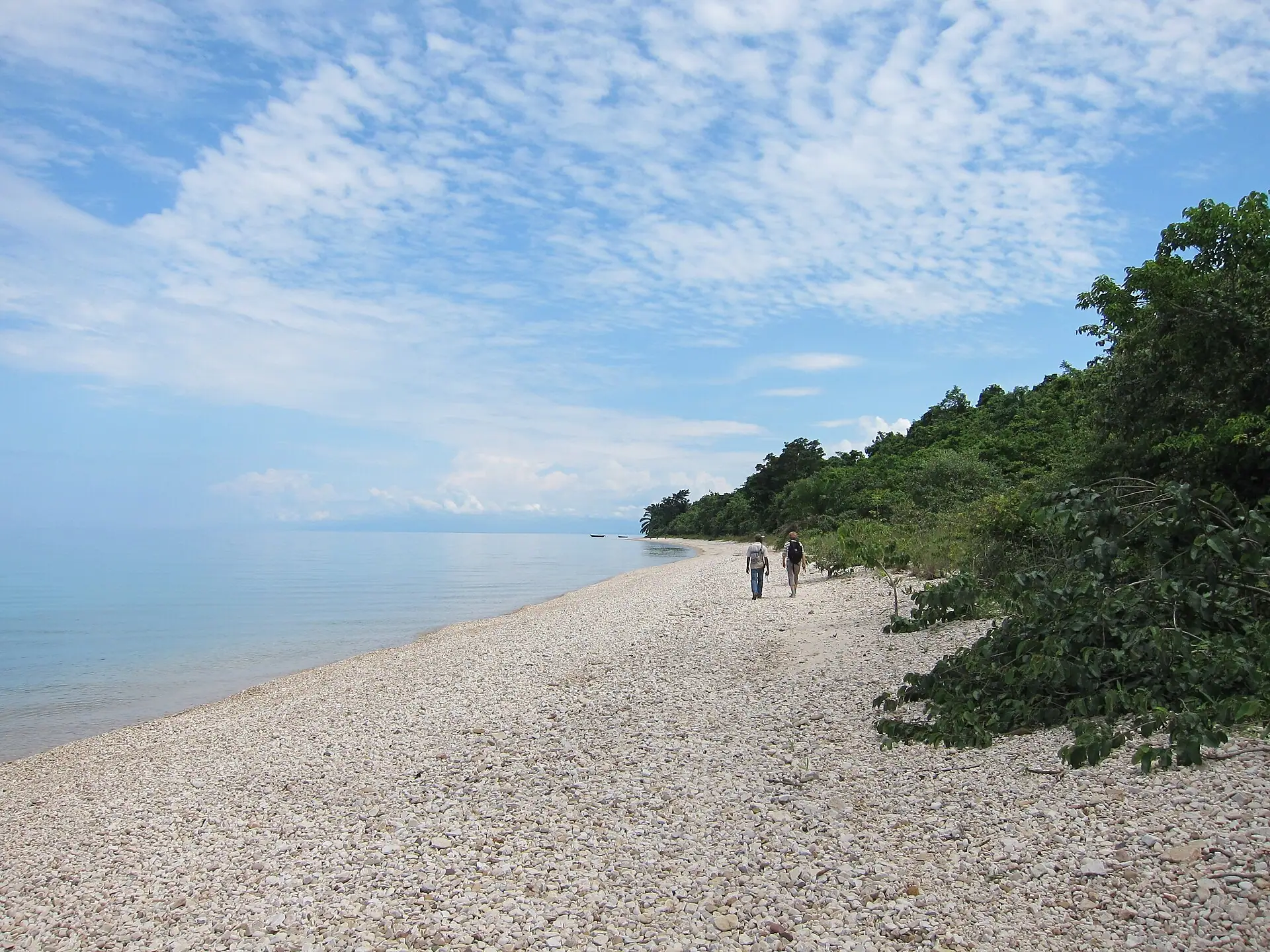
Mahale Mountains National Park
Track wild chimpanzees where forested mountains fall straight into Lake Tanganyika.
Western Circuit
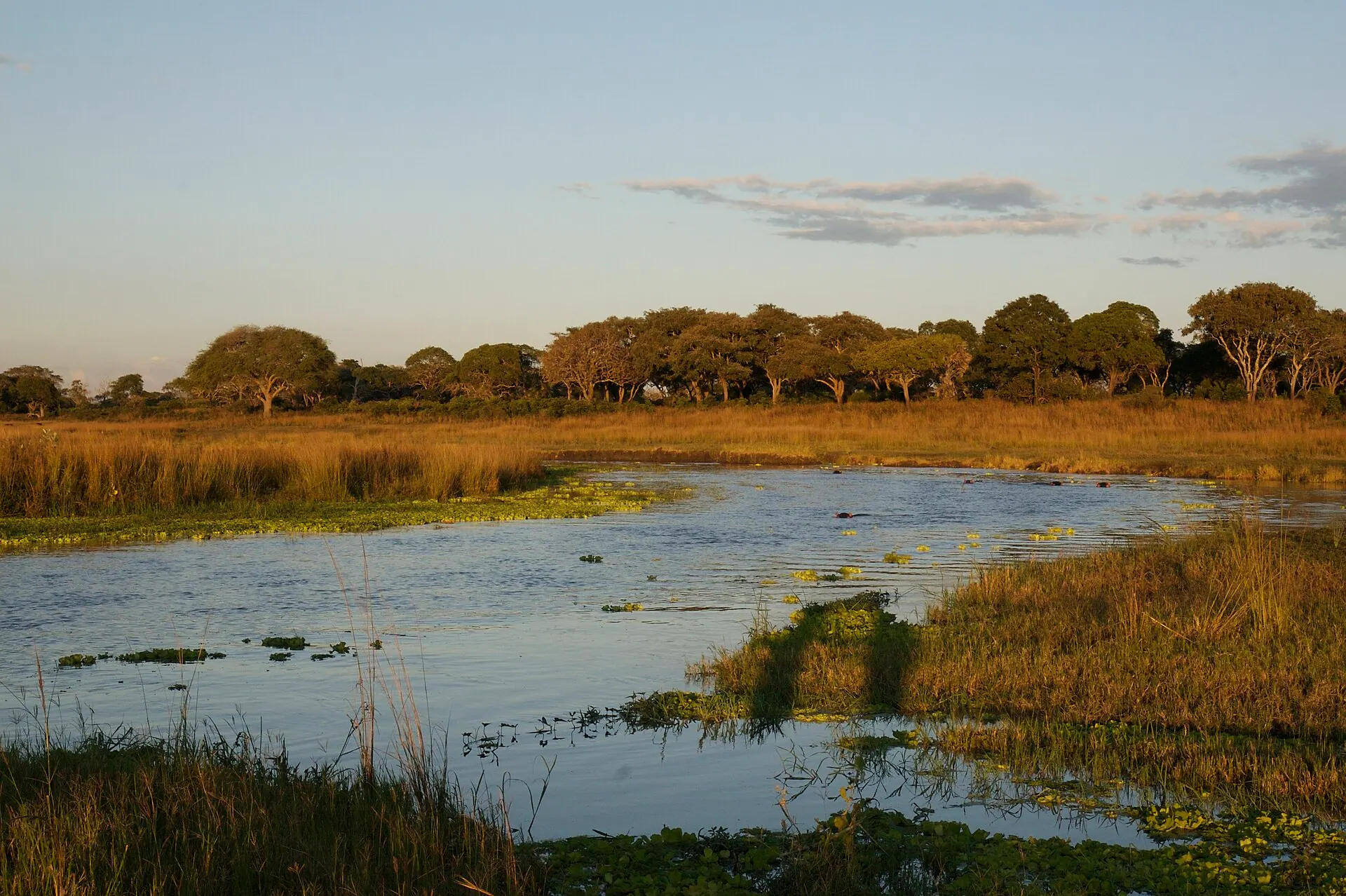
Gombe Stream National Park
Tanzania’s smallest national park, and the birthplace of modern chimpanzee research.
Western Circuit
Katavi National Park
Enormous buffalo herds and crowded hippo pools in one of Tanzania’s emptiest parks.
Region 5
Zanzibar & Coast
Warm Indian Ocean waters, white-sand beaches, coral reefs and centuries of Swahili, Arab, Indian and African history. Zanzibar and quieter Mafia Island are the natural places to unwind after a safari.

Zanzibar & Coast
Zanzibar
Spice-scented history, turquoise water and white-sand beaches.

Zanzibar & Coast
Mafia Island
A quiet island escape with rich reefs and seasonal whale sharks.
Zanzibar & Coast
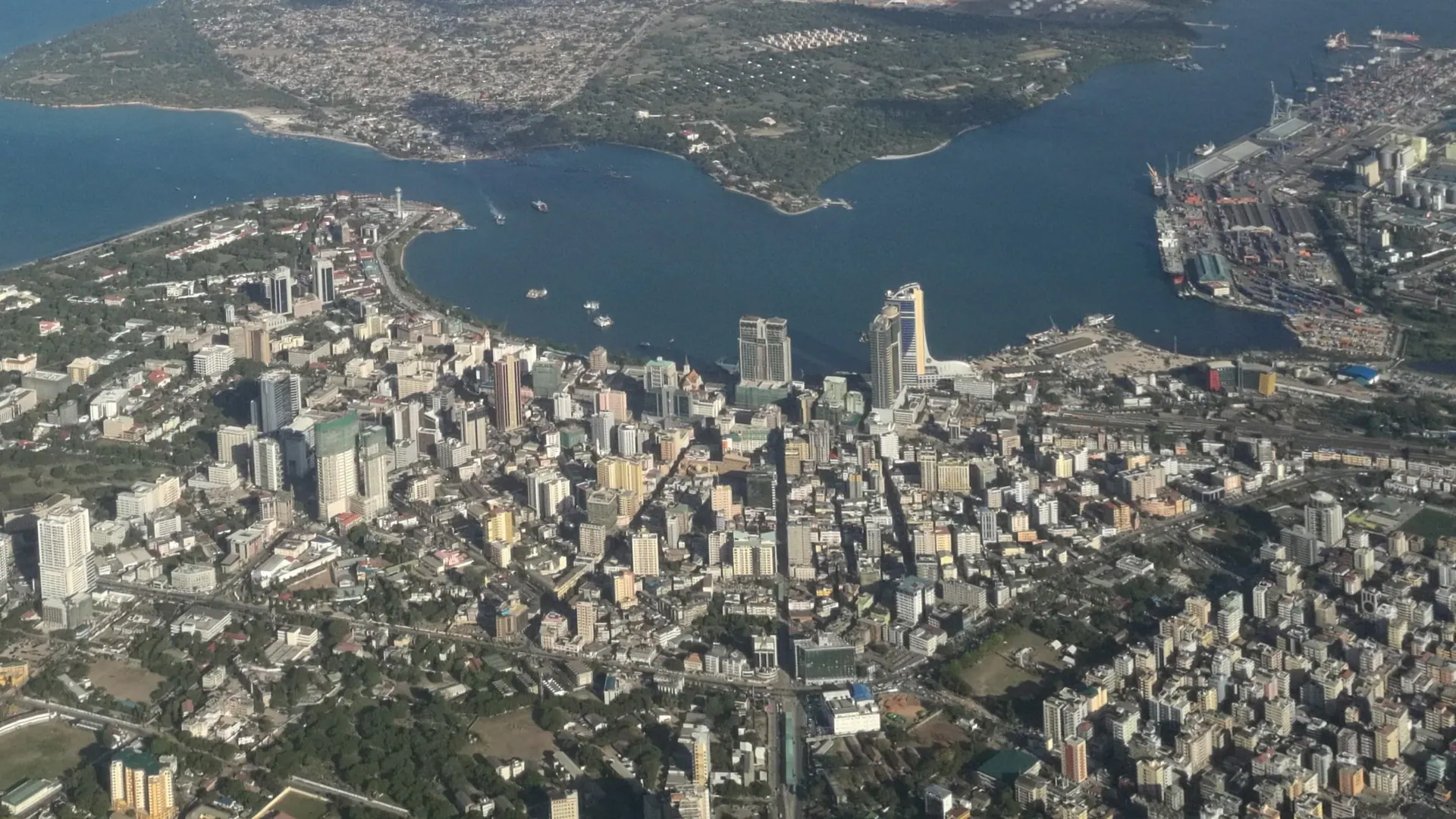
Dar es Salaam
Tanzania’s largest city — the doorway to the southern parks and the islands.

Zanzibar & Coast
Bagamoyo
A weathered Swahili town where the caravan routes met the sea.

Zanzibar & Coast
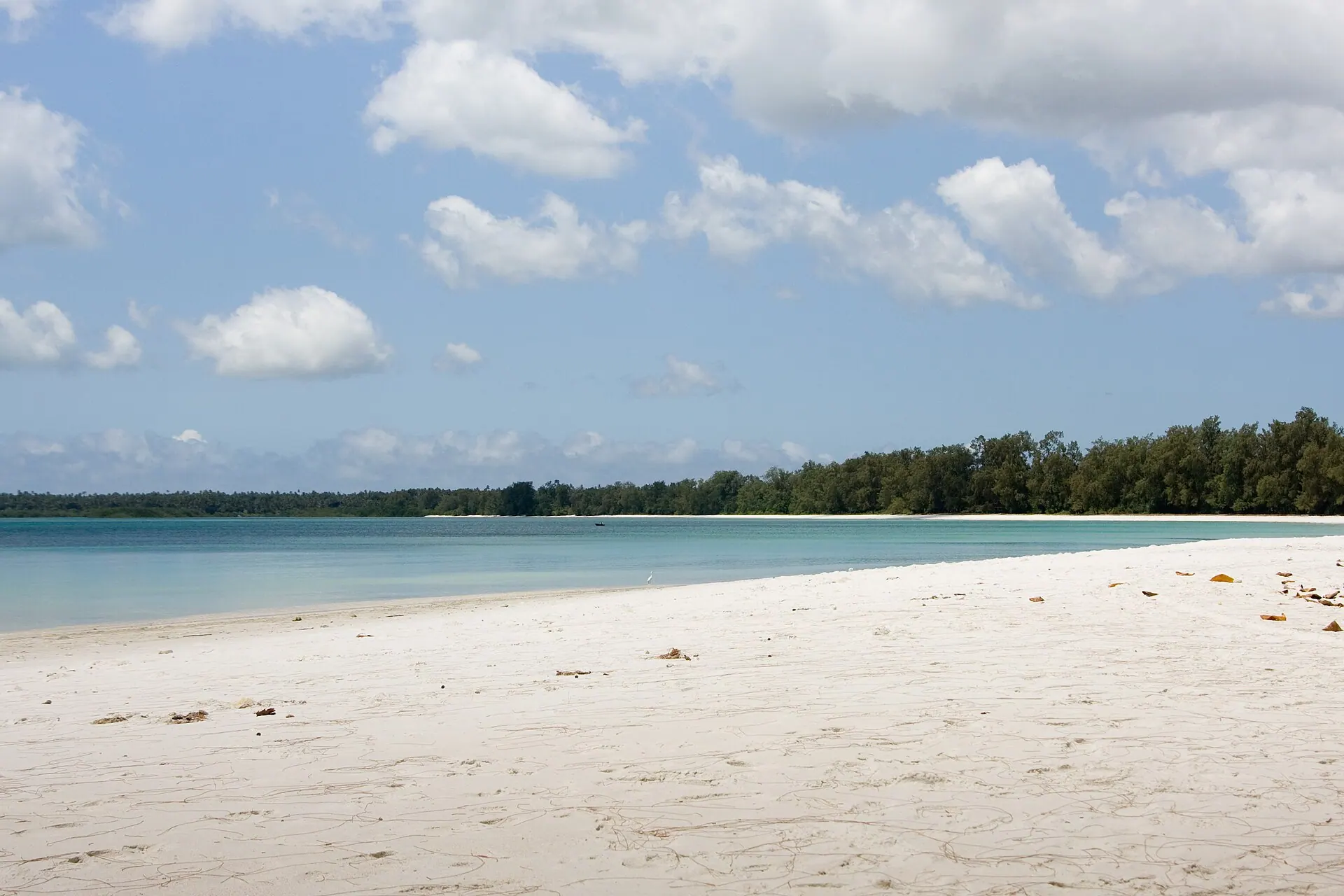
Saadani National Park
The one park where the bush meets the Indian Ocean.
Zanzibar & Coast
Pemba Island
The Green Island: clove-scented hills, wall diving and almost no other visitors.
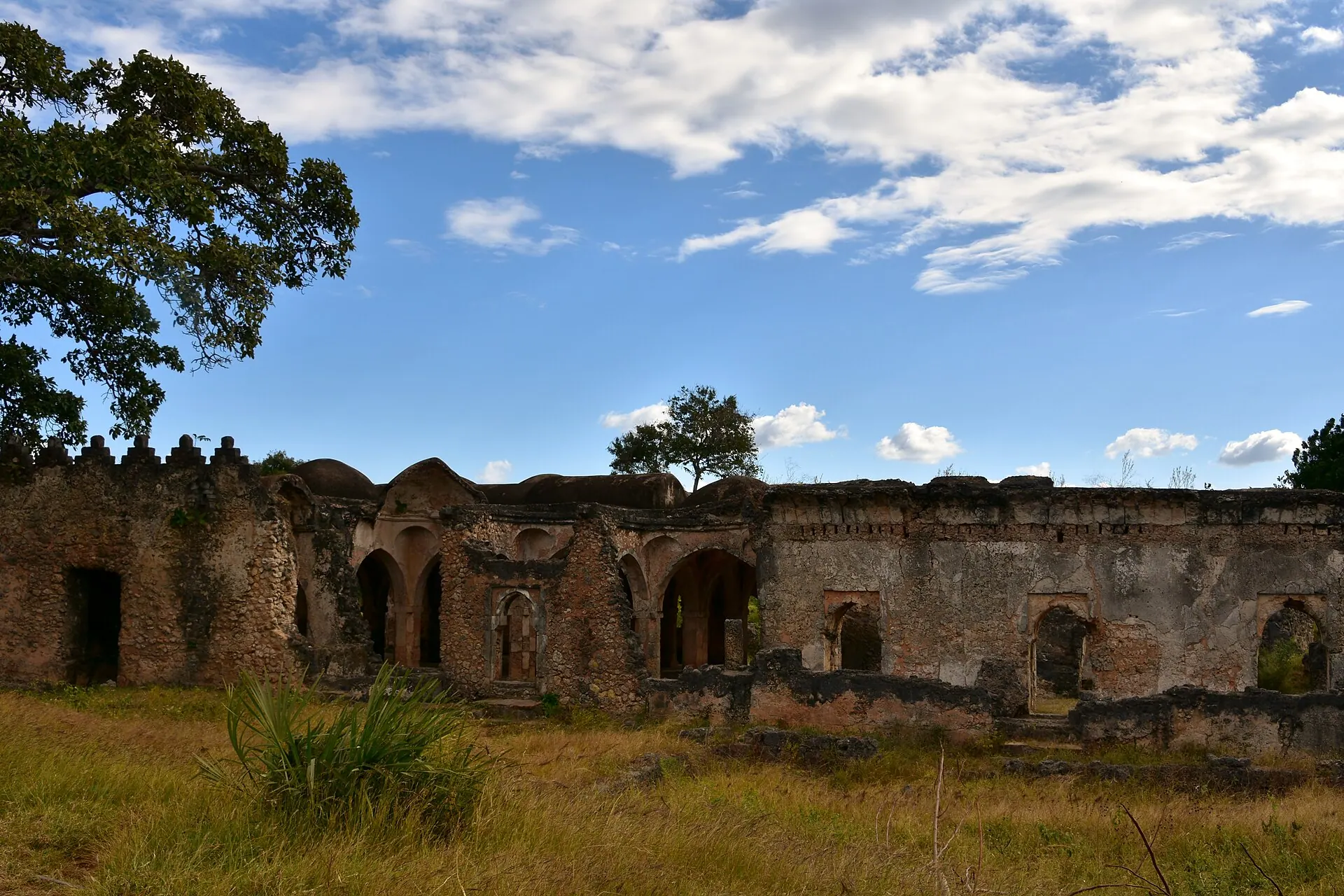
Zanzibar & Coast
Kilwa Kisiwani
The ruins of a medieval Swahili city-state that once traded gold across the Indian Ocean.
Region 6
Central & Highlands
The Tanzania that the safari routes drive past. Cool, green mountains around Lushoto in the Usambaras, thousands of years of rock painting in the shelters above Kondoa, and rural life, markets and village walks at a slower pace — best for travellers happy with simple accommodation and long road journeys.