

Southern Circuit
Ruaha National Park
Remote, rugged and full of big cats and elephants.
- Size
- Approximately 20,000 km², making it one of Tanzania’s largest national parks
- Altitude
- Approximately 750–1,900 m
- Established
- 1964, and greatly enlarged in 2008
- Best for
- Predators, kudu, baobab landscapes and true remoteness
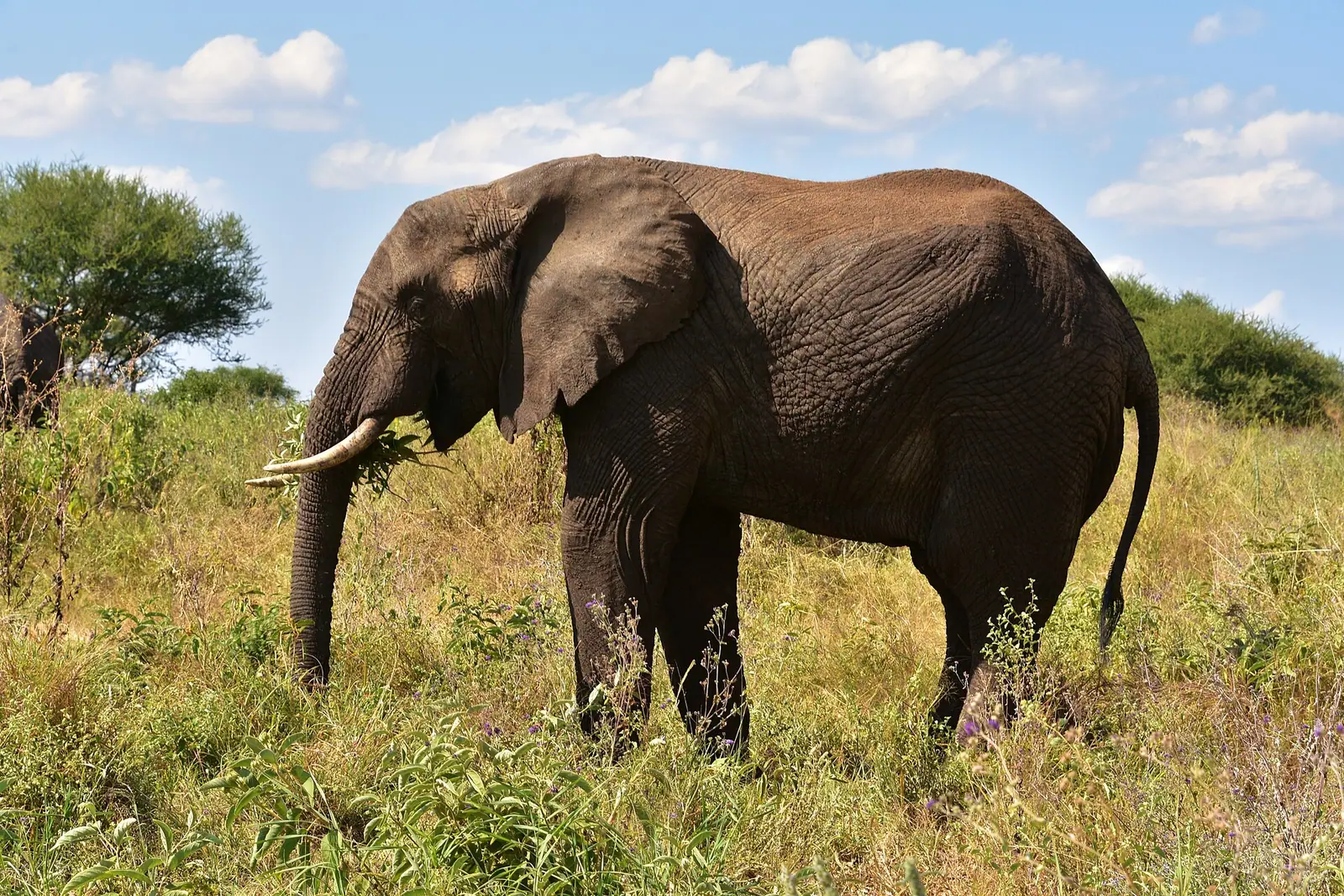
Covering roughly 20,000 km² in central-southern Tanzania, Ruaha lies where eastern and southern African habitats meet. As a result, it is home to species from both — including greater and lesser kudu, sable and roan antelope — alongside large numbers of elephants.
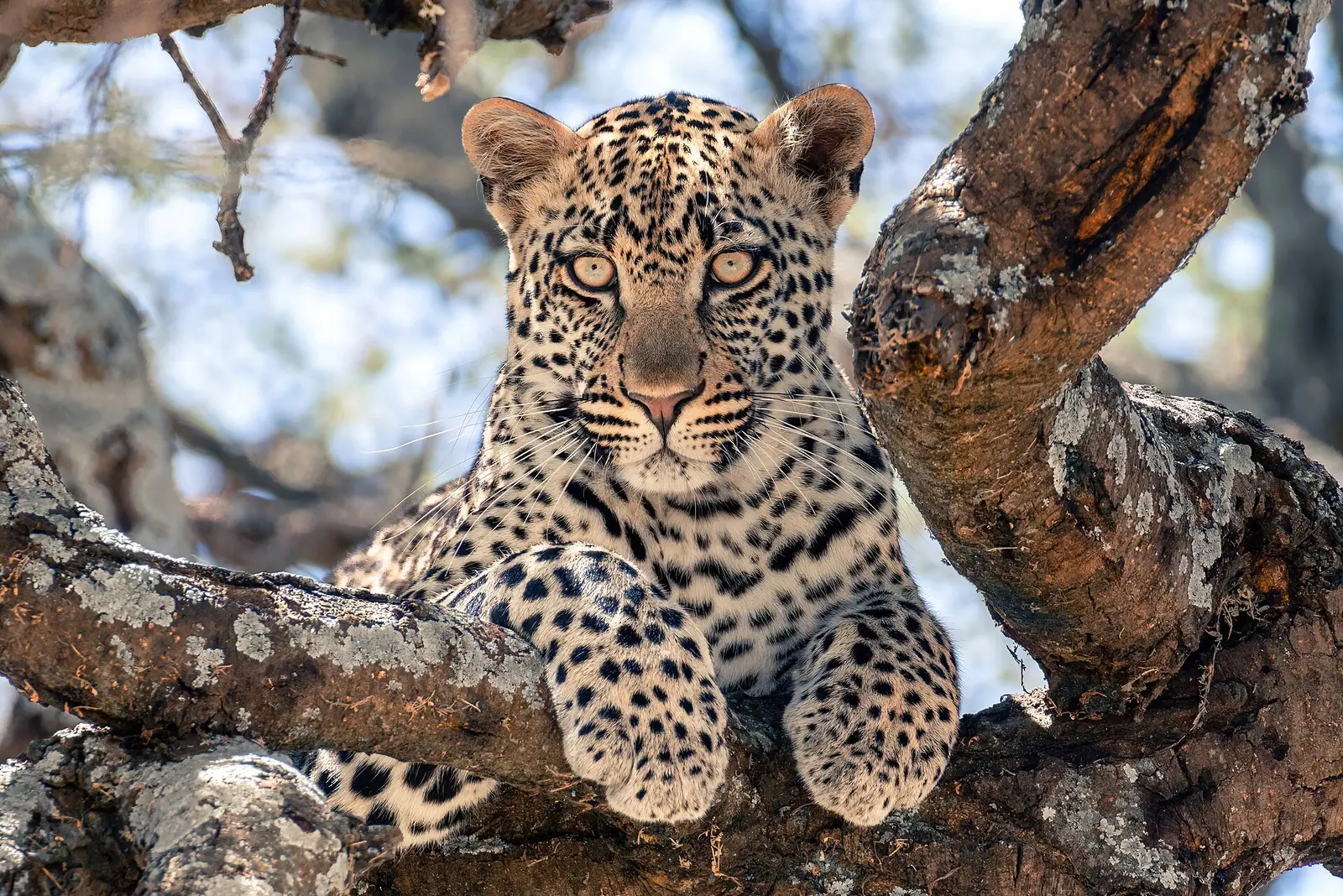
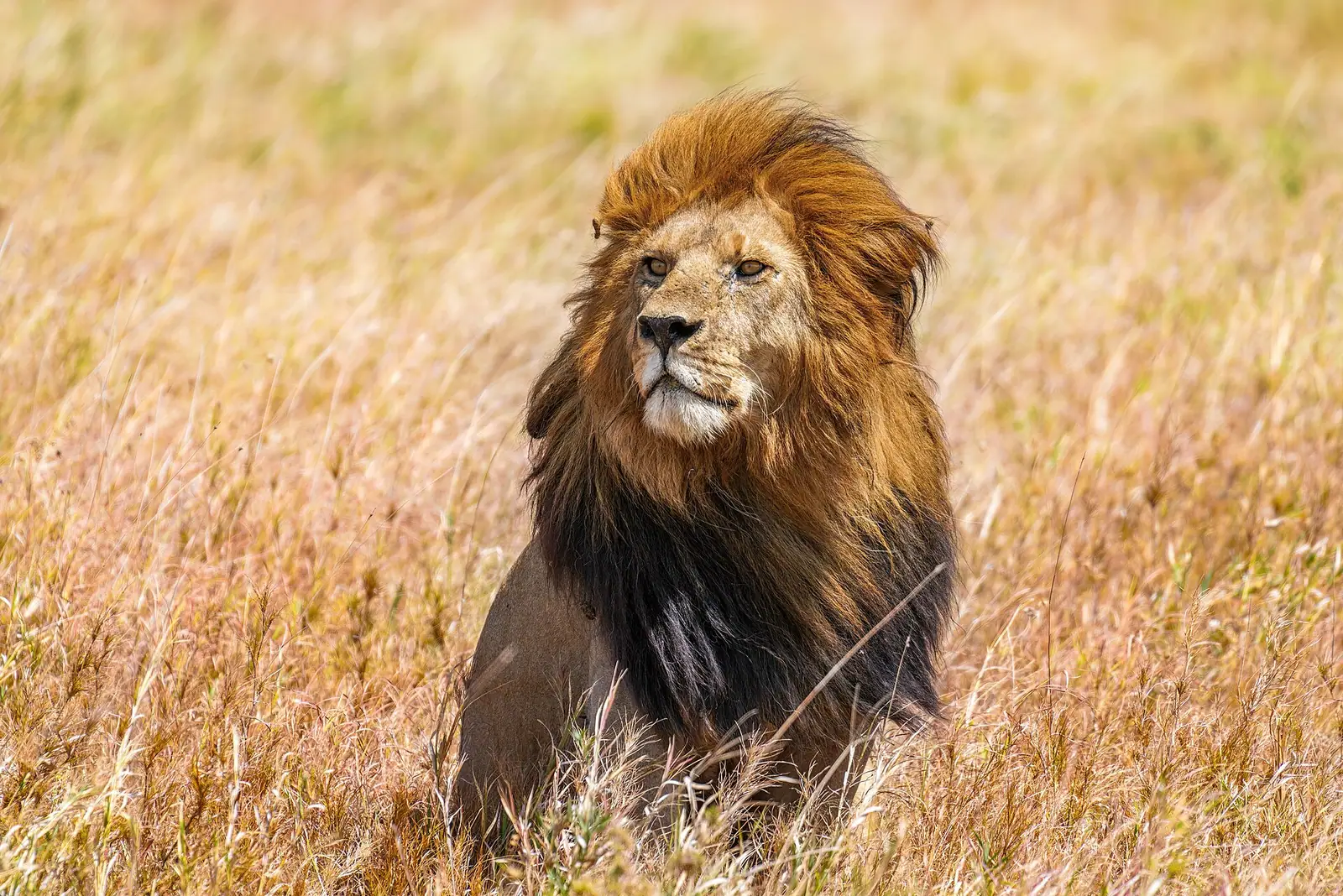
The park is known for its predators. Lion prides can be large, leopards are regularly seen, and cheetahs, hyenas and wild dogs are also present. The Great Ruaha River is the lifeline of the park, and in the dry season wildlife gathers along its banks and sand beds.
Because of its remoteness, Ruaha sees only a fraction of the visitors of the northern parks. Days here feel unhurried and personal, with game drives and walking safaris in a rugged landscape of rocky hills, baobabs and open plains.
Highlights
- Large elephant populations and excellent predator viewing
- A mix of eastern and southern African species, including greater and lesser kudu
- The Great Ruaha River, especially rewarding in the dry season
- Very few vehicles and a real sense of wilderness
- Walking safaris with experienced guides (where permitted)
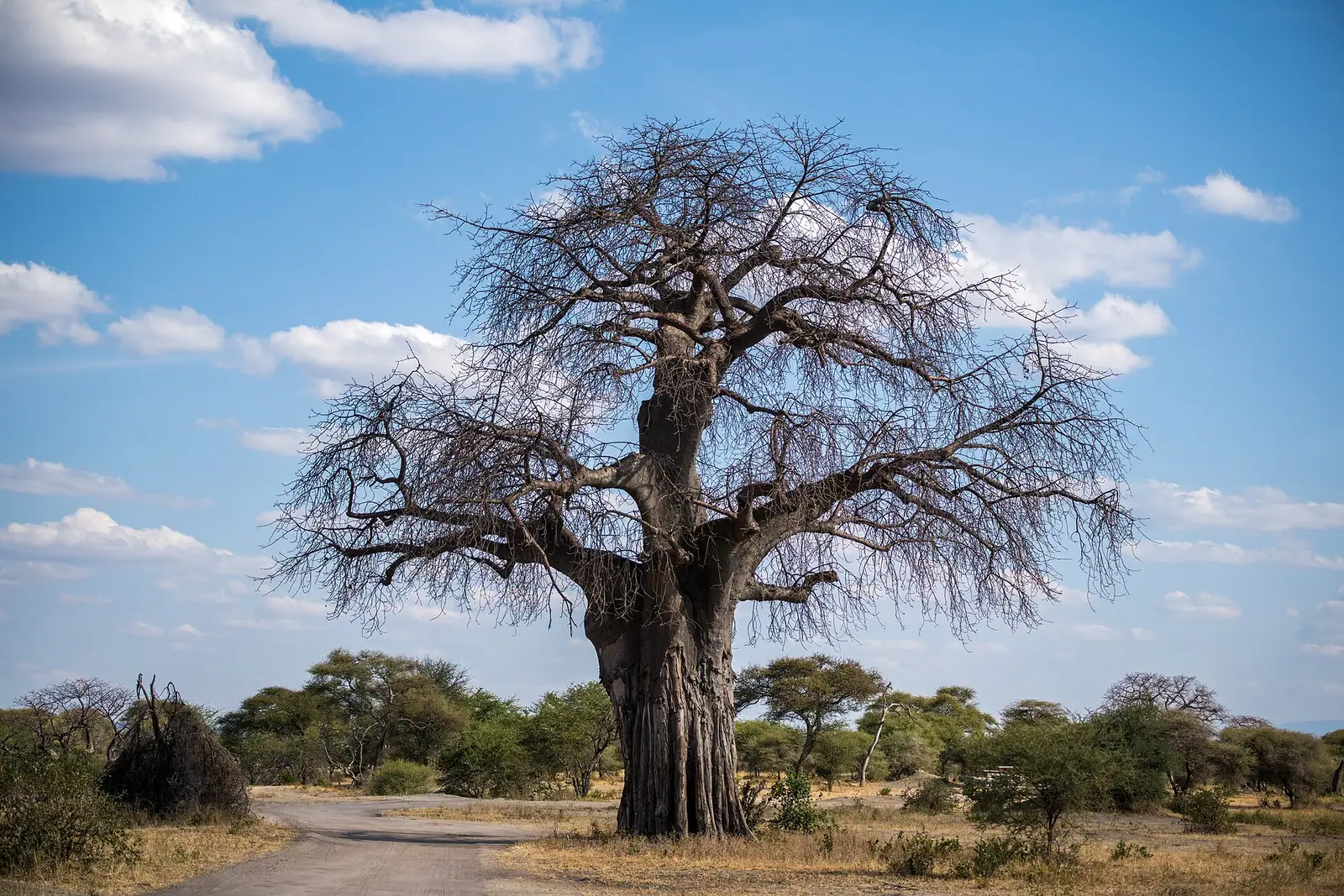
- Dramatic baobab-dotted landscapes
Things to do
- Game drives
- Guided walking safaris
- Fly-camping with selected camps
- Photography-focused days along the river
- Birdwatching
Wildlife you might see
Wildlife is wild — these are the species people hope for here, never a promise.
- Lion, in prides that can be unusually large (commonly seen, but never guaranteed)
- Leopard, regularly seen along the river and in the rocky hills
- African elephant in large numbers
- Greater and lesser kudu — Ruaha is one of the best places in East Africa for both
- Sable and roan antelope in the miombo woodland (uncommon and localised)
- African wild dog and spotted hyena
- Cheetah on the open plains
- Hippo and crocodile in the Great Ruaha River, with rich dry-country birdlife along its banks
Planning your visit
- Best time to go
- The dry season, roughly June to October, is the best time for game viewing, with wildlife concentrated along the river. Some camps close during the long rains (roughly April to May); the green season is lush and good for birds.
- Getting there
- Most visitors fly by light aircraft from Dar es Salaam, Zanzibar, Arusha or Nyerere to airstrips inside the park. By road, the park is usually reached via the town of Iringa, several hours’ drive away.
- Good to know
- Ruaha combines well with Nyerere for a full southern safari, with a light-aircraft connection between the two.
- The dry season can be hot during the day and cool at night.
- Light-aircraft luggage limits (around 15 kg in soft bags) usually apply.
- Tsetse flies can be present in wooded areas; neutral-coloured clothing helps.
What to see here
WildlifeThe Big Five
The Big Five are the African lion, leopard, elephant, Cape buffalo and rhinoceros. Tanzania is one of the few countries where all five can be seen, though they are not evenly spread and black rhino in particular are scarce. Seeing four of the five on a well-planned northern safari is realistic; seeing all five is possible but never guaranteed.
 Adventure
Walking Safaris
A walking safari changes the scale of everything. Instead of covering ground, you slow down to tracks, dung, birdsong and the smell of crushed leaves, guided by a professional walking guide accompanied by an armed ranger as park rules require. It is about understanding rather than ticking off big animals.
 Landscapes
Baobabs & Landscapes
Tanzania’s landscapes are as memorable as its wildlife: baobab-studded valleys, granite kopjes rising from open plains, rift escarpments, montane forest and a long, palm-lined coast. For photographers especially, the country offers scenery that stands on its own without an animal in the frame.
Also in the Southern Circuit

Southern Circuit
Nyerere National Park
Boat safaris on the Rufiji River in one of Africa’s great wildernesses.

Southern Circuit
Mikumi National Park
The open floodplain park that makes a real safari possible in just a couple of days.

Southern Circuit
Udzungwa Mountains National Park
Eastern Arc rainforest, tall waterfalls and primates found nowhere else on earth.