

Southern Circuit
Nyerere National Park
Boat safaris on the Rufiji River in one of Africa’s great wildernesses.
UNESCO World Heritage Site — The Selous Game Reserve was inscribed as a UNESCO World Heritage Site in 1982. Nyerere National Park was carved out of the northern part of that reserve in 2019, so the park lies within the wider area the listing covers; the property has been on the List of World Heritage in Danger since 2014.
- Size
- Approximately 30,000 km², with only a small northern section used for tourism
- Altitude
- Approximately 100–1,200 m
- Established
- Declared a national park in 2019, from the northern part of the Selous Game Reserve
- Best for
- Boat safaris, walking safaris, wild dogs and wilderness with very few vehicles
Established as a national park in 2019, Nyerere covers roughly 30,000 km² of southern Tanzania — a vast area of which only a small part is used for tourism. The rest of the wider Selous ecosystem, a UNESCO World Heritage Site, remains largely wild.
The Rufiji River and its network of lakes and channels shape the landscape. Boat safaris here are a highlight, gliding past hippos, crocodiles, elephants coming down to drink and a wealth of birdlife. Game drives may bring lions, buffaloes, giraffes and — with luck — African wild dogs, for which the region is an important stronghold.
With relatively few camps and vehicles, Nyerere offers a feeling of wilderness that is increasingly rare. It pairs beautifully with Ruaha for a full southern safari, or with Zanzibar or Mafia Island for safari and beach.

Highlights
- Boat safaris on the Rufiji River and its lakes
- Guided walking safaris with experienced guides and rangers
- Chance of African wild dogs (not guaranteed)
- Hippos, crocodiles and abundant birdlife along the water
- Far fewer vehicles than the northern parks
- Short flights from Dar es Salaam and Zanzibar
Things to do
- Boat safari on the Rufiji River or lakes
- Game drives
- Guided walking safaris (where permitted)
- Fly-camping with selected camps
- Birdwatching and sundowners by the river
Wildlife you might see
Wildlife is wild — these are the species people hope for here, never a promise.
- African wild dog — southern Tanzania is an important stronghold, though the packs range widely and sightings are never guaranteed
- Hippo and Nile crocodile along the Rufiji and its lakes
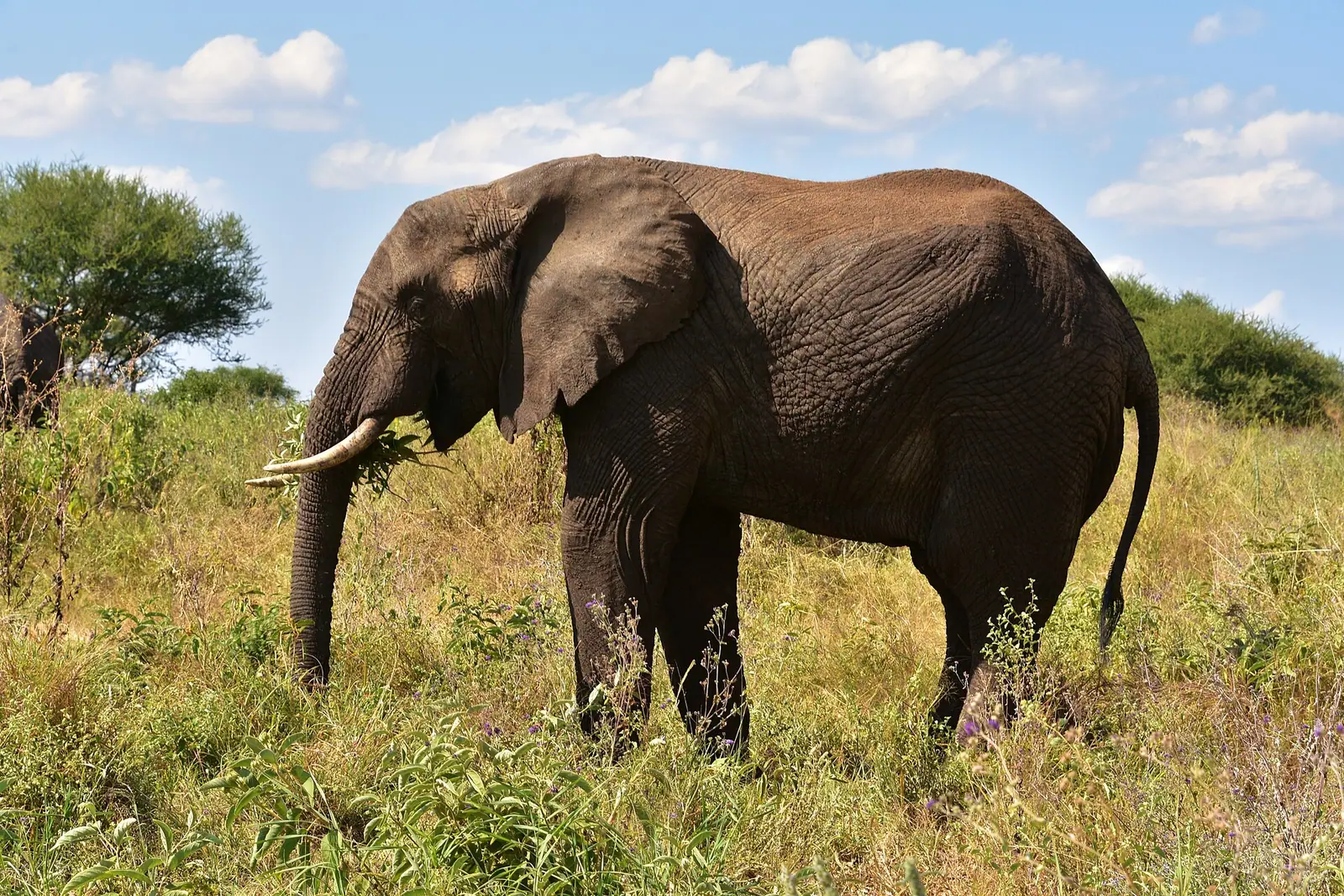
- African elephant coming down to the water in the dry season
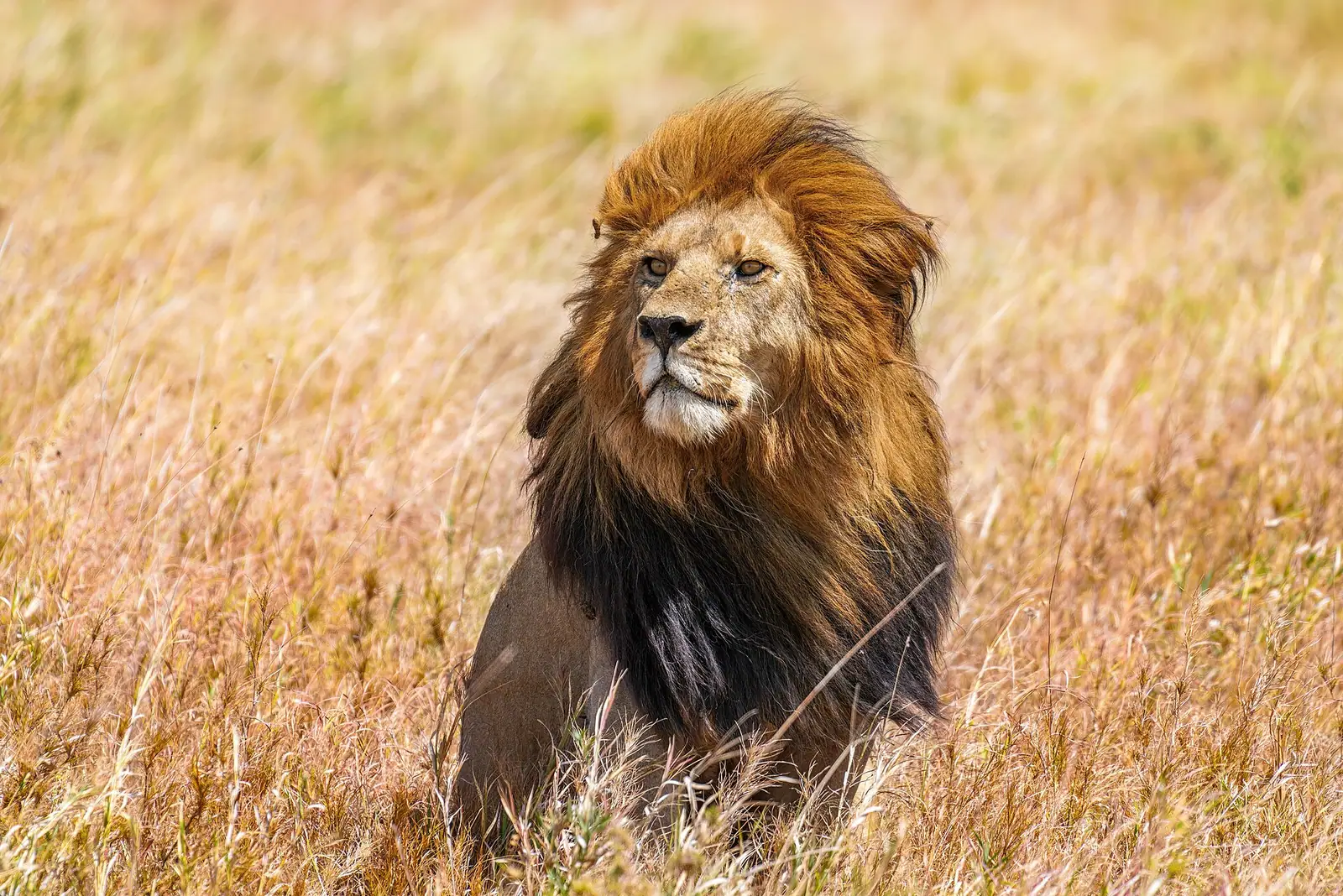
- Lion, and occasionally leopard
- Cape buffalo, often in big herds
- Maasai giraffe, greater kudu, impala and waterbuck
- Sable antelope in some areas (uncommon)
- Outstanding waterbirds — skimmers, fish eagles, herons, storks and bee-eaters nesting in the river banks
Planning your visit
- Best time to go
- The dry season, roughly June to October, is best for wildlife as animals gather near water. Many camps close during the long rains (roughly April to May). The green season from around November to March is quieter and excellent for birds.
- Getting there
- Most visitors fly in by light aircraft from Dar es Salaam or Zanzibar, typically under an hour, to airstrips near the camps. Road access from Dar es Salaam is possible but long; train options may also be available and are confirmed when planning.
- Good to know
- It can be very hot, especially from October to March — lightweight, breathable clothing is essential.
- Walking and boat activities depend on the camp, water levels and park rules.
- Light-aircraft luggage limits (around 15 kg in soft bags) usually apply.
- Tsetse flies can be present in some areas; neutral-coloured clothing helps.
What to see here
WildlifeThe Big Five
The Big Five are the African lion, leopard, elephant, Cape buffalo and rhinoceros. Tanzania is one of the few countries where all five can be seen, though they are not evenly spread and black rhino in particular are scarce. Seeing four of the five on a well-planned northern safari is realistic; seeing all five is possible but never guaranteed.
 Adventure
Walking Safaris
A walking safari changes the scale of everything. Instead of covering ground, you slow down to tracks, dung, birdsong and the smell of crushed leaves, guided by a professional walking guide accompanied by an armed ranger as park rules require. It is about understanding rather than ticking off big animals.
 Wildlife
Boat & Canoe Safaris
Where rivers and lakes allow it, a boat safari is one of the most relaxed ways to watch wildlife. Hippos, crocodiles, elephants coming down to drink and an enormous variety of birds are all seen from the water, usually in the soft light of late afternoon.
 Wildlife
Birdwatching
Tanzania is one of Africa’s richest countries for birds, with more than 1,100 species recorded. Soda lakes, savannah, coastal forest, wetland and the ancient Eastern Arc Mountains sit within a single country, and the mountain forests in particular hold species found nowhere else.
Also in the Southern Circuit

Southern Circuit
Ruaha National Park
Remote, rugged and full of big cats and elephants.

Southern Circuit
Mikumi National Park
The open floodplain park that makes a real safari possible in just a couple of days.

Southern Circuit
Udzungwa Mountains National Park
Eastern Arc rainforest, tall waterfalls and primates found nowhere else on earth.