
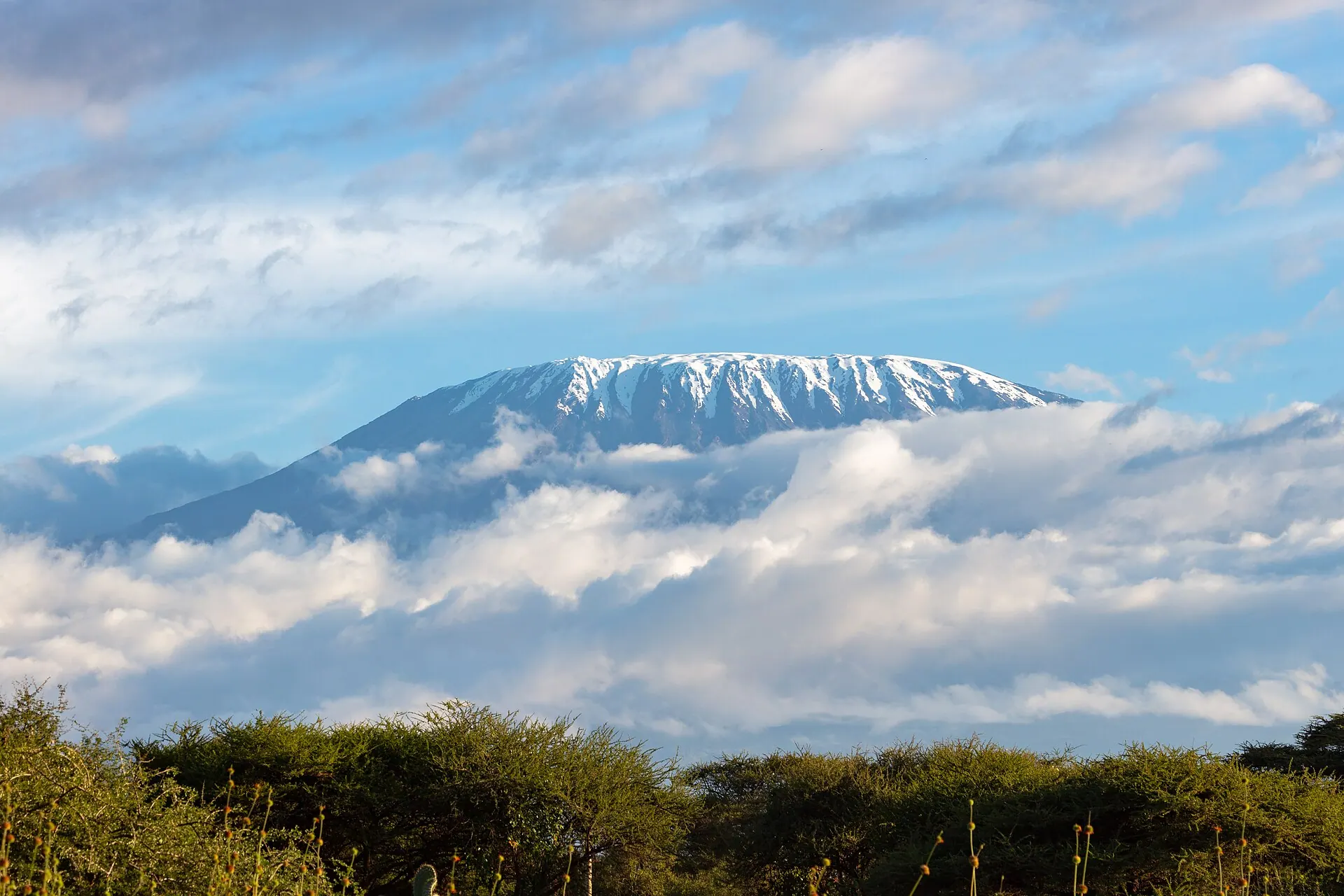
Kilimanjaro
Mount Kilimanjaro
Stand on the Roof of Africa at approximately 5,895 m.
UNESCO World Heritage Site — Kilimanjaro National Park, inscribed as a UNESCO World Heritage Site in 1987.
- Size
- Kilimanjaro National Park covers approximately 1,700 km²
- Altitude
- Approximately 5,895 m at Uhuru Peak, the highest point in Africa
- Established
- National park established in the 1970s
- Best for
- A non-technical high-altitude summit trek, with routes from roughly six to nine days
Rising from farmland and rainforest to a glaciated summit, Kilimanjaro passes through distinct climate zones on the way up: montane forest, heath and moorland, high alpine desert and finally the arctic summit zone. Reaching Uhuru Peak, at approximately 5,895 m, is a proud moment for anyone who makes it.
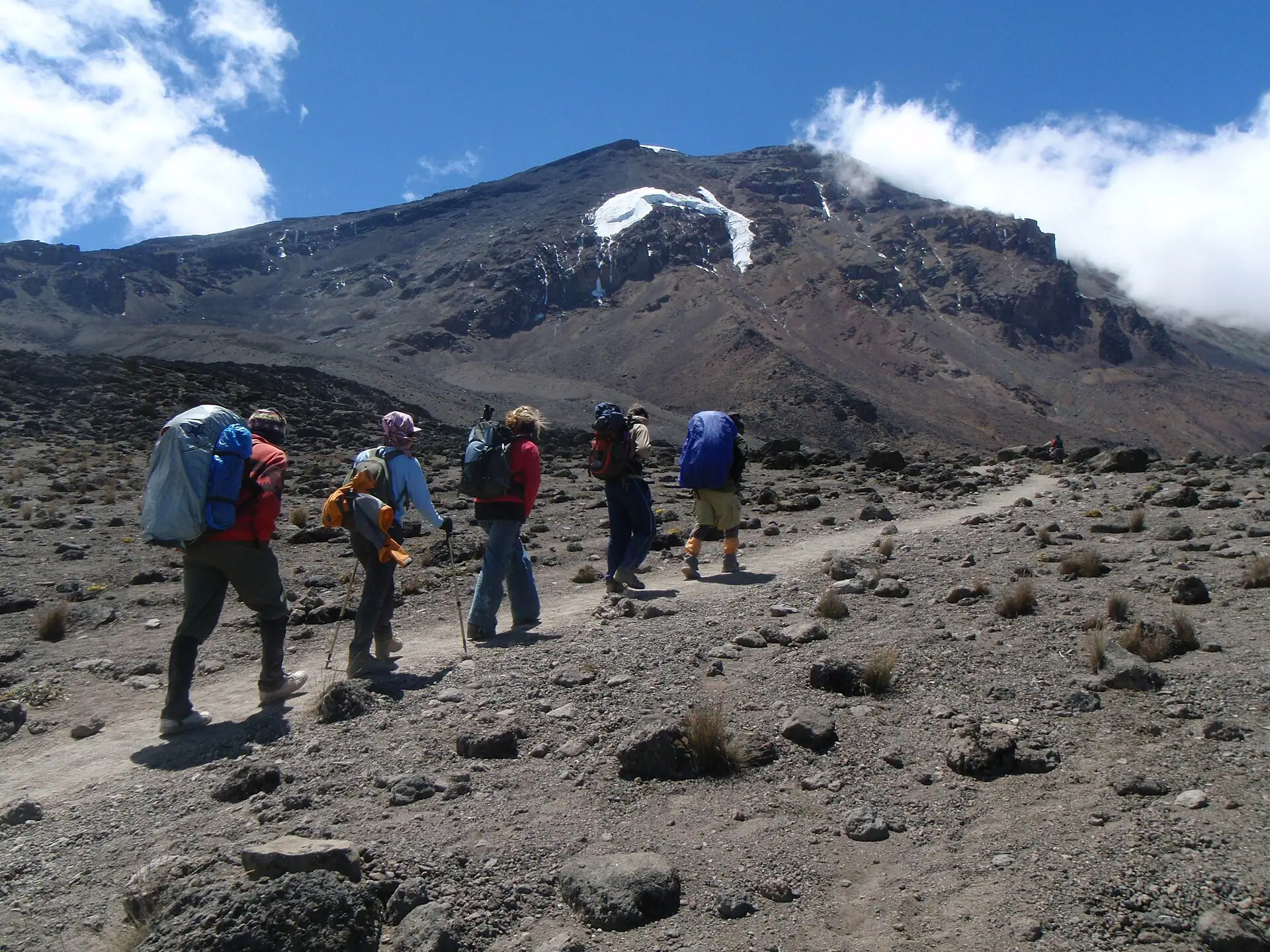
There are several established routes, each with its own character. Longer routes such as Lemosho and the Northern Circuit allow more time to acclimatise and tend to have better summit success; Machame is scenic and popular; Marangu is the only route with hut accommodation; and Rongai approaches from the quieter northern side. Most treks take between six and nine days.
Kilimanjaro National Park is a UNESCO World Heritage Site. Climbs are led by licensed mountain guides supported by porters and cooks, and the base towns of Moshi and Arusha make it easy to combine a climb with a safari or a beach stay afterwards.
Highlights
- Summit Uhuru Peak, the highest point in Africa
- Walk through rainforest, moorland, alpine desert and glacier zones
- Sunrise above the clouds on summit day
- A choice of routes to suit your time, budget and preferences
- Easy to combine with a safari or a Zanzibar beach break
- Gentler options such as day hikes on the lower slopes
Things to do
- Multi-day summit treks on routes such as Lemosho, Machame, Marangu, Rongai or the Northern Circuit
- Day hikes in the rainforest on the lower slopes
- Acclimatisation trek on Mount Meru before your climb
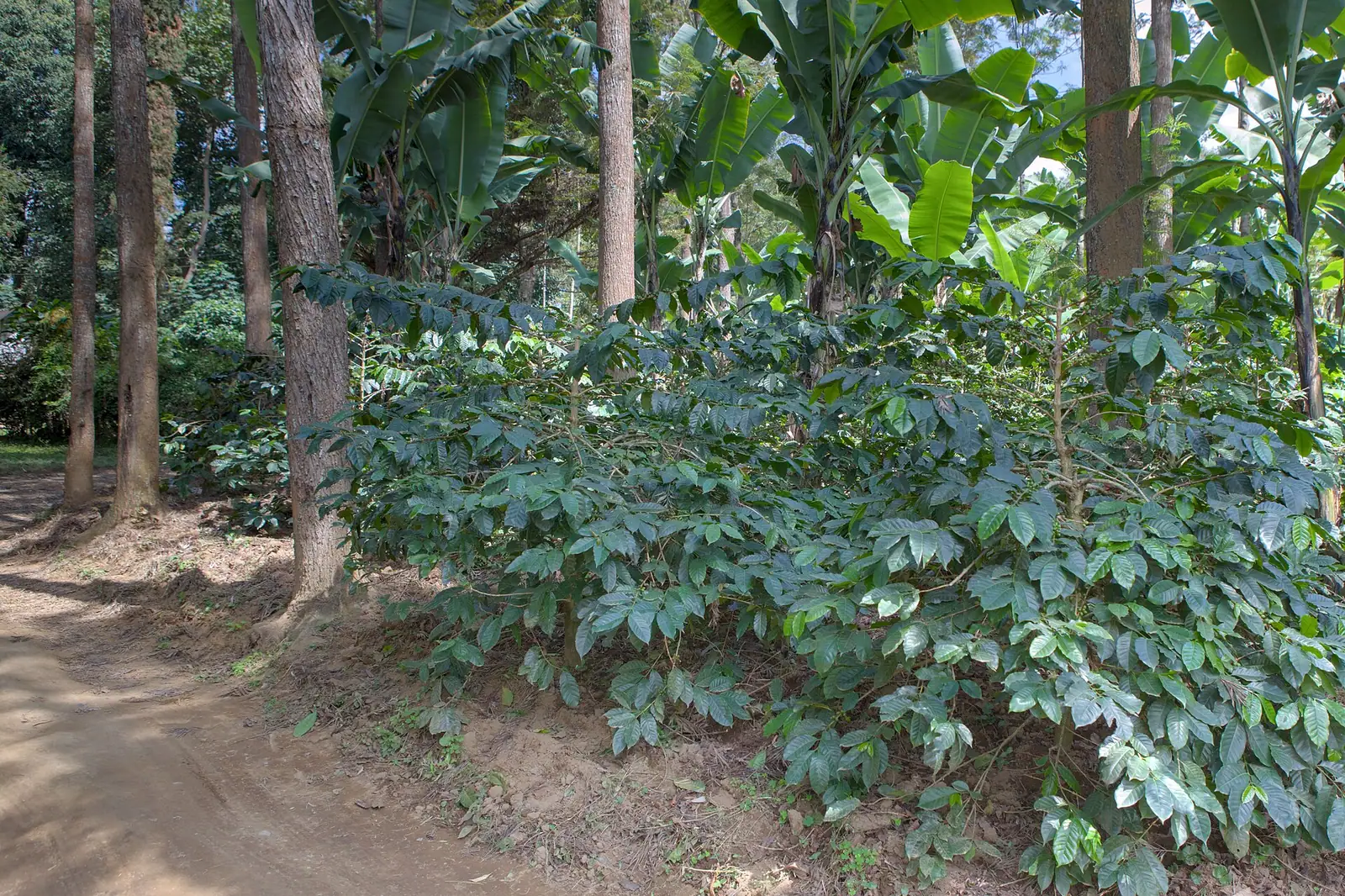
- Coffee and village visits around Moshi
- Waterfall walks in the foothills
Wildlife you might see
Wildlife is wild — these are the species people hope for here, never a promise.
- Blue monkey and black-and-white colobus in the rainforest zone
- Bushbuck and duiker on the forest trails
- Four-striped grass mouse, often bold around the higher camps
- White-necked raven, a constant companion from the moorland upwards
- Malachite sunbird feeding on the giant lobelias
- Augur buzzard and other raptors over the heath zone
- Elephant and buffalo live on the lower slopes but are very rarely seen by trekkers
Planning your visit
- Best time to go
- The most popular climbing seasons are roughly January to mid-March and June to October, when conditions are generally drier. It is possible to climb year-round, but the long rains (roughly March to May) and short rains (roughly November) make trails wetter and views less reliable.
- Getting there
- Fly into Kilimanjaro International Airport (JRO), typically under an hour from Moshi and about an hour from Arusha. Treks usually begin with a transfer from Moshi or Arusha to the park gate for your chosen route.
- Good to know
- Altitude is the main challenge — more days on the mountain generally means better acclimatisation and a better chance of reaching the summit.
- You don’t need climbing experience, but you should be in good health and have trained with regular long walks, ideally on hills.
- Travel insurance must cover trekking to approximately 6,000 m, including emergency evacuation.
- Please consult your doctor before booking, particularly if you have heart, lung or other health conditions.
- Tipping the mountain crew is customary; we share guideline amounts before you travel.
