Western Circuit
Katavi National Park
Enormous buffalo herds and crowded hippo pools in one of Tanzania’s emptiest parks.
- Size
- Approximately 4,500 km²
- Altitude
- Roughly 800–1,500 m
- Established
- Gazetted as a national park in the 1970s and later extended (to be confirmed)
- Best for
- Dry-season buffalo and hippo concentrations in near-total solitude
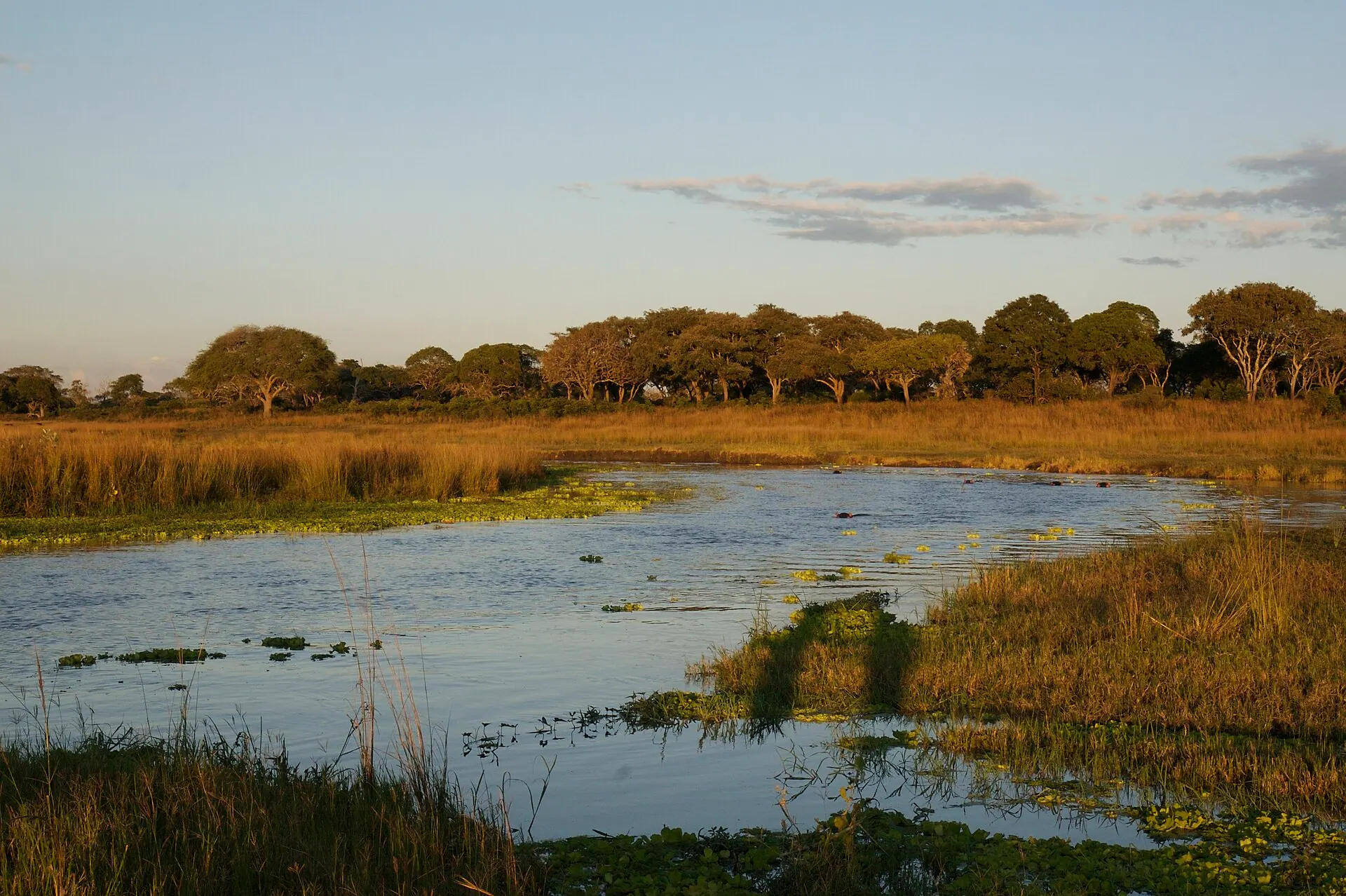
Katavi National Park lies in the remote west of Tanzania, covering roughly 4,500 km² of floodplain, miombo woodland, seasonal lakes and palm-fringed rivers. It is often described as one of the country’s last true wilderness parks, and visitor numbers are a tiny fraction of those in the north — on many days you may not see another vehicle at all.
The park’s character changes completely with the seasons. During the rains the Katuma River spills across the Katisunga plain and the lakes fill; as the dry season advances the water retreats, and wildlife is drawn to what remains. Buffalo gather in herds that can number in the hundreds, and hippos crowd into shrinking pools in densities that are genuinely startling — along with the noise, dust and tension that come with them.
Katavi is not a polished, easy park, and that is the point. Game viewing is seasonal and can be quiet outside the dry months, camps are few and simple by luxury standards, and getting here takes commitment. For travellers who have done the classic circuits and want wilderness without crowds, it is hard to beat.


Highlights
- Very large buffalo herds on the Katisunga and Chada floodplains in the dry season
- Hippo pools that concentrate dramatically as the Katuma River shrinks
- Big crocodiles, some of which retreat into riverbank caves late in the dry season
- Large elephant and a good chance of lion; leopard and other predators are present
- Walking safaris and fly-camping with camps that offer them
- Exceptionally few visitors — a real sense of having the park to yourself
Things to do
- Game drives on the floodplains and along the Katuma River
- Guided walking safaris with an armed ranger (where permitted)
- Fly-camping overnight with selected camps
- Photography days at the hippo pools and river crossings
- Birdwatching on the lakes and floodplains
Wildlife you might see
Wildlife is wild — these are the species people hope for here, never a promise.
- Buffalo, in some of the largest herds in Tanzania
- Hippopotamus, concentrated in pools in the dry season
- Nile crocodile, including unusually large individuals
- Elephant, giraffe, zebra and topi
- Lion, with leopard, spotted hyena and (occasionally) wild dog also present
- Roan and sable antelope in the miombo woodland, and eland on the plains
- Waterbirds on the seasonal lakes, including storks, pelicans and fish eagles
Planning your visit
- Best time to go
- The dry season, roughly June to October, is by far the best time: water concentrates the wildlife and the spectacle at the hippo pools builds towards the end of the dry months. Most camps close during the long rains (roughly March to May), when tracks become impassable.
- Getting there
- Katavi is effectively fly-in. Scheduled and charter light aircraft serve an airstrip near the park, usually from Arusha or Dar es Salaam, and it is often combined with Mahale on the same circuit. Road access exists from Mbeya and Sumbawanga but is long and rough, and is rarely recommended for visitors.
- Good to know
- Katavi is strongly seasonal — outside the dry months, wildlife disperses and some camps are closed.
- Tsetse flies are present in the woodland; neutral-coloured clothing helps (avoid dark blue and black).
- Facilities are limited and remote; comprehensive insurance with evacuation cover is essential.
- Light-aircraft luggage limits (around 15 kg in soft bags) usually apply.
- Katavi and Mahale combine naturally, since the same flight routes serve both.
What to see here
 Wildlife
Chimpanzee Trekking
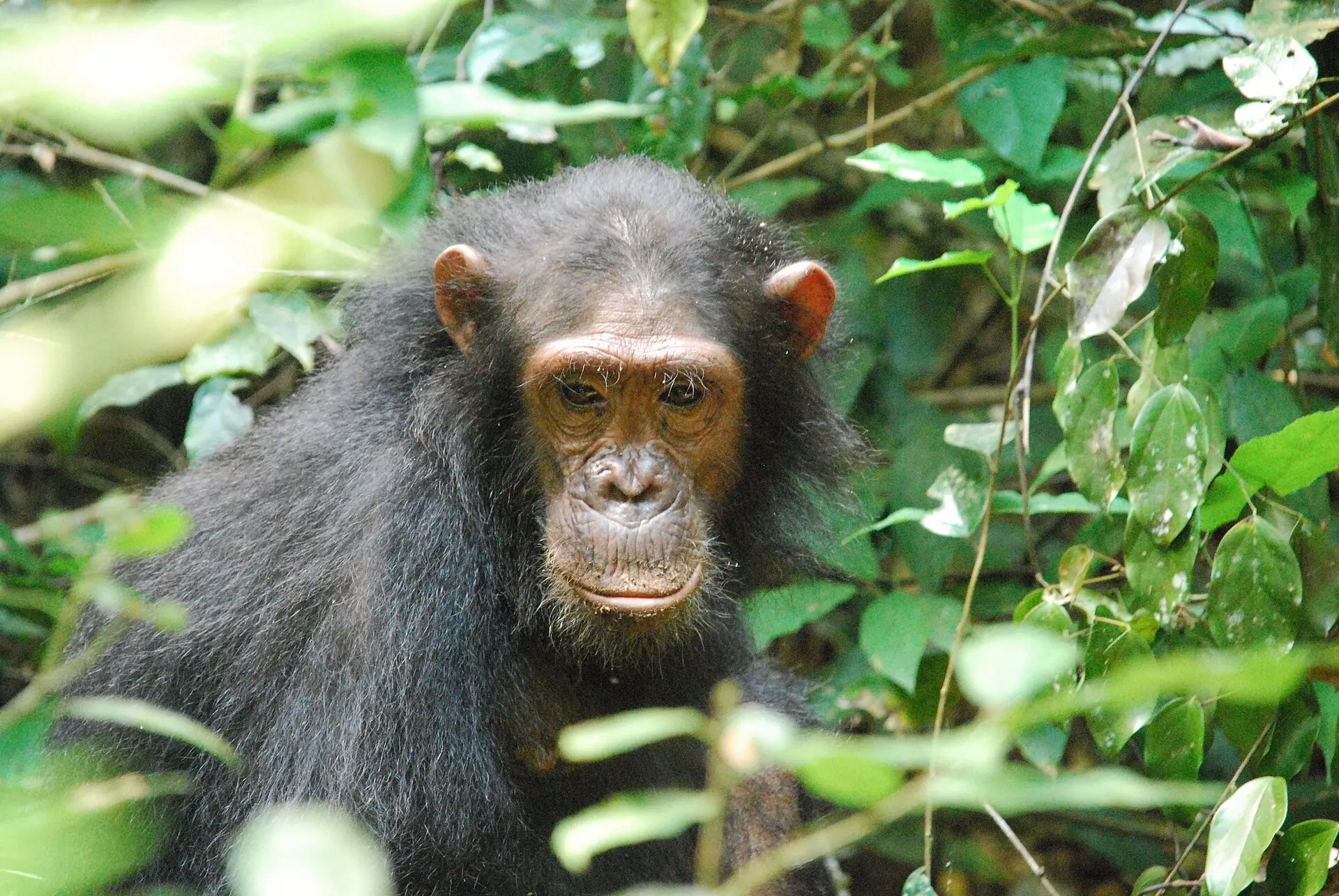
In the far west of Tanzania, on the steep forested slopes above Lake Tanganyika, communities of wild chimpanzees have been studied and habituated for decades. Trekking to find them is a demanding, humbling walk rather than a game drive, and time with the group is deliberately limited to protect their health.
 Adventure
Walking Safaris
A walking safari changes the scale of everything. Instead of covering ground, you slow down to tracks, dung, birdsong and the smell of crushed leaves, guided by a professional walking guide accompanied by an armed ranger as park rules require. It is about understanding rather than ticking off big animals.