
Northern Circuit
Arusha National Park
Forest, crater and lakes on Arusha’s doorstep — and one of the few parks you can walk in.
- Size
- Approximately 550 km²
- Altitude
- Approximately 1,400 m to 4,562 m at the summit of Mount Meru
- Established
- Protected from 1960 as Ngurdoto Crater National Park; extended and renamed Arusha National Park in 1967
- Best for
- Walking safaris, forest monkeys, birdlife and a gentle first day near Arusha
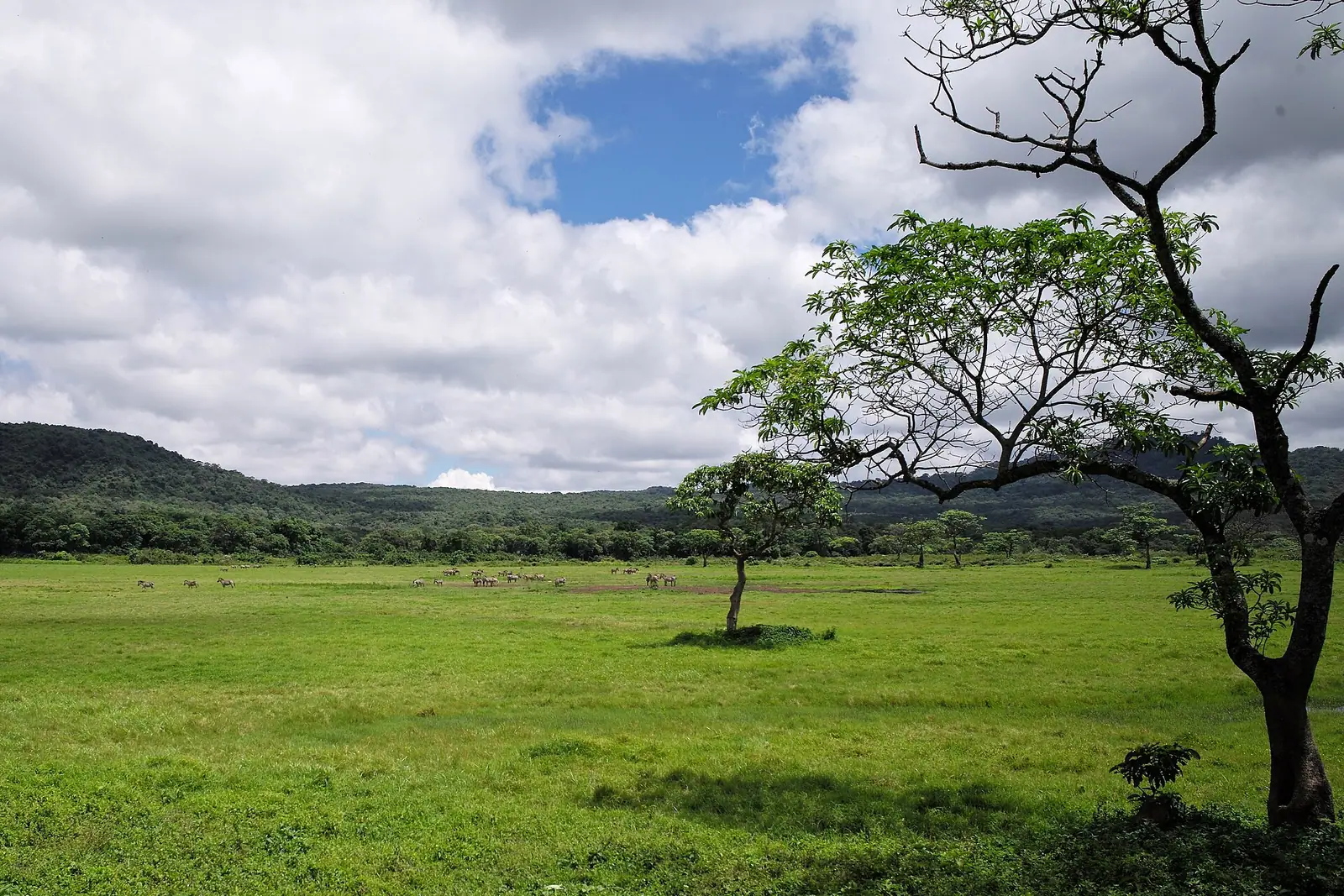
Arusha National Park is small by Tanzanian standards — approximately 550 km² — but it packs in an unusual variety of landscapes. In a single day you can move from dense montane rainforest to the grassy floor of the Ngurdoto Crater, across open glades, and down to the shallow, alkaline Momella Lakes, with the jagged summit of Mount Meru above you and, on clear mornings, Kilimanjaro on the horizon.
It is not a Big Five park. There are no lions, and rhino are absent, but the wildlife here is engaging in a different way: black-and-white colobus monkeys leaping between the forest canopy, blue monkeys, giraffes, buffaloes, bushbuck, warthogs and waterbuck. The Momella Lakes often hold flamingos and a good mix of waterbirds, although numbers vary a great deal with water levels and season.
Because there are few large predators in most of the park, Arusha National Park is one of the few places on the northern circuit where you can leave the vehicle. Guided walking safaris with an armed park ranger and canoeing on the Momella Lakes (subject to conditions and current park rules) make it a welcome change of pace — and a good, gentle first or last day of a longer safari.


Highlights
- The Ngurdoto Crater, a steep-sided forest bowl with wildlife grazing on the floor below
- The Momella Lakes, often with flamingos and a rich mix of waterbirds
- Black-and-white colobus monkeys in the montane forest — a northern-circuit speciality
- Guided walking safaris with an armed ranger, rarely possible elsewhere in the north
- Canoeing on the Momella Lakes, where conditions and park rules allow
- Views of Mount Meru, and of Kilimanjaro on clear days
- Close enough to Arusha for a half-day or full-day visit
Things to do
- Half-day or full-day game drive, including the Ngurdoto Crater rim and the lakes
- Guided walking safari with an armed park ranger
- Canoe trip on one of the Momella Lakes (where operating)
- Birdwatching around the lake shores and in the forest
- Day hike on the lower slopes of Mount Meru, towards Miriakamba
Wildlife you might see
Wildlife is wild — these are the species people hope for here, never a promise.
- Black-and-white colobus monkey (often seen in the forest, but never guaranteed)
- Blue monkey and olive baboon
- Maasai giraffe
- Cape buffalo
- Bushbuck and waterbuck
- Warthog and common zebra
- Lesser and greater flamingo on the Momella Lakes, seasonally
- Hippo in the lakes and swamps
Planning your visit
- Best time to go
- The park can be visited year-round. The drier months, roughly June to October and late December to February, give the clearest mountain views and the easiest walking. The long rains (roughly March to May) bring lush forest and good birding, but trails and tracks can be slippery.
- Getting there
- Typically about 45 minutes to an hour by road from Arusha, and roughly an hour from Kilimanjaro International Airport (JRO) — which makes it an easy first stop straight from the airport, or a relaxed final day before flying home.
- Good to know
- Walking in the park is always done with an armed park ranger, as required by park rules.
- Flamingo numbers on the Momella Lakes vary widely by season and water level; they are never guaranteed.
- The forest can be cool and damp even in the dry season — bring a light waterproof layer.
- There are no lions here, so it is a good choice for nervous first-timers, families and walkers.
What to see here
 Adventure UNESCO
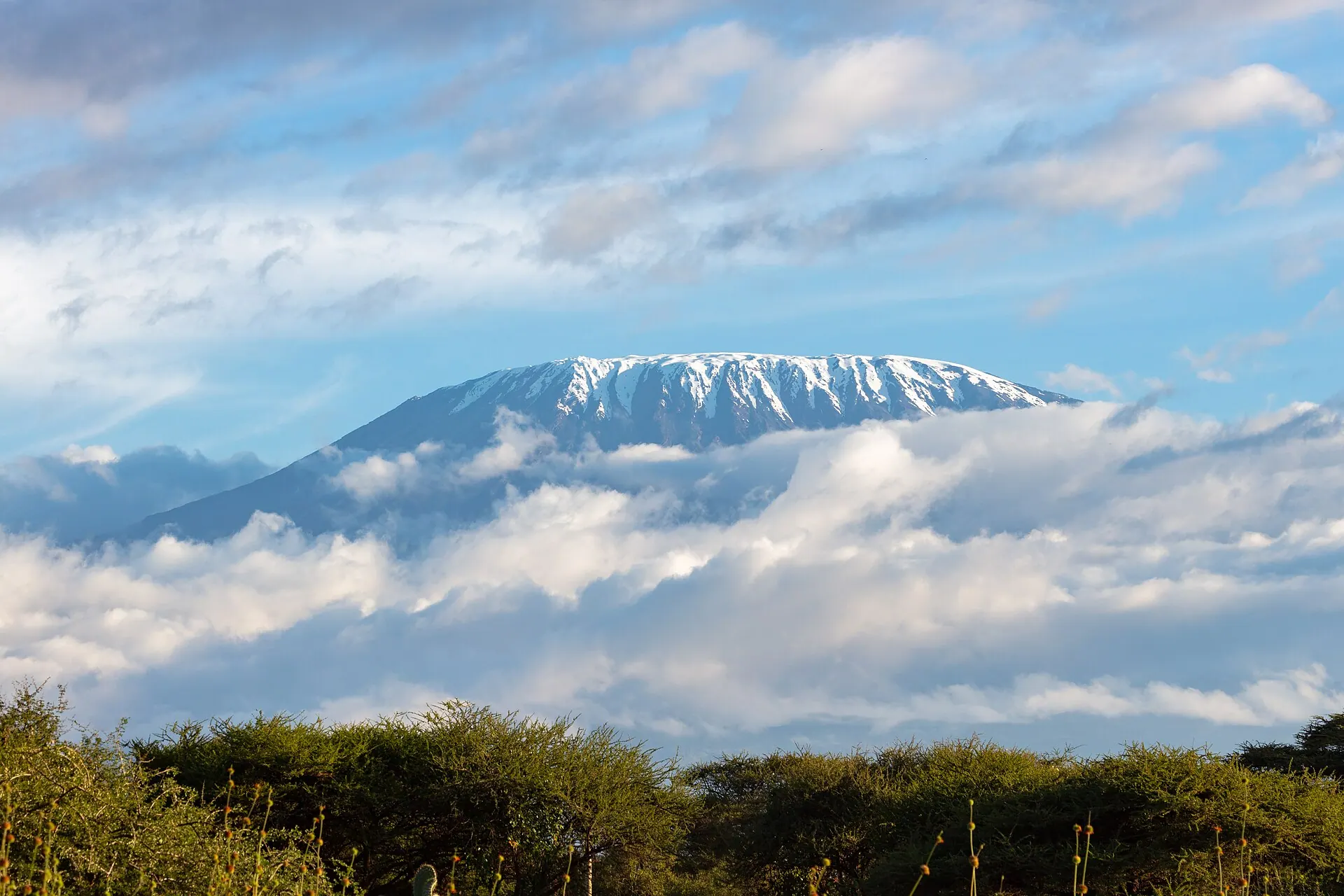
The Roof of Africa
Mount Kilimanjaro rises to approximately 5,895 m at Uhuru Peak, making it the highest point in Africa and the world’s tallest free-standing mountain. No technical climbing skills are needed, but it is a serious high-altitude trek that rewards a longer route, sensible pacing and honest preparation.
WildlifeFlamingos & Soda Lakes
Northern Tanzania’s alkaline lakes look hostile — shallow, salty and often too caustic for fish — yet they support blooms of algae that feed flamingos in their thousands. Numbers move constantly between lakes with water levels and food, so a lake that was pink last month may be almost empty this one.
 Adventure
Walking Safaris
A walking safari changes the scale of everything. Instead of covering ground, you slow down to tracks, dung, birdsong and the smell of crushed leaves, guided by a professional walking guide accompanied by an armed ranger as park rules require. It is about understanding rather than ticking off big animals.
 Wildlife
Boat & Canoe Safaris
Where rivers and lakes allow it, a boat safari is one of the most relaxed ways to watch wildlife. Hippos, crocodiles, elephants coming down to drink and an enormous variety of birds are all seen from the water, usually in the soft light of late afternoon.
Also in the Northern Circuit

Northern Circuit
Arusha
The green, lively gateway to Tanzania’s northern safari parks.

Northern Circuit
Tarangire National Park
Giant baobabs, big elephant herds and a river that draws wildlife in the dry season.
Northern Circuit
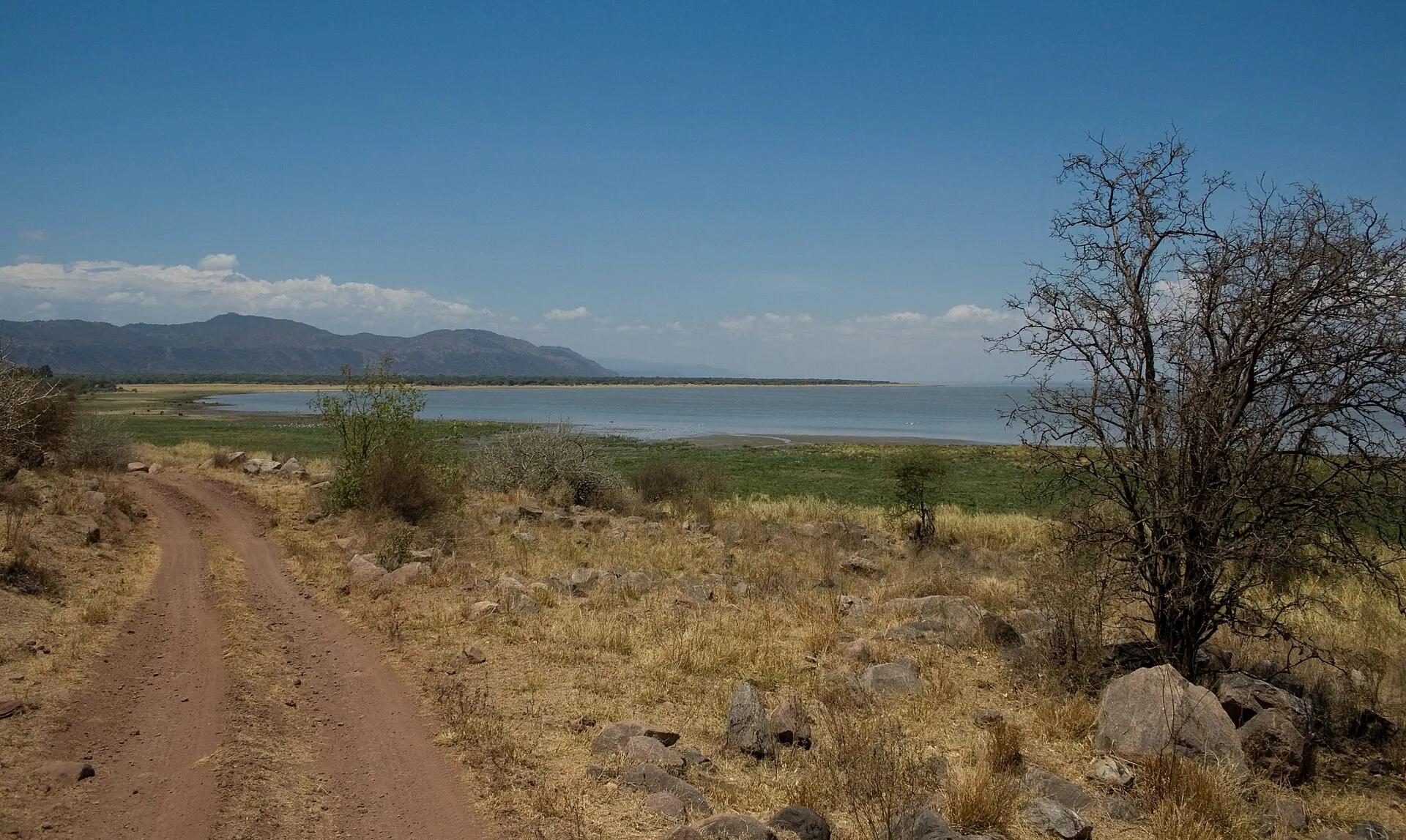
Lake Manyara National Park
A compact, green park between the Rift Valley wall and a shimmering soda lake.