

Northern Circuit
Lake Eyasi
A dusty soda lake where some of the last hunter-gatherers in Africa still live.
- Size
- Approximately 1,000 km² when full, though the lake can almost dry out
- Altitude
- Approximately 1,030 m
- Best for
- Respectful cultural visits with Hadzabe and Datoga communities
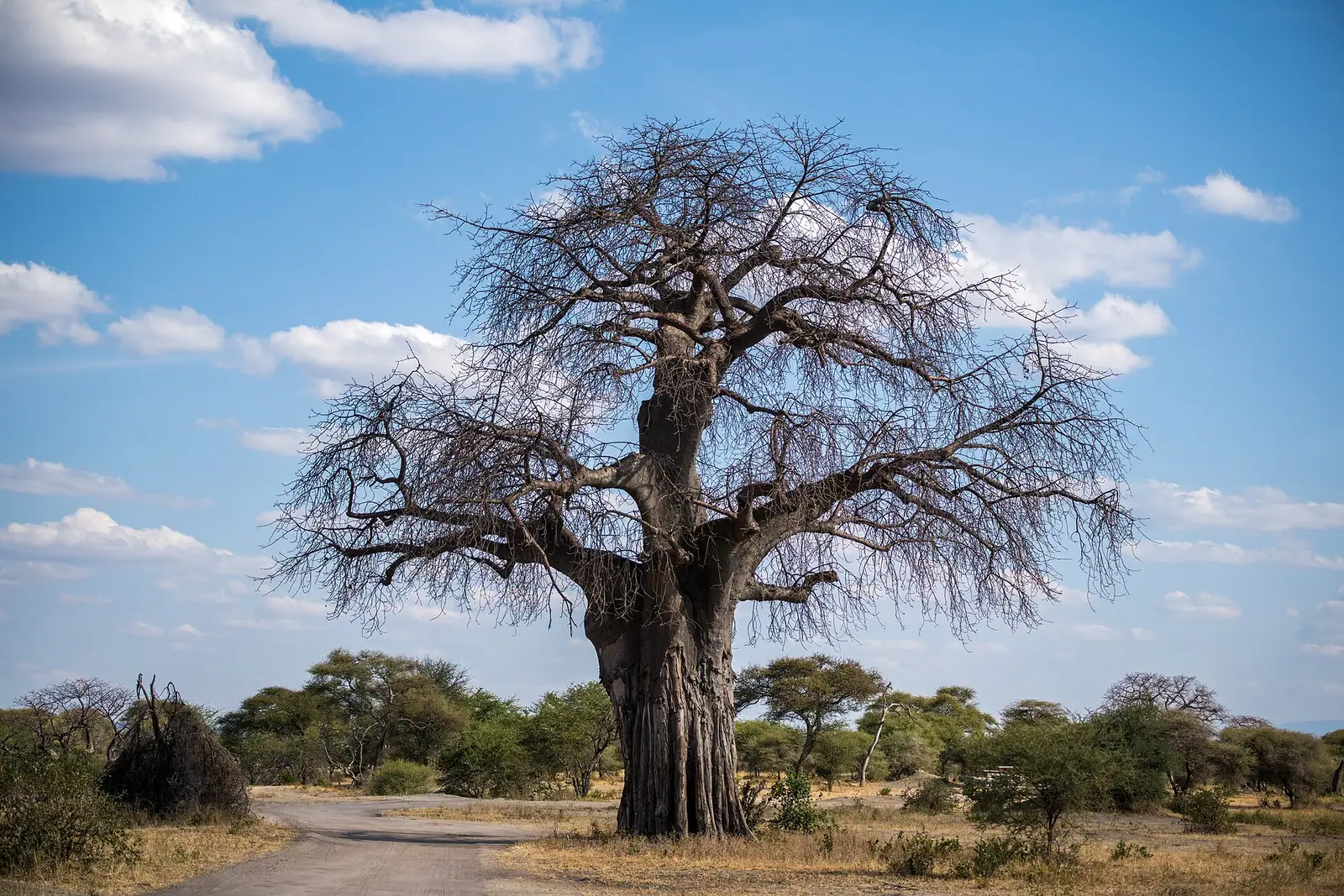
Lake Eyasi is a shallow, seasonal soda lake in a branch of the Rift Valley, hemmed in by the Eyasi escarpment and the Ngorongoro highlands to the north-east. In the dry season it can shrink to little more than a dust pan; after good rains it spreads out and attracts pelicans and flamingos. The surrounding country is hot, thorny and beautiful, with baobabs and doum palms and long views across the valley.
The valley is best known for the people who live around it. The Hadzabe are one of the last communities in Africa to live substantially by hunting and gathering, speaking a language with click consonants that is not related to any other. Their way of life is under real pressure from land loss and change. Nearby, Datoga communities keep cattle and are known for their blacksmithing, working scrap metal into arrowheads, bracelets and knives.
These are not performances laid on for visitors — they are people’s homes and working days. A good visit is short, quiet and led by a local guide who knows the family you are visiting, with payment agreed openly and going to the community rather than to a middleman. Approached that way, an early-morning walk with Hadzabe hunters is one of the most memorable mornings in Tanzania. Approached badly, it is intrusive, and we would rather you skipped it.
Highlights
- An early-morning walk with Hadzabe hunters, arranged through local guides
- Datoga homesteads and blacksmiths working metal by hand
- Hot, atmospheric Rift Valley scenery with baobabs and doum palms
- Pelicans, flamingos and waterbirds when the lake holds water
- A striking contrast to the game parks, and an easy addition on the way to or from the Serengeti
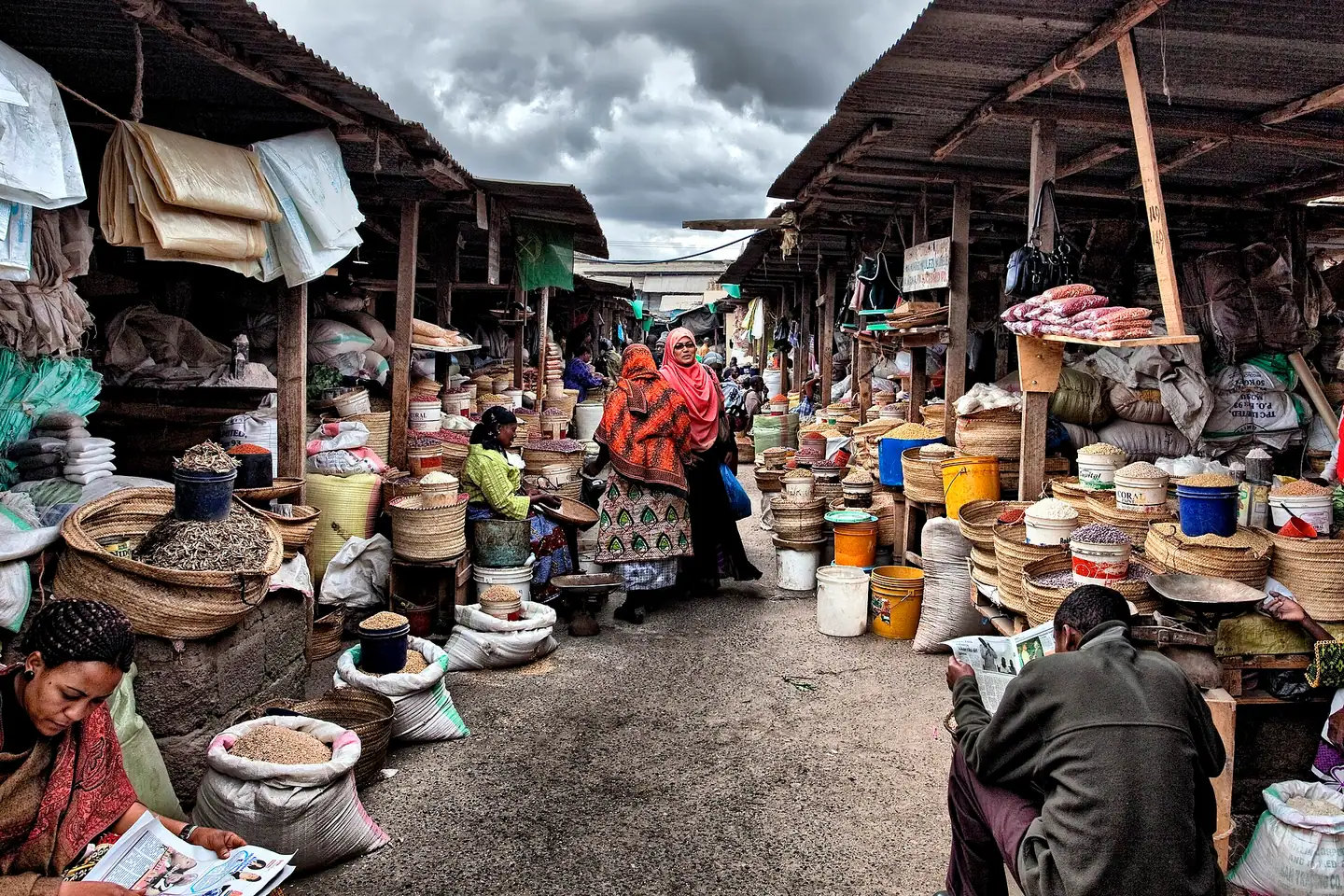
- Onion and maize farms and busy local markets around Karatu and Mang’ola
Things to do
- Early-morning walk with Hadzabe hunters (starting before sunrise)
- Visit to a Datoga homestead and blacksmith’s workshop
- Birdwatching along the lake shore, when the lake holds water
- Guided nature and bush-craft walk learning about plants and their uses
- Visit to a local market at Mang’ola or Karatu on market day
Wildlife you might see
Wildlife is wild — these are the species people hope for here, never a promise.
- Greater and lesser flamingo when the lake holds water (highly seasonal, never guaranteed)
- Great white pelican on the open water
- Kirk’s dik-dik in the thorn scrub
- Vervet monkey and olive baboon
- Bushbabies at dusk around the camps
- Hornbills, bee-eaters and dry-country birds in the acacias
Planning your visit
- Best time to go
- Roughly June to October and late December to February are driest and easiest for the rough access roads. The lake itself is most likely to hold water and birds after the rains, around April to June. It is hot most of the year, so activities are planned for early morning.
- Getting there
- Typically around an hour to an hour and a half by road from Karatu, which is itself roughly three hours from Arusha. Most visitors include it as a morning excursion from Karatu or as a stop between Ngorongoro and the Serengeti. A 4x4 is needed on the final stretches.
- Good to know
- Visits should be arranged through local guides who work with the community, with payment agreed in advance and paid fairly and directly.
- Always ask before photographing people, and accept no as an answer — this applies to individuals, homes and ceremonies.
- Start very early: hunting walks begin around first light, and the valley becomes uncomfortably hot by mid-morning.
- Hadzabe hunters may carry bows and may hunt during the walk; if that would trouble you, discuss it with us before booking.
- Bring closed shoes, a hat and plenty of water — the ground is thorny and there is little shade.
What to see here
 Landscapes UNESCO
The Ngorongoro Crater
The Ngorongoro Crater is one of the world’s largest intact volcanic calderas, formed when a great volcano collapsed in on itself. Grassland, swamp, a soda lake and patches of forest on the floor support a high density of wildlife that stays largely inside the crater year-round. The wider conservation area is also a Maasai homeland and holds some of the most important early-human sites on earth.
 Landscapes
The Great Rift Valley
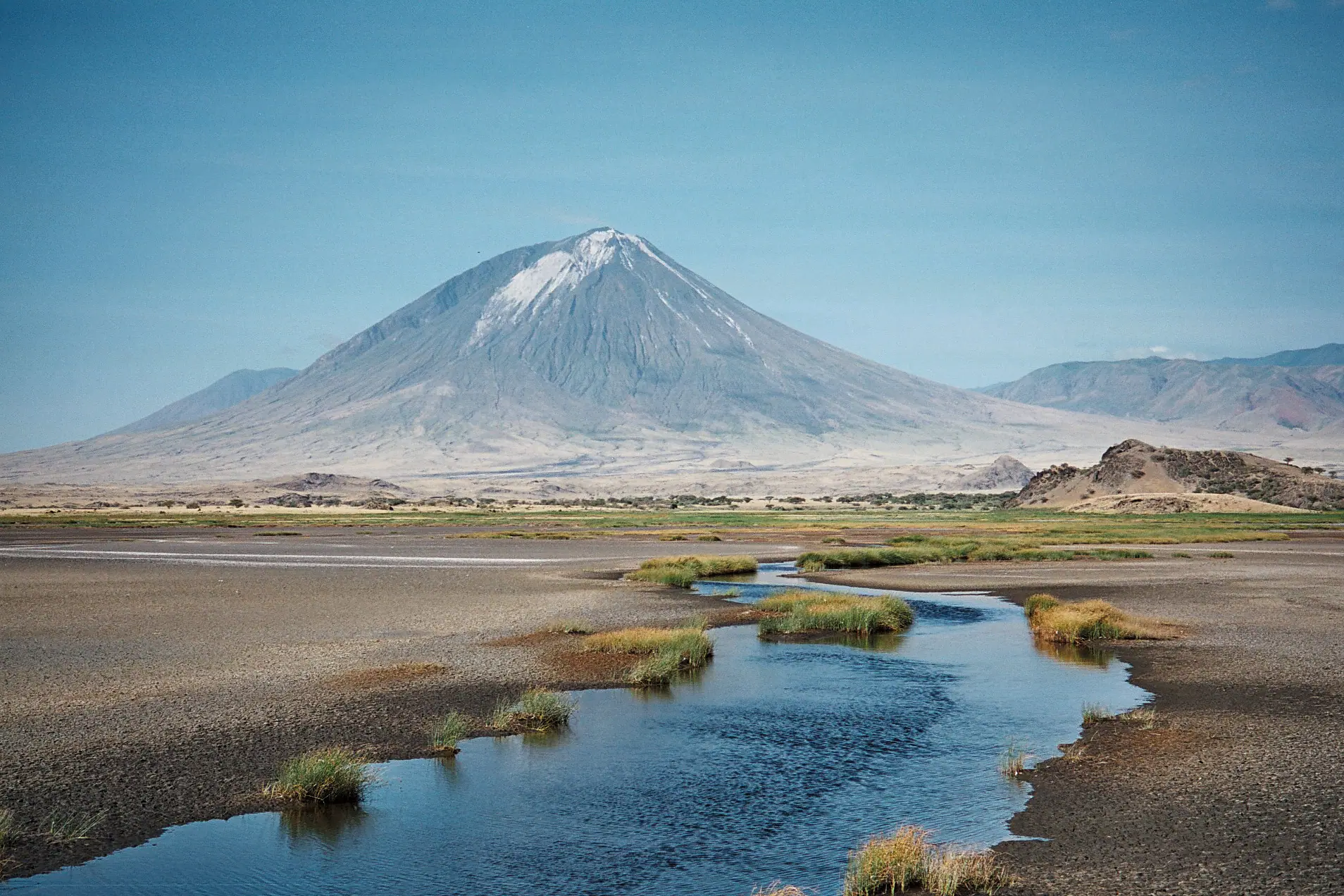
Tanzania sits astride the East African Rift, where the continent is gradually splitting along a system of faults. The Eastern branch gives northern Tanzania its towering escarpments, alkaline lakes and volcanoes, including the active Ol Doinyo Lengai; the Western branch holds Lake Tanganyika, one of the deepest lakes on earth.
 Wildlife
Flamingos & Soda Lakes
Northern Tanzania’s alkaline lakes look hostile — shallow, salty and often too caustic for fish — yet they support blooms of algae that feed flamingos in their thousands. Numbers move constantly between lakes with water levels and food, so a lake that was pink last month may be almost empty this one.
 Culture & History UNESCO
Cradle of Humankind
Northern Tanzania holds some of the most significant sites in the study of human origins. Olduvai Gorge, the Laetoli footprints and the rock-art shelters of Kondoa together span millions of years, and the region remains one of the most studied landscapes in palaeoanthropology.
Culture & HistoryHadzabe & Datoga
Around Lake Eyasi live the Hadzabe, among the last communities in Africa where some families still rely substantially on hunting and gathering, and the Datoga, pastoralists known for their metalworking. Visits can be meaningful, but only when they are agreed with the community, fairly paid and free of pressure to perform.
Also in the Northern Circuit

Northern Circuit
Arusha
The green, lively gateway to Tanzania’s northern safari parks.

Northern Circuit
Tarangire National Park
Giant baobabs, big elephant herds and a river that draws wildlife in the dry season.
Northern Circuit
Lake Manyara National Park
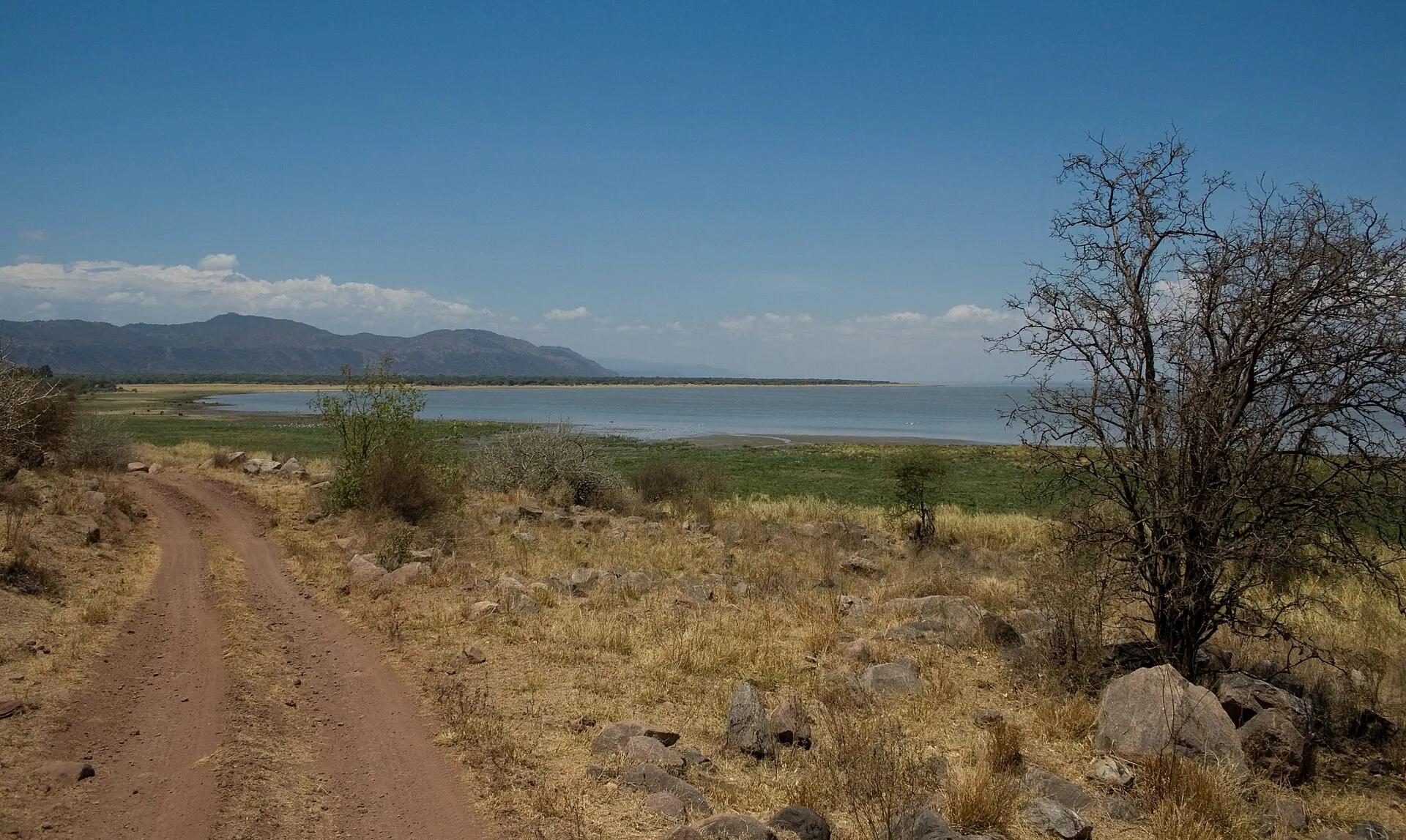
A compact, green park between the Rift Valley wall and a shimmering soda lake.