
Northern Circuit
Tarangire National Park
Giant baobabs, big elephant herds and a river that draws wildlife in the dry season.
- Size
- Approximately 2,850 km²
- Altitude
- Approximately 1,000–1,500 m
- Established
- 1970
- Best for
- Elephants, baobabs and dry-season game viewing along the river
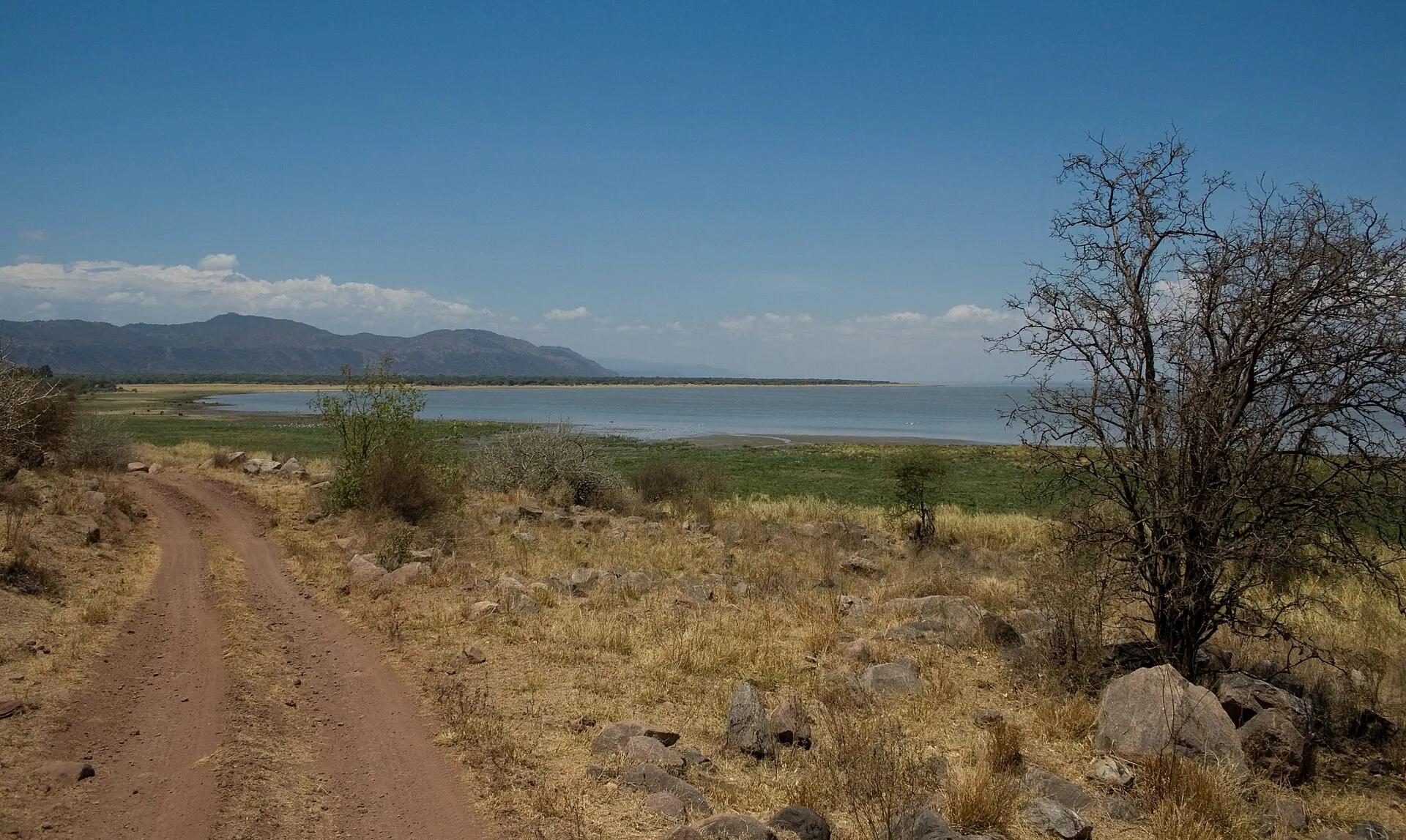
Typically around two to three hours by road from Arusha, Tarangire National Park is often the first stop on a northern circuit safari — and for many travellers it becomes a favourite. Its landscape of golden grassland, acacia woodland and massive baobab trees feels quite different from the open plains of the Serengeti.
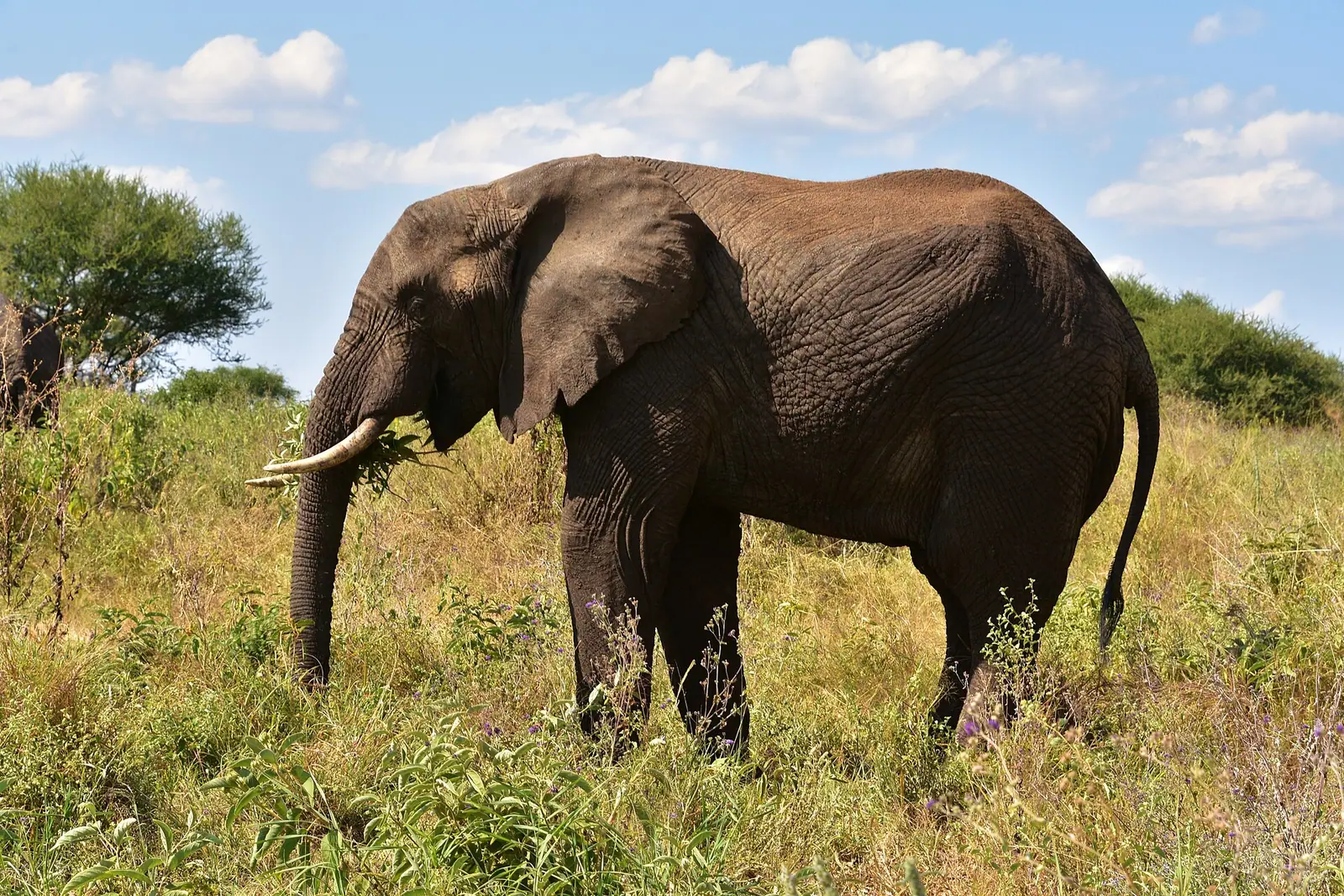
The park is best known for elephants, which can gather in impressive numbers along the Tarangire River during the dry months. Alongside them you may see giraffes, zebras, wildebeest, buffaloes, impalas and lions, with a chance of leopard and cheetah. Tarangire is also rewarding for birdwatchers, with several hundred species recorded.
Because it is relatively close to Arusha and less busy than the most famous parks, Tarangire is a great place to settle into safari rhythm — early starts, long lunches and golden-hour game drives.


Highlights
- Some of the largest elephant herds in northern Tanzania, especially in the dry season
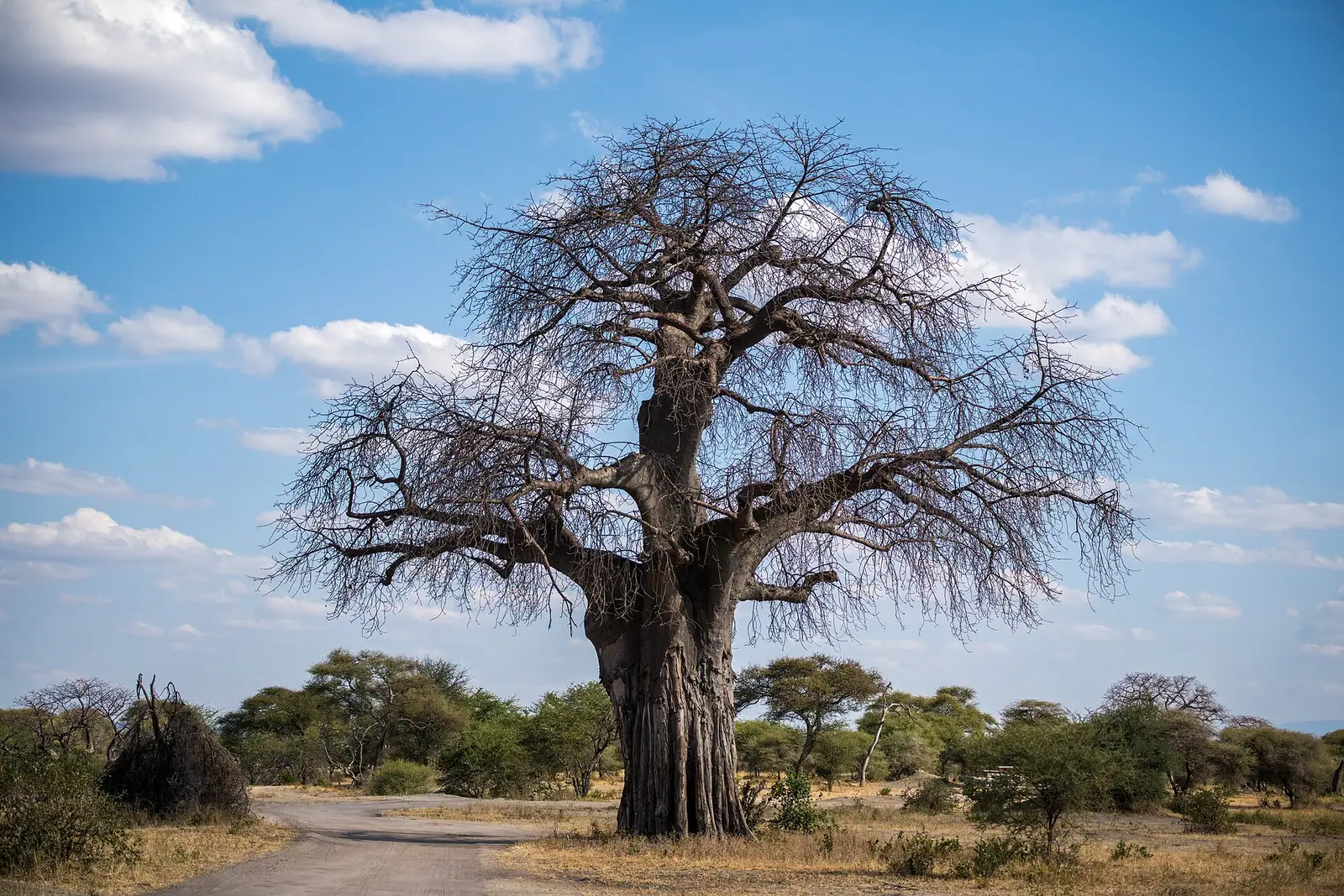
- Iconic baobab trees, some believed to be many centuries old
- The Tarangire River, a magnet for wildlife from roughly June to October
- Excellent birdlife, including many colourful and migratory species
- Tree-dotted landscapes that are wonderful for photography
- Generally quieter than the Serengeti and Ngorongoro
Things to do
- Morning, afternoon and full-day game drives
- Guided walking safaris in selected areas and concessions (where permitted)
- Night drives in areas outside the national park where allowed
- Birdwatching with your guide
- Sundowners overlooking the river or the plains
Wildlife you might see
Wildlife is wild — these are the species people hope for here, never a promise.
- African elephant, often in large herds in the dry season (never guaranteed)
- Maasai giraffe and common zebra
- Lion, and with luck leopard or cheetah
- Cape buffalo and wildebeest
- Impala, waterbuck and eland
- Fringe-eared oryx and lesser kudu in the drier south of the park (scarce)
- Yellow-collared lovebird and ashy starling, both largely limited to this part of Tanzania
Planning your visit
- Best time to go
- The dry season, roughly June to October, is the peak time for wildlife as animals concentrate around the river. The green season (roughly November to May) is lush, quieter and good for birds and baby animals, though some tracks can be muddy in the heaviest rains.
- Getting there
- Typically about two to three hours by road from Arusha, which makes it an easy first or last stop on a northern safari. Some lodges can also be reached by light aircraft to nearby airstrips.
- Good to know
- Tsetse flies can be present in some wooded areas — neutral-coloured clothing (avoid dark blue and black) helps.
- Walking safaris and night drives are only possible in certain areas and with specific camps.
- Combines naturally with Lake Manyara, Ngorongoro and the Serengeti.
What to see here
 Wildlife
The Great Migration
The Great Migration is the year-round movement of well over a million wildebeest, together with hundreds of thousands of zebras and gazelles, through the Serengeti ecosystem in search of grazing and water. It is not a single event on a fixed date but a continuous cycle, and its timing shifts with the rains every year.
Month-by-month guide
 Wildlife
The Big Five
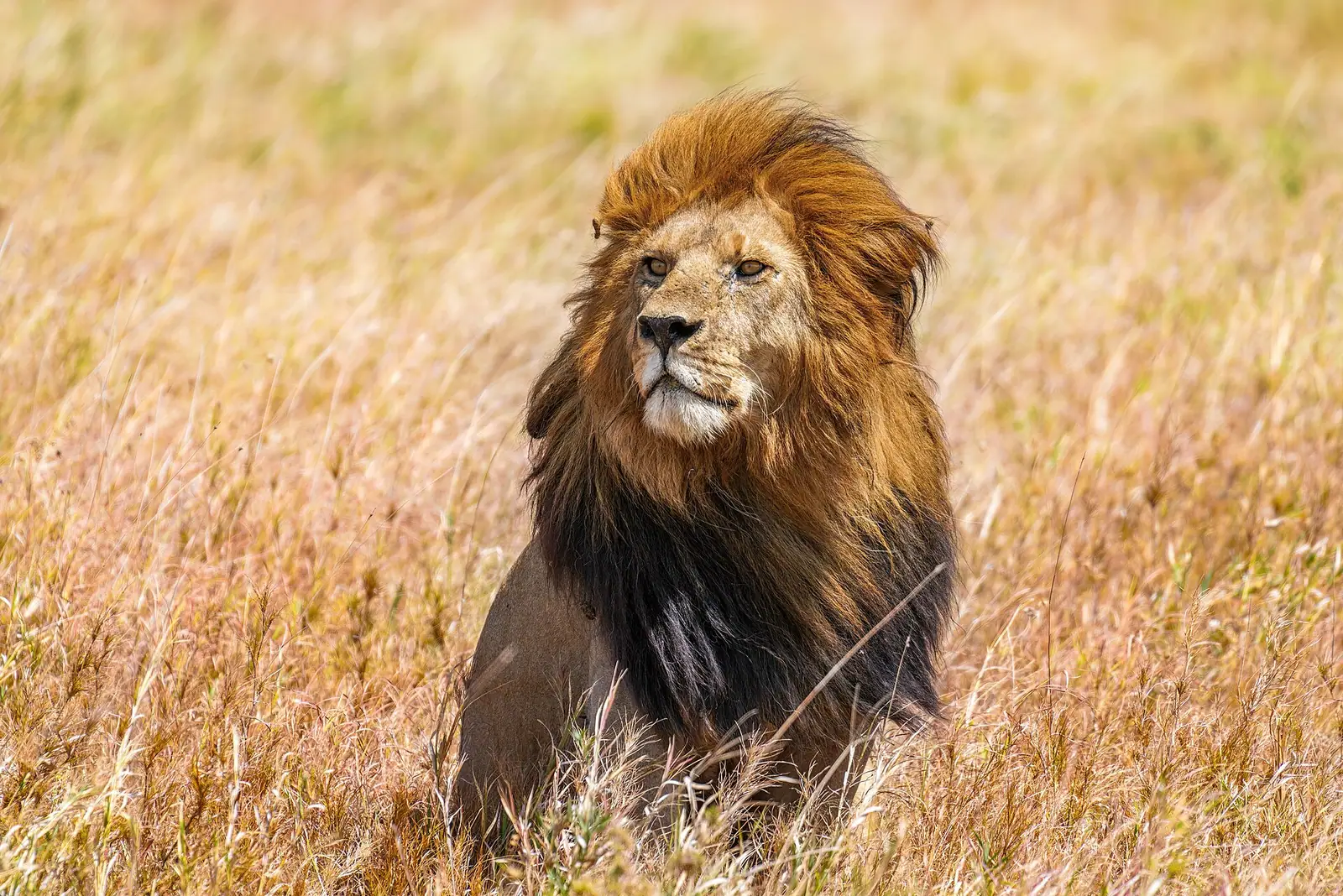
The Big Five are the African lion, leopard, elephant, Cape buffalo and rhinoceros. Tanzania is one of the few countries where all five can be seen, though they are not evenly spread and black rhino in particular are scarce. Seeing four of the five on a well-planned northern safari is realistic; seeing all five is possible but never guaranteed.
 Culture & History
Maasai Culture
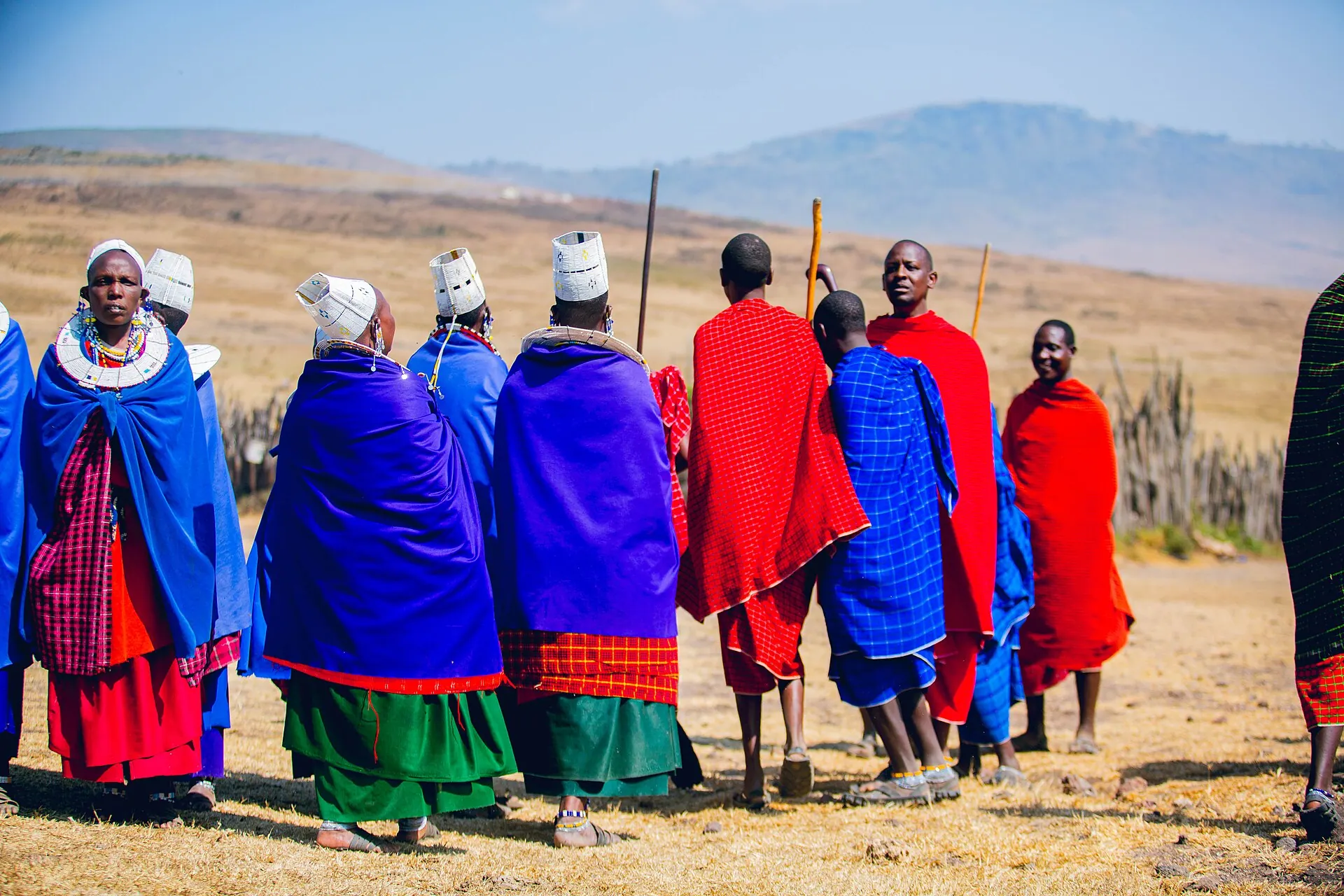
The Maasai are a Maa-speaking pastoralist people living across northern Tanzania and southern Kenya, including within the Ngorongoro Conservation Area. Visiting a community can be genuinely worthwhile when it is arranged with that community, fairly paid and honestly presented — and disappointing or intrusive when it is not.
 Adventure
Hot-Air Balloon Safari
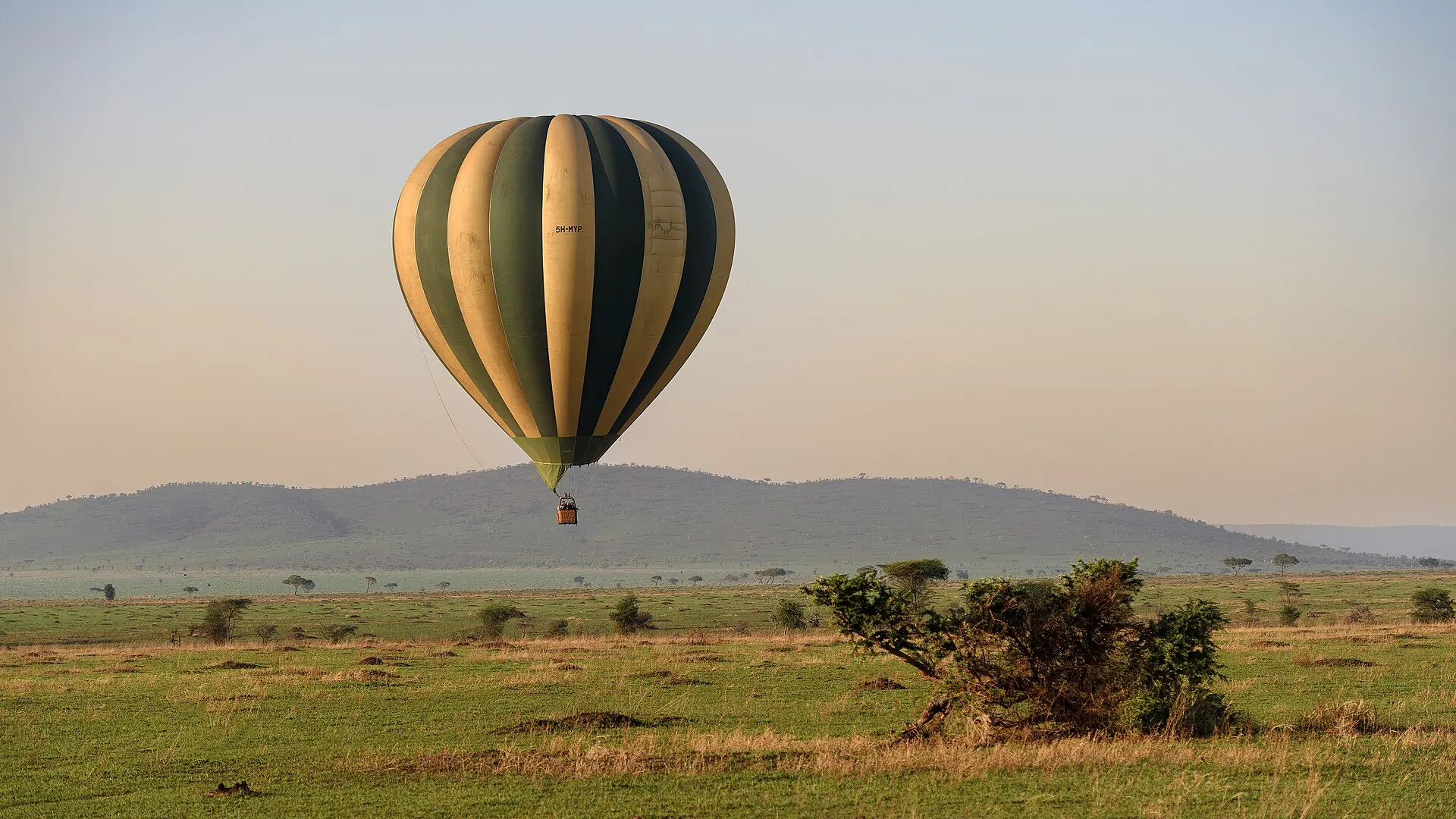
A balloon safari means a very early start, a launch as the sky lightens and roughly an hour drifting low over the plains before landing for a bush breakfast. It is the most memorable morning of many people’s safaris and also the most expensive single activity, so it is worth deciding early.
 Wildlife
Birdwatching
Tanzania is one of Africa’s richest countries for birds, with more than 1,100 species recorded. Soda lakes, savannah, coastal forest, wetland and the ancient Eastern Arc Mountains sit within a single country, and the mountain forests in particular hold species found nowhere else.
 Landscapes
Baobabs & Landscapes
Tanzania’s landscapes are as memorable as its wildlife: baobab-studded valleys, granite kopjes rising from open plains, rift escarpments, montane forest and a long, palm-lined coast. For photographers especially, the country offers scenery that stands on its own without an animal in the frame.
Journeys that visit Tarangire National Park
 7 days · 6 nights
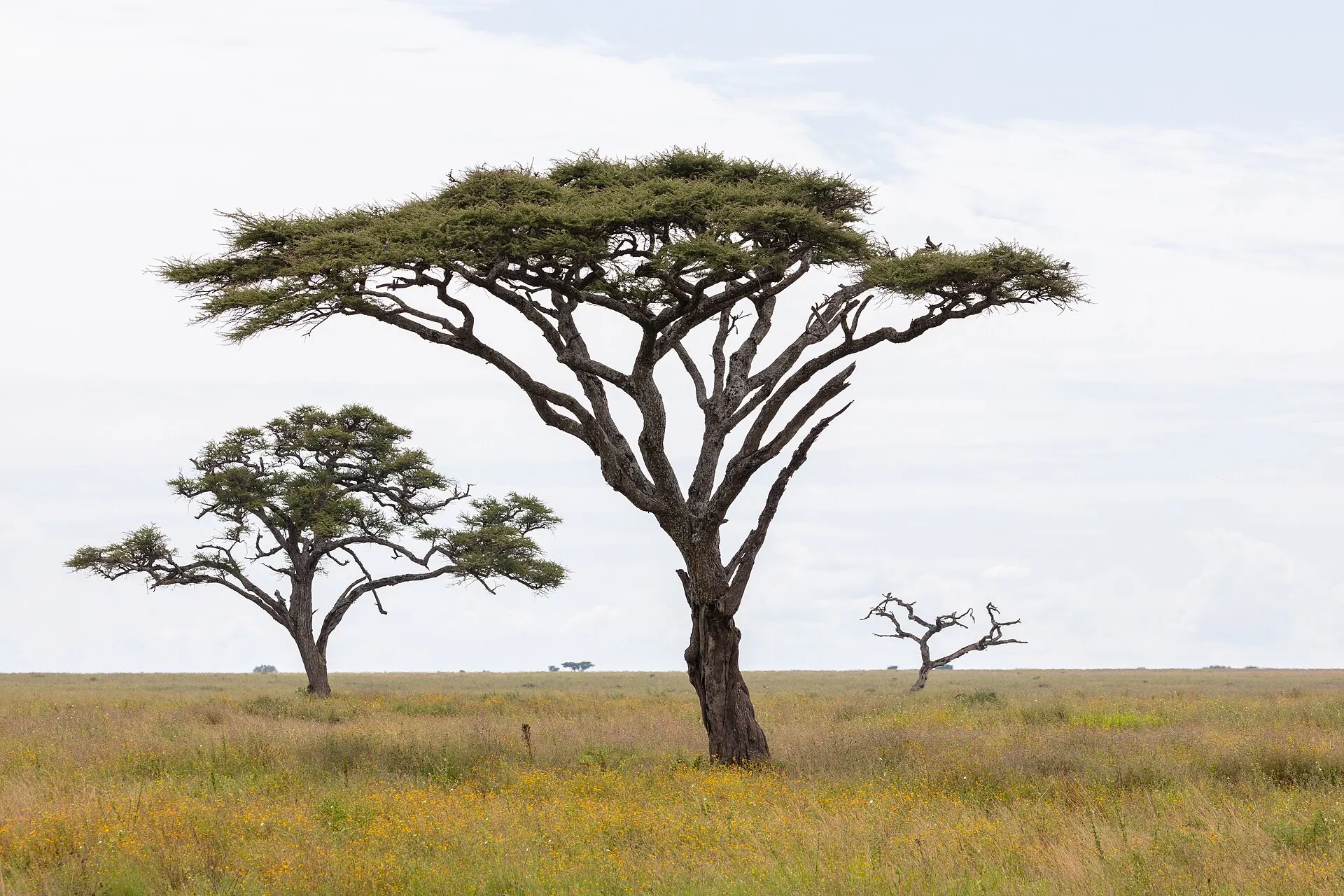
Northern Tanzania Safari
Seven days through Tarangire, Lake Manyara, the Serengeti and the Ngorongoro Crater
Arusha · Tarangire National Park · Lake Manyara National Park · Serengeti National Park · Ngorongoro Conservation Area
 10 days · 9 nights
Tanzania Safari & Zanzibar Escape
The Northern Circuit’s great parks, followed by Stone Town and the white sands of Zanzibar
Arusha · Tarangire National Park · Serengeti National Park · Ngorongoro Conservation Area · Zanzibar
 12 days · 11 nights
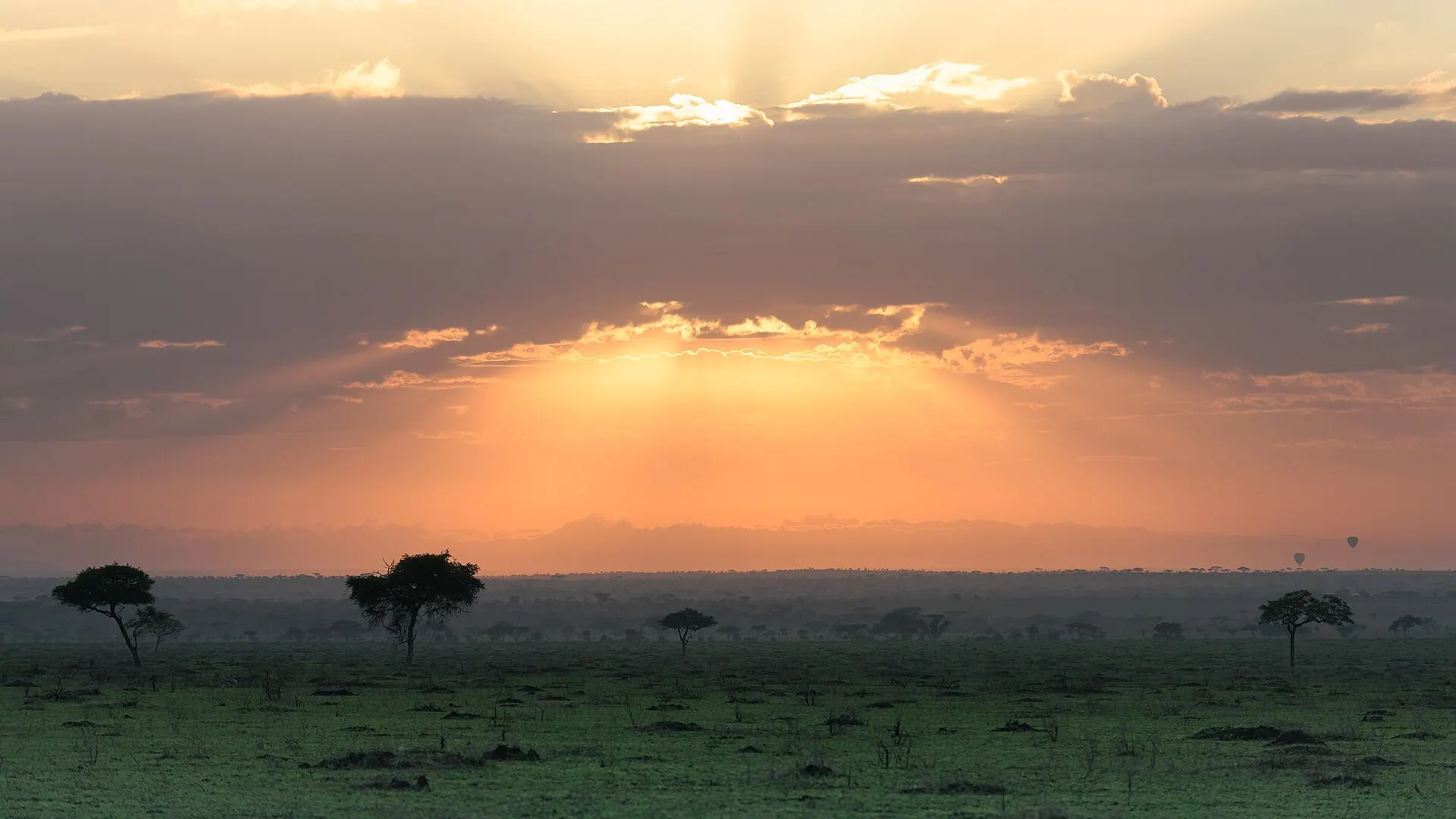
Tailor-Made Tanzania Journey
An example 12-day journey — safari, culture and beach — reshaped entirely around you
Arusha · Tarangire National Park · Serengeti National Park · Ngorongoro Conservation Area · Lake Manyara National Park · Zanzibar