Western Circuit
Gombe Stream National Park
Tanzania’s smallest national park, and the birthplace of modern chimpanzee research.
- Size
- Approximately 35 km² — the smallest national park in Tanzania
- Altitude
- From roughly 770 m at the lake shore to around 1,500 m on the escarpment
- Established
- Protected from the 1940s and gazetted as a national park in 1968 (to be confirmed)
- Best for
- Chimpanzee trekking with a unique research history, as a short, accessible add-on
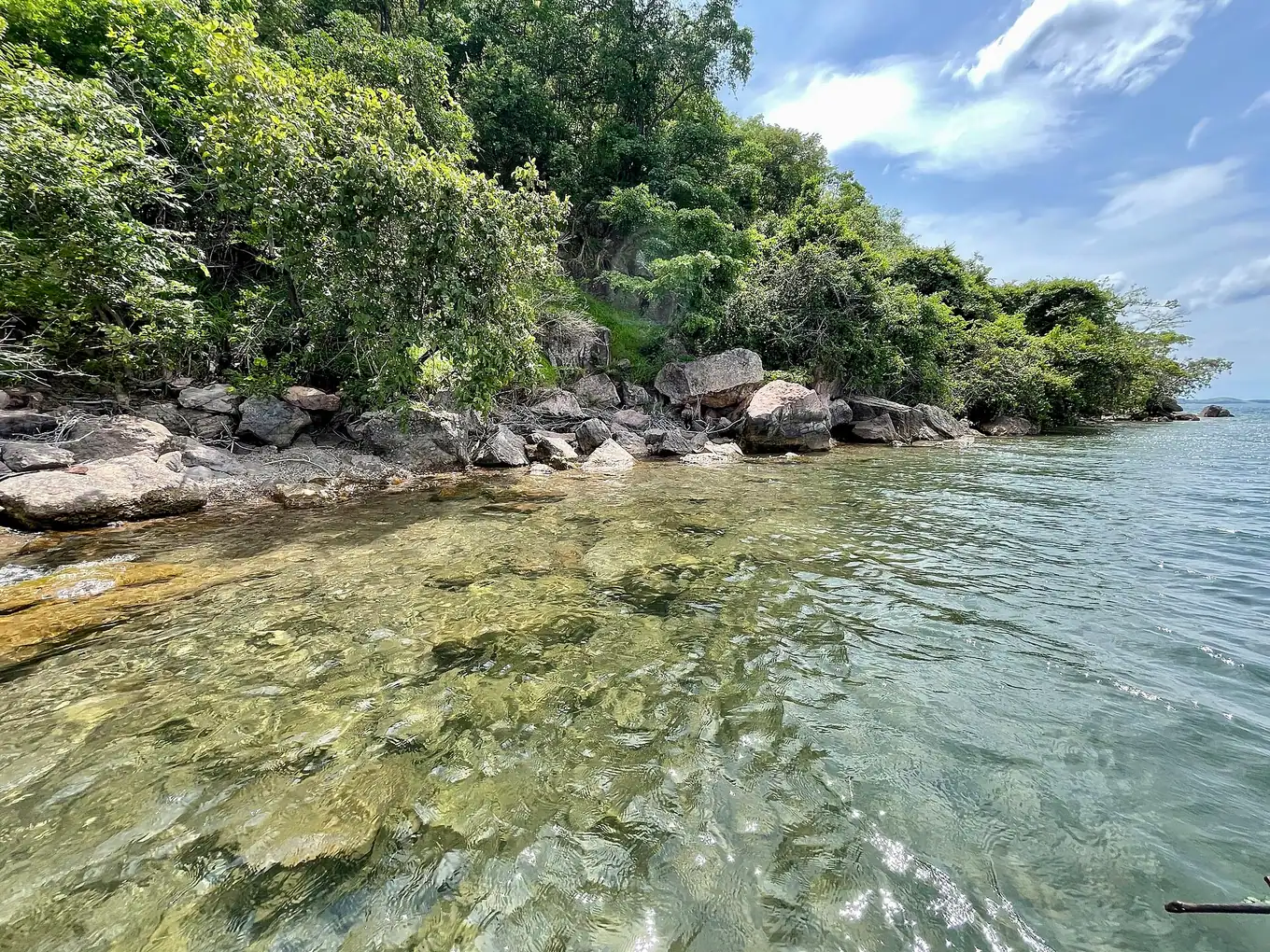
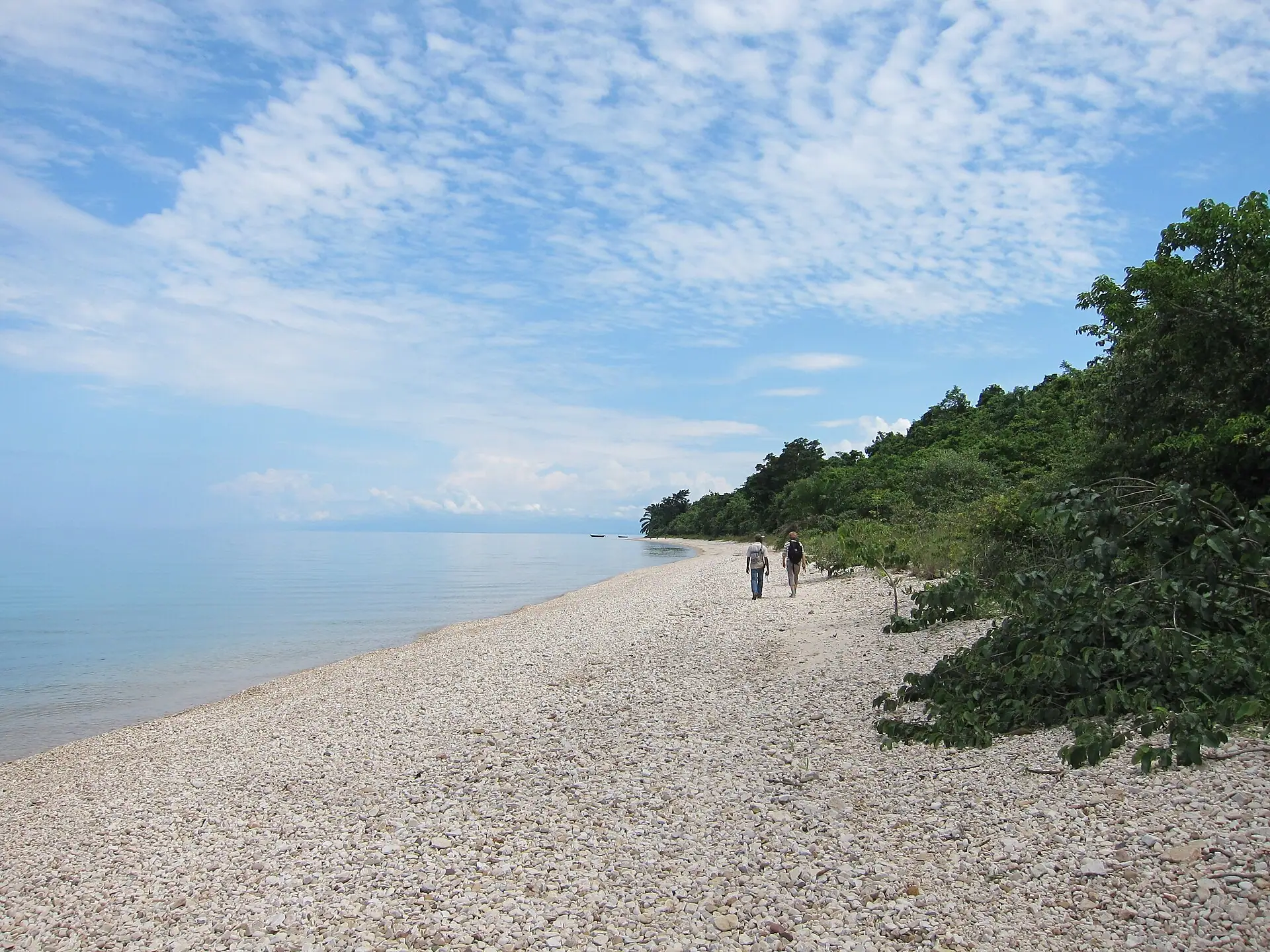
Gombe Stream National Park is the smallest national park in Tanzania, covering only about 35 km² — a steep ribbon of forest and grassland squeezed between the Rift Valley escarpment and the eastern shore of Lake Tanganyika. What it lacks in size it makes up for in significance.
In July 1960 a young British researcher named Jane Goodall arrived here to study wild chimpanzees. Her observations — chimpanzees making and using tools, hunting, and living in complex social groups — changed how science understood both chimpanzees and ourselves. The study she began is one of the longest-running field studies of any wild animal population, and researchers still follow the descendants of the chimps she first named.
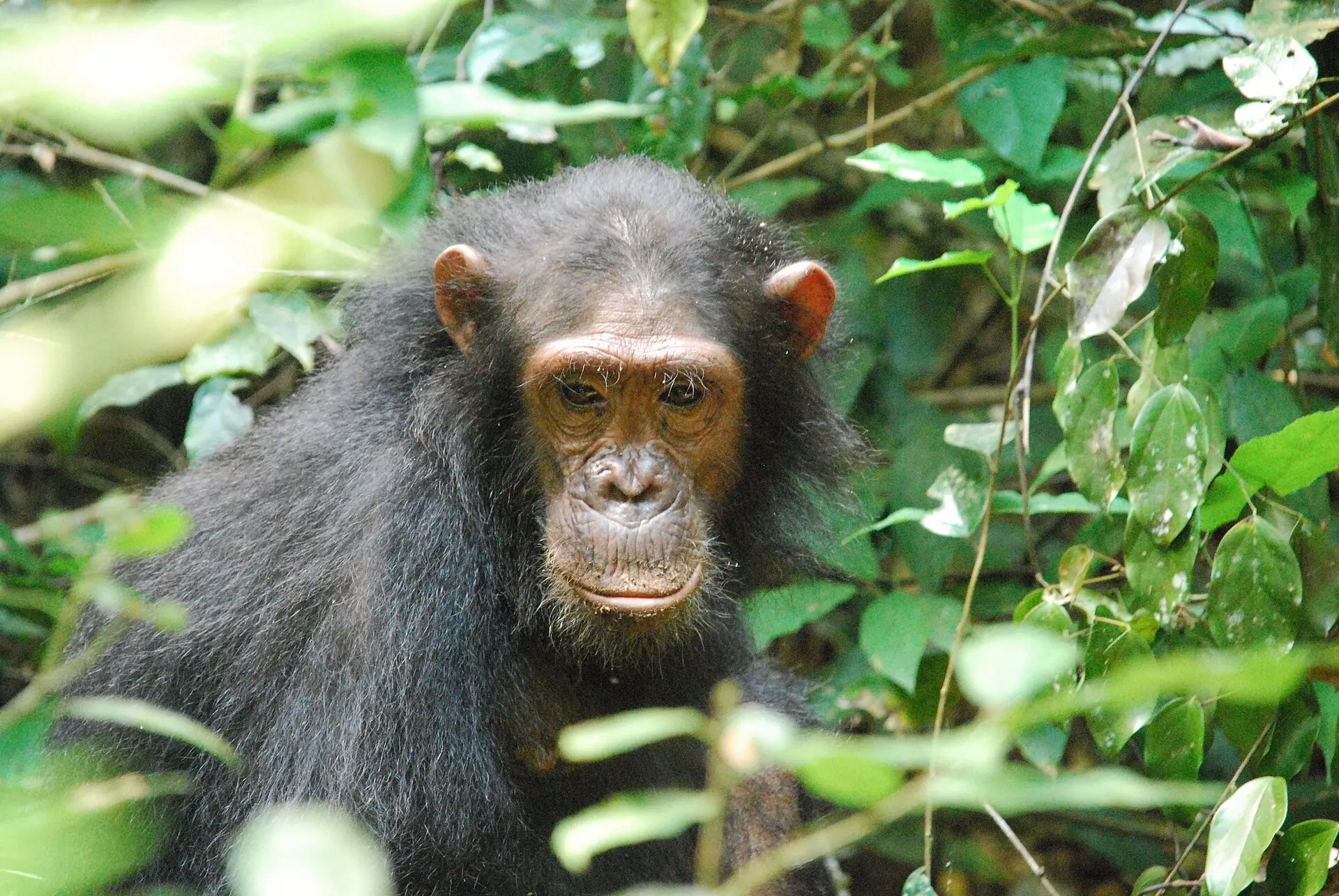
For visitors, Gombe means walking. Guides and trackers lead you up steep forested valleys to find the habituated Kasekela community, and afterwards there are waterfalls, viewpoints over the lake and a small research and visitor centre. As anywhere with wild chimpanzees, a good sighting is likely but never certain, and the walking can be hot, humid and steep.
Highlights
- Trekking to a habituated chimpanzee community on foot with a park guide
- The site of Jane Goodall’s research, ongoing since 1960
- Tanzania’s smallest national park, covering approximately 35 km²
- Arrival by boat along the shore of Lake Tanganyika
- Forest waterfalls and escarpment viewpoints over the lake
- Other primates, including red colobus and olive baboons that have themselves been studied for decades
Things to do
- Guided chimpanzee trek on foot (permit and park rules apply)
- Forest walks to the Kakombe waterfall and escarpment viewpoints
- Visit to the visitor and research information centre
- Swimming and snorkelling in Lake Tanganyika from the park beach
- Boat trip along the shoreline from or towards Kigoma
Wildlife you might see
Wildlife is wild — these are the species people hope for here, never a promise.
- Chimpanzee (the Kasekela community is habituated for visits)
- Red colobus, red-tailed monkey, blue monkey and vervet monkey
- Olive baboon, long studied at Gombe
- Bushbuck, bush pig and small forest mammals
- Forest and lakeshore birds, including fish eagles and kingfishers
Planning your visit
- Best time to go
- Trekking is possible year-round. The drier months, roughly late May to October, generally have firmer trails; the wetter months can make the steep paths slippery but the forest is at its greenest and chimps may range lower down. Conditions vary and no season guarantees easy sightings.
- Getting there
- Gombe is reached by boat from Kigoma, on the north-western shore of Lake Tanganyika — typically a couple of hours by motorboat, longer on a local lake taxi. Kigoma is served by scheduled domestic flights from Dar es Salaam and Arusha, and by the central railway line. There is no road into the park.
- Good to know
- Chimpanzee sightings are likely but not guaranteed; the chimps move freely through steep terrain.
- The trails are short in distance but genuinely steep and often hot and humid — good footwear matters.
- Health rules protect the chimps: a minimum viewing distance (approximately 10 m), face masks, limited group sizes and limited viewing time, with a typical minimum age of 12 years — all to be confirmed for the current season.
- Accommodation inside the park is very simple; many visitors combine Gombe with a night or two in Kigoma.
- Gombe is often visited as a shorter add-on, while Mahale suits travellers who want more time in the forest.
What to see here
WildlifeChimpanzee Trekking
In the far west of Tanzania, on the steep forested slopes above Lake Tanganyika, communities of wild chimpanzees have been studied and habituated for decades. Trekking to find them is a demanding, humbling walk rather than a game drive, and time with the group is deliberately limited to protect their health.
 Wildlife
Boat & Canoe Safaris
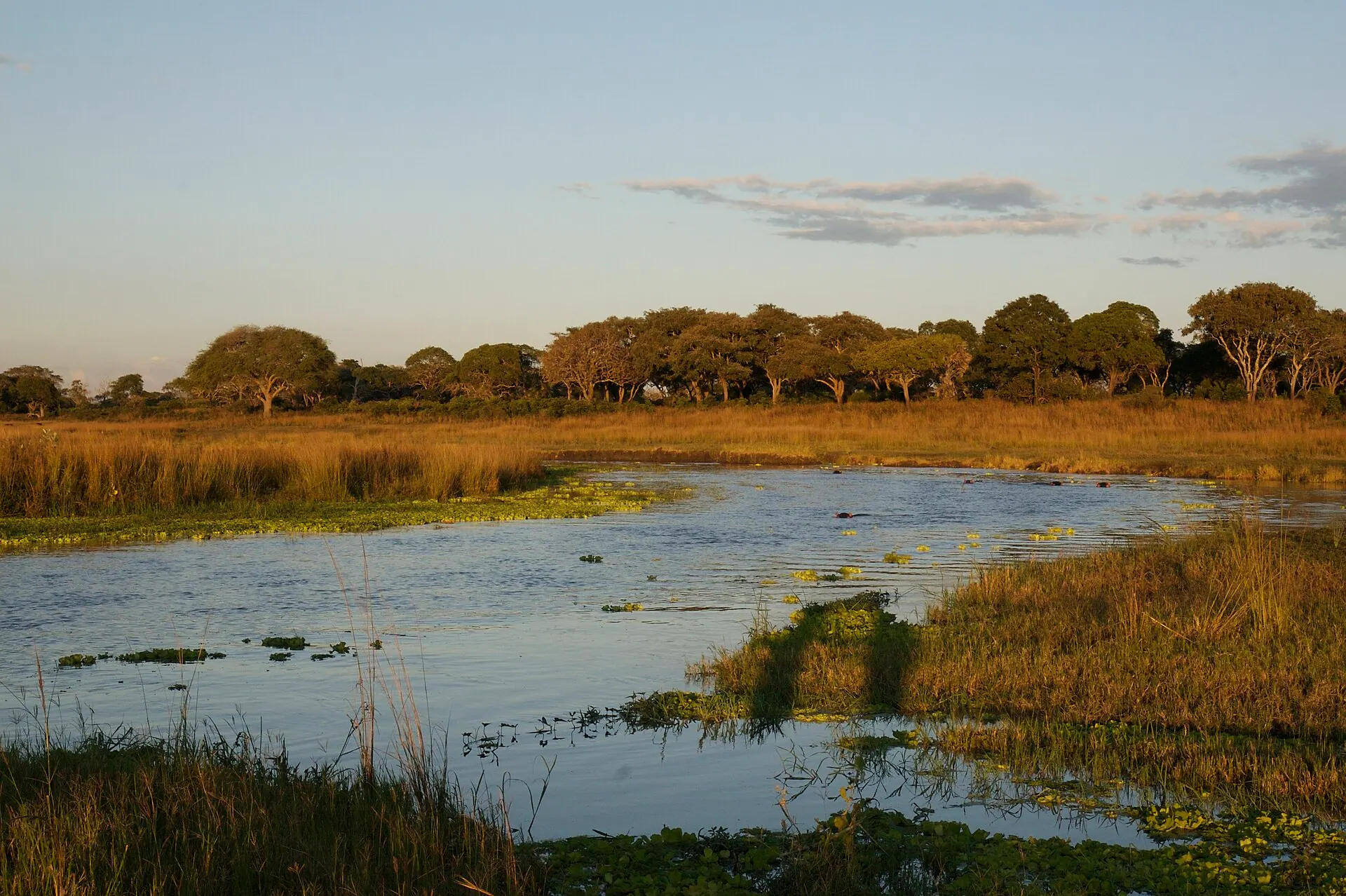
Where rivers and lakes allow it, a boat safari is one of the most relaxed ways to watch wildlife. Hippos, crocodiles, elephants coming down to drink and an enormous variety of birds are all seen from the water, usually in the soft light of late afternoon.