
Northern Circuit
Serengeti National Park
Endless plains, big cats and the Great Migration.
UNESCO World Heritage Site — Serengeti National Park, inscribed as a UNESCO World Heritage Site in 1981.
- Size
- Approximately 14,750 km²
- Altitude
- Approximately 920–1,850 m
- Established
- 1951
- Best for
- The Great Migration, big cats and wide-open plains photography
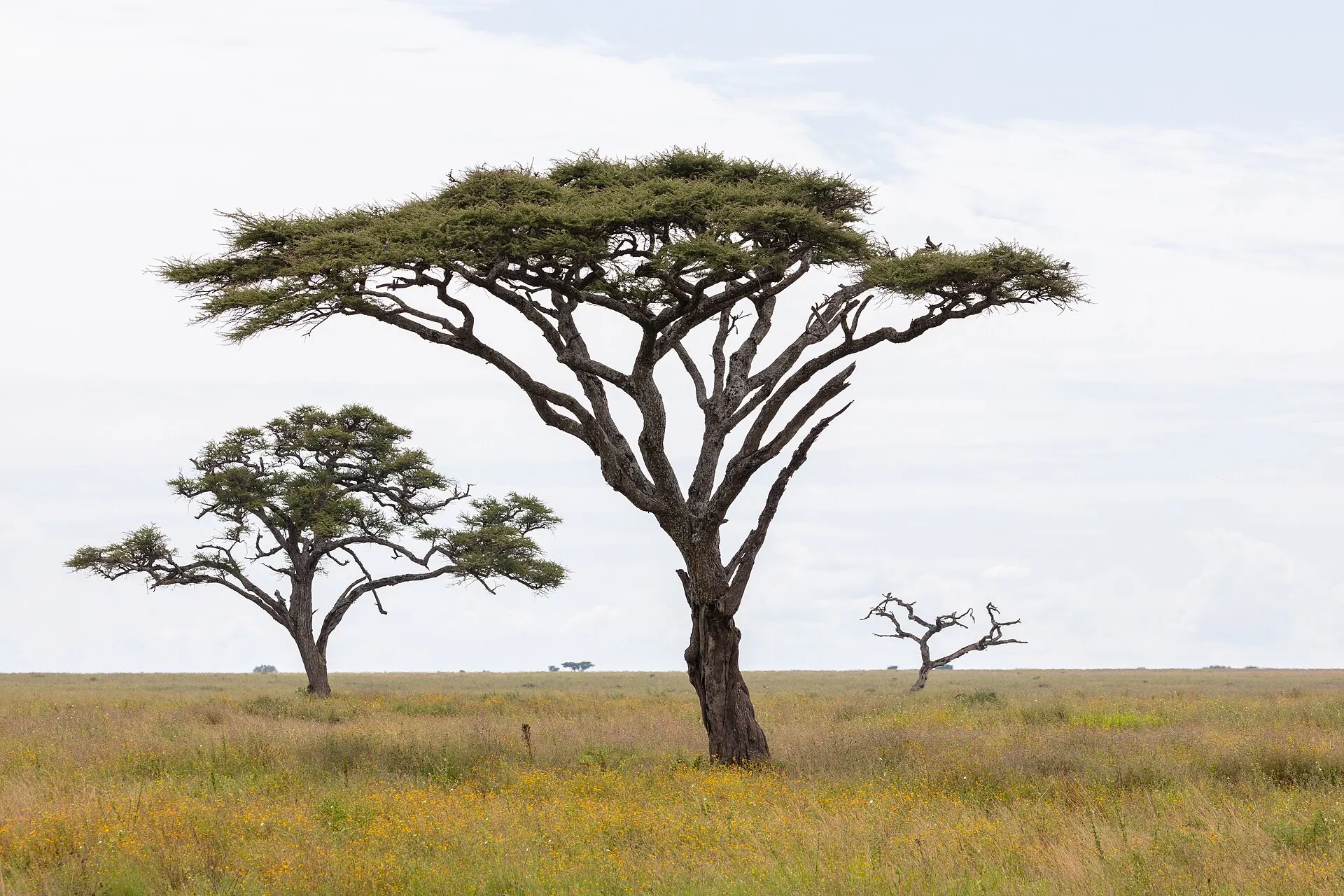
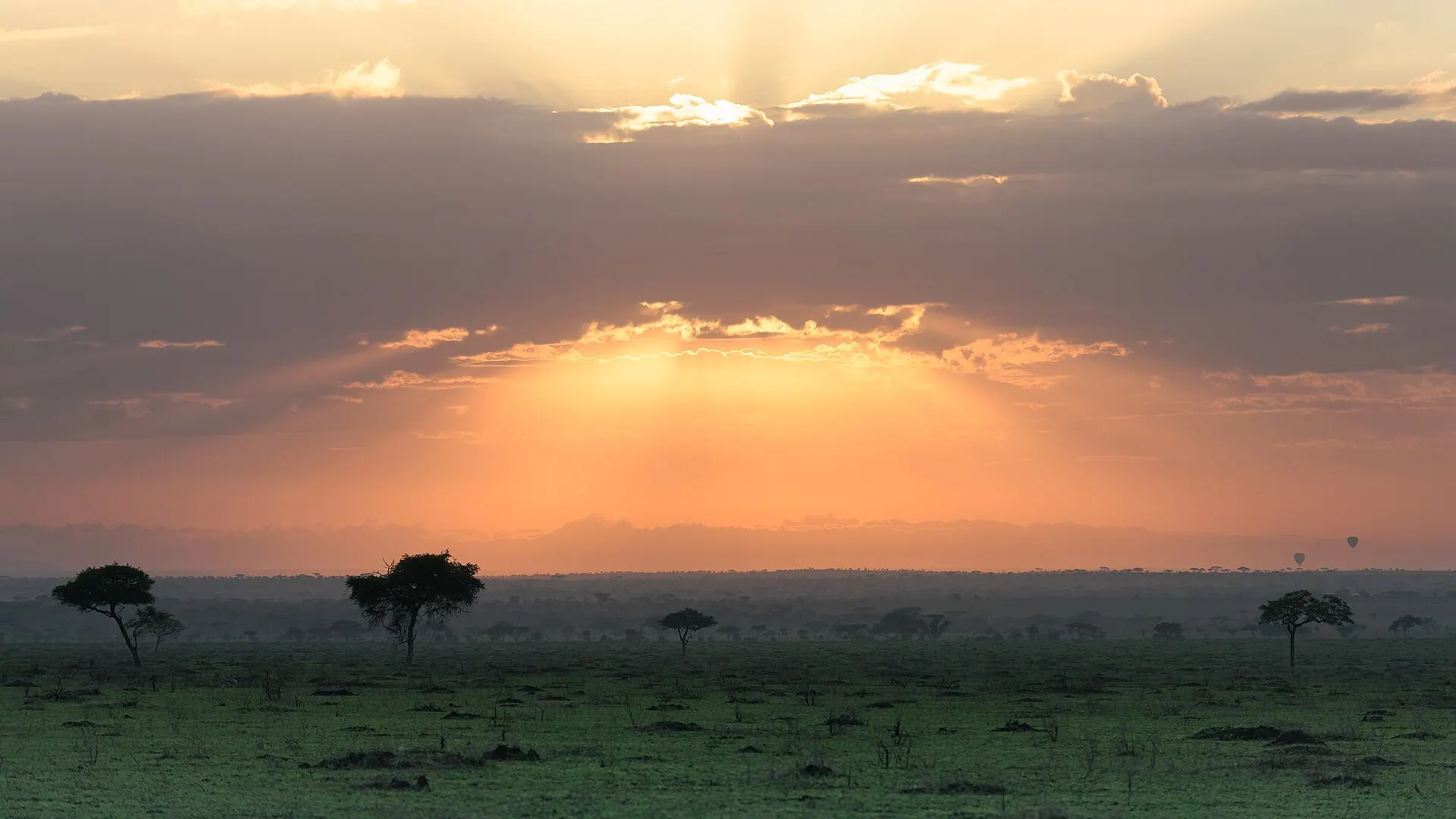
Covering roughly 14,750 km², the Serengeti is a landscape of open grassland, rocky kopjes, acacia woodland and winding rivers. Its name is often said to come from the Maa word for “endless plains” — and standing on the short-grass plains in the south, it is easy to see why.
The park is best known for the Great Migration: well over a million wildebeest, together with hundreds of thousands of zebras and gazelles, moving in a broad, year-round cycle in search of grazing and water. Their route and timing change with the rains each year, but with good planning you can position yourself in the right area for the season — from calving on the southern plains to dramatic river crossings in the north.
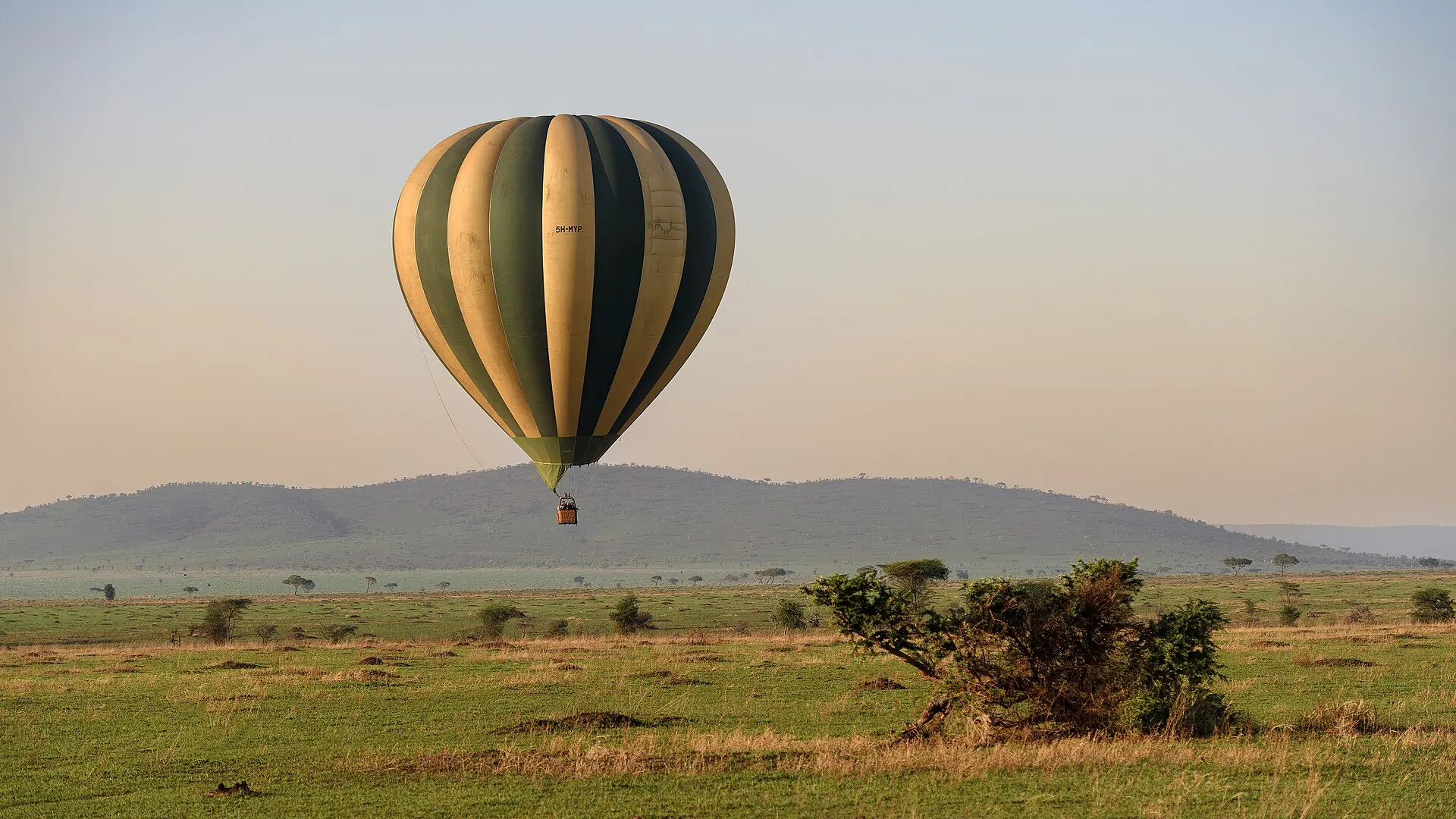
Wildlife here is excellent even away from the herds. The central Seronera area is known for resident lions, leopards and cheetahs, while the western corridor and the remote north each have their own character. A sunrise hot-air balloon flight over the plains is, for many, a once-in-a-lifetime moment.

Highlights
- The Great Migration of wildebeest and zebras, following a year-round cycle
- Calving season on the southern plains, typically around January to February
- Mara River crossings in the north, typically around July to September
- Outstanding big-cat viewing, especially in the central Seronera area
- Sunrise hot-air balloon safaris (optional, booked in advance)
- Kopjes, rivers and wide-open plains perfect for photography
- A UNESCO World Heritage Site
Things to do
- Full-day game drives with a picnic lunch
- Hot-air balloon safari at sunrise
- Migration-focused safaris based in seasonal mobile camps
- Photography-focused game drives
- Guided walks in selected concessions (where permitted)
Wildlife you might see
Wildlife is wild — these are the species people hope for here, never a promise.
- Blue wildebeest and plains zebra, in vast numbers where the Migration happens to be
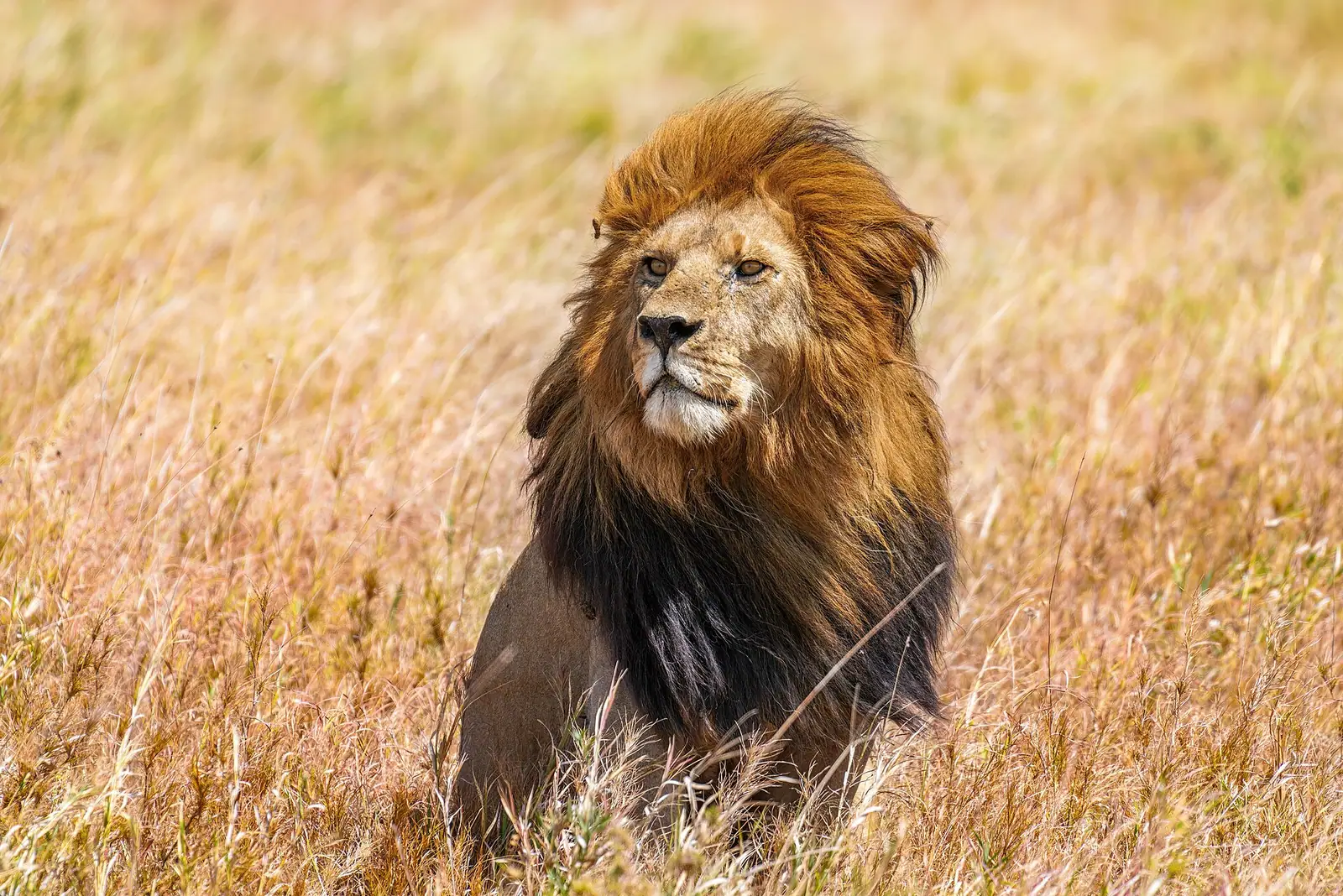
- Lion, with several well-known prides around Seronera (sightings are common but never guaranteed)
- Leopard, often along the Seronera river courses
- Cheetah on the short-grass plains
- Spotted hyena and black-backed jackal
- African elephant, Cape buffalo and Maasai giraffe
- Thomson’s and Grant’s gazelle, topi and eland
- Nile crocodile and hippo in the rivers, and secretary birds and ostriches on the plains
Planning your visit
- Best time to go
- Wildlife viewing is good year-round. The dry season (roughly June to October) is popular for general game viewing and river crossings in the north; January to February is typically calving season in the south. The long rains (roughly March to May) bring fewer visitors and green landscapes.
- Getting there
- By road from Arusha, usually via Lake Manyara and the Ngorongoro area, is a long but scenic journey (typically a full day, often broken with stops). Light aircraft fly from Arusha, Kilimanjaro and other hubs to several airstrips across the park, typically in one to two hours depending on the route.
- Good to know
- The Migration follows the rains, not the calendar — no one can guarantee exact timing, but we plan around typical patterns.
- Distances within the park are large; staying in two areas can make a big difference.
- Light-aircraft flights usually have a luggage limit of around 15 kg in soft bags.
- Balloon flights are weather-dependent and should be reserved early in busy months.
What to see here
WildlifeThe Great Migration
The Great Migration is the year-round movement of well over a million wildebeest, together with hundreds of thousands of zebras and gazelles, through the Serengeti ecosystem in search of grazing and water. It is not a single event on a fixed date but a continuous cycle, and its timing shifts with the rains every year.
Month-by-month guide
WildlifeThe Big Five
The Big Five are the African lion, leopard, elephant, Cape buffalo and rhinoceros. Tanzania is one of the few countries where all five can be seen, though they are not evenly spread and black rhino in particular are scarce. Seeing four of the five on a well-planned northern safari is realistic; seeing all five is possible but never guaranteed.
 Landscapes UNESCO
The Ngorongoro Crater
The Ngorongoro Crater is one of the world’s largest intact volcanic calderas, formed when a great volcano collapsed in on itself. Grassland, swamp, a soda lake and patches of forest on the floor support a high density of wildlife that stays largely inside the crater year-round. The wider conservation area is also a Maasai homeland and holds some of the most important early-human sites on earth.
AdventureHot-Air Balloon Safari
A balloon safari means a very early start, a launch as the sky lightens and roughly an hour drifting low over the plains before landing for a bush breakfast. It is the most memorable morning of many people’s safaris and also the most expensive single activity, so it is worth deciding early.
 Landscapes
Baobabs & Landscapes
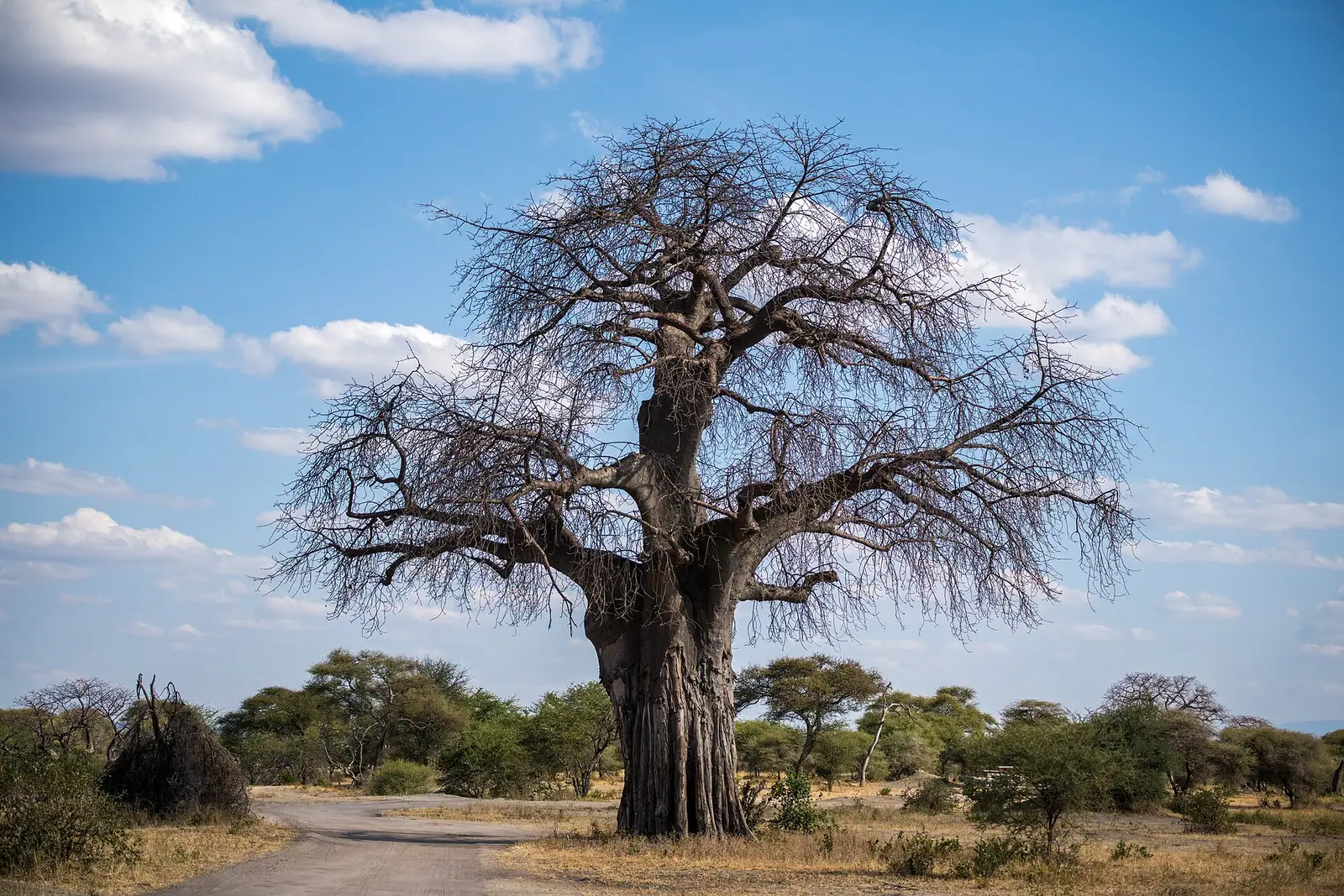
Tanzania’s landscapes are as memorable as its wildlife: baobab-studded valleys, granite kopjes rising from open plains, rift escarpments, montane forest and a long, palm-lined coast. For photographers especially, the country offers scenery that stands on its own without an animal in the frame.
Journeys that visit Serengeti National Park
7 days · 6 nightsNorthern Tanzania Safari
Seven days through Tarangire, Lake Manyara, the Serengeti and the Ngorongoro Crater
Arusha · Tarangire National Park · Lake Manyara National Park · Serengeti National Park · Ngorongoro Conservation Area
 10 days · 9 nights
Tanzania Safari & Zanzibar Escape
The Northern Circuit’s great parks, followed by Stone Town and the white sands of Zanzibar
Arusha · Tarangire National Park · Serengeti National Park · Ngorongoro Conservation Area · Zanzibar
 12 days · 11 nights
Tailor-Made Tanzania Journey
An example 12-day journey — safari, culture and beach — reshaped entirely around you
Arusha · Tarangire National Park · Serengeti National Park · Ngorongoro Conservation Area · Lake Manyara National Park · Zanzibar
Also in the Northern Circuit

Northern Circuit
Arusha
The green, lively gateway to Tanzania’s northern safari parks.

Northern Circuit
Tarangire National Park
Giant baobabs, big elephant herds and a river that draws wildlife in the dry season.
Northern Circuit
Lake Manyara National Park
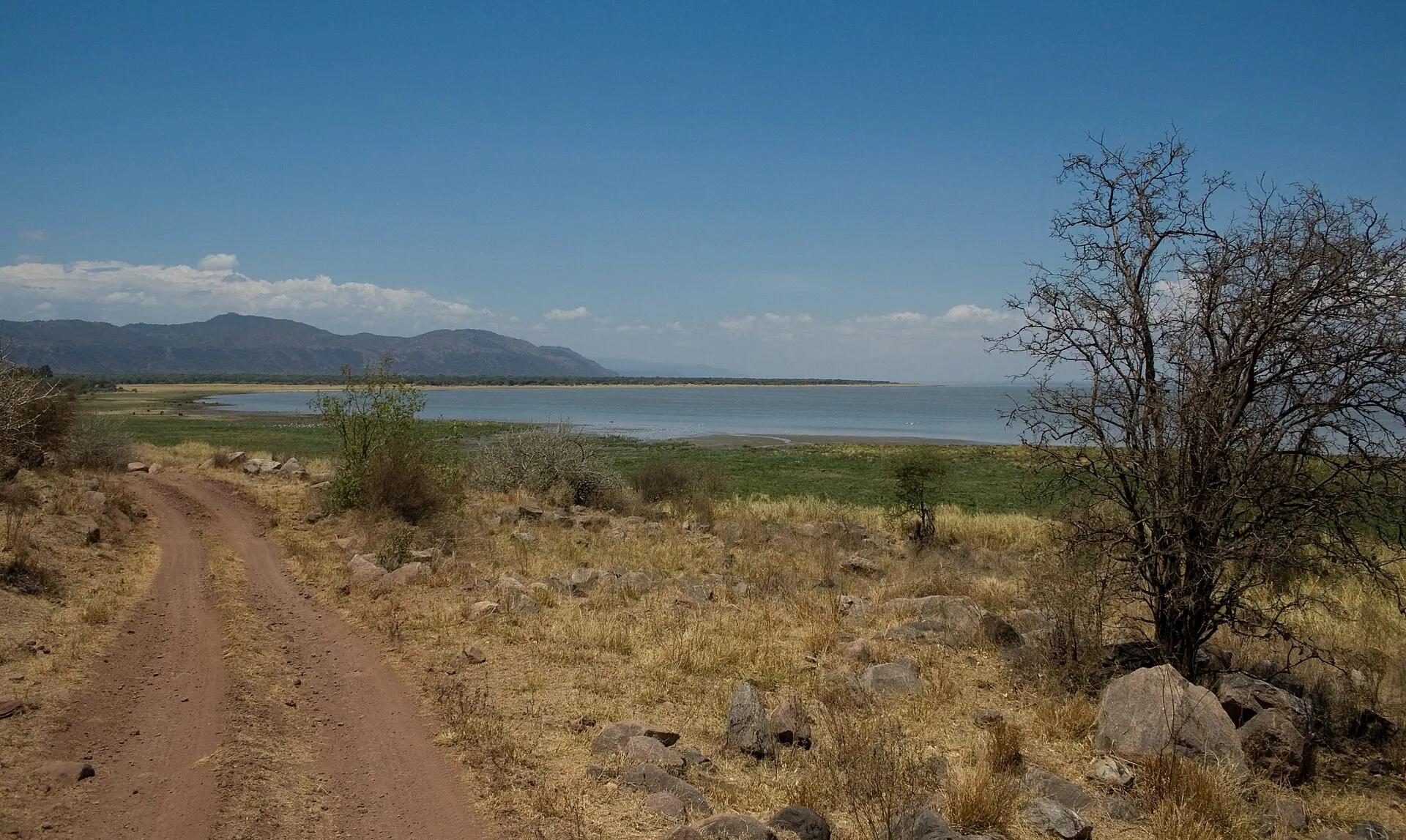
A compact, green park between the Rift Valley wall and a shimmering soda lake.