
Northern Circuit
Lake Manyara National Park
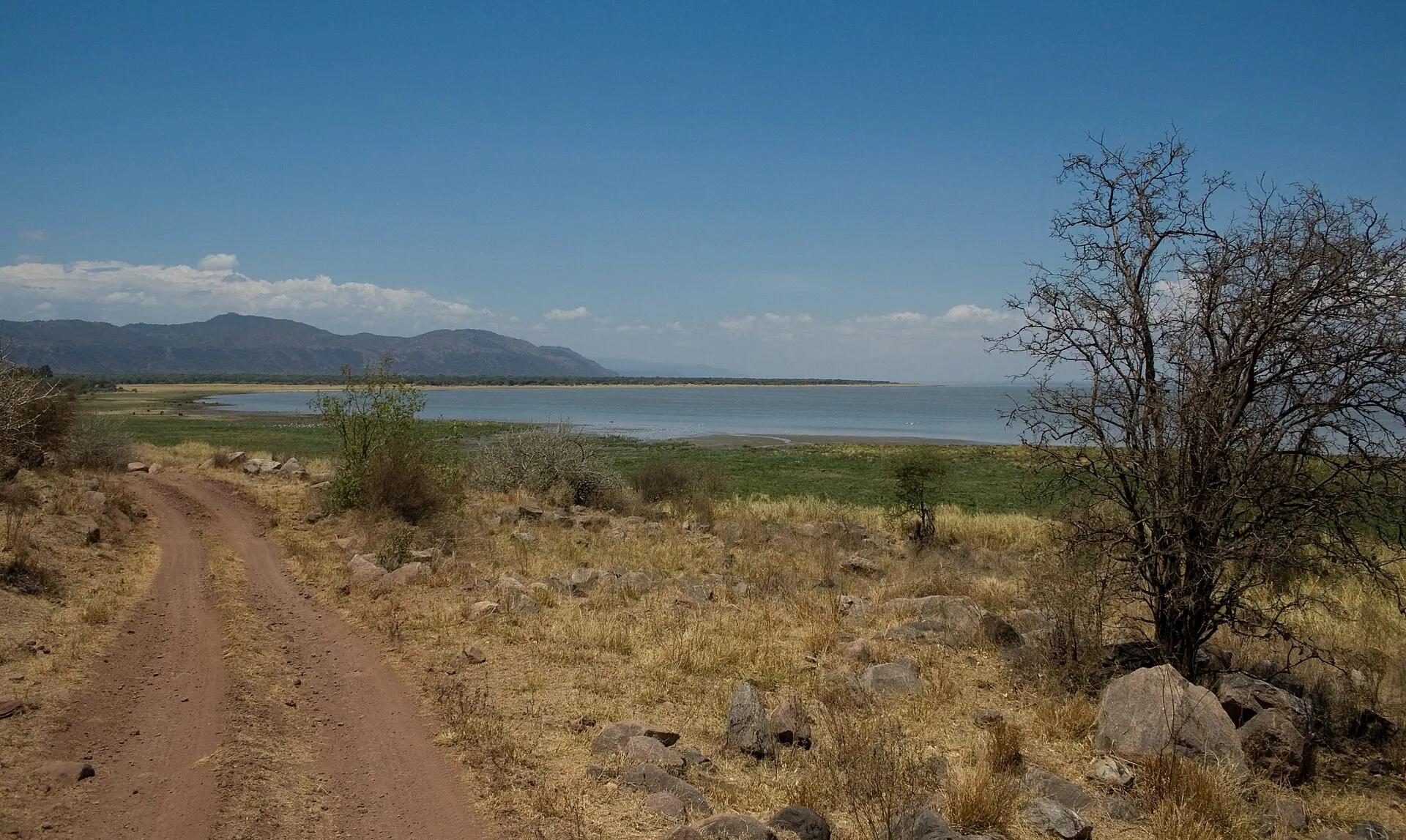
A compact, green park between the Rift Valley wall and a shimmering soda lake.
- Size
- Approximately 330 km², of which the lake itself covers roughly two thirds when full
- Altitude
- Approximately 960 m at the lake, with the Rift escarpment rising steeply behind
- Established
- 1960
- Best for
- Birdlife, forest primates and a half-day stop en route to Ngorongoro
Lake Manyara National Park lies at the base of the dramatic western wall of the Great Rift Valley. Although it is one of the smaller parks on the northern circuit, its variety of habitats — lush groundwater forest, acacia woodland, grassy floodplains and the lake shore — makes for rewarding, varied game drives.
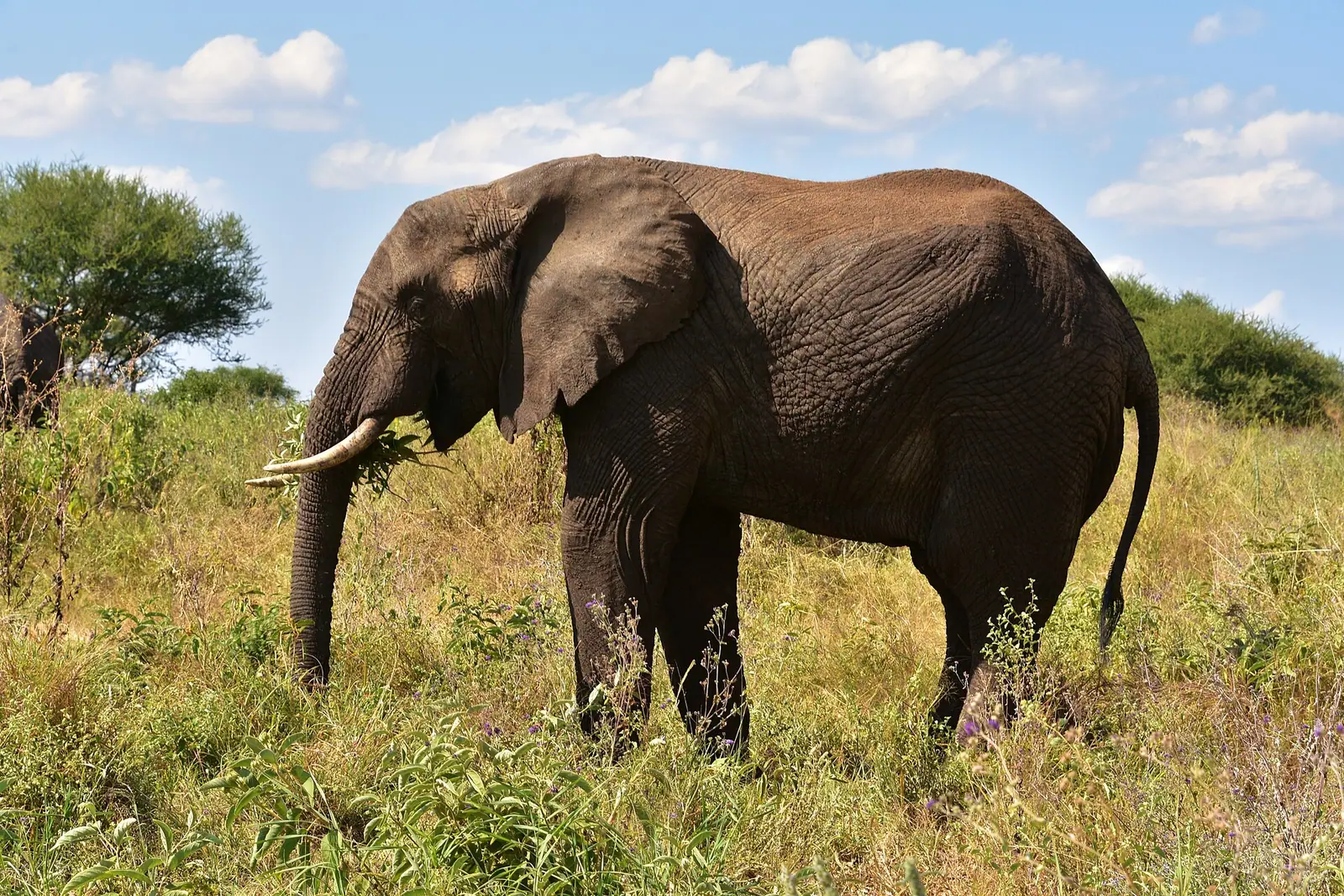
The forest near the entrance is home to troops of olive baboons and blue monkeys, while the open areas attract elephants, giraffes, buffaloes, zebras and hippos. The park is known for lions that are sometimes seen resting in trees, although sightings are never guaranteed. When water levels and conditions are right, flamingos and many other water birds gather on the lake.
Just outside the park, the busy town of Mto wa Mbu is one of the most culturally diverse communities in Tanzania and a good place for a community-run village walk, a bicycle tour or a taste of local food.

Highlights
- Dramatic views of the Great Rift Valley escarpment
- Groundwater forest with baboons and blue monkeys
- Chance of seeing tree-climbing lions (not guaranteed)
- Flamingos and water birds, depending on season and lake levels
- Easy to combine with Tarangire and Ngorongoro
- Village walks and cycling around Mto wa Mbu
Things to do
- Half-day or full-day game drives
- Birdwatching around the lake shore
- Community-run cultural walks or bicycle tours in Mto wa Mbu
- Canopy walkway or canoeing (where operating and conditions allow)
- Scenic stops on the Rift Valley escarpment
Wildlife you might see
Wildlife is wild — these are the species people hope for here, never a promise.
- Olive baboon, in some of the largest troops in East Africa
- Blue monkey in the groundwater forest
- African elephant and Cape buffalo
- Hippo at the hippo pools
- Lion, occasionally resting in trees (a well-known local behaviour, but never guaranteed)
- Maasai giraffe, zebra and impala
- Greater and lesser flamingo, pelicans and storks, depending on lake levels
Planning your visit
- Best time to go
- Lake Manyara can be visited year-round. The dry season (roughly June to October) is best for general game viewing, while the wetter months (roughly November to May) are lush and often excellent for birds.
- Getting there
- Typically around two hours by road from Arusha, on the main route towards Karatu, the Ngorongoro Crater and the Serengeti.
- Good to know
- Many travellers visit as a half-day game drive en route to Ngorongoro.
- Flamingo numbers vary a lot from year to year and season to season.
- Accommodation is often in or around Mto wa Mbu or Karatu, near the Ngorongoro highlands.
What to see here
 Wildlife
The Big Five
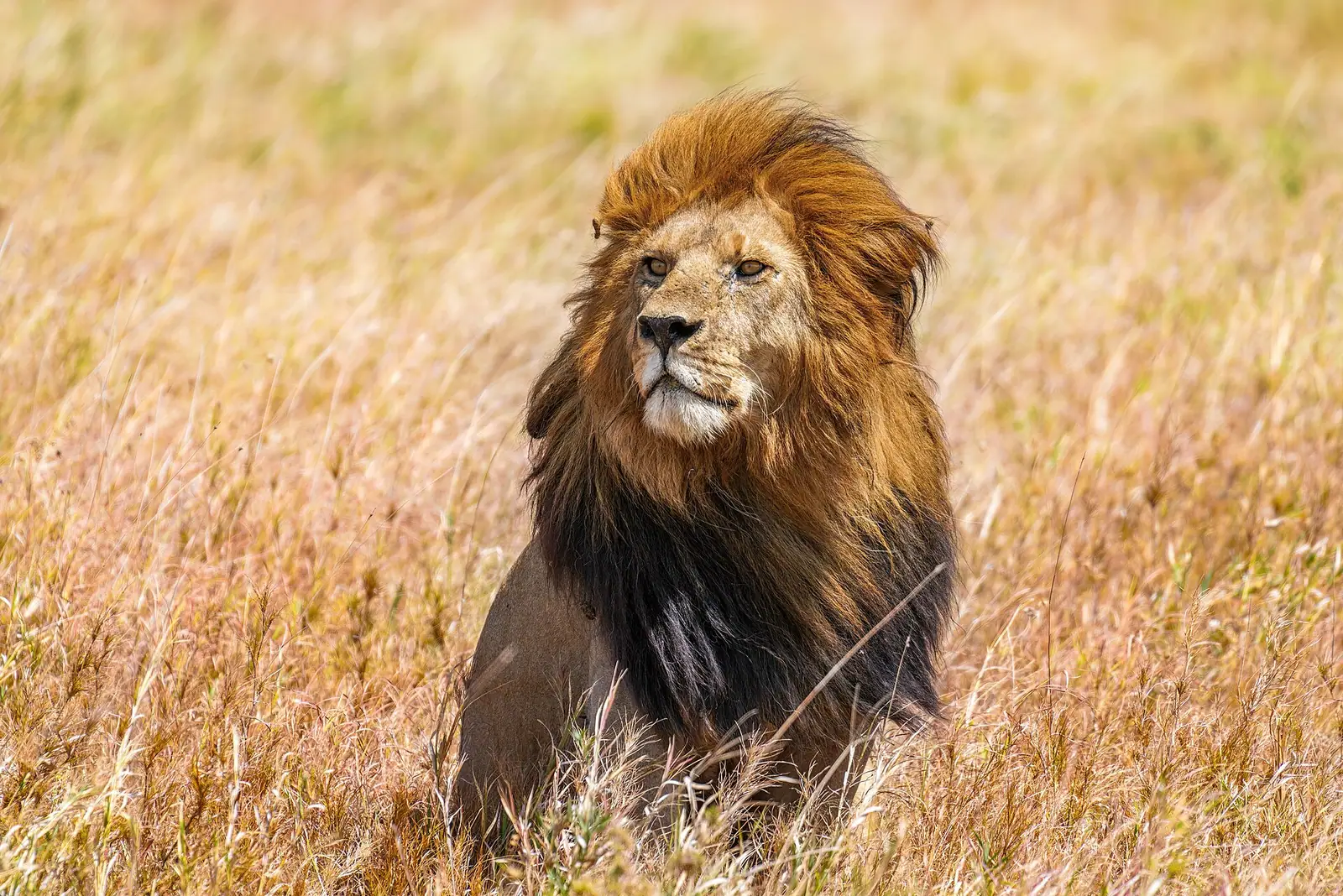
The Big Five are the African lion, leopard, elephant, Cape buffalo and rhinoceros. Tanzania is one of the few countries where all five can be seen, though they are not evenly spread and black rhino in particular are scarce. Seeing four of the five on a well-planned northern safari is realistic; seeing all five is possible but never guaranteed.
 Landscapes
The Great Rift Valley
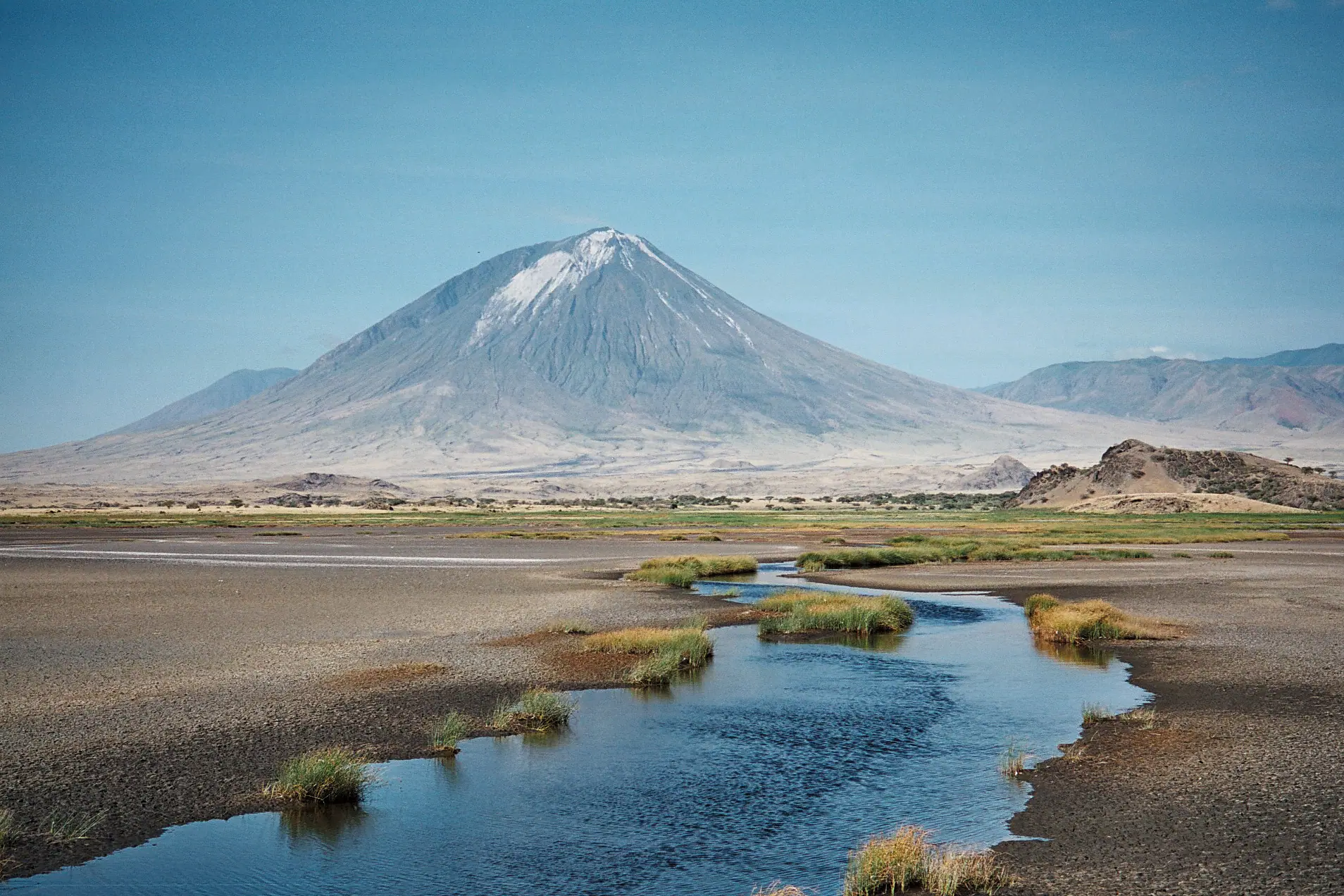
Tanzania sits astride the East African Rift, where the continent is gradually splitting along a system of faults. The Eastern branch gives northern Tanzania its towering escarpments, alkaline lakes and volcanoes, including the active Ol Doinyo Lengai; the Western branch holds Lake Tanganyika, one of the deepest lakes on earth.
 Wildlife
Flamingos & Soda Lakes
Northern Tanzania’s alkaline lakes look hostile — shallow, salty and often too caustic for fish — yet they support blooms of algae that feed flamingos in their thousands. Numbers move constantly between lakes with water levels and food, so a lake that was pink last month may be almost empty this one.
 Culture & History
Hadzabe & Datoga
Around Lake Eyasi live the Hadzabe, among the last communities in Africa where some families still rely substantially on hunting and gathering, and the Datoga, pastoralists known for their metalworking. Visits can be meaningful, but only when they are agreed with the community, fairly paid and free of pressure to perform.
WildlifeBirdwatching
Tanzania is one of Africa’s richest countries for birds, with more than 1,100 species recorded. Soda lakes, savannah, coastal forest, wetland and the ancient Eastern Arc Mountains sit within a single country, and the mountain forests in particular hold species found nowhere else.
Journeys that visit Lake Manyara National Park
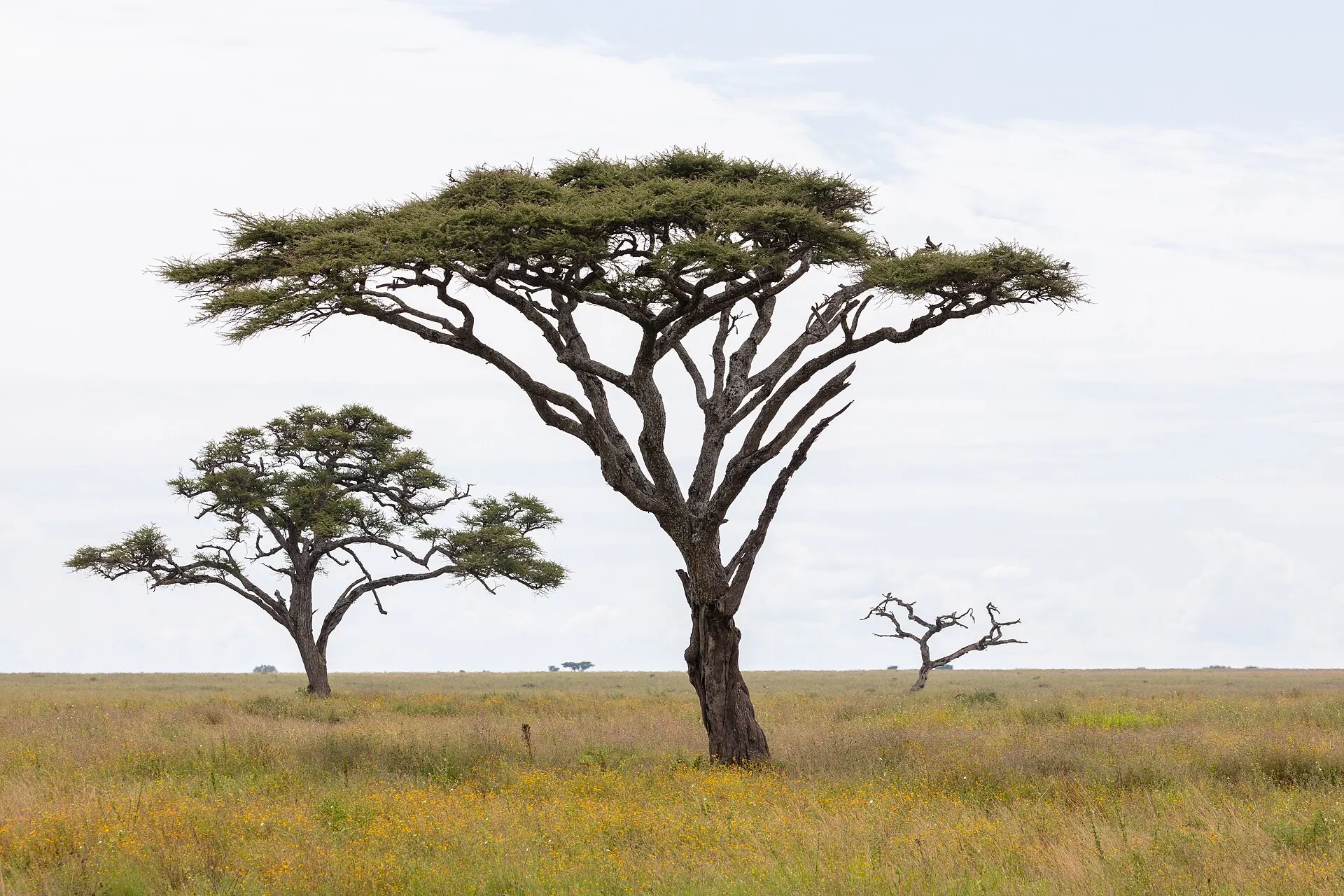 7 days · 6 nights
Northern Tanzania Safari
Seven days through Tarangire, Lake Manyara, the Serengeti and the Ngorongoro Crater
Arusha · Tarangire National Park · Lake Manyara National Park · Serengeti National Park · Ngorongoro Conservation Area
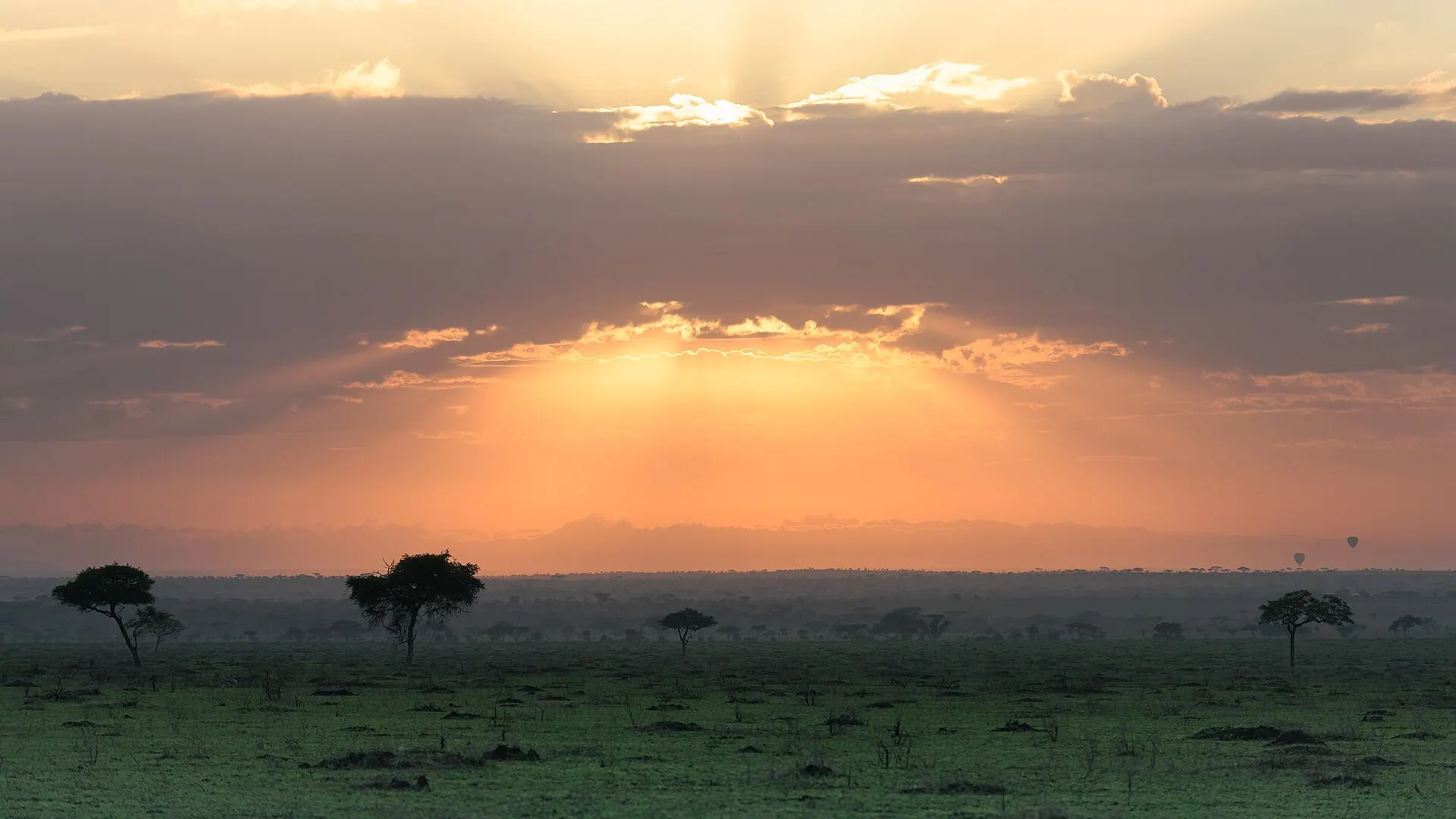 12 days · 11 nights
Tailor-Made Tanzania Journey
An example 12-day journey — safari, culture and beach — reshaped entirely around you
Arusha · Tarangire National Park · Serengeti National Park · Ngorongoro Conservation Area · Lake Manyara National Park · Zanzibar

