Central & Highlands
Usambara Mountains
Cool green mountains, ancient rainforest and village paths above the plains.
- Altitude
- Lushoto sits at approximately 1,400 m; the range rises to roughly 2,300 m
- Established
- Part of the Eastern Arc Mountains, protected in a patchwork of forest reserves and nature reserves
- Best for
- Walking, birding, endemic forest plants and rural Tanzania at its most welcoming
The Usambara Mountains are part of the Eastern Arc, a chain of ancient crystalline mountains running from southern Kenya through Tanzania. Because they have caught moisture off the Indian Ocean more or less continuously for millions of years, their forests have survived long periods when the surrounding lowlands dried out. The result is an extraordinary concentration of species found nowhere else — the Eastern Arc is often described as one of the world’s most important places for endemic plants and animals.
The range is usually divided into the West Usambaras, centred on the old colonial-era hill town of Lushoto at roughly 1,400 m, and the wetter East Usambaras around Amani. Lushoto is the practical base: cool, green, easy to reach, and surrounded by a web of footpaths linking villages, farms, viewpoints and forest reserves. Nothing here is a manicured tourist product; you walk through people’s fields and are greeted all the way.
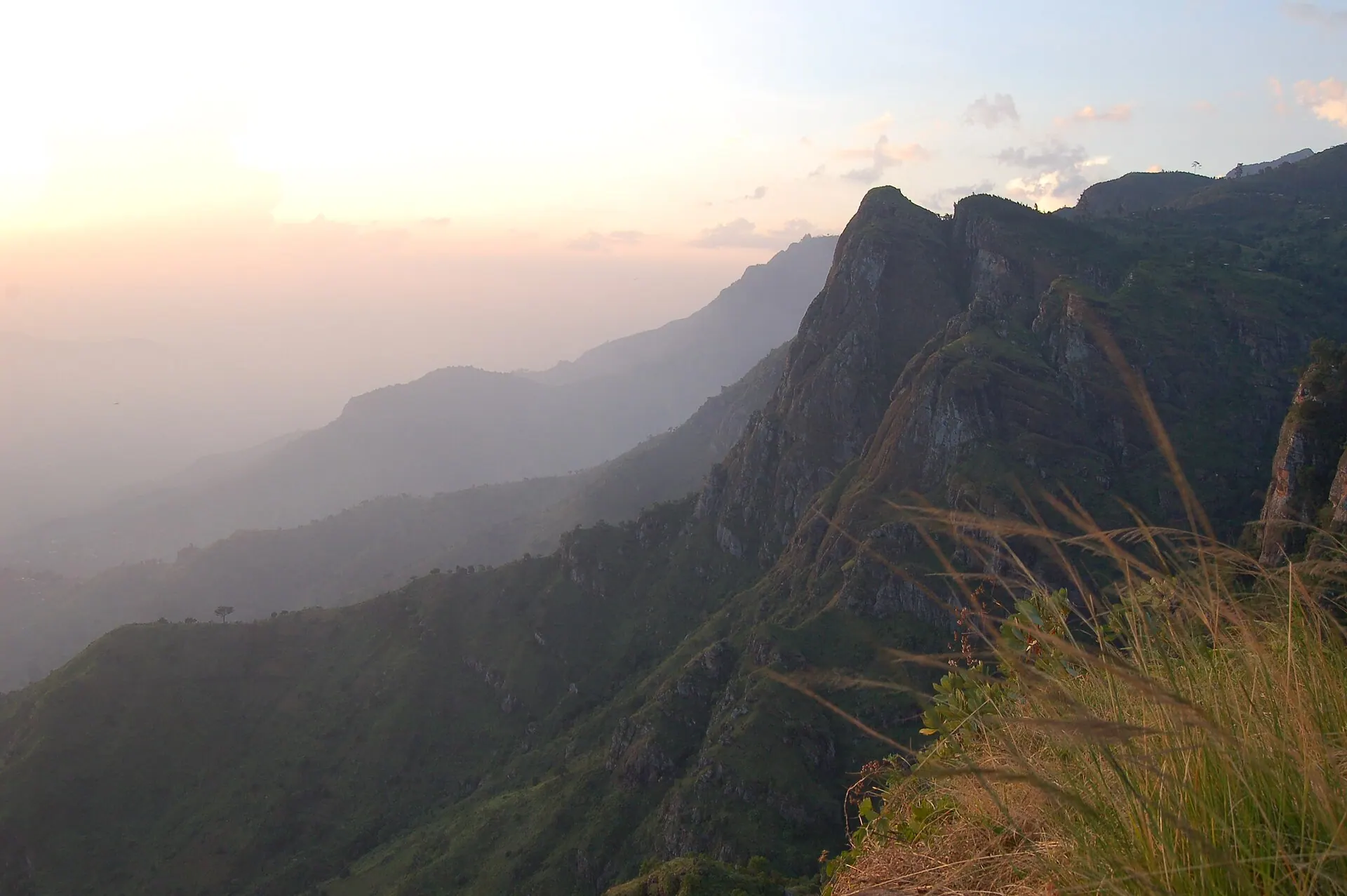
The classic short walk is out to the Irente viewpoint, where the plateau ends abruptly and the land drops away hundreds of metres to the Maasai plains below — on a clear day the view runs for tens of kilometres. Longer options string several days of village-to-village walking together, staying in simple guesthouses. Add forest walks at Magamba or Mazumbai for birds and endemic plants, and this is the gentlest, greenest, least safari-like corner of northern Tanzania. The African violet, sold in flower shops worldwide, grows wild in these mountains.
Highlights
- The Irente viewpoint, where the escarpment falls away to the plains far below
- Eastern Arc rainforest at Magamba, Mazumbai or Amani, rich in endemic plants and birds
- Village-to-village walking, from a half day to several days with simple guesthouses
- Cool, comfortable temperatures and green terraced farmland year-round
- Local produce — cheese, bread and jam at Irente, plus fruit, spices and vegetables from the farms
- Community-run guides and homestays that keep income in the villages
- Very few other visitors compared with the safari circuit
Things to do
- Guided day walk to the Irente viewpoint and surrounding villages
- Multi-day village-to-village trek with simple guesthouse or homestay nights
- Forest walk in Magamba or Mazumbai looking for endemic birds and plants
- Birdwatching with a specialist local guide
- Visits to farms, a cheese-making project and local markets around Lushoto
- Mountain biking on the plateau tracks, where bikes are available
Wildlife you might see
Wildlife is wild — these are the species people hope for here, never a promise.
- Black-and-white colobus monkey in the forest reserves
- Blue monkey and bushbaby
- Usambara eagle-owl and other Eastern Arc endemic birds (localised and hard to find)
- Turacos, hornbills and greenbuls in the forest canopy
- Usambara three-horned chameleon and other endemic chameleons
- Bushbuck and duiker in the forest patches
- Butterflies in great variety, especially after rain
Planning your visit
- Best time to go
- Walking is comfortable year-round thanks to the altitude. The drier and clearest months are roughly June to October and late December to February; the long rains (roughly March to May) turn the paths to mud and often hide the views, though the forest is at its most spectacular.
- Getting there
- Lushoto is reached by road via Mombo on the Dar es Salaam–Arusha highway, and the climb from Mombo up the escarpment typically takes around an hour. Overall the drive is usually around four to five hours from Arusha or Moshi, and considerably longer from Dar es Salaam. Many travellers use the Usambaras as a break on the overland journey between the northern circuit and the coast.
- Good to know
- It is genuinely cool at this altitude, especially in the evenings and from June to August — bring a fleece and a waterproof.
- Paths can be steep and slippery; proper walking shoes make a real difference.
- Accommodation is simple — guesthouses, small lodges and homestays rather than safari camps.
- Use local guides: they know the paths, the forest and the families, and guiding is an important source of village income.
- Ask before photographing people, homes or farm work.
What to see here
 Wildlife
Birdwatching
Tanzania is one of Africa’s richest countries for birds, with more than 1,100 species recorded. Soda lakes, savannah, coastal forest, wetland and the ancient Eastern Arc Mountains sit within a single country, and the mountain forests in particular hold species found nowhere else.
 Landscapes
Baobabs & Landscapes
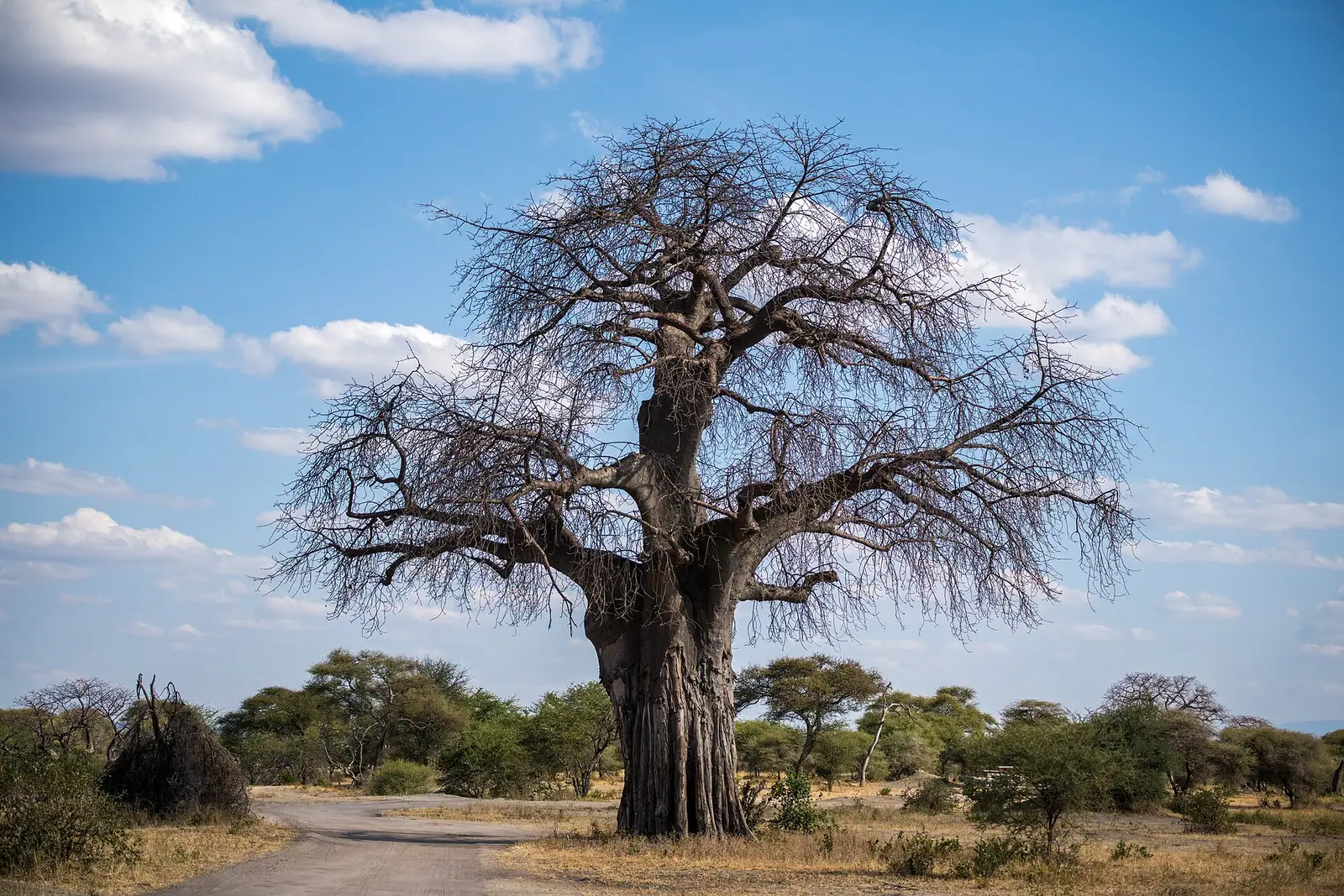
Tanzania’s landscapes are as memorable as its wildlife: baobab-studded valleys, granite kopjes rising from open plains, rift escarpments, montane forest and a long, palm-lined coast. For photographers especially, the country offers scenery that stands on its own without an animal in the frame.