

Southern Circuit
Mikumi National Park
The open floodplain park that makes a real safari possible in just a couple of days.
- Size
- Approximately 3,200 km²
- Altitude
- Roughly 550 m on the floodplain, rising into the surrounding hills
- Established
- Gazetted as a national park in 1964 and later extended (to be confirmed)
- Best for
- A short, accessible safari from Dar es Salaam or Morogoro
Mikumi National Park covers roughly 3,200 km² in southern Tanzania, bordered by the Uluguru Mountains to the north-east and the Lumango range to the south-west. It shares a boundary with Nyerere National Park, and the two form part of the same much larger ecosystem.
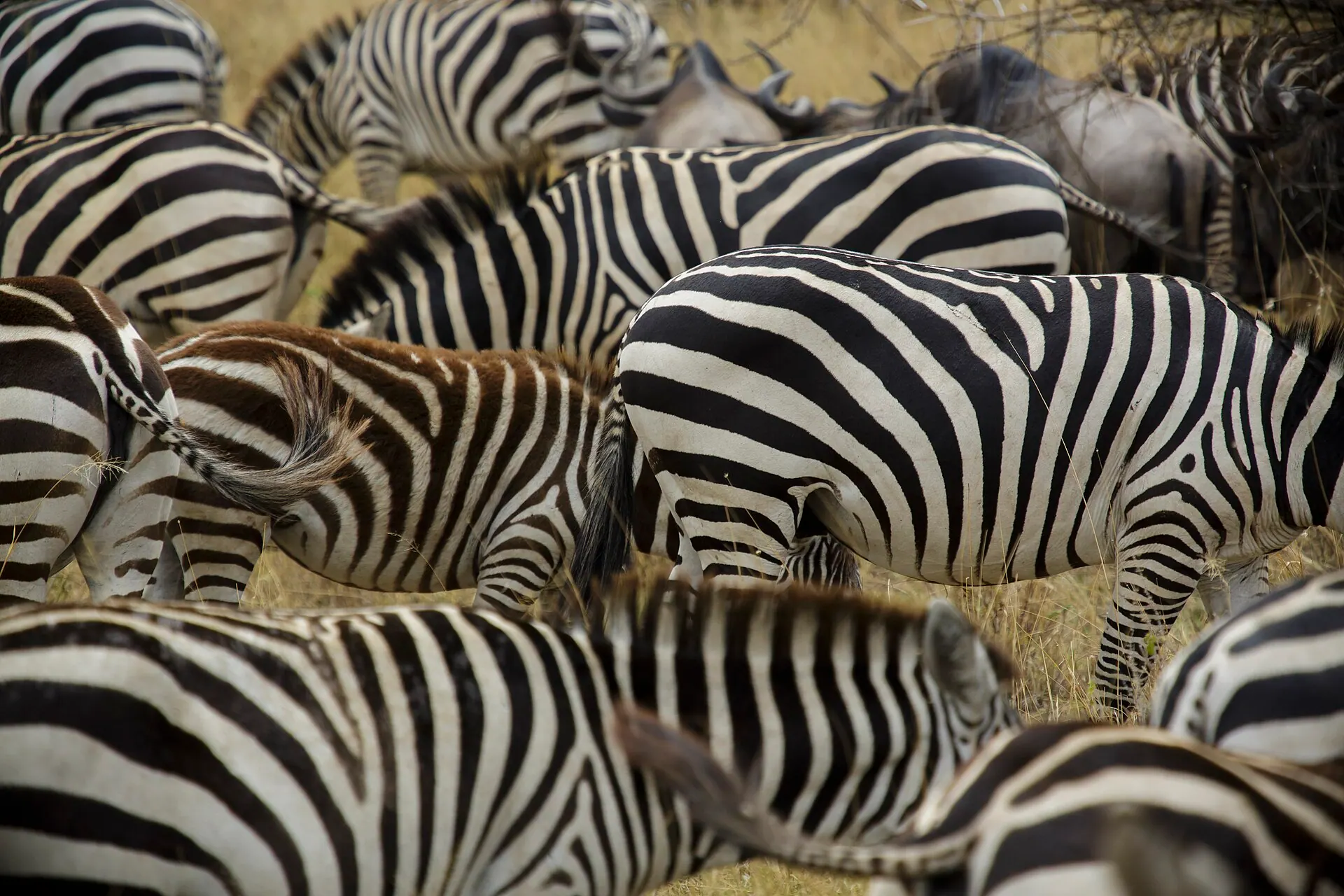
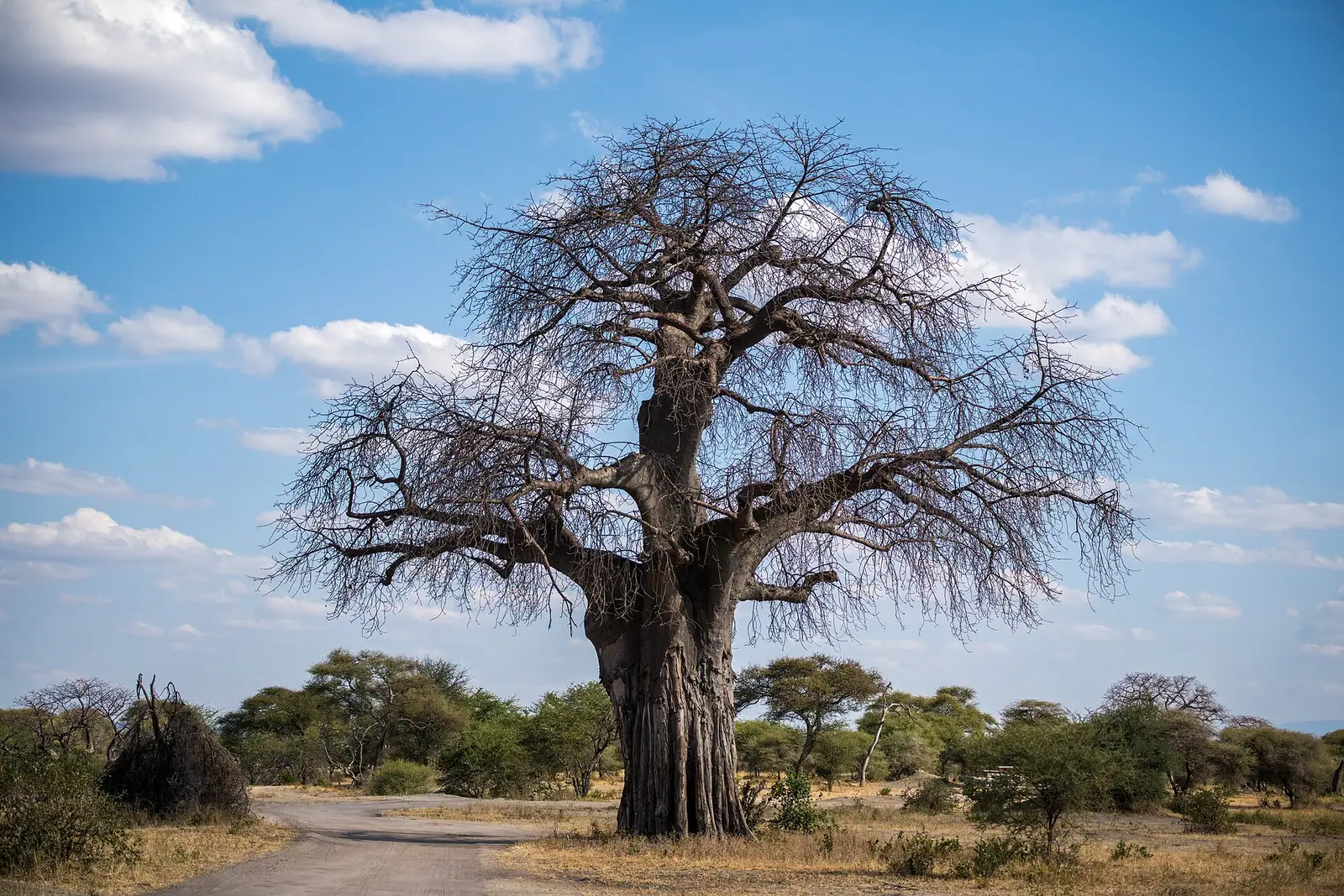
The heart of the park is the Mkata floodplain: broad, open grassland dotted with acacia, borassus palms and baobabs, where herds of zebra, wildebeest, impala and buffalo are easy to see against a mountain backdrop. The comparison with the Serengeti is about the look of the landscape and the openness of the game viewing rather than the scale of the wildlife, but it is a fair one, and lions, elephants and giraffes are all regularly encountered.
What makes Mikumi genuinely useful is its accessibility. The surfaced Dar es Salaam–Iringa highway runs through the park, so it can be reached in a morning’s drive from the coast — which turns a long weekend into a real safari, or fills the gap between Dar es Salaam, the Udzungwa Mountains and the southern circuit beyond.
Highlights
- The open Mkata floodplain, with excellent visibility for game viewing
- The most accessible national park from Dar es Salaam, reachable by road
- Zebra, wildebeest, impala, buffalo and giraffe in good numbers
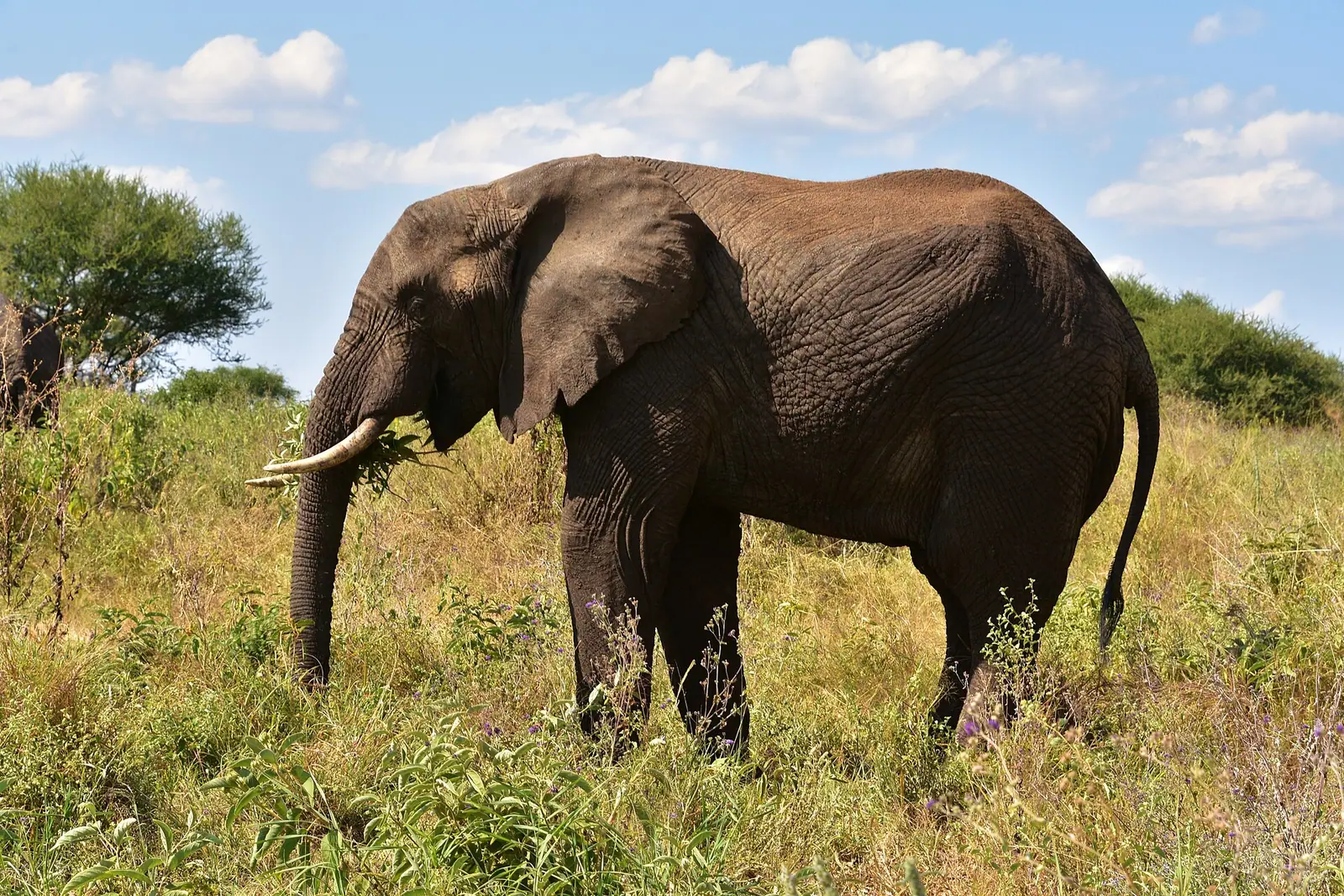
- Lion and elephant regularly seen; leopard and wild dog present but rarely encountered
- Hippo pools near the northern part of the park
- A practical short safari, and a natural first or last stop on a southern circuit
- Combines easily with the Udzungwa Mountains for wildlife plus rainforest walking
Things to do
- Morning, afternoon and full-day game drives on the Mkata floodplain
- Short safaris of one to three nights from Dar es Salaam
- Birdwatching, particularly rewarding in the green season
- Visits to the hippo pools
- Guided walking safaris in designated areas (where permitted)
Wildlife you might see
Wildlife is wild — these are the species people hope for here, never a promise.
- Zebra, wildebeest, impala and buffalo on the floodplain
- Elephant and Masai giraffe
- Lion, with leopard, spotted hyena and wild dog present but less often seen
- Hippopotamus and crocodile at the pools
- Eland, greater kudu and sable antelope in the hillier areas
- Yellow baboon and vervet monkey
- Over 400 bird species recorded, including lilac-breasted roller and bateleur (figure to be confirmed)
Planning your visit
- Best time to go
- The dry season, roughly June to October, offers the easiest game viewing as animals gather near water and the grass is short. The green season (roughly November to May) is lush, excellent for birds and much quieter, though grass can be long and some tracks muddy.
- Getting there
- By road from Dar es Salaam on the surfaced highway, typically around four to five hours depending on traffic leaving the city. Morogoro is closer still, roughly two hours away. Light aircraft also serve an airstrip in the park, and the park lies on the natural road route towards the Udzungwa Mountains, Iringa and Ruaha.
- Good to know
- The main highway crosses the park and carries heavy traffic — wildlife is sometimes killed on this stretch, and a reduced speed limit applies.
- Because it is close to Dar es Salaam, Mikumi can be busier at weekends and on public holidays than the remote southern parks.
- Game viewing here is good rather than spectacular; travellers with more time usually pair it with Nyerere or Ruaha.
- It can be hot and humid, particularly from around October to March.
- Tsetse flies are present in wooded areas; neutral-coloured clothing helps.
What to see here
Also in the Southern Circuit

Southern Circuit
Nyerere National Park
Boat safaris on the Rufiji River in one of Africa’s great wildernesses.

Southern Circuit
Ruaha National Park
Remote, rugged and full of big cats and elephants.

Southern Circuit
Udzungwa Mountains National Park
Eastern Arc rainforest, tall waterfalls and primates found nowhere else on earth.