

Attractions
What to see in Tanzania
One country holds the Great Migration, Africa’s highest mountain, chimpanzee forests, ancient Swahili cities and the coral reefs of the Indian Ocean. Here is what draws travellers — and where to find each of them.
Highlights
The experiences travellers ask for most
Every one of these can be built into your journey — on its own, or combined.
WildlifeThe Great Migration
The Great Migration is the year-round movement of well over a million wildebeest, together with hundreds of thousands of zebras and gazelles, through the Serengeti ecosystem in search of grazing and water. It is not a single event on a fixed date but a continuous cycle, and its timing shifts with the rains every year.
Month-by-month guide
 Wildlife
The Big Five
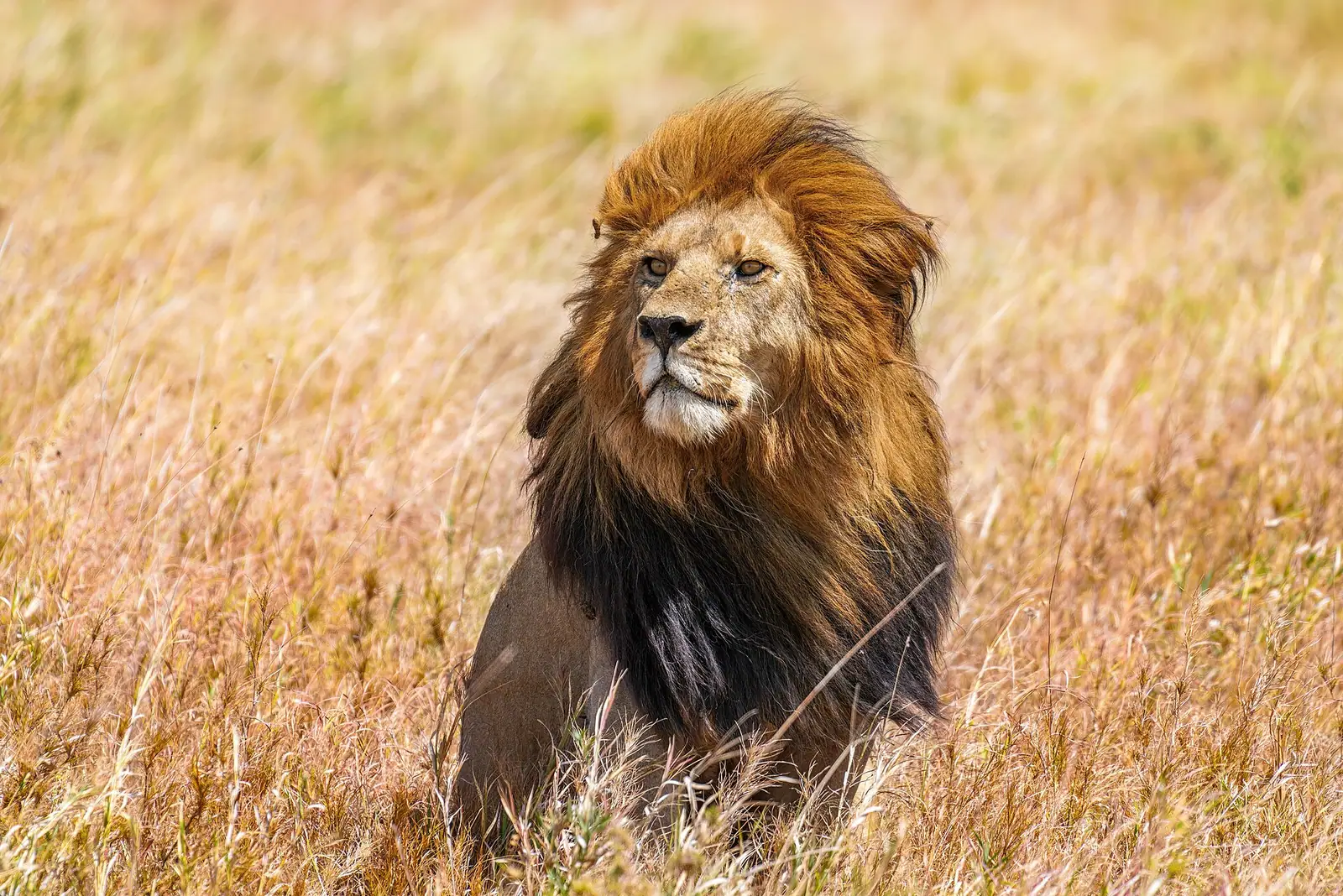
The Big Five are the African lion, leopard, elephant, Cape buffalo and rhinoceros. Tanzania is one of the few countries where all five can be seen, though they are not evenly spread and black rhino in particular are scarce. Seeing four of the five on a well-planned northern safari is realistic; seeing all five is possible but never guaranteed.
 Landscapes UNESCO
The Ngorongoro Crater
The Ngorongoro Crater is one of the world’s largest intact volcanic calderas, formed when a great volcano collapsed in on itself. Grassland, swamp, a soda lake and patches of forest on the floor support a high density of wildlife that stays largely inside the crater year-round. The wider conservation area is also a Maasai homeland and holds some of the most important early-human sites on earth.
 Adventure UNESCO
The Roof of Africa
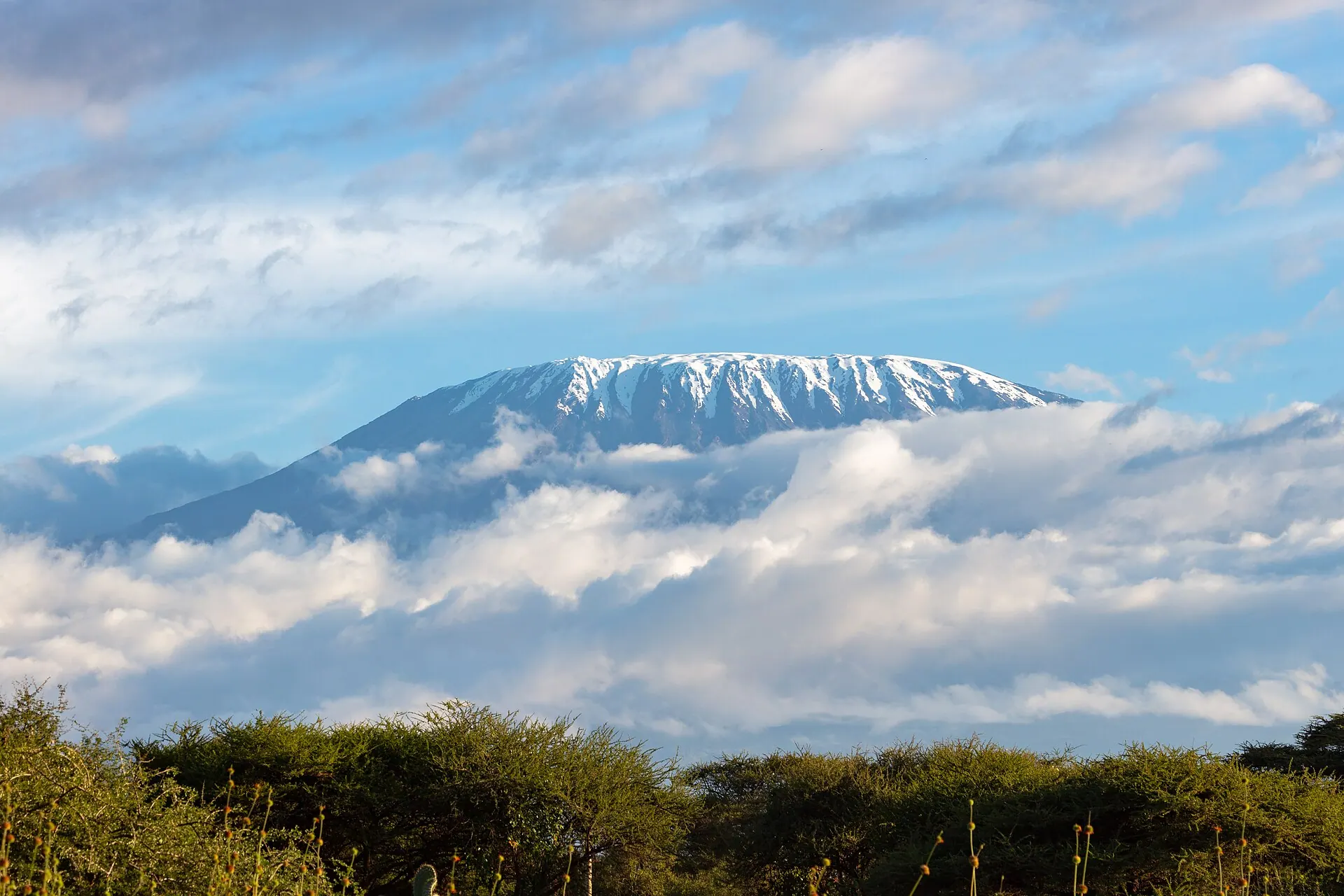
Mount Kilimanjaro rises to approximately 5,895 m at Uhuru Peak, making it the highest point in Africa and the world’s tallest free-standing mountain. No technical climbing skills are needed, but it is a serious high-altitude trek that rewards a longer route, sensible pacing and honest preparation.
 Wildlife
Chimpanzee Trekking
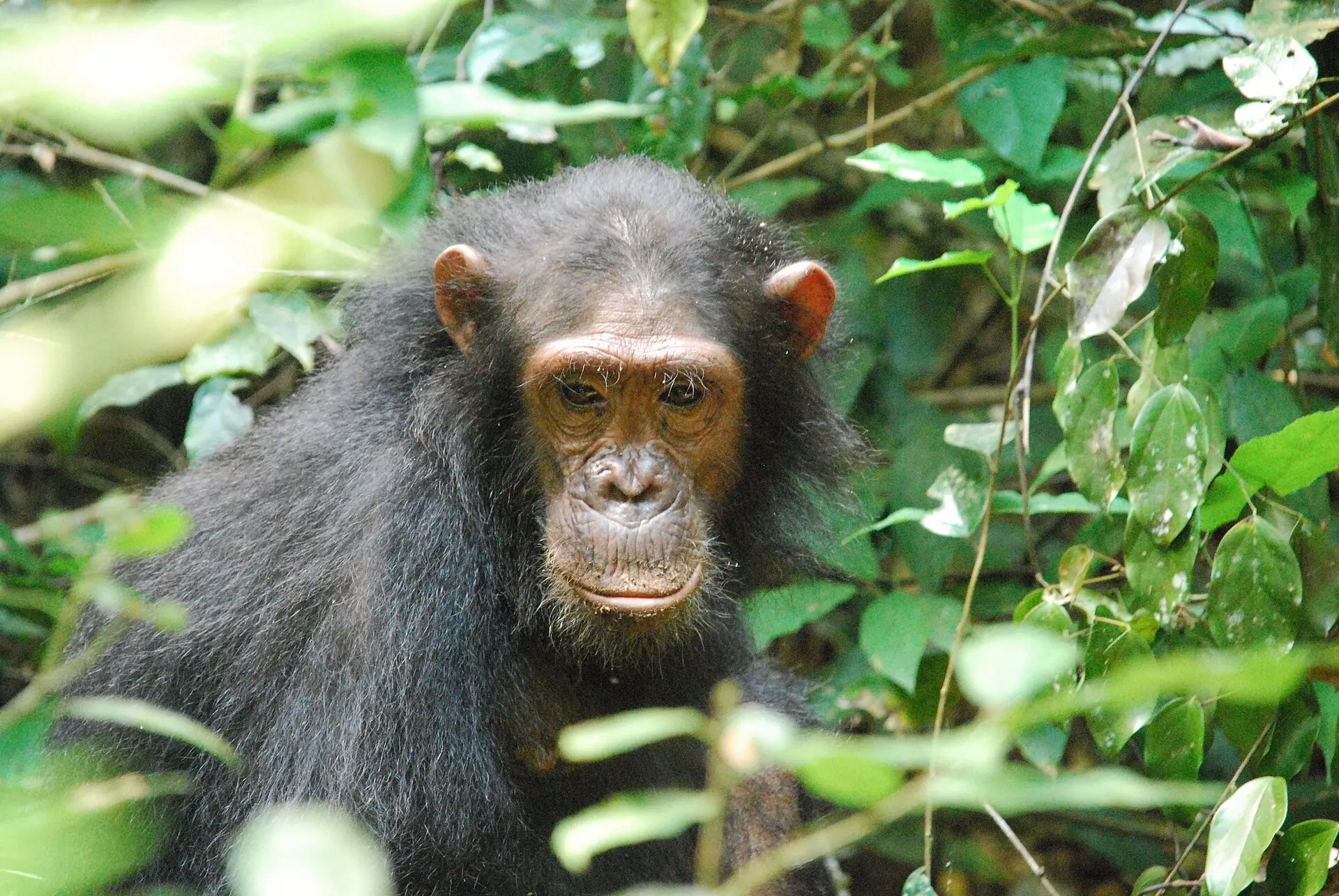
In the far west of Tanzania, on the steep forested slopes above Lake Tanganyika, communities of wild chimpanzees have been studied and habituated for decades. Trekking to find them is a demanding, humbling walk rather than a game drive, and time with the group is deliberately limited to protect their health.
 Culture & History UNESCO
Stone Town & the Swahili Coast
For more than a thousand years the Swahili coast linked East Africa to Arabia, Persia, India and beyond, carried by the monsoon winds. Stone Town, Bagamoyo, Kilwa Kisiwani and Pemba preserve the architecture, language and food of that exchange — and also its hardest history, the East African slave trade.
Wildlife
 Wildlife
Flamingos & Soda Lakes
Northern Tanzania’s alkaline lakes look hostile — shallow, salty and often too caustic for fish — yet they support blooms of algae that feed flamingos in their thousands. Numbers move constantly between lakes with water levels and food, so a lake that was pink last month may be almost empty this one.
 Wildlife
Boat & Canoe Safaris
Where rivers and lakes allow it, a boat safari is one of the most relaxed ways to watch wildlife. Hippos, crocodiles, elephants coming down to drink and an enormous variety of birds are all seen from the water, usually in the soft light of late afternoon.
WildlifeBirdwatching
Tanzania is one of Africa’s richest countries for birds, with more than 1,100 species recorded. Soda lakes, savannah, coastal forest, wetland and the ancient Eastern Arc Mountains sit within a single country, and the mountain forests in particular hold species found nowhere else.
Landscapes
 Landscapes
The Great Rift Valley
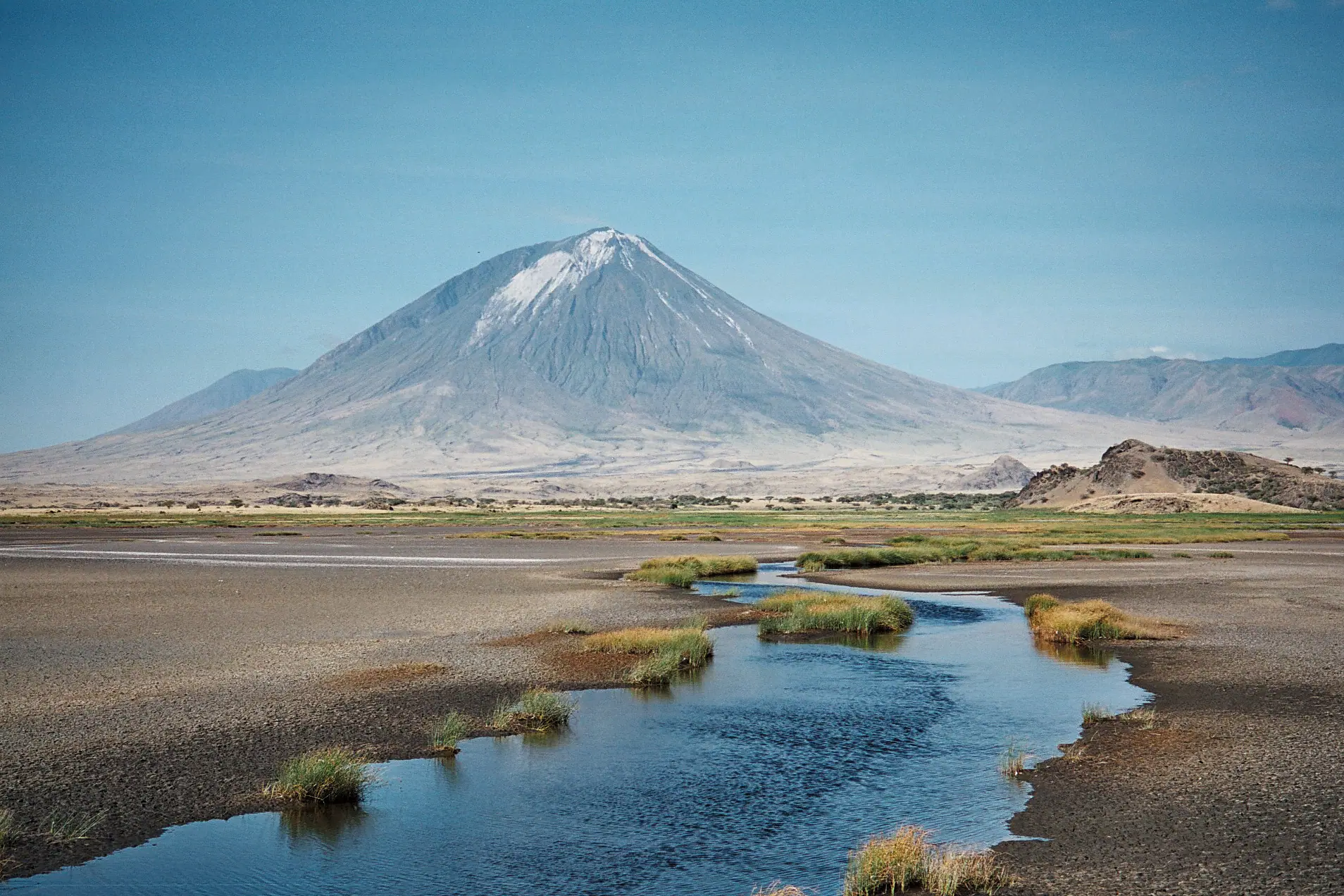
Tanzania sits astride the East African Rift, where the continent is gradually splitting along a system of faults. The Eastern branch gives northern Tanzania its towering escarpments, alkaline lakes and volcanoes, including the active Ol Doinyo Lengai; the Western branch holds Lake Tanganyika, one of the deepest lakes on earth.
 Landscapes
Baobabs & Landscapes
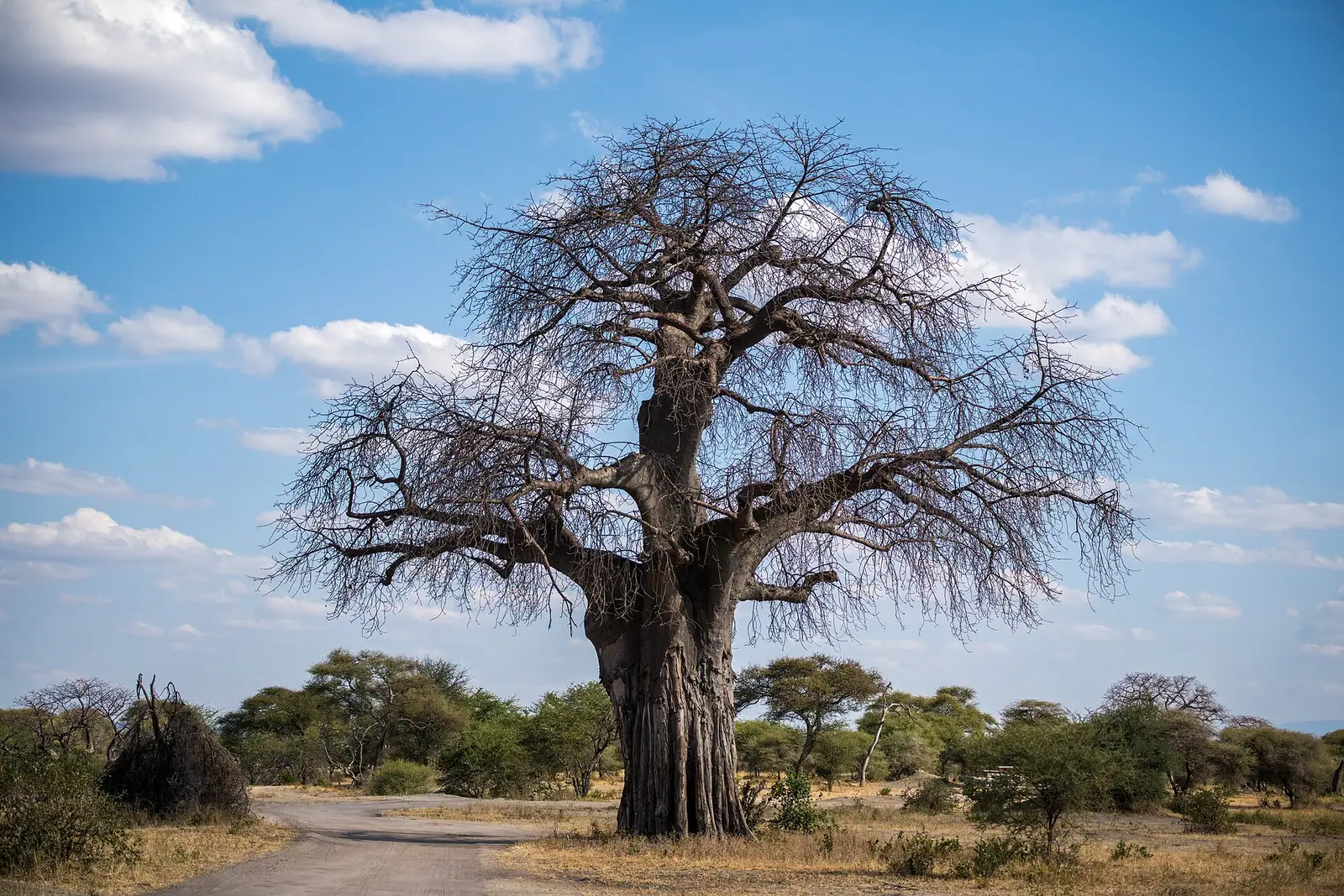
Tanzania’s landscapes are as memorable as its wildlife: baobab-studded valleys, granite kopjes rising from open plains, rift escarpments, montane forest and a long, palm-lined coast. For photographers especially, the country offers scenery that stands on its own without an animal in the frame.
Culture & History
 Culture & History UNESCO
Cradle of Humankind
Northern Tanzania holds some of the most significant sites in the study of human origins. Olduvai Gorge, the Laetoli footprints and the rock-art shelters of Kondoa together span millions of years, and the region remains one of the most studied landscapes in palaeoanthropology.
 Culture & History
Maasai Culture
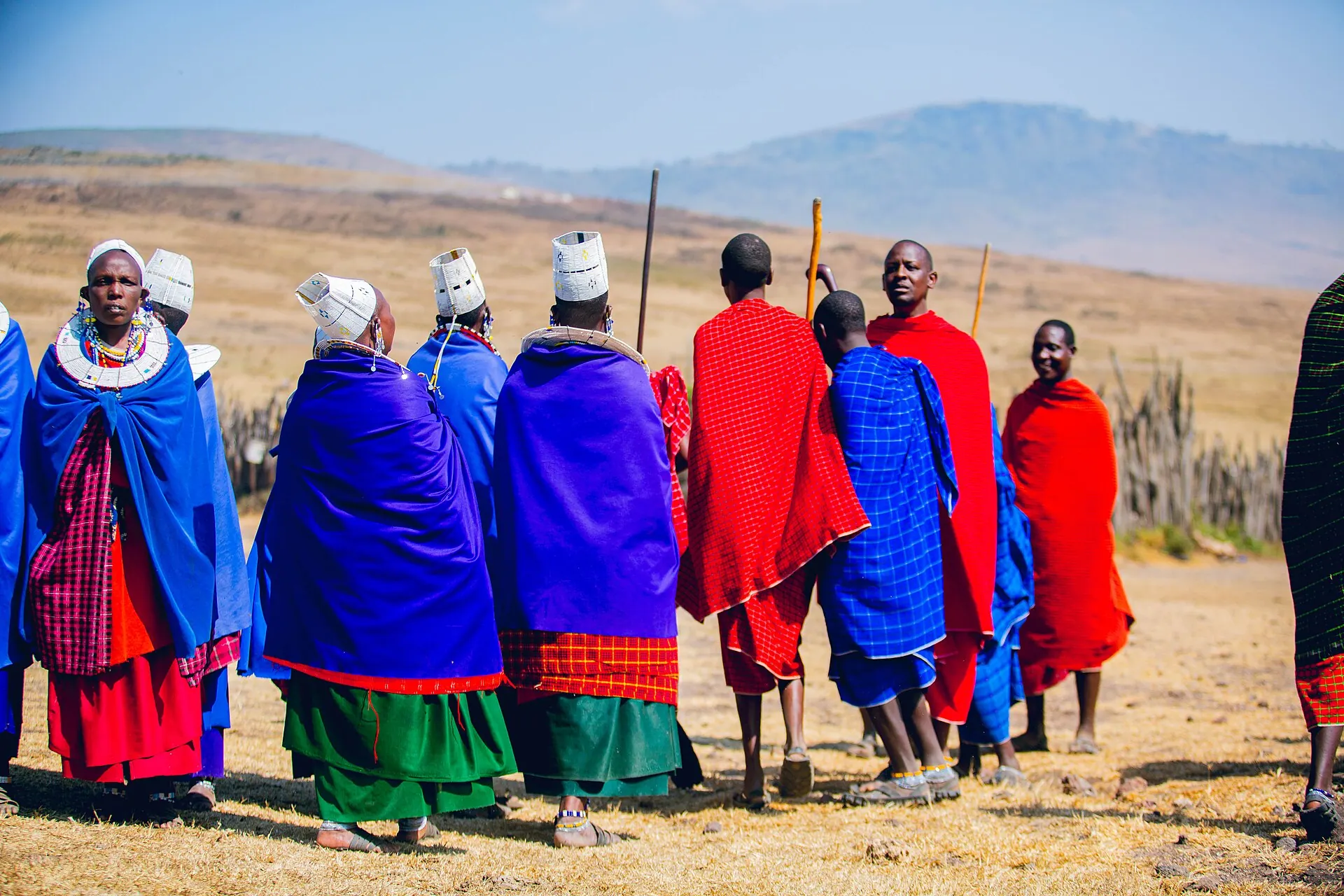
The Maasai are a Maa-speaking pastoralist people living across northern Tanzania and southern Kenya, including within the Ngorongoro Conservation Area. Visiting a community can be genuinely worthwhile when it is arranged with that community, fairly paid and honestly presented — and disappointing or intrusive when it is not.
 Culture & History
Hadzabe & Datoga
Around Lake Eyasi live the Hadzabe, among the last communities in Africa where some families still rely substantially on hunting and gathering, and the Datoga, pastoralists known for their metalworking. Visits can be meaningful, but only when they are agreed with the community, fairly paid and free of pressure to perform.
Adventure
 Adventure
Hot-Air Balloon Safari
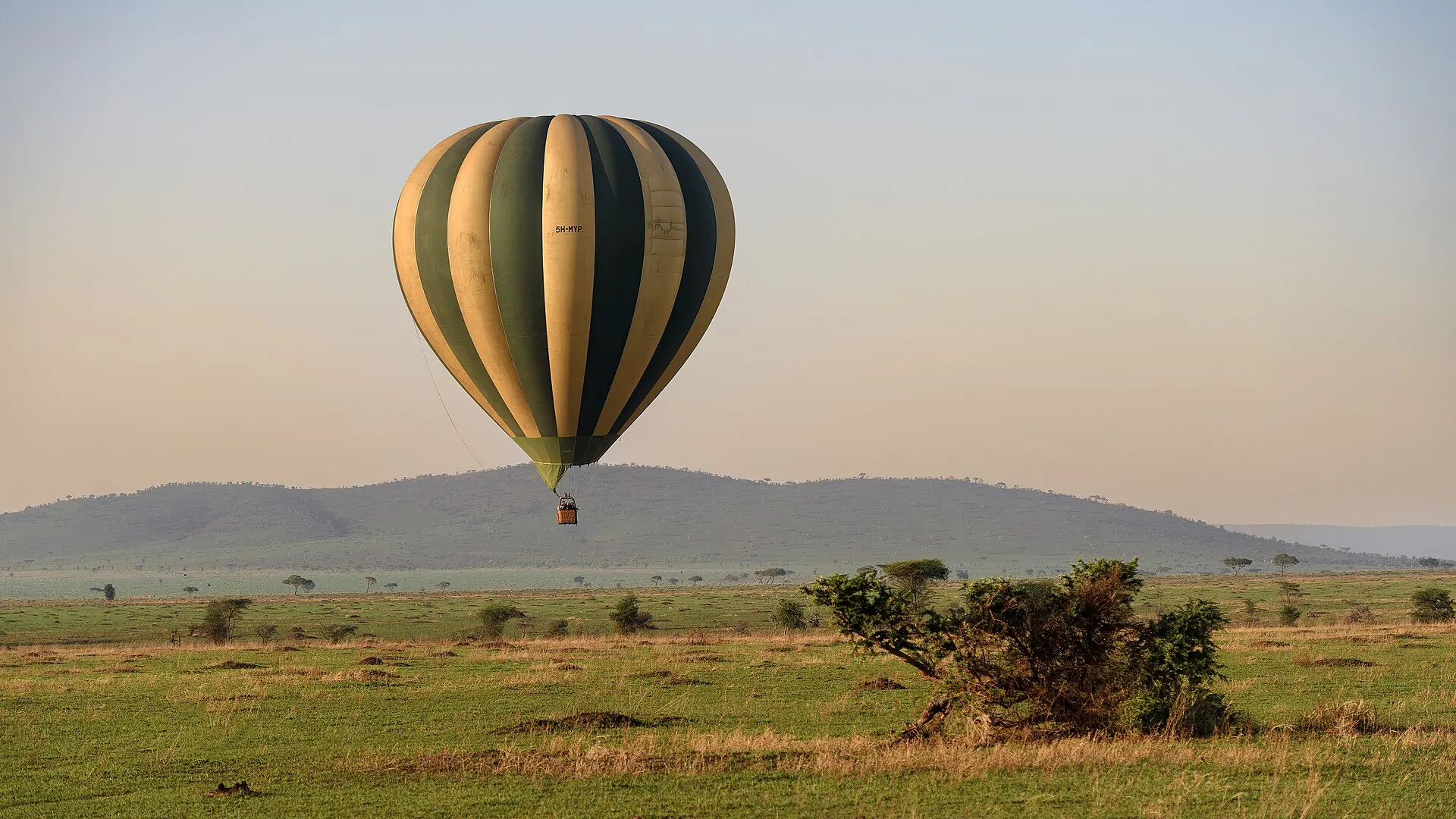
A balloon safari means a very early start, a launch as the sky lightens and roughly an hour drifting low over the plains before landing for a bush breakfast. It is the most memorable morning of many people’s safaris and also the most expensive single activity, so it is worth deciding early.
 Adventure
Walking Safaris
A walking safari changes the scale of everything. Instead of covering ground, you slow down to tracks, dung, birdsong and the smell of crushed leaves, guided by a professional walking guide accompanied by an armed ranger as park rules require. It is about understanding rather than ticking off big animals.
Ocean
 Ocean
OceanSnorkelling & Diving
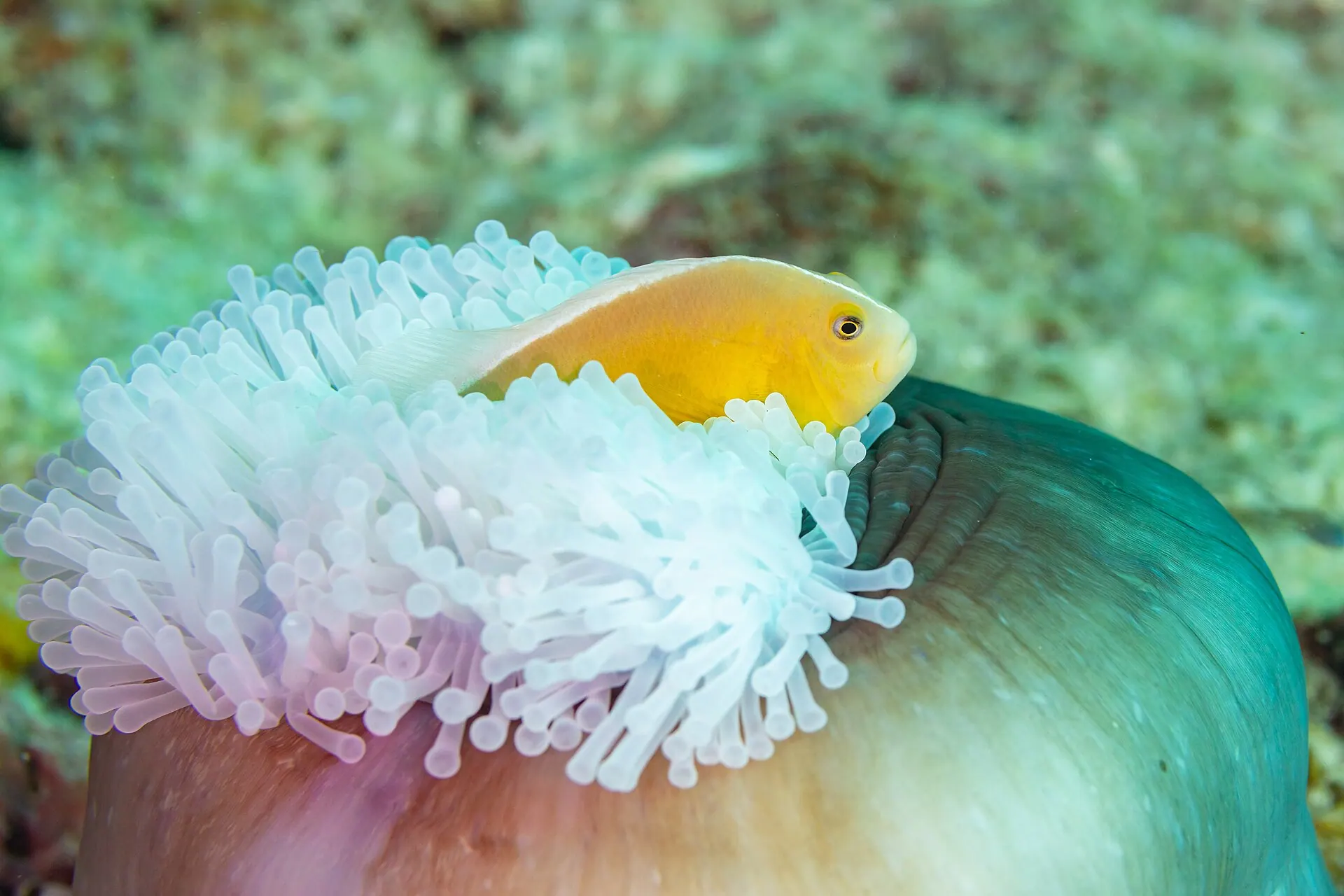
Tanzania’s Indian Ocean reefs range from shallow coral gardens ideal for first-time snorkellers to the steep walls of the Pemba Channel, which suit experienced divers. Water is warm year-round, visibility varies with season and tide, and the reefs themselves need care from everyone who visits them.
 Ocean
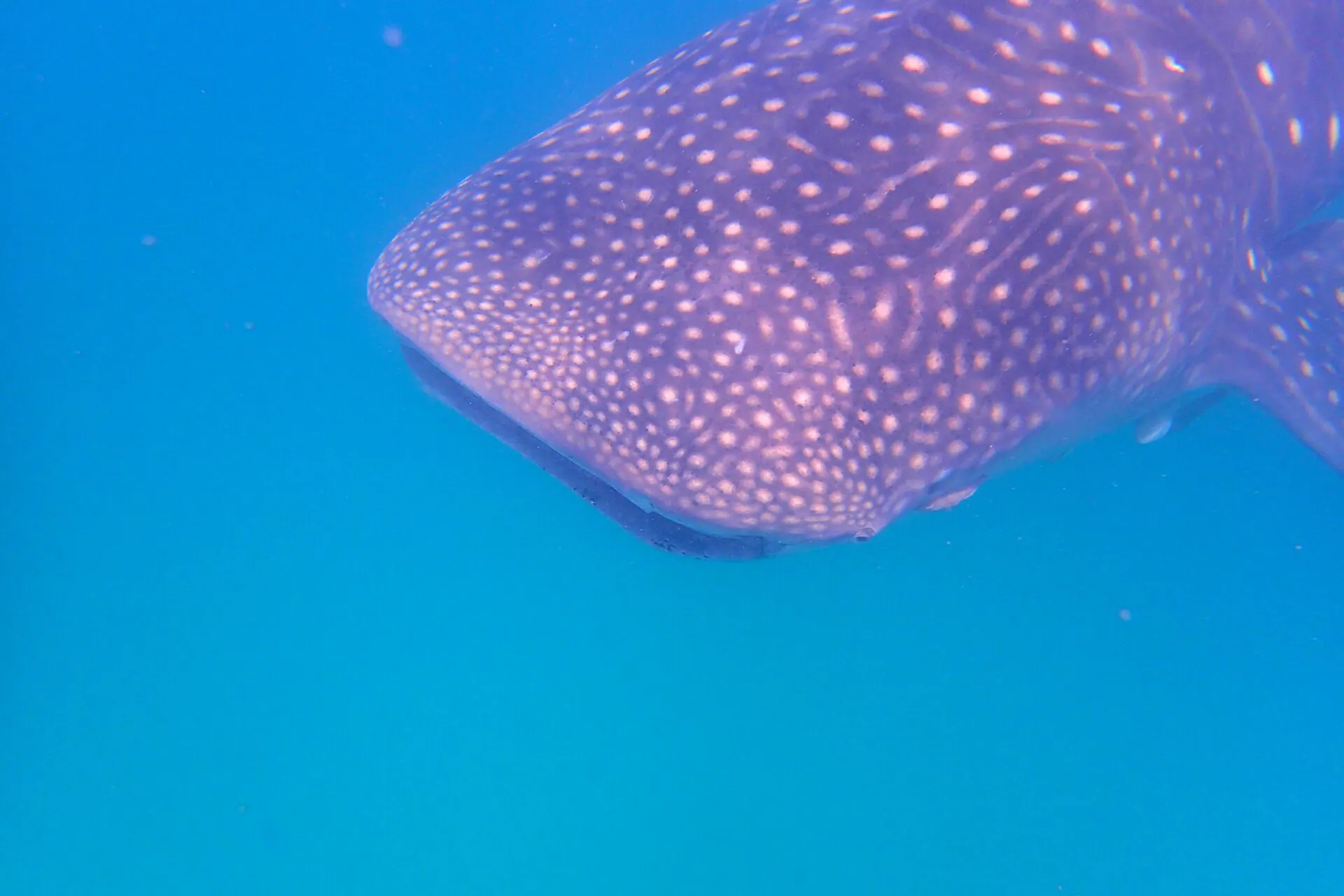
OceanWhale Sharks of Mafia
Whale sharks gather in the plankton-rich water off Mafia Island for part of the year, typically from around October to March. Snorkelling with them is a remarkable experience and a strictly managed one — they are wild animals in open water, and sightings are never guaranteed.
World Heritage
Tanzania’s UNESCO World Heritage Sites
Tanzania’s listed sites range from the Serengeti plains to a medieval trading city on the Indian Ocean.
- Serengeti National ParkSerengeti National Park, inscribed as a UNESCO World Heritage Site in 1981.
- Ngorongoro Conservation AreaNgorongoro Conservation Area, inscribed as a UNESCO World Heritage Site in 1979, recognised both for its wildlife and volcanic landscape and for the archaeological record at Olduvai Gorge and Laetoli.
- Olduvai GorgeOlduvai Gorge lies within the Ngorongoro Conservation Area, inscribed as a UNESCO World Heritage Site in 1979; the gorge and the Laetoli footprint site are part of what the listing recognises, alongside the crater and its wildlife.
- Mount KilimanjaroKilimanjaro National Park, inscribed as a UNESCO World Heritage Site in 1987.
- Nyerere National ParkThe Selous Game Reserve was inscribed as a UNESCO World Heritage Site in 1982. Nyerere National Park was carved out of the northern part of that reserve in 2019, so the park lies within the wider area the listing covers; the property has been on the List of World Heritage in Danger since 2014.
- ZanzibarStone Town of Zanzibar, inscribed as a UNESCO World Heritage Site in 2000.
- BagamoyoNot inscribed. The Historic Town of Bagamoyo is on Tanzania’s UNESCO World Heritage tentative list, meaning it has been put forward by the country for possible future nomination.
- Kilwa KisiwaniRuins of Kilwa Kisiwani and Ruins of Songo Mnara — inscribed on the UNESCO World Heritage List in 1981. The site was placed on the List of World Heritage in Danger in 2004 and removed from it in 2014 following conservation work.
- Kondoa Rock-Art SitesKondoa Rock-Art Sites, inscribed as a UNESCO World Heritage Site in 2006.
- The Ngorongoro CraterNgorongoro Conservation Area — UNESCO World Heritage Site, inscribed in 1979 for its natural values and extended in 2010 to recognise its cultural importance, making it a mixed natural and cultural site.
- The Roof of AfricaKilimanjaro National Park — UNESCO World Heritage Site, inscribed in 1987.
- Cradle of HumankindNgorongoro Conservation Area (which includes Olduvai Gorge and Laetoli), inscribed 1979, and the Kondoa Rock-Art Sites, inscribed 2006.
- Stone Town & the Swahili CoastStone Town of Zanzibar — UNESCO World Heritage Site, inscribed in 2000.
Build these into your own journey
Tell us which of these matter most to you and we’ll shape a trip around them.
Plan My Trip