Zanzibar & Coast
Pemba Island
The Green Island: clove-scented hills, wall diving and almost no other visitors.
- Size
- Approximately 990 km²
- Altitude
- Low hills, rising to roughly 95 m
- Best for
- Wall diving, spice farms and a very quiet, traditional island
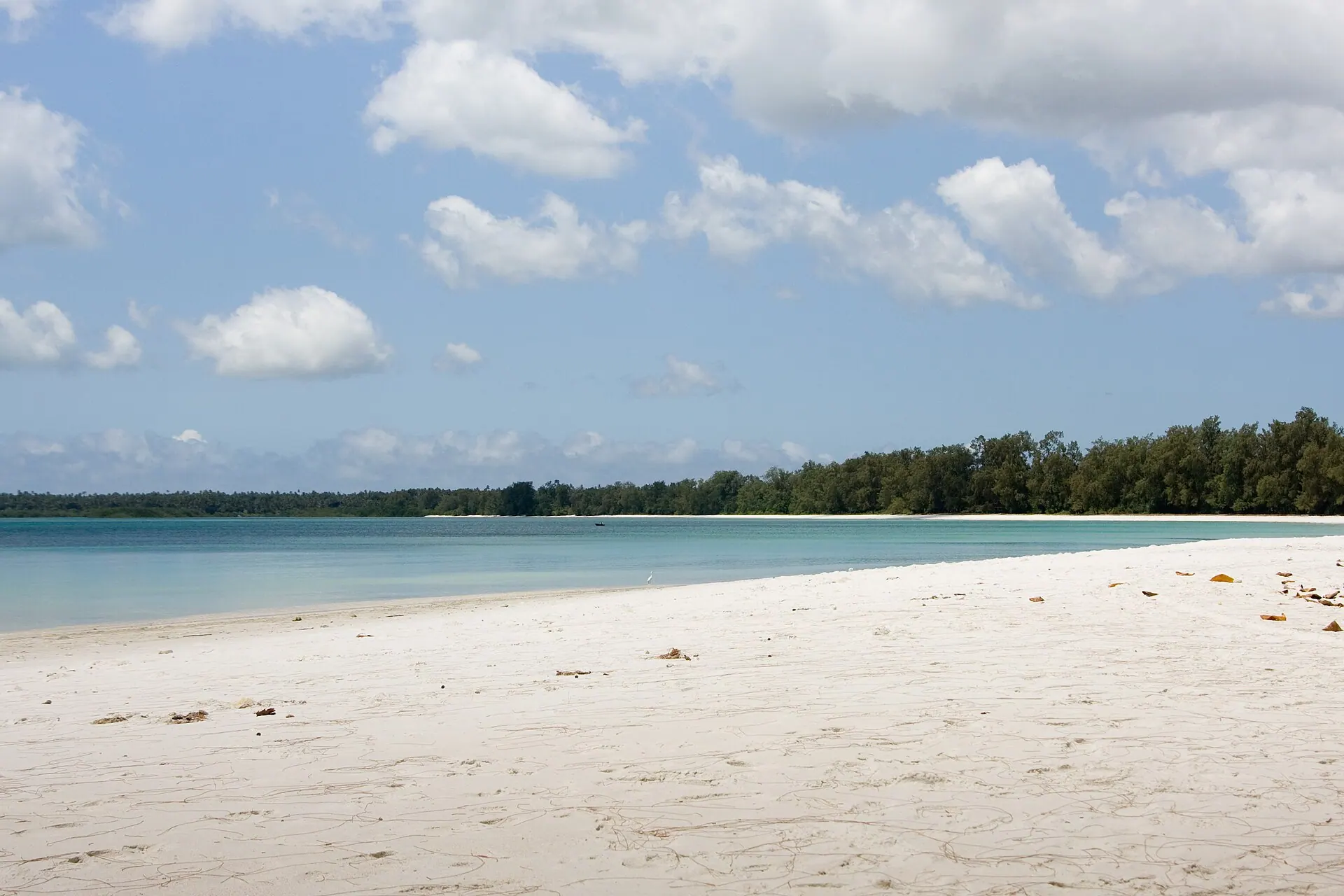
Pemba lies roughly 50 km north-east of Unguja — the island most people mean when they say “Zanzibar” — and covers approximately 990 km². Arabs are said to have called it Al Jazeera Al Khadra, the Green Island, and the name still fits: instead of Unguja’s flat coral rag and long white beaches, Pemba is a landscape of steep little hills, deep inlets, mangrove creeks and dense vegetation.
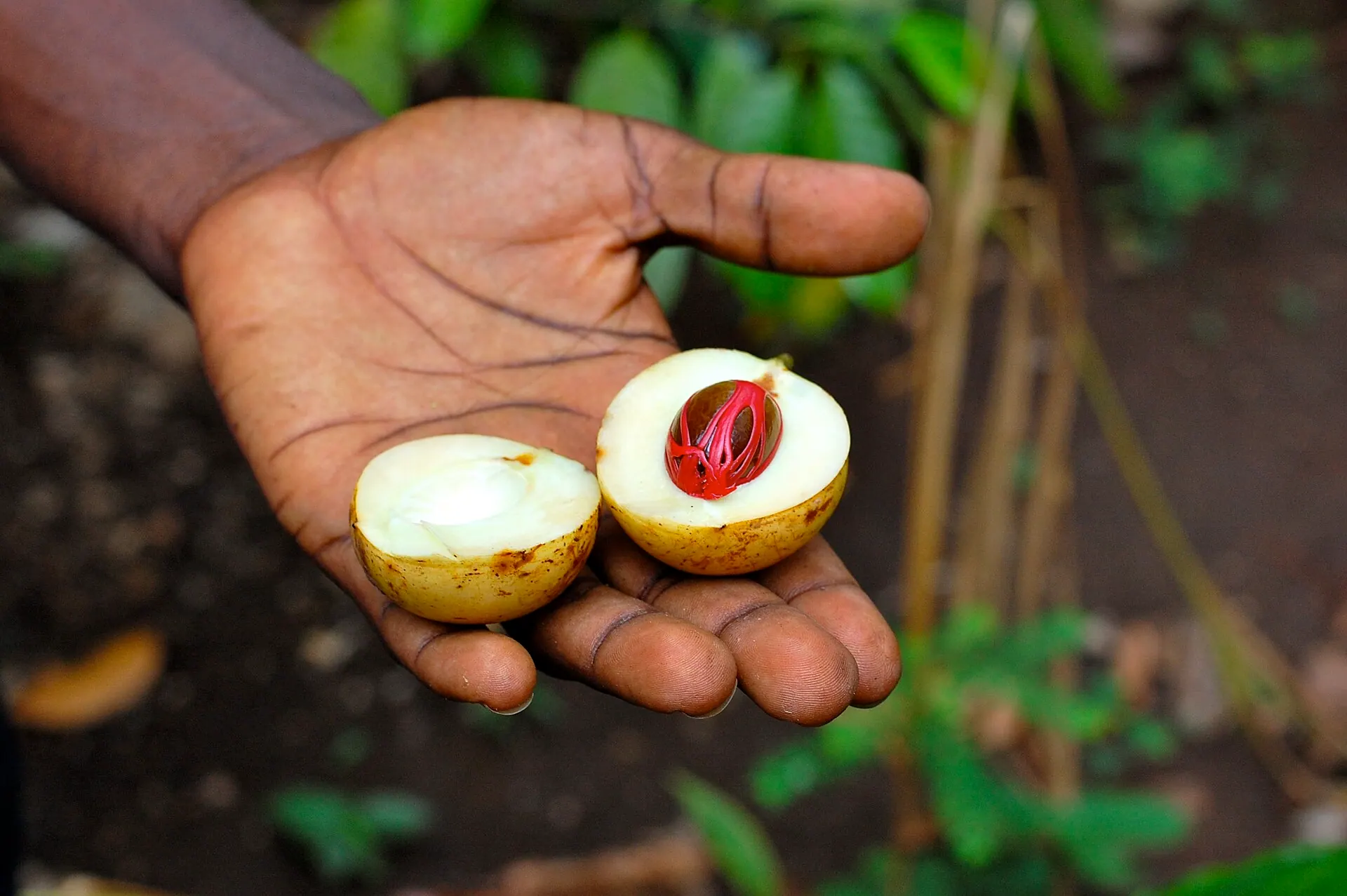
Cloves dominate the interior. Pemba has long produced the greater part of the archipelago’s clove crop, and the smell of drying cloves in the villages is one of the island’s defining impressions, alongside plantations of coconut, banana and cassava. In the north-west, the Ngezi Forest Reserve protects a remnant of the forest that once covered much of the island, home to the endemic Pemba flying fox and several birds found nowhere else.
The main reason divers come is the Pemba Channel: a deep trench separating the island from the mainland, whose steep drop-offs give exceptional visibility and dramatic wall diving, with soft corals, gorgonian fans and regular pelagic sightings. The island has only a handful of places to stay, and Chake Chake, Wete and Mkoani are working towns rather than tourist centres. Travellers who want Zanzibar without the crowds tend to love it; those who want resorts and nightlife should stay on Unguja.
Highlights
- Wall diving and drift diving on the steep drop-offs of the Pemba Channel
- Clove plantations and spice farms, and the smell of drying cloves in the villages
- Ngezi Forest Reserve, with the endemic Pemba flying fox and Pemba scops owl
- Misali Island and its reefs, beaches and conservation area
- Deep green hills, mangrove creeks and quiet sandbanks
- Far fewer visitors than Unguja — genuinely off the tourist trail
- Swahili and Omani ruins such as Ras Mkumbuu and Pujini, and a strong traditional culture
Things to do
- Scuba diving on the Pemba Channel walls (operators and certification levels vary)
- Snorkelling and boat trips to Misali Island and offshore sandbanks
- Clove and spice farm visit with a local guide
- Guided walk in the Ngezi Forest Reserve, including a flying fox roost
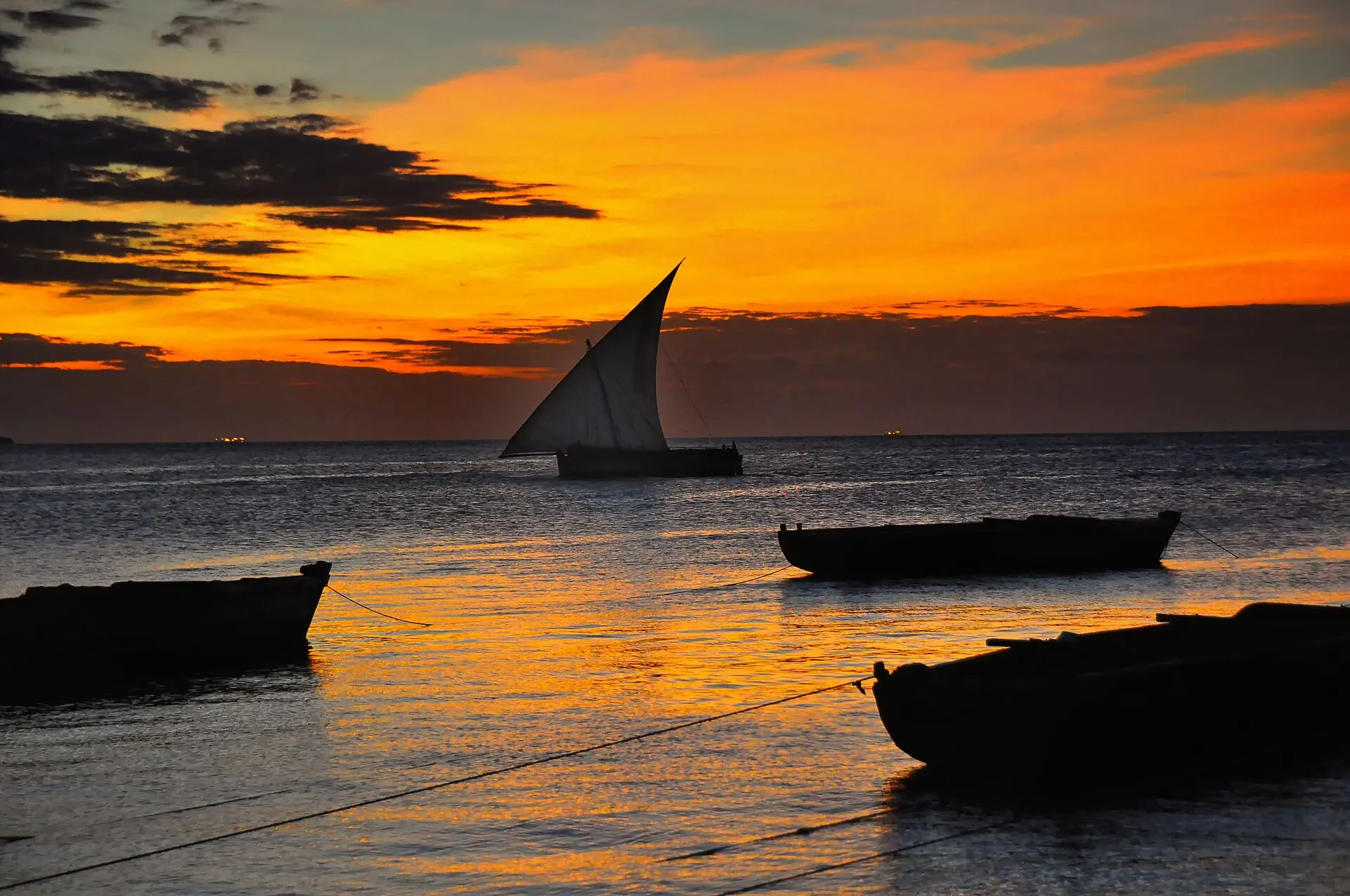
- Dhow sailing and sunset cruises
- Visits to historic sites such as Ras Mkumbuu and the Pujini ruins
- Village walks, local markets and mangrove kayaking where offered
Wildlife you might see
Wildlife is wild — these are the species people hope for here, never a promise.
- Pemba flying fox, a large fruit bat found only on this island
- Pemba scops owl, Pemba green pigeon, Pemba white-eye and Pemba sunbird — all island endemics
- Vervet monkeys and Zanzibar red colobus, introduced to parts of the island (to be confirmed)
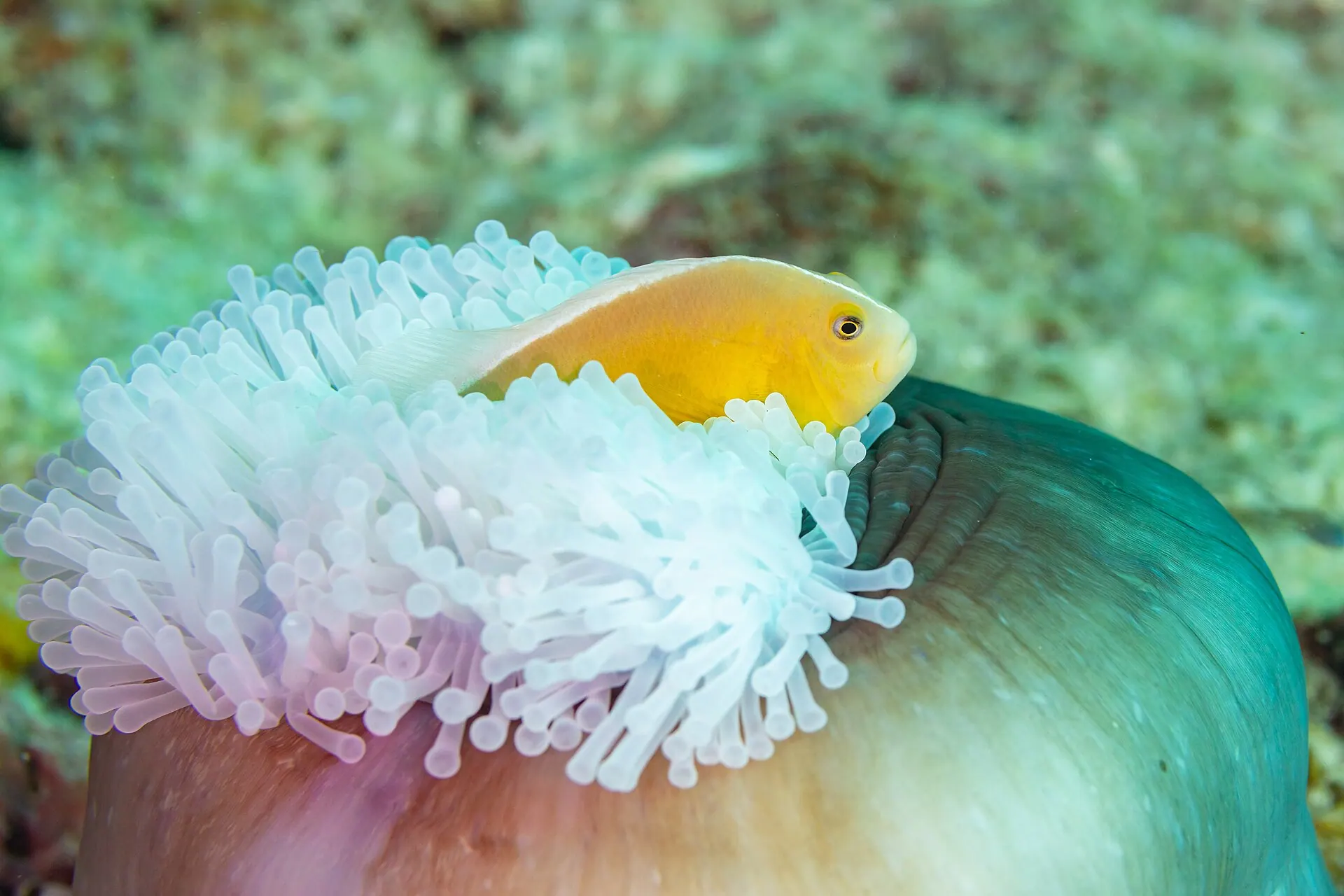
- Reef fish, groupers, barracuda and turtles on the channel walls
- Pelagic visitors including kingfish and, with luck, larger species such as manta rays
- Dolphins in the channel, sometimes seen from boats
- Mangrove and shorebirds in the creeks
Planning your visit
- Best time to go
- Roughly June to October and late December to February are the driest and most popular months, with good diving conditions. The long rains (roughly March to May) are heavy and several places close; the short rains (roughly November) are usually lighter. Diving visibility varies with season, tide and currents.
- Getting there
- By scheduled domestic flight to Pemba (Karume) Airport near Chake Chake, usually from Zanzibar or Dar es Salaam and typically well under an hour. Passenger ferries also run between Unguja and Pemba, but sailings and journey times vary and sea conditions can be rough — flying is normally recommended.
- Good to know
- Pemba is more conservative than Unguja — modest dress away from the beach is important and appreciated.
- Accommodation and dive operators are few; booking well ahead matters, especially in peak months.
- The Pemba Channel has real currents; some dive sites suit experienced divers rather than beginners.
- There is no recompression chamber on the island — check what your dive operator and insurance provide.
- Facilities, banking and medical services are limited; bring what you need and carry good insurance.
- Roads across the hills are winding, so journeys take longer than the short distances suggest.
What to see here
 Culture & History UNESCO
Stone Town & the Swahili Coast
For more than a thousand years the Swahili coast linked East Africa to Arabia, Persia, India and beyond, carried by the monsoon winds. Stone Town, Bagamoyo, Kilwa Kisiwani and Pemba preserve the architecture, language and food of that exchange — and also its hardest history, the East African slave trade.
OceanSnorkelling & Diving
Tanzania’s Indian Ocean reefs range from shallow coral gardens ideal for first-time snorkellers to the steep walls of the Pemba Channel, which suit experienced divers. Water is warm year-round, visibility varies with season and tide, and the reefs themselves need care from everyone who visits them.