

Northern Circuit
Arusha
The green, lively gateway to Tanzania’s northern safari parks.
- Altitude
- Approximately 1,400 m
- Best for
- Arrival and acclimatisation, coffee farms, markets and a first day in Arusha National Park
Sitting at roughly 1,400 m above sea level on the lower slopes of Mount Meru, Arusha enjoys a mild climate and lush surroundings. It is the main starting point for safaris to Tarangire, Lake Manyara, the Ngorongoro Crater and the Serengeti, and most visitors arrive via Kilimanjaro International Airport, typically about an hour’s drive away.
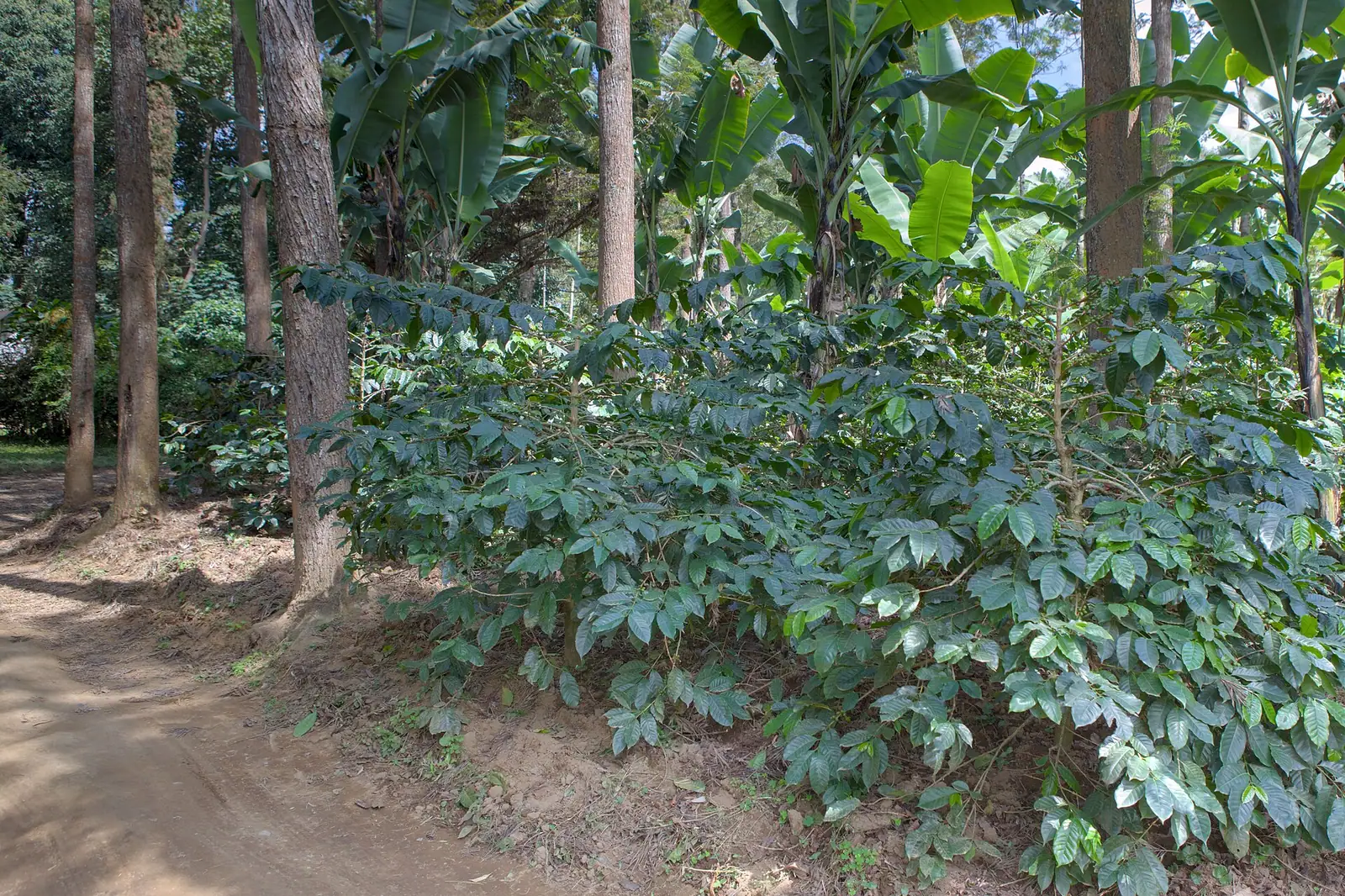
Rather than rushing straight into the parks, many travellers spend a night or two here to rest and adjust. Coffee plantations, bustling local markets, craft workshops and cultural visits in nearby villages give a first taste of everyday Tanzanian life.
Just outside town, Arusha National Park is an underrated gem: a compact park of forest, crater landscapes and the Momella Lakes, with giraffes, buffaloes, colobus monkeys and — on clear days — views of both Mount Meru and Kilimanjaro. It is also one of the few northern parks where guided walking safaris are possible.
Highlights
- A comfortable base to recover from travel before your safari
- Arusha National Park with black-and-white colobus monkeys, giraffes and the Momella Lakes
- Guided walking safaris and canoeing (subject to conditions) in Arusha National Park
- Coffee farm visits on the slopes of Mount Meru
- Local markets, craft centres and Tanzanian food
- Clear-day views of Mount Meru and Kilimanjaro
Things to do
- Day trip or game drive in Arusha National Park
- Coffee farm tour, from bean to cup
- Guided town walk and market visit
- Community-run cultural visits in nearby villages
- Mount Meru trek (typically 3–4 days) as Kilimanjaro preparation or an adventure in itself
Wildlife you might see
Wildlife is wild — these are the species people hope for here, never a promise.
- Black-and-white colobus monkey in Arusha National Park (often seen, never guaranteed)
- Maasai giraffe on the Momella glades
- Cape buffalo and waterbuck
- Blue monkey and olive baboon
- Warthog and common zebra
- Lesser and greater flamingo on the Momella Lakes, depending on season and water levels
- Hippo in the lakes and swamps
Planning your visit
- Best time to go
- Arusha can be visited year-round. The drier months, roughly June to October and late December to February, are the most comfortable; the long rains usually fall around March to May.
- Getting there
- Most international visitors fly into Kilimanjaro International Airport (JRO), typically about an hour by road from Arusha. Arusha Airport handles domestic flights, and road transfers connect with Moshi and the northern parks.
- Good to know
- Evenings can be cool, especially from June to August — pack a warm layer.
- Arusha is a practical place to change money, buy a local SIM card and pick up last-minute supplies.
- Walking in Arusha National Park is done with an armed park ranger, as required by park rules.
- Traffic in town can be slow at peak hours; allow extra time for transfers.
What to see here
 Wildlife
The Great Migration
The Great Migration is the year-round movement of well over a million wildebeest, together with hundreds of thousands of zebras and gazelles, through the Serengeti ecosystem in search of grazing and water. It is not a single event on a fixed date but a continuous cycle, and its timing shifts with the rains every year.
Month-by-month guide
 Landscapes UNESCO
The Ngorongoro Crater
The Ngorongoro Crater is one of the world’s largest intact volcanic calderas, formed when a great volcano collapsed in on itself. Grassland, swamp, a soda lake and patches of forest on the floor support a high density of wildlife that stays largely inside the crater year-round. The wider conservation area is also a Maasai homeland and holds some of the most important early-human sites on earth.
Adventure UNESCOThe Roof of Africa
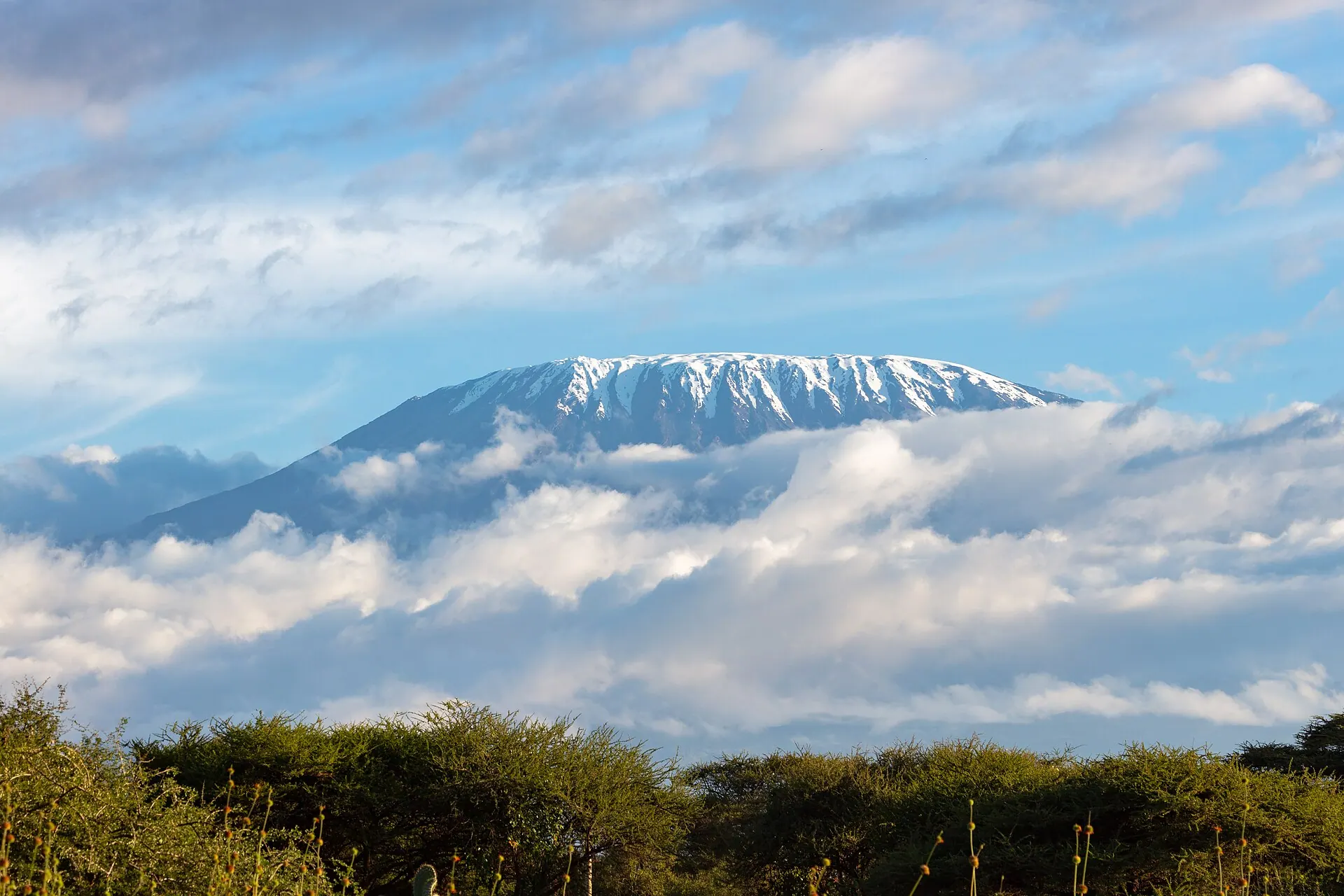
Mount Kilimanjaro rises to approximately 5,895 m at Uhuru Peak, making it the highest point in Africa and the world’s tallest free-standing mountain. No technical climbing skills are needed, but it is a serious high-altitude trek that rewards a longer route, sensible pacing and honest preparation.
 Wildlife
Chimpanzee Trekking
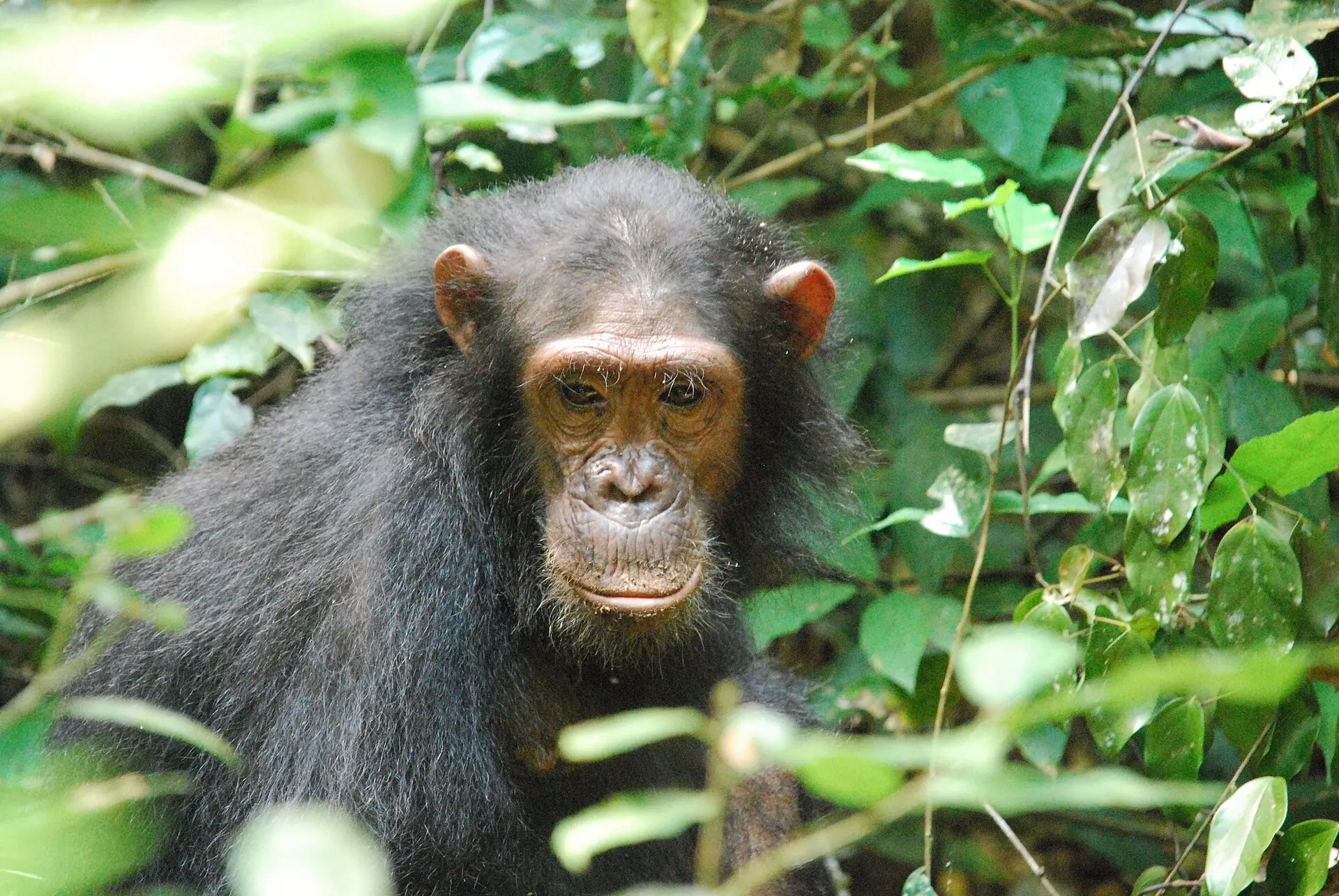
In the far west of Tanzania, on the steep forested slopes above Lake Tanganyika, communities of wild chimpanzees have been studied and habituated for decades. Trekking to find them is a demanding, humbling walk rather than a game drive, and time with the group is deliberately limited to protect their health.
 Culture & History
Maasai Culture
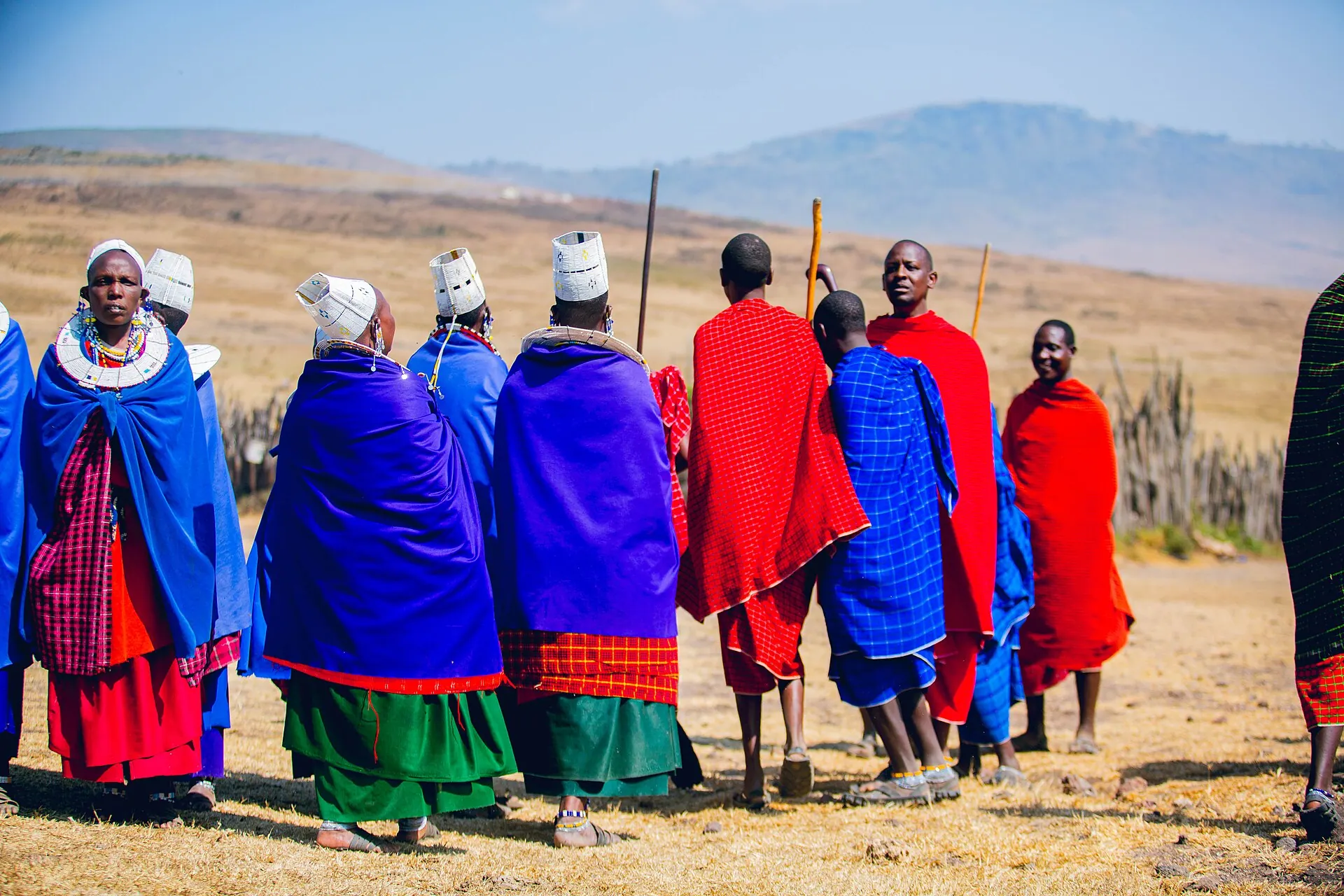
The Maasai are a Maa-speaking pastoralist people living across northern Tanzania and southern Kenya, including within the Ngorongoro Conservation Area. Visiting a community can be genuinely worthwhile when it is arranged with that community, fairly paid and honestly presented — and disappointing or intrusive when it is not.
 Culture & History
Hadzabe & Datoga
Around Lake Eyasi live the Hadzabe, among the last communities in Africa where some families still rely substantially on hunting and gathering, and the Datoga, pastoralists known for their metalworking. Visits can be meaningful, but only when they are agreed with the community, fairly paid and free of pressure to perform.
Journeys that visit Arusha
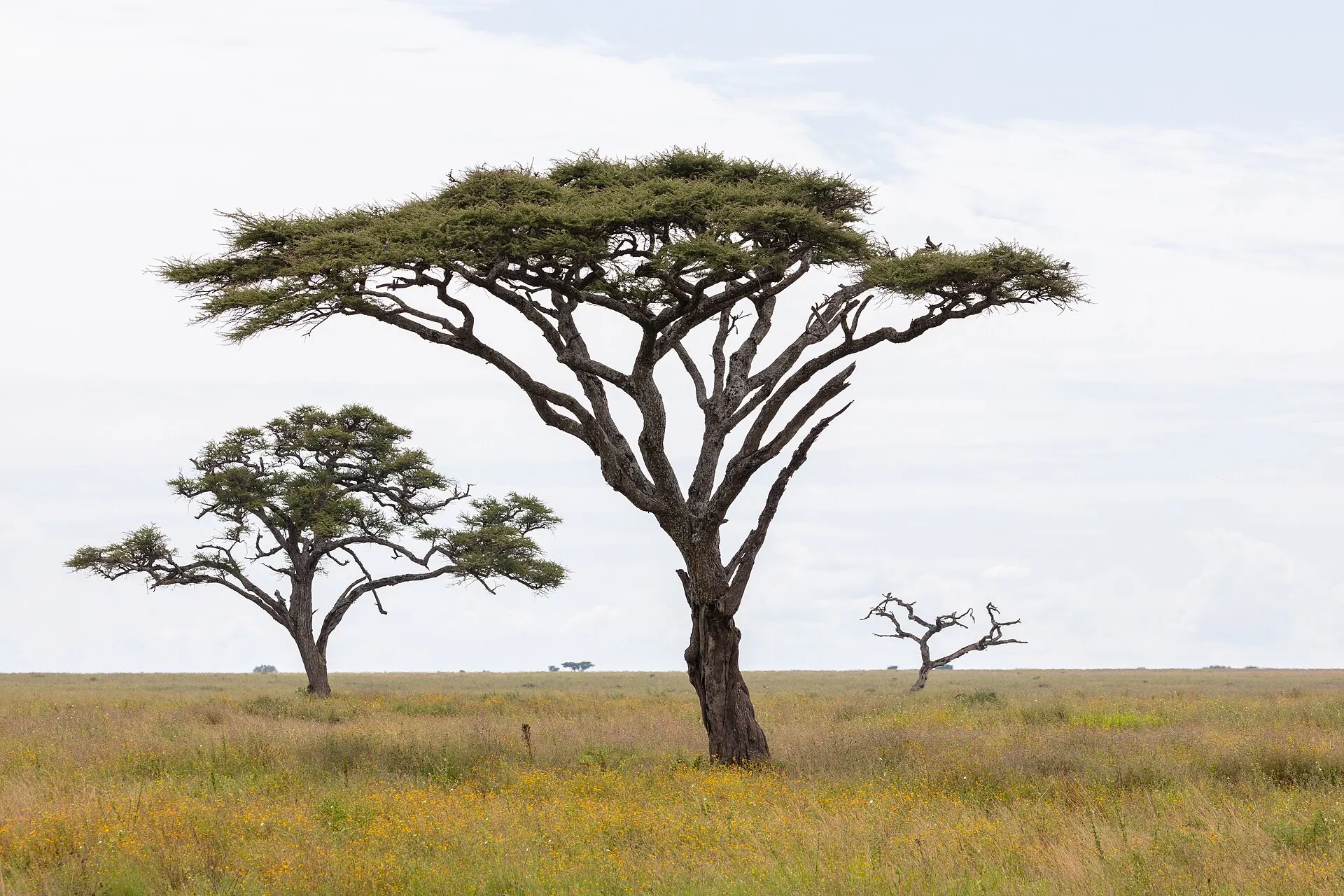 7 days · 6 nights
Northern Tanzania Safari
Seven days through Tarangire, Lake Manyara, the Serengeti and the Ngorongoro Crater
Arusha · Tarangire National Park · Lake Manyara National Park · Serengeti National Park · Ngorongoro Conservation Area
 10 days · 9 nights
Tanzania Safari & Zanzibar Escape
The Northern Circuit’s great parks, followed by Stone Town and the white sands of Zanzibar
Arusha · Tarangire National Park · Serengeti National Park · Ngorongoro Conservation Area · Zanzibar
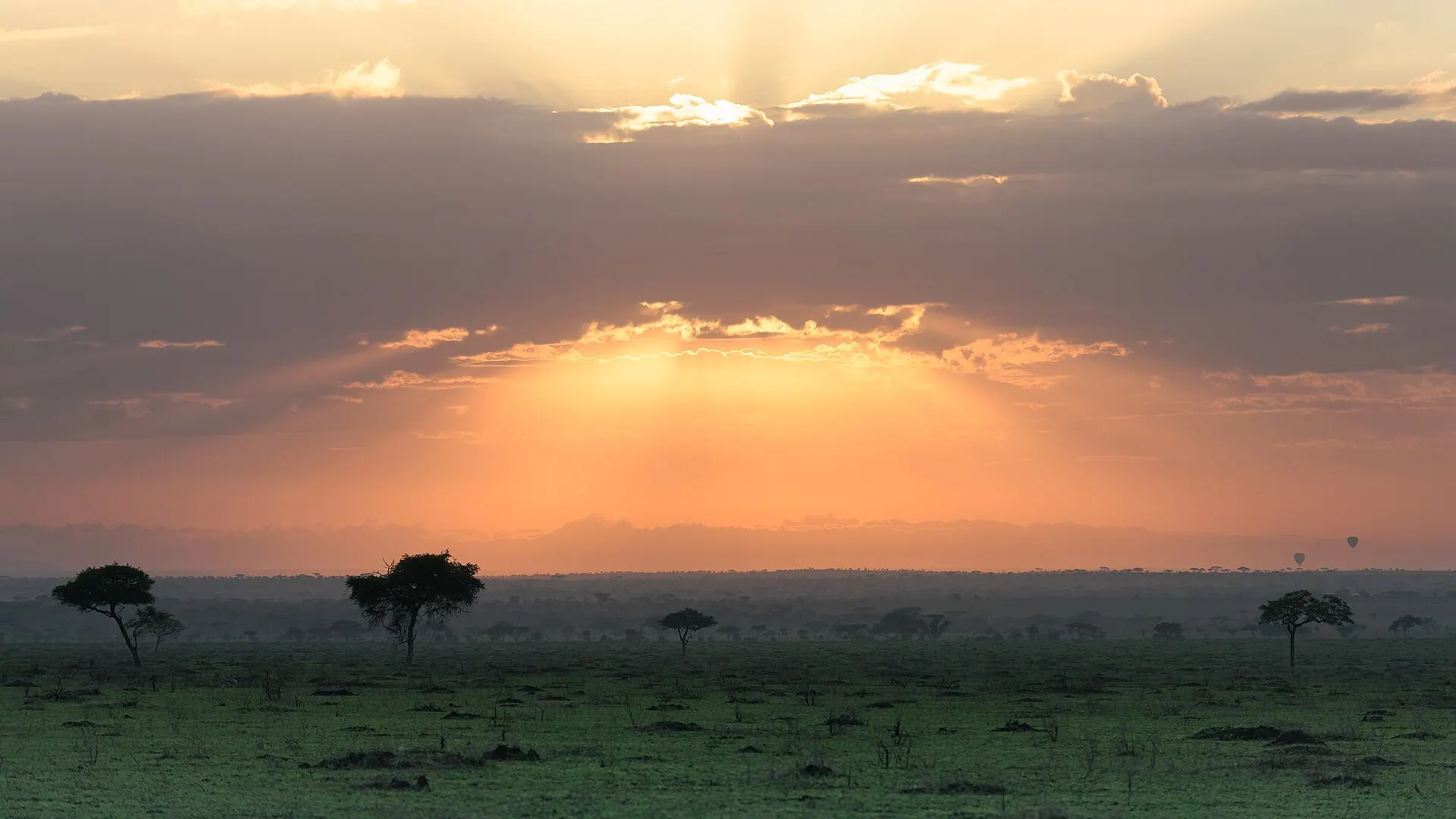 12 days · 11 nights
Tailor-Made Tanzania Journey
An example 12-day journey — safari, culture and beach — reshaped entirely around you
Arusha · Tarangire National Park · Serengeti National Park · Ngorongoro Conservation Area · Lake Manyara National Park · Zanzibar
Also in the Northern Circuit

Northern Circuit
Tarangire National Park
Giant baobabs, big elephant herds and a river that draws wildlife in the dry season.
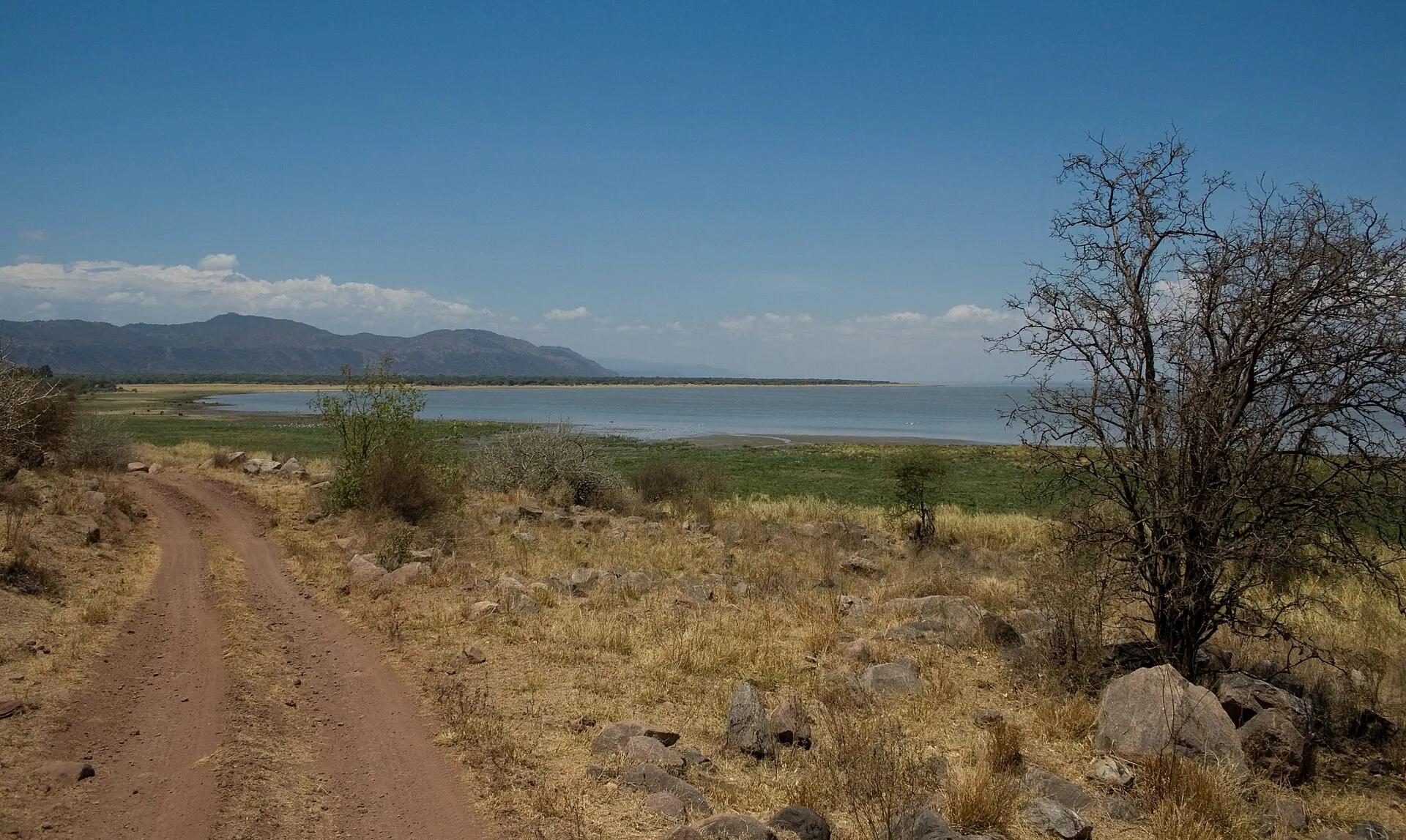
Northern Circuit
Lake Manyara National Park
A compact, green park between the Rift Valley wall and a shimmering soda lake.
Northern Circuit
Serengeti National Park
Endless plains, big cats and the Great Migration.