

Northern Circuit
Olduvai Gorge
The ravine where the story of our own species was rewritten.
UNESCO World Heritage Site — Olduvai Gorge lies within the Ngorongoro Conservation Area, inscribed as a UNESCO World Heritage Site in 1979; the gorge and the Laetoli footprint site are part of what the listing recognises, alongside the crater and its wildlife.
- Size
- A ravine approximately 48 km long and up to roughly 100 m deep
- Altitude
- Approximately 1,400–1,500 m
- Established
- Excavated systematically from the 1930s onwards, most famously by Mary and Louis Leakey
- Best for
- Human origins, archaeology and a change of pace between Ngorongoro and the Serengeti
The gorge is a steep-sided ravine roughly 48 km long and up to about 100 m deep, carved by a seasonal river through layers of volcanic ash and lake sediment laid down over roughly the last two million years. Because each layer can be dated and each is packed with fossils and stone tools, the walls of the gorge read almost like a book — which is why it became one of the most intensively studied archaeological landscapes on earth.
Mary and Louis Leakey worked here for decades. In 1959 Mary Leakey found the skull now classified as Paranthropus boisei, and in the early 1960s the team described Homo habilis from remains found in the gorge. Stone tools from the lowest beds gave their name to the Oldowan industry, the earliest widely recognised stone-tool tradition. Later work by many teams, Tanzanian and international, has kept adding to the picture.
About 45 km to the south lies Laetoli, where in the 1970s Mary Leakey’s team uncovered a trail of hominin footprints preserved in hardened volcanic ash, dated to approximately 3.6 million years ago and generally attributed to Australopithecus afarensis. They are the oldest clear evidence that our ancestors walked upright. The original trackway is protected and not open to visitors, but casts and the story are presented at the Olduvai museum, which sits on the rim with a view down the gorge and is an easy stop on the road between Ngorongoro and the Serengeti.

Highlights
- The museum on the gorge rim, with fossil casts, stone tools and an overview of the excavations
- A guided talk explaining the layers in the gorge wall and what was found in each
- The story of the Leakeys’ discoveries, including Paranthropus boisei and Homo habilis
- Casts and explanation of the Laetoli footprints, approximately 3.6 million years old
- Oldowan stone tools — among the earliest known technology
- Wide views over the gorge and the eastern Serengeti plains
- A natural half-hour to two-hour stop between Ngorongoro and the Serengeti
Things to do
- Visit the Olduvai Gorge museum and viewpoint
- Guided talk from a resident guide on the excavations and the geology
- Short walk to the excavation site and monument below the rim, where permitted
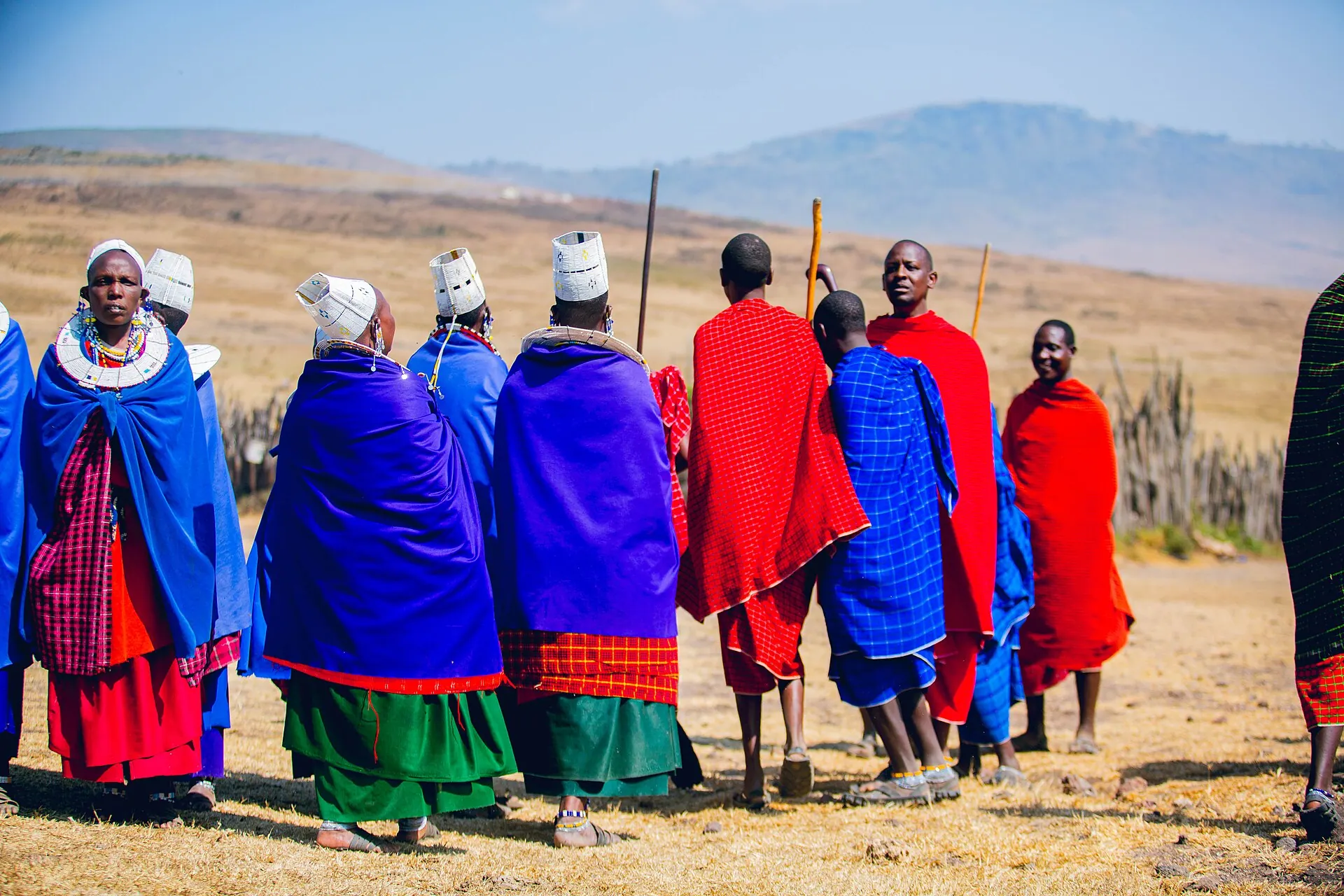
- Add a nearby Maasai cultural visit arranged with the community
- Photography of the gorge and the plains, best in early morning or late afternoon light
Wildlife you might see
Wildlife is wild — these are the species people hope for here, never a promise.
- Maasai giraffe and common zebra on the surrounding plains
- Grant’s and Thomson’s gazelle
- Kirk’s dik-dik in the gorge scrub
- Rock hyrax on the gorge walls
- Agama lizards around the museum buildings
- Vultures and eagles riding the thermals above the gorge
Planning your visit
- Best time to go
- Visitable year-round, since almost everything is under cover or a short walk away. The drier months (roughly June to October and late December to February) make the access track easier. Midday is hot and hazy; early morning or late afternoon light is far better for photographs.
- Getting there
- On the main road between the Ngorongoro Crater rim and the Serengeti’s Naabi Hill Gate, typically around an hour and a half from the crater rim, with a short signposted turn-off to the museum. Almost all visitors arrive as part of a northern-circuit safari rather than as a separate trip.
- Good to know
- Entry and guide fees are charged separately from Ngorongoro conservation fees and are confirmed in your quotation.
- You are inside the Ngorongoro Conservation Area, so all its rules apply, including staying with your vehicle and guide outside designated areas.
- Removing fossils, stone tools or any material from the site is illegal.
- The local Maa name is Oldupai, after the wild sisal that grows in the gorge; "Olduvai" is a long-standing mis-transcription that is still widely used.
- Allow at least an hour if you want more than a quick look; keen visitors can easily spend two.
What to see here
Landscapes UNESCOThe Ngorongoro Crater
The Ngorongoro Crater is one of the world’s largest intact volcanic calderas, formed when a great volcano collapsed in on itself. Grassland, swamp, a soda lake and patches of forest on the floor support a high density of wildlife that stays largely inside the crater year-round. The wider conservation area is also a Maasai homeland and holds some of the most important early-human sites on earth.
 Landscapes
The Great Rift Valley
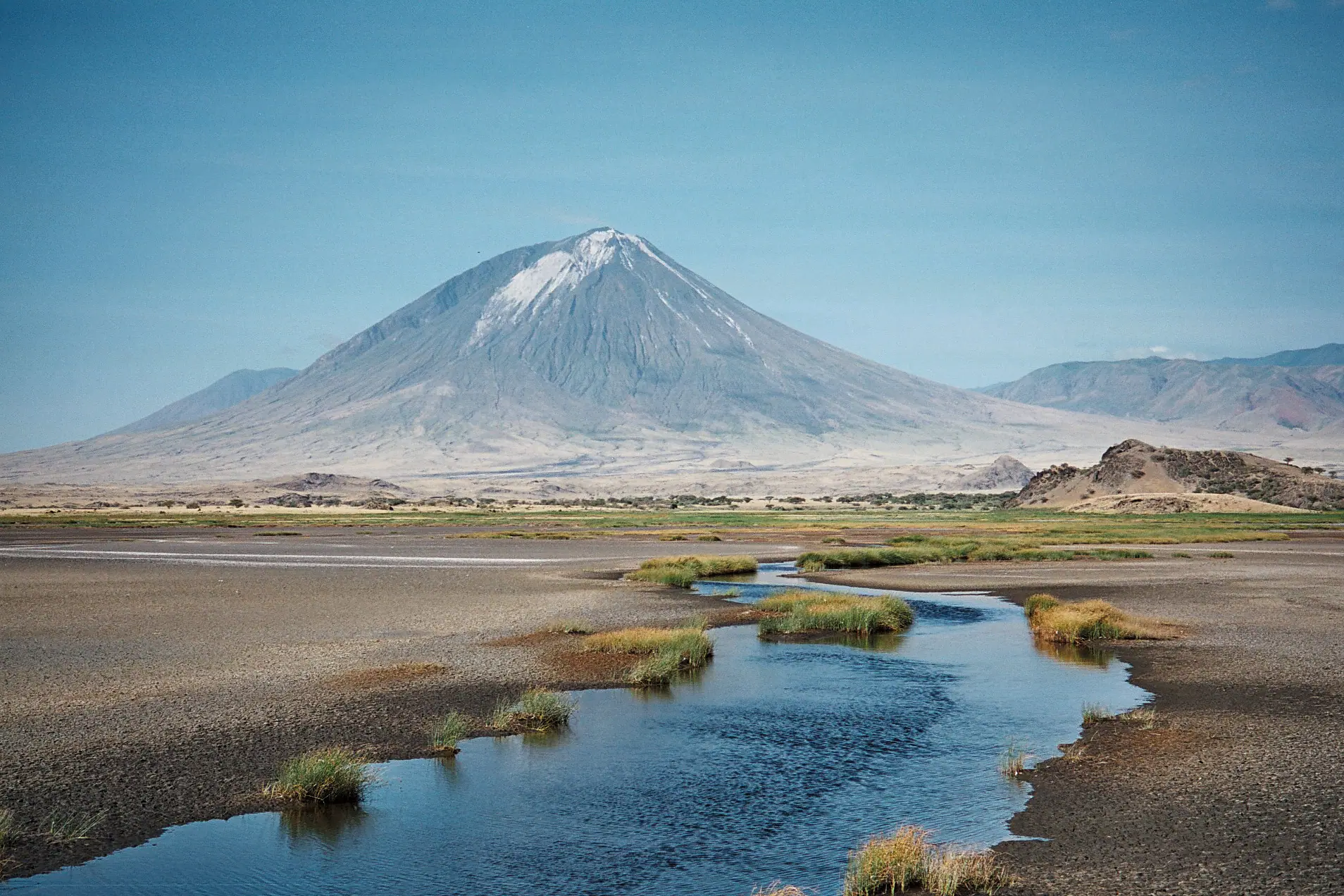
Tanzania sits astride the East African Rift, where the continent is gradually splitting along a system of faults. The Eastern branch gives northern Tanzania its towering escarpments, alkaline lakes and volcanoes, including the active Ol Doinyo Lengai; the Western branch holds Lake Tanganyika, one of the deepest lakes on earth.
Culture & History UNESCOCradle of Humankind
Northern Tanzania holds some of the most significant sites in the study of human origins. Olduvai Gorge, the Laetoli footprints and the rock-art shelters of Kondoa together span millions of years, and the region remains one of the most studied landscapes in palaeoanthropology.
Also in the Northern Circuit

Northern Circuit
Arusha
The green, lively gateway to Tanzania’s northern safari parks.

Northern Circuit
Tarangire National Park
Giant baobabs, big elephant herds and a river that draws wildlife in the dry season.
Northern Circuit
Lake Manyara National Park
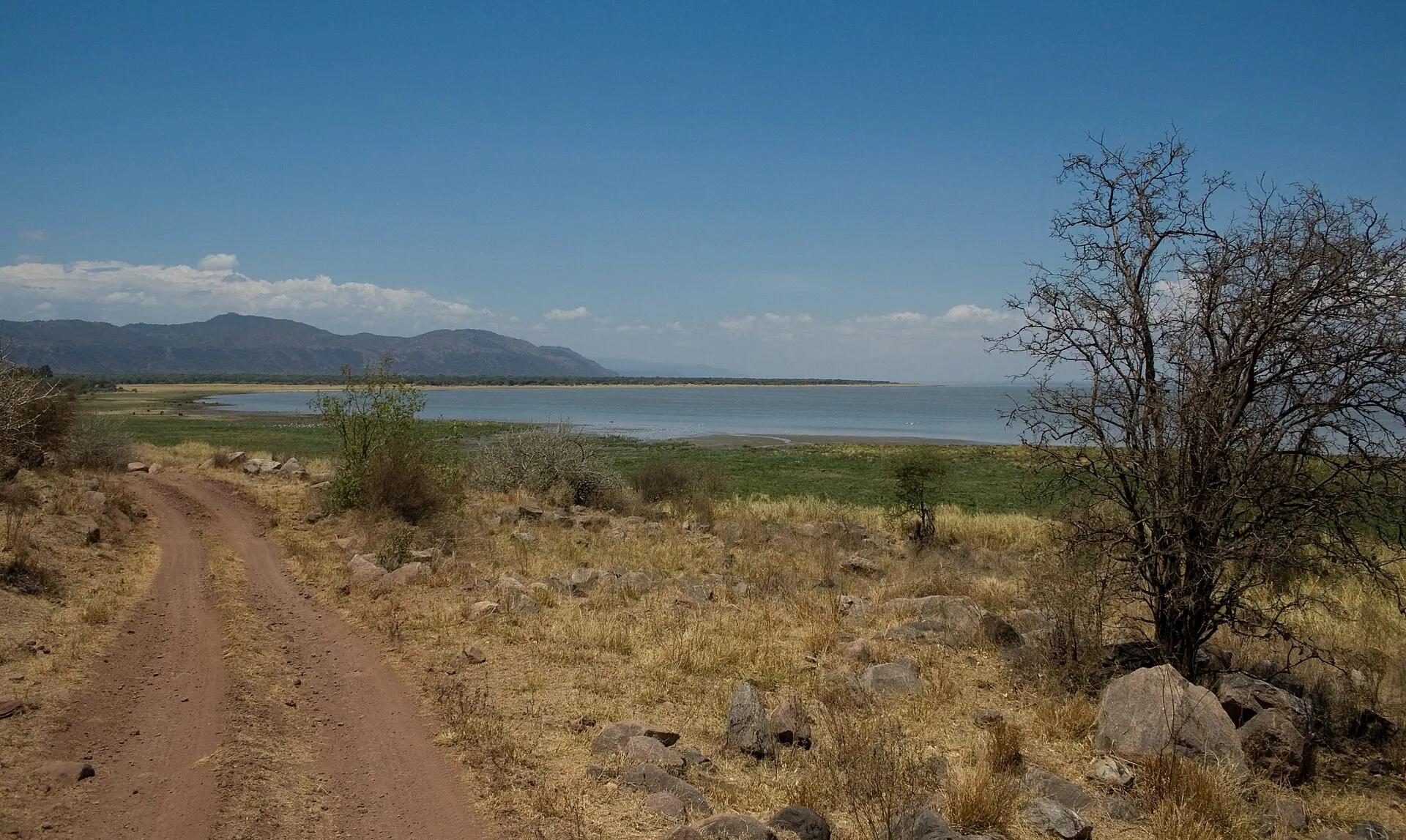
A compact, green park between the Rift Valley wall and a shimmering soda lake.