Western Circuit
Mahale Mountains National Park
Track wild chimpanzees where forested mountains fall straight into Lake Tanganyika.
- Size
- Approximately 1,600 km²
- Altitude
- From roughly 770 m at the lake shore to about 2,460 m at Mount Nkungwe
- Established
- Gazetted as a national park in the mid-1980s (exact year to be confirmed)
- Best for
- Chimpanzee trekking and a remote lake-and-forest wilderness
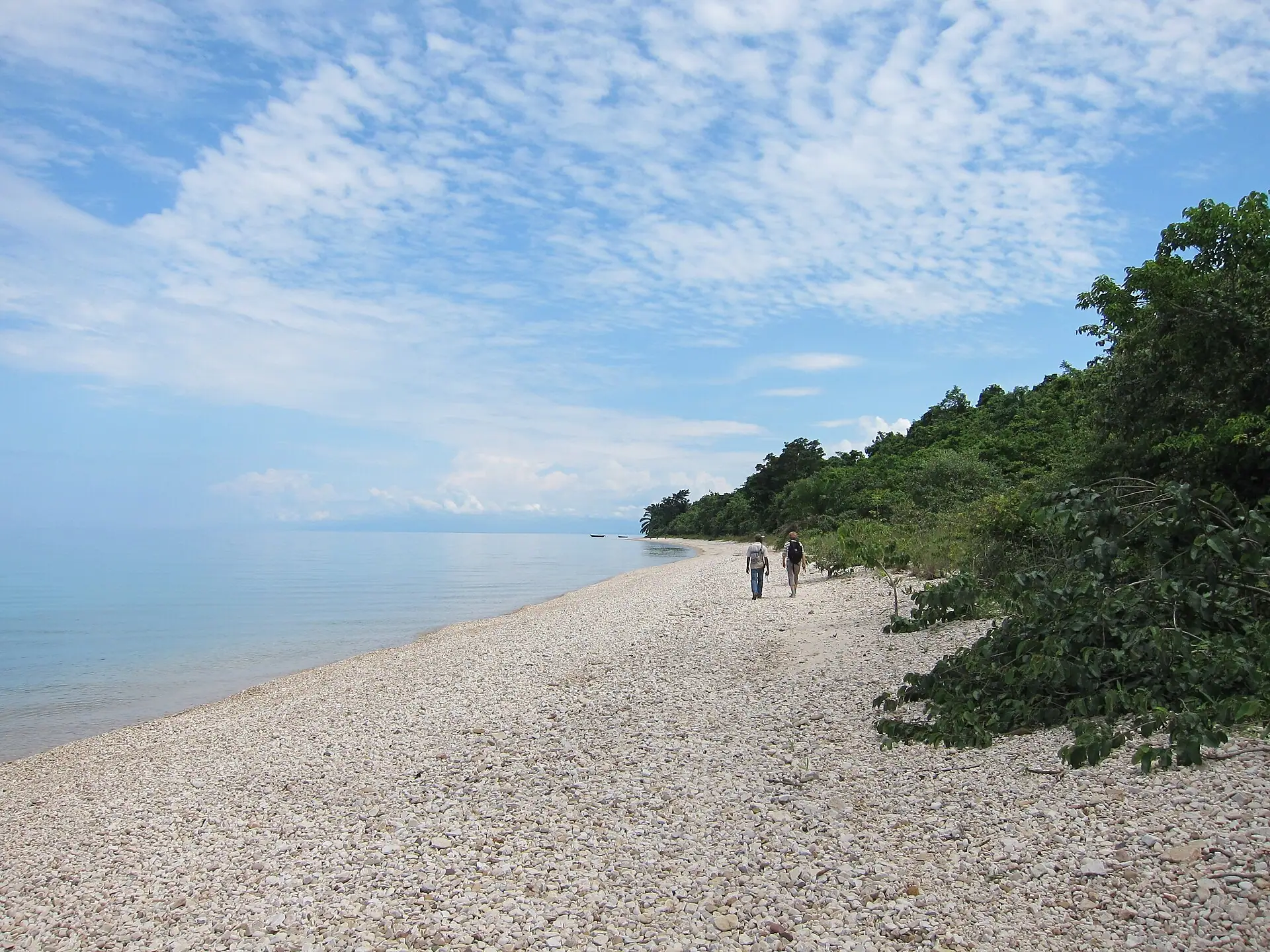
Mahale Mountains National Park covers approximately 1,600 km² on the eastern shore of Lake Tanganyika, in far western Tanzania. There are no roads and no game drives here. You arrive by light aircraft and then by boat along the lake shore, stepping onto a white-sand beach with forested peaks rising behind you — the highest, Mount Nkungwe, reaches roughly 2,460 m.
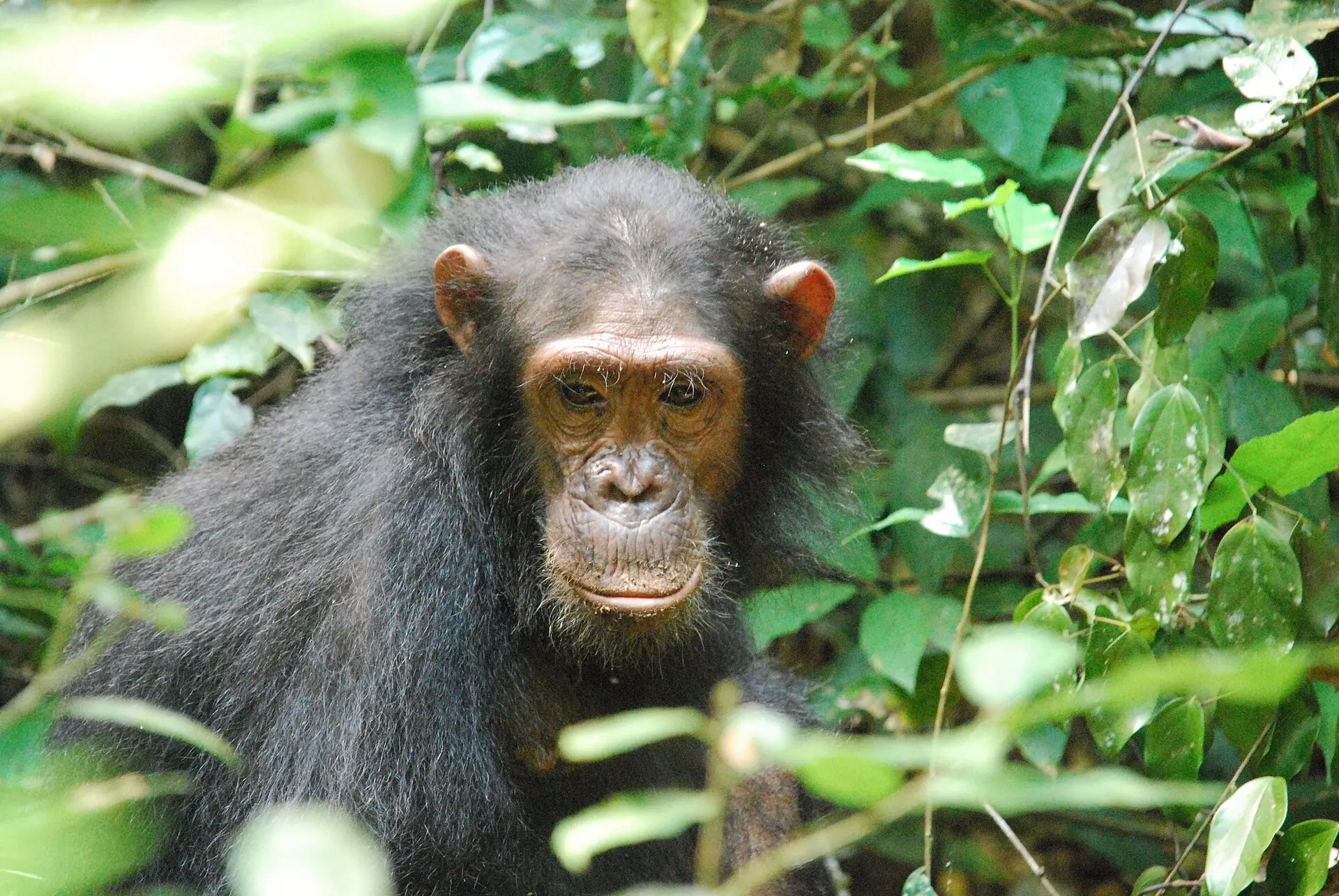
The park protects a large population of wild chimpanzees, including a community that has been studied and gradually habituated by Japanese researchers since the 1960s. Trekking is done on foot with a park guide, following the trackers who locate the chimps each morning. Sightings are likely in a good season but they are never guaranteed: these are wild animals moving freely through steep forest, and some days they are simply high up the mountain.
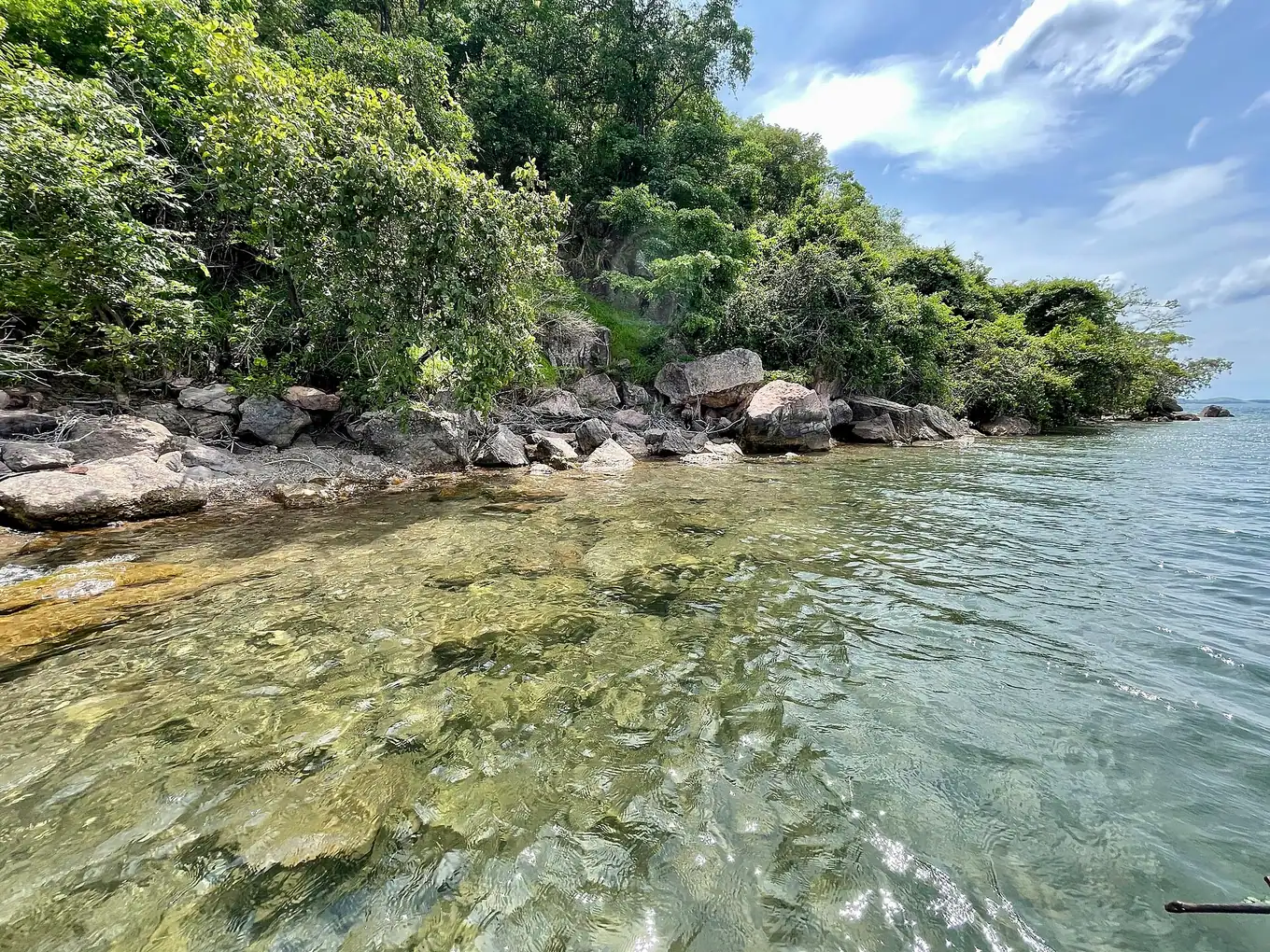
Days at Mahale have an unusual rhythm. A trek may be short or may take several hours of climbing on slippery, root-crossed paths in humid heat; afterwards there is nothing to do but swim in some of the clearest freshwater in the world, kayak along the shore or watch the sun set over the lake towards the Democratic Republic of the Congo.

Highlights
- Trekking on foot to a habituated community of wild chimpanzees
- A long-running primate research presence in the park dating back to the 1960s
- Forested mountains meeting the clear water of Lake Tanganyika
- Swimming, snorkelling and kayaking in the lake, with its many colourful cichlid fish
- Forest walks with a guide for other primates, birds and butterflies
- One of the most remote and least-visited parks in Tanzania, with very few other visitors
Things to do
- Guided chimpanzee trek on foot (permit and park rules apply)
- Forest and waterfall walks with a park guide
- Swimming and snorkelling from the beach
- Kayaking or dhow-style boat trips along the shoreline
- Boat-based sunset cruises on Lake Tanganyika
- Birdwatching and butterfly watching in the forest edge
Wildlife you might see
Wildlife is wild — these are the species people hope for here, never a promise.
- Chimpanzee (the main reason to visit)
- Red colobus, red-tailed monkey, blue monkey and yellow baboon
- Bushbuck, blue duiker and other forest antelope
- Forest birds, including trogons, hornbills and greenbuls
- Colourful cichlid fish in the shallows of Lake Tanganyika
- Occasional signs of leopard and forest buffalo, rarely seen
Planning your visit
- Best time to go
- The dry season, roughly late May to October, is generally the most popular: paths are firmer and the chimps often range lower down the mountain, which can mean shorter treks. The wetter months bring lush forest and good fruiting, but trails are slippery and some camps close. Exact seasonal camp closures need to be confirmed for each year.
- Getting there
- Mahale is fly-in only. Scheduled and charter light aircraft serve an airstrip near the park, usually from Arusha or Dar es Salaam, often with a stop en route; the final leg to camp is by boat along the lake, typically around an hour. Flights to the Western Circuit operate on limited days, so Mahale is planned around the flight schedule rather than the other way round.
- Good to know
- Chimpanzee sightings are likely in a good season but cannot be guaranteed — the chimps are wild and range freely.
- Treks can be steep, hot and humid, sometimes lasting several hours; a reasonable level of fitness and grippy walking shoes are important.
- Park rules are designed to protect the chimps from human disease: visitors keep a set minimum distance (approximately 10 m), face masks are normally required, group sizes and time with the chimps are limited, and anyone with a cold or other illness may be asked not to trek.
- There is typically a minimum age for chimpanzee trekking (commonly 12 years) — to be confirmed for the current season.
- Trekking permits and park entry are limited in number and must be arranged in advance.
- Mahale is genuinely remote: there is no road access, medical facilities are far away and comprehensive travel insurance including evacuation cover is essential.
What to see here
WildlifeChimpanzee Trekking
In the far west of Tanzania, on the steep forested slopes above Lake Tanganyika, communities of wild chimpanzees have been studied and habituated for decades. Trekking to find them is a demanding, humbling walk rather than a game drive, and time with the group is deliberately limited to protect their health.
 Landscapes
The Great Rift Valley
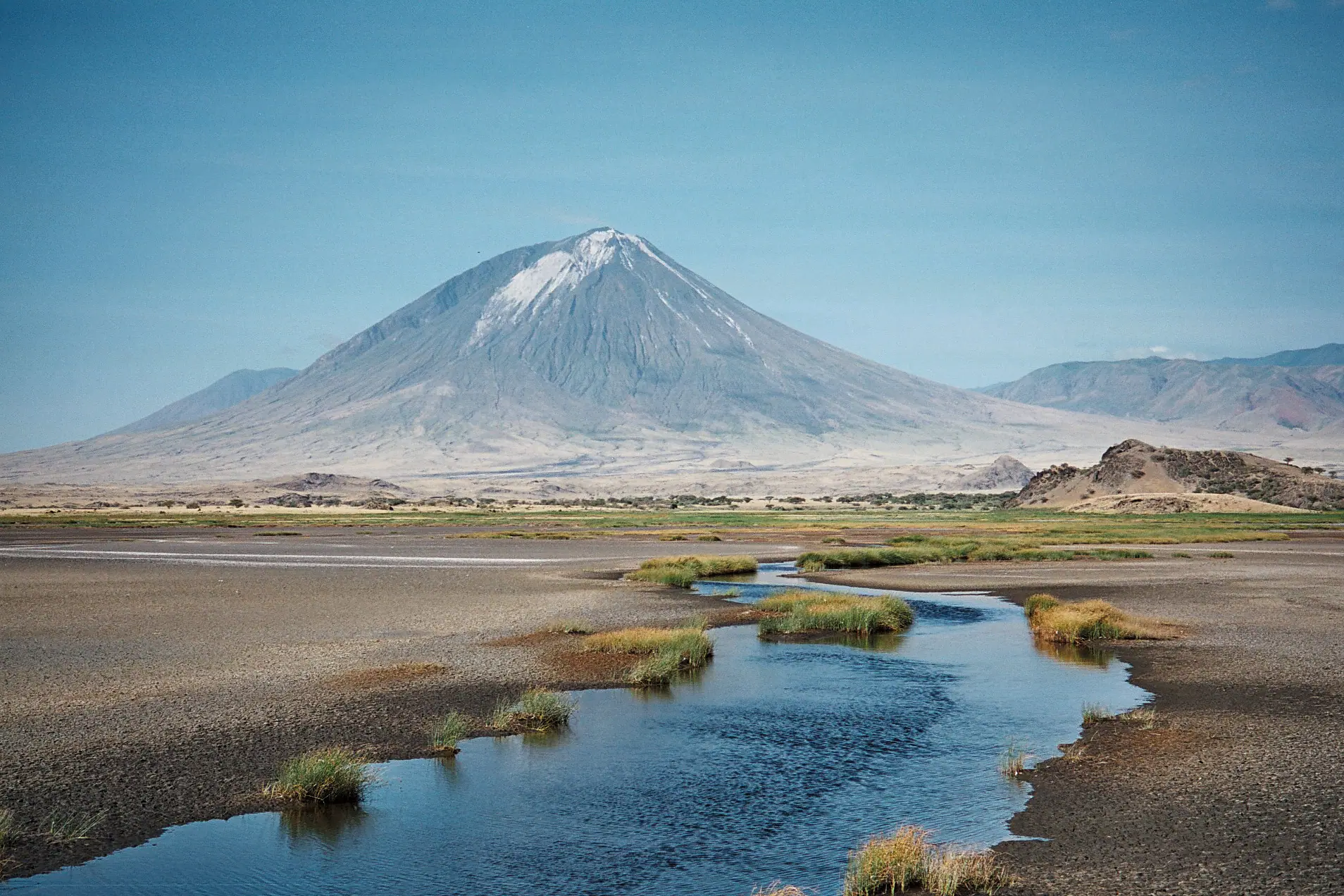
Tanzania sits astride the East African Rift, where the continent is gradually splitting along a system of faults. The Eastern branch gives northern Tanzania its towering escarpments, alkaline lakes and volcanoes, including the active Ol Doinyo Lengai; the Western branch holds Lake Tanganyika, one of the deepest lakes on earth.
AdventureWalking Safaris
A walking safari changes the scale of everything. Instead of covering ground, you slow down to tracks, dung, birdsong and the smell of crushed leaves, guided by a professional walking guide accompanied by an armed ranger as park rules require. It is about understanding rather than ticking off big animals.
 Wildlife
Boat & Canoe Safaris
Where rivers and lakes allow it, a boat safari is one of the most relaxed ways to watch wildlife. Hippos, crocodiles, elephants coming down to drink and an enormous variety of birds are all seen from the water, usually in the soft light of late afternoon.