
Zanzibar & Coast
Dar es Salaam
Tanzania’s largest city — the doorway to the southern parks and the islands.
- Altitude
- At sea level on the Indian Ocean coast
- Established
- Developed from the 1860s by the Sultan of Zanzibar; Tanzania’s largest city and main port
- Best for
- Arrivals and departures, museums, markets and connections to the south and the islands
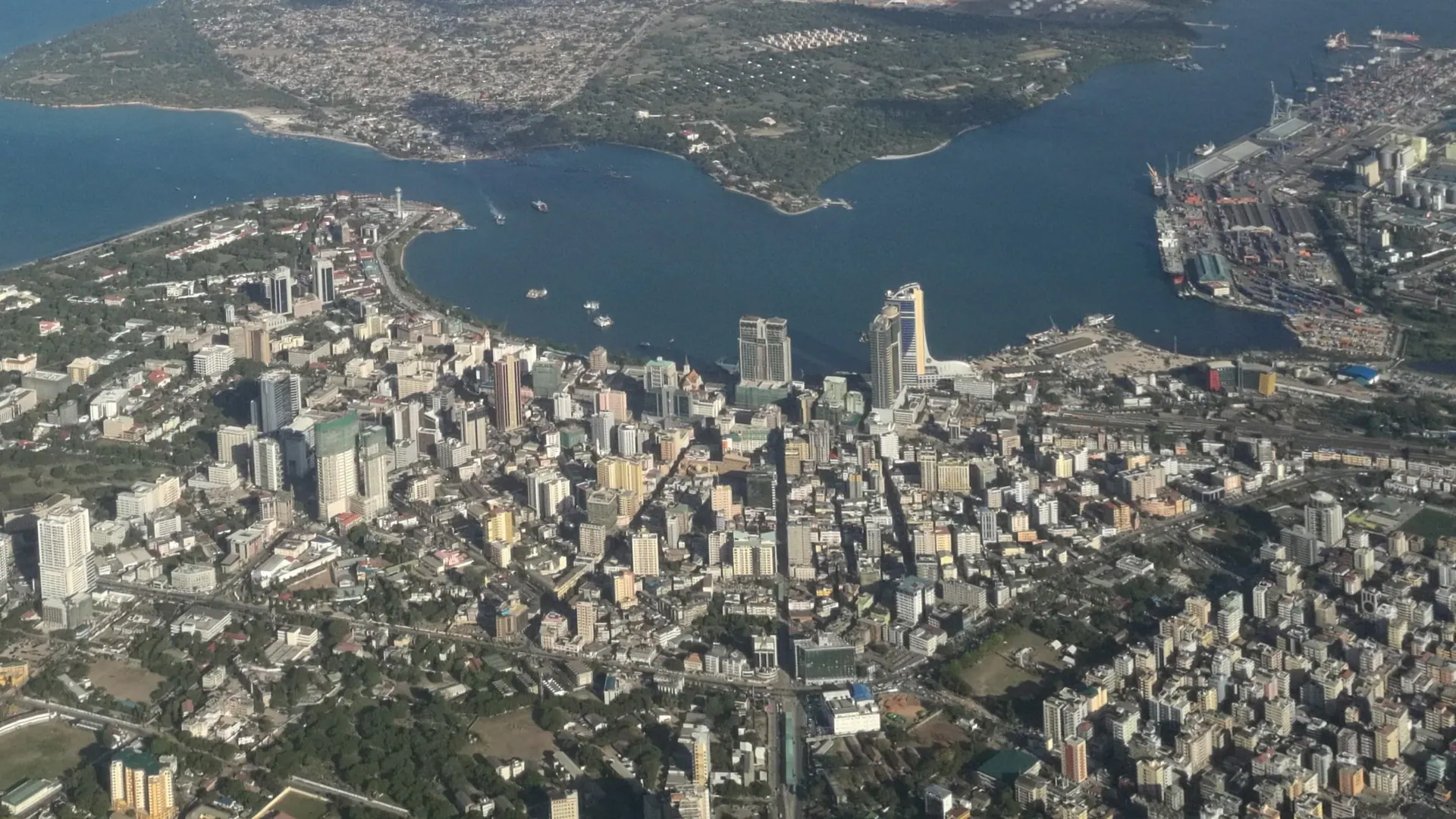
Dar es Salaam — "haven of peace" in Arabic — grew from a small coastal settlement developed by the Sultan of Zanzibar in the 1860s into Tanzania’s largest city, home to several million people. Although Dodoma is the official capital, Dar remains the commercial and transport heart of the country, and most travellers pass through it at least once.
It is not a sightseeing city in the way Stone Town is, and many visitors treat it purely as a transit point. But given a day it repays attention. The National Museum holds the Olduvai and Laetoli material alongside exhibits on the coast’s trading history; the open-air Village Museum gathers traditional dwellings from across Tanzania, with music and dance on some afternoons. Kariakoo market is enormous and unfiltered, and the fish market on the harbour front at Kivukoni is at its best in the early morning, when the boats come in and the auction is in full flow.
Practically, Dar is where journeys split. Light aircraft leave for Nyerere, Ruaha and Mafia; fast ferries cross to Zanzibar in roughly two hours; and the road and rail routes to the south and west begin here. If you have an afternoon, the beaches north at Kunduchi and south at Kigamboni, or a boat out to Bongoyo Island, are an easy way to fill it before an early flight.
Highlights
- The National Museum, including material from Olduvai Gorge and Laetoli
- The Village Museum, with traditional houses from across Tanzania in an open-air setting
- Kariakoo, a vast and genuinely local market
- The Kivukoni fish market on the harbour, best very early in the morning
- Fast ferries to Zanzibar, typically around two hours
- Light-aircraft connections to Nyerere, Ruaha, Mafia and the southern camps
- Easy beach and island escapes at Kigamboni, Kunduchi or Bongoyo Island
Things to do
- Guided city tour taking in the museums, the harbour front and the old colonial-era quarter
- Early-morning visit to the Kivukoni fish market
- Kariakoo market walk with a local guide
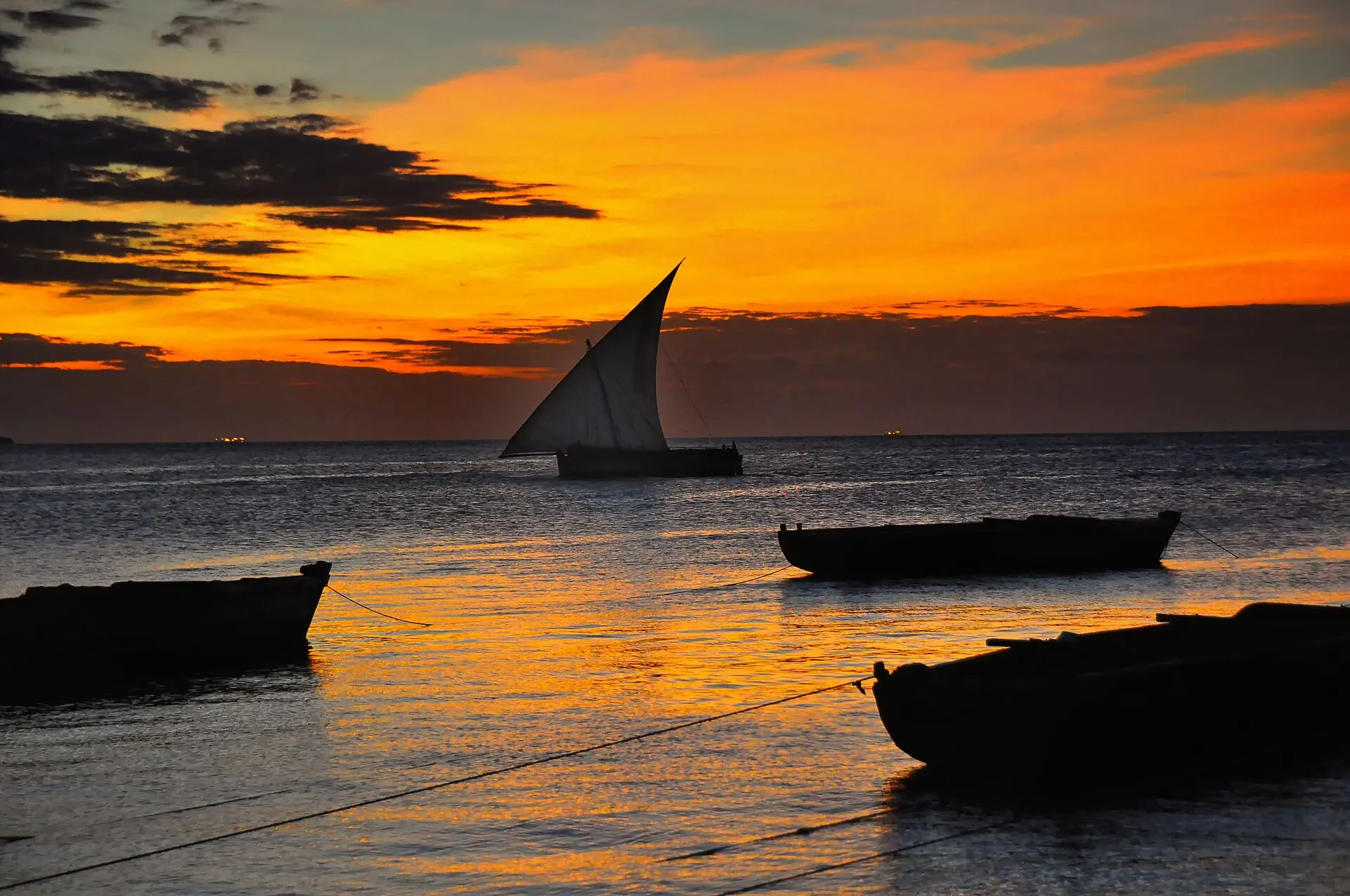
- Boat trip to Bongoyo Island for a swim and grilled fish
- Swahili food tour, from street food to seafood by the water
- Half-day at a beach hotel north or south of the city between flights
Wildlife you might see
Wildlife is wild — these are the species people hope for here, never a promise.
- Reef fish and corals on day trips to Bongoyo and Mbudya Islands
- Green and hawksbill turtles offshore, occasionally seen on boat trips
- Colobus and vervet monkeys in the coastal forest patches outside the city
- Fruit bats roosting in city trees at dusk
- Shorebirds, herons and kingfishers along the creeks and mangroves
- Crab plovers and terns on the sandbanks, seasonally
Planning your visit
- Best time to go
- Dar es Salaam is hot and humid year-round. The most comfortable months are roughly June to October, when it is drier and a little cooler. The long rains (roughly March to May) bring heavy downpours and street flooding; the short rains around November are usually lighter.
- Getting there
- Julius Nyerere International Airport (DAR) is the country’s busiest, with international flights and domestic connections to Zanzibar, Arusha, Kilimanjaro, Mafia and the southern airstrips. Fast ferries to Zanzibar leave from the terminal near Kivukoni, typically taking around two hours, and the main highways north to Arusha and south-west to Iringa start here.
- Good to know
- Traffic is heavy and unpredictable — allow generous time for airport and ferry transfers, especially at rush hour.
- It is hot and humid; light, loose clothing and plenty of water make a real difference.
- Dress modestly in markets and older neighbourhoods; much of the coast is Muslim.
- Take normal city precautions: avoid displaying phones, cameras and jewellery in crowds, and use arranged transport at night.
- Only use official ferry ticket offices, and keep your passport with you for the Zanzibar crossing.
What to see here
 Culture & History UNESCO
Cradle of Humankind
Northern Tanzania holds some of the most significant sites in the study of human origins. Olduvai Gorge, the Laetoli footprints and the rock-art shelters of Kondoa together span millions of years, and the region remains one of the most studied landscapes in palaeoanthropology.
 Culture & History UNESCO
Stone Town & the Swahili Coast
For more than a thousand years the Swahili coast linked East Africa to Arabia, Persia, India and beyond, carried by the monsoon winds. Stone Town, Bagamoyo, Kilwa Kisiwani and Pemba preserve the architecture, language and food of that exchange — and also its hardest history, the East African slave trade.
 Ocean
OceanSnorkelling & Diving
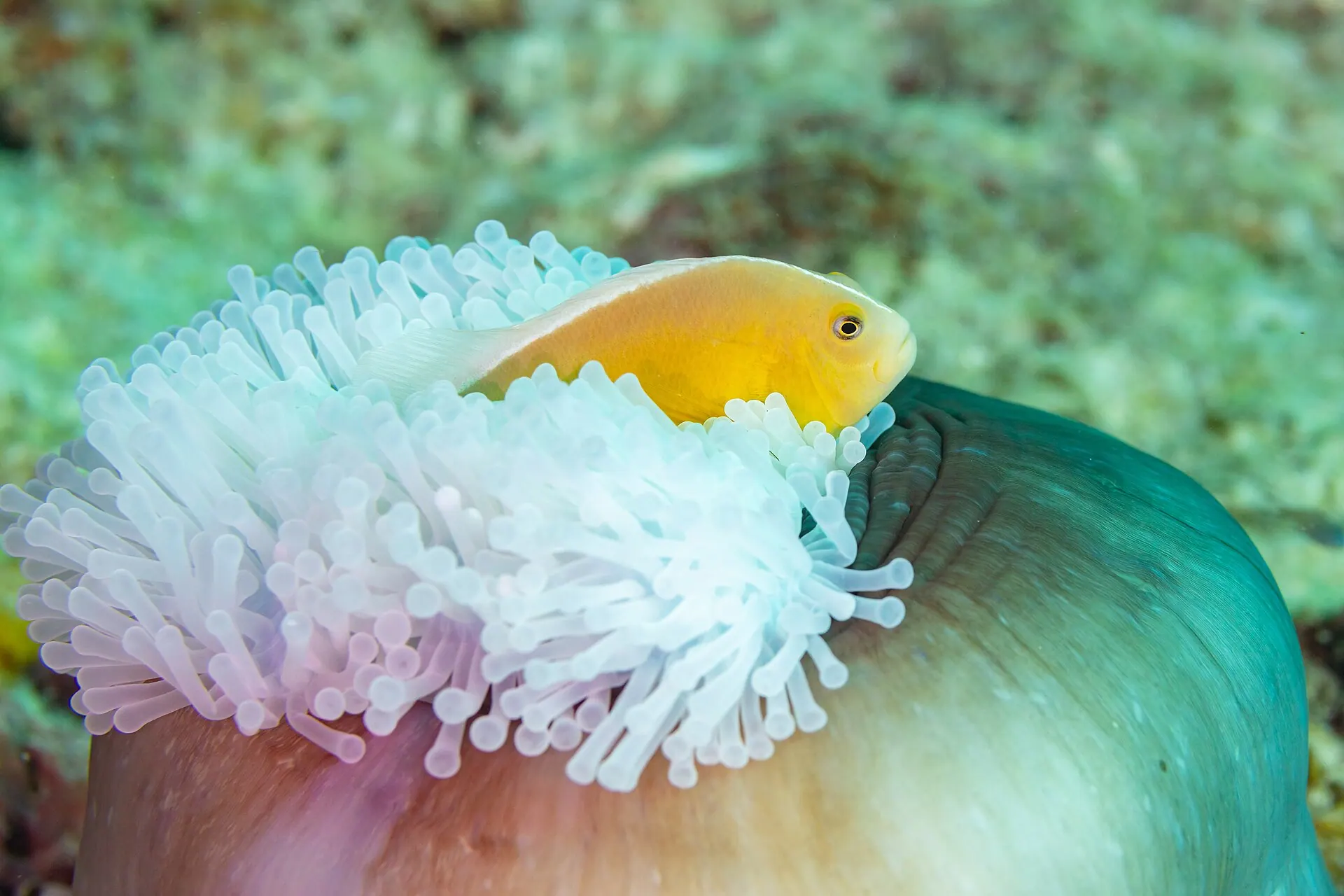
Tanzania’s Indian Ocean reefs range from shallow coral gardens ideal for first-time snorkellers to the steep walls of the Pemba Channel, which suit experienced divers. Water is warm year-round, visibility varies with season and tide, and the reefs themselves need care from everyone who visits them.
 Ocean
OceanWhale Sharks of Mafia
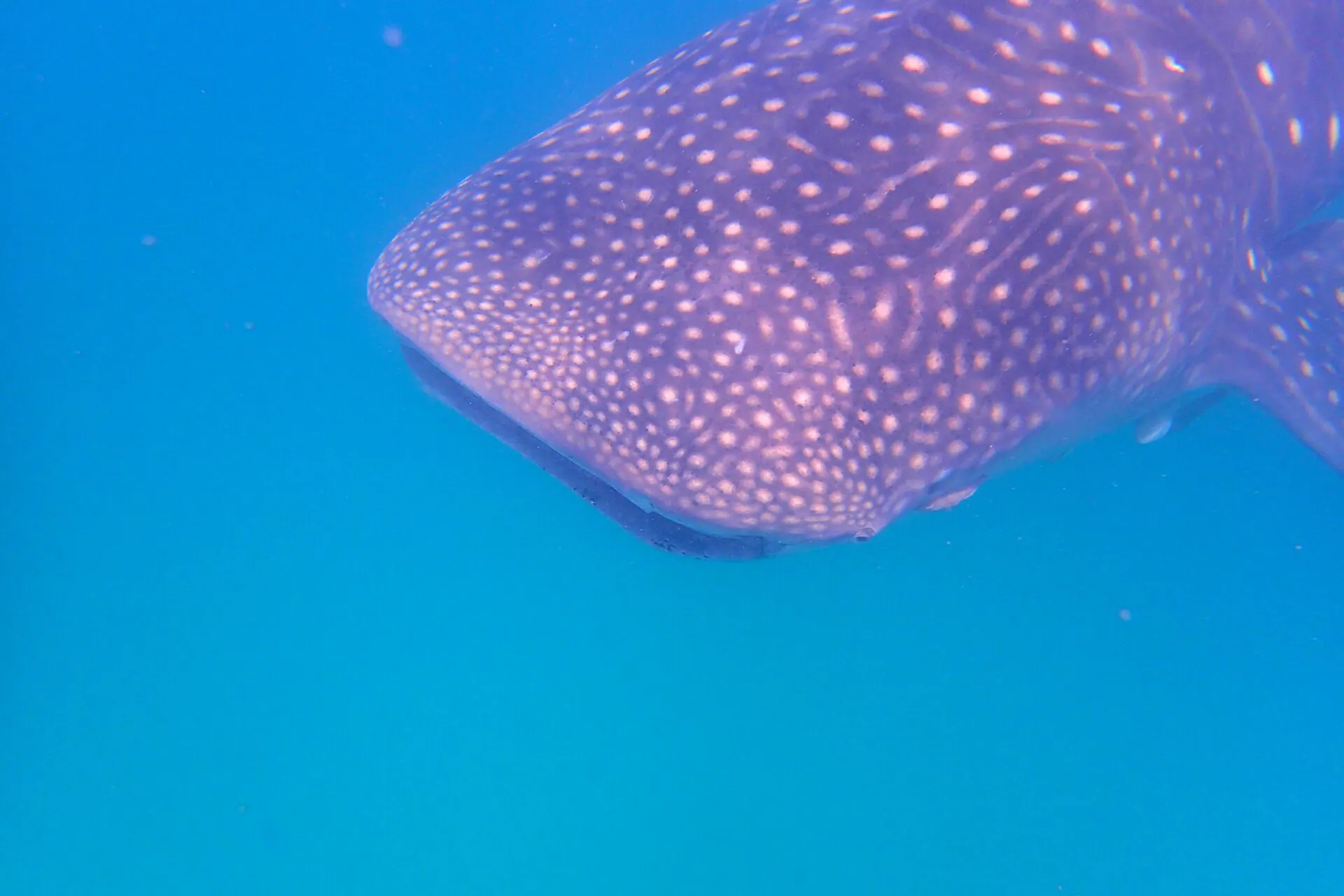
Whale sharks gather in the plankton-rich water off Mafia Island for part of the year, typically from around October to March. Snorkelling with them is a remarkable experience and a strictly managed one — they are wild animals in open water, and sightings are never guaranteed.


