Central & Highlands
Kondoa Rock-Art Sites
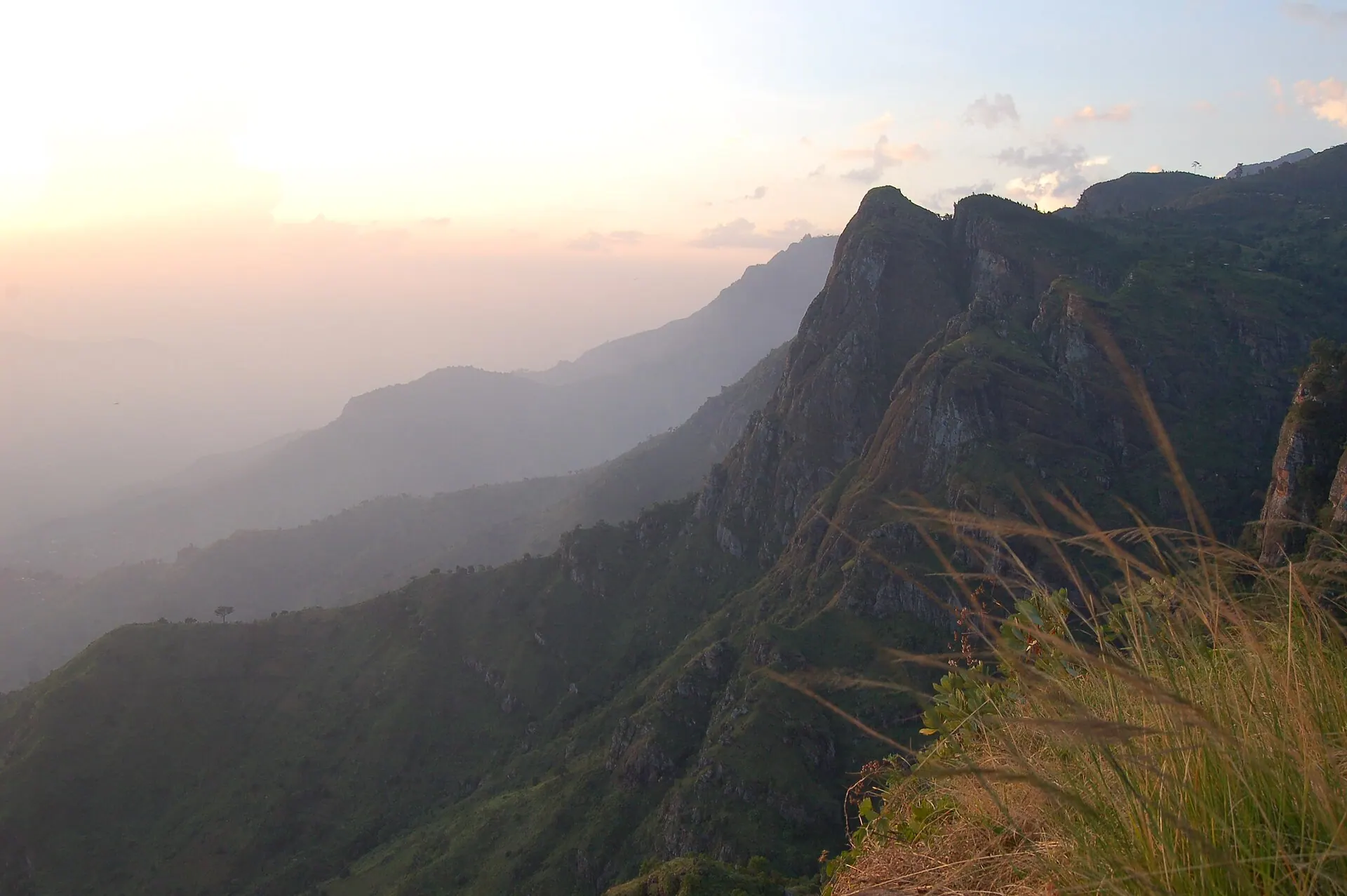
Thousands of years of painting on the rock shelters of the Masai escarpment.
UNESCO World Heritage Site — Kondoa Rock-Art Sites, inscribed as a UNESCO World Heritage Site in 2006.
- Size
- The inscribed property covers approximately 2,300 km² and includes more than 150 painted shelters
- Altitude
- Approximately 1,000–1,500 m along the escarpment
- Established
- Inscribed by UNESCO in 2006; the paintings themselves span thousands of years
- Best for
- Rock art, archaeology and travellers going well off the safari routes
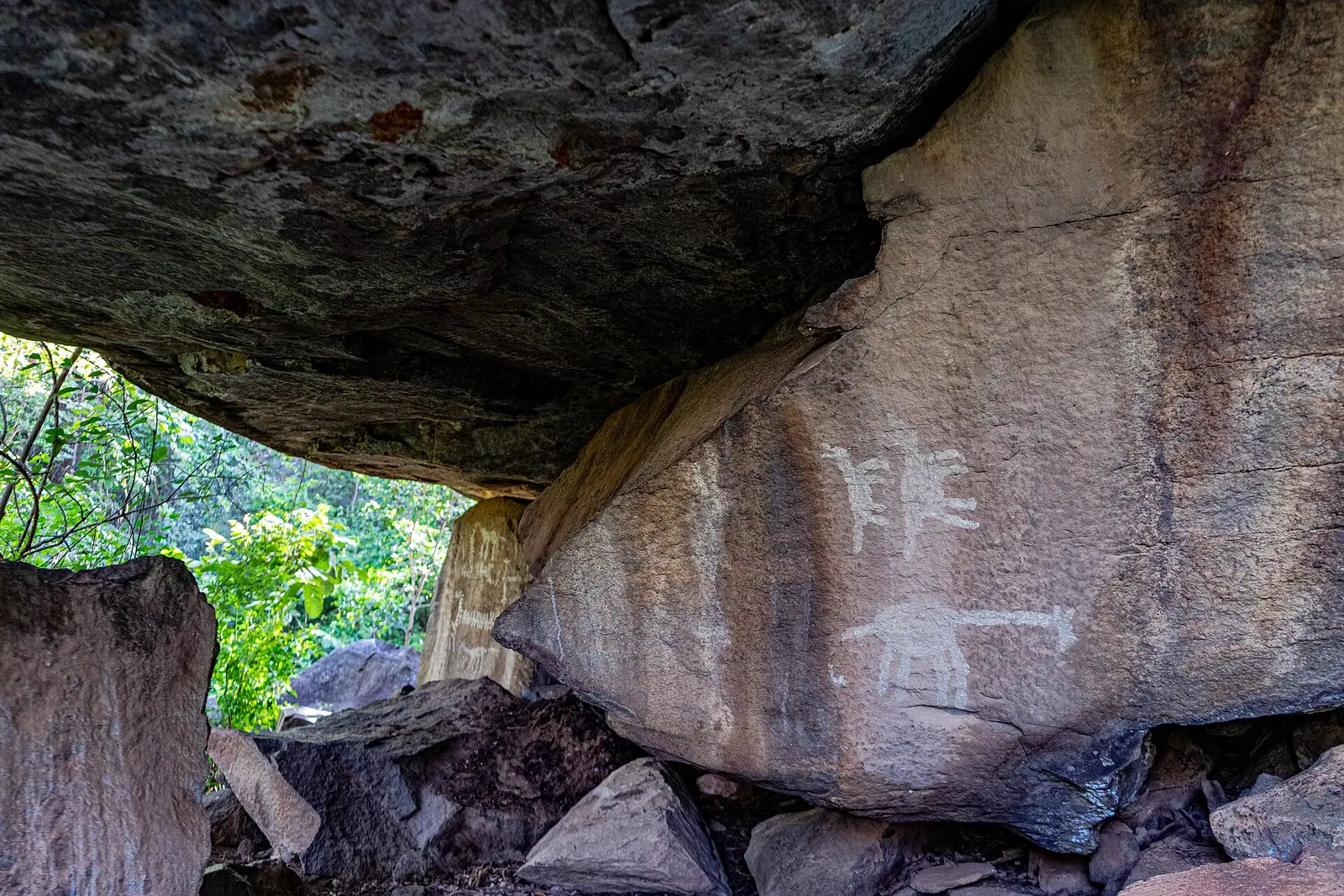
Spread across the hills above the small town of Kondoa, and reached from the village of Kolo, more than a hundred and fifty natural rock shelters carry paintings on their walls and overhangs. The images range from elegant red outline figures of people and animals — giraffe, eland, elephant, hunters with bows — to later, cruder white paintings of geometric shapes and stylised figures associated with agricultural communities.
Dating rock art is difficult and the sequence here is still debated. The older red paintings are generally thought to be at least two thousand years old, with considerably earlier dates proposed by some researchers, while the white paintings are much more recent. What is not in doubt is the continuity: some shelters have been used and repainted over very long spans of time, and a number of them still hold ritual meaning for local communities today.
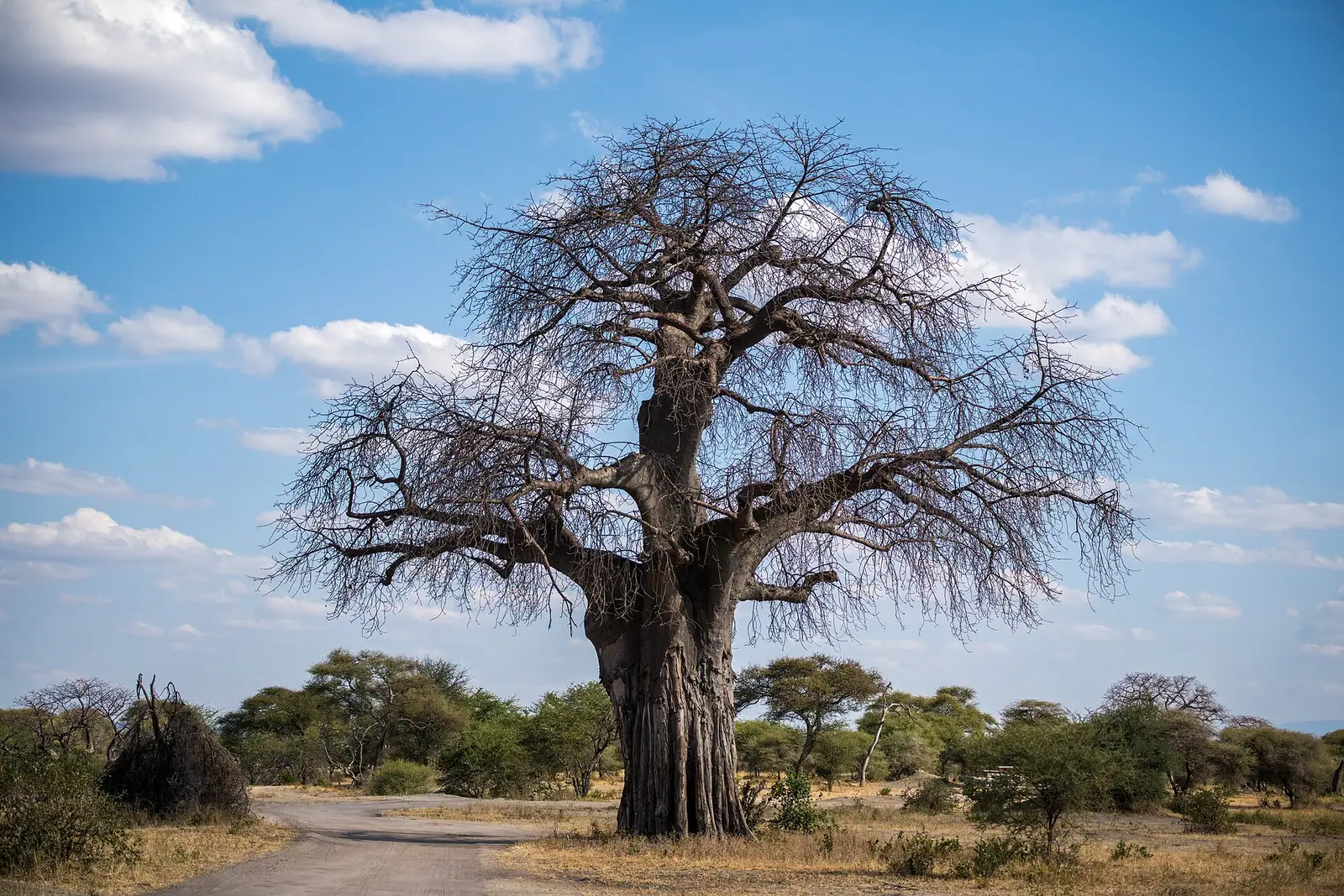
Visiting takes effort. You register at the Department of Antiquities office in Kolo, take a local guide, drive a rough track into the hills and then walk up to each shelter. Three of the best-known sites — usually referred to as Kolo B1, B2 and B3 — can be seen in a morning. It is hot, dusty and steep in places, and there is nothing polished about the experience, but standing in a shelter in front of a two-thousand-year-old giraffe, with baobabs and the escarpment falling away below, is not something you forget.
Highlights
- A UNESCO World Heritage Site inscribed in 2006, and one of the least-visited in East Africa
- Red outline paintings of people, giraffe, eland and elephant on shelter walls
- Later white paintings that record a different period and way of life
- Guided walks up to the Kolo shelters with Department of Antiquities guides
- Baobab-studded escarpment country with long views over the plains
- Shelters that remain in ritual use by local communities
- Almost no other visitors, even in high season
Things to do
- Guided visit to the Kolo rock shelters, typically a half day
- Longer visits to more remote painted shelters, with a full day and a 4x4
- Walks in the escarpment hills with a local guide
- Visit Kondoa town and its market
- Landscape and rock-art photography (ask your guide about flash and lighting restrictions)
Wildlife you might see
Wildlife is wild — these are the species people hope for here, never a promise.
- Rock hyrax around the shelters
- Vervet monkey and olive baboon
- Kirk’s dik-dik in the thorn scrub
- Hornbills, barbets and rollers in the woodland
- Raptors soaring along the escarpment
- Agama lizards on the warm rock faces
Planning your visit
- Best time to go
- The dry season, roughly June to October, is much the easiest: the access tracks are rough and can become impassable during the rains (roughly November to May). Go early in the day — the walks are steep and the middle of the day is very hot.
- Getting there
- Kolo is on the main road between Dodoma and Arusha, roughly 20 km north of Kondoa town. It is typically around four to five hours by road from Dodoma and a long day’s drive from Arusha, so most visitors include it as a stop on an overland journey through central Tanzania rather than as a day trip. A 4x4 is needed for the track up to the shelters.
- Good to know
- You must register and take a guide at the Department of Antiquities office in Kolo; you cannot visit the shelters unaccompanied.
- The walks up to the shelters are short but steep and rocky — wear proper shoes and carry water.
- Never touch, wet or mark the paintings; skin oils and water damage the pigments permanently.
- Some shelters are sacred to local communities; follow your guide’s instructions about behaviour and photography.
- Accommodation nearby is basic; many travellers stay in Kondoa or continue to Dodoma or Babati the same day.