
Zanzibar & Coast
Zanzibar
Spice-scented history, turquoise water and white-sand beaches.
UNESCO World Heritage Site — Stone Town of Zanzibar, inscribed as a UNESCO World Heritage Site in 2000.
- Size
- Unguja, the main island, covers approximately 1,660 km²
- Altitude
- At sea level, rising to little more than 100 m
- Best for
- Beaches, reefs, Swahili history and a relaxed finish after safari
Zanzibar is a semi-autonomous part of Tanzania, made up of the main island of Unguja (usually simply called Zanzibar), Pemba and many smaller islands. For centuries it was a hub of Indian Ocean trade, and its culture reflects a mix of African, Arab, Persian, Indian and European influences.
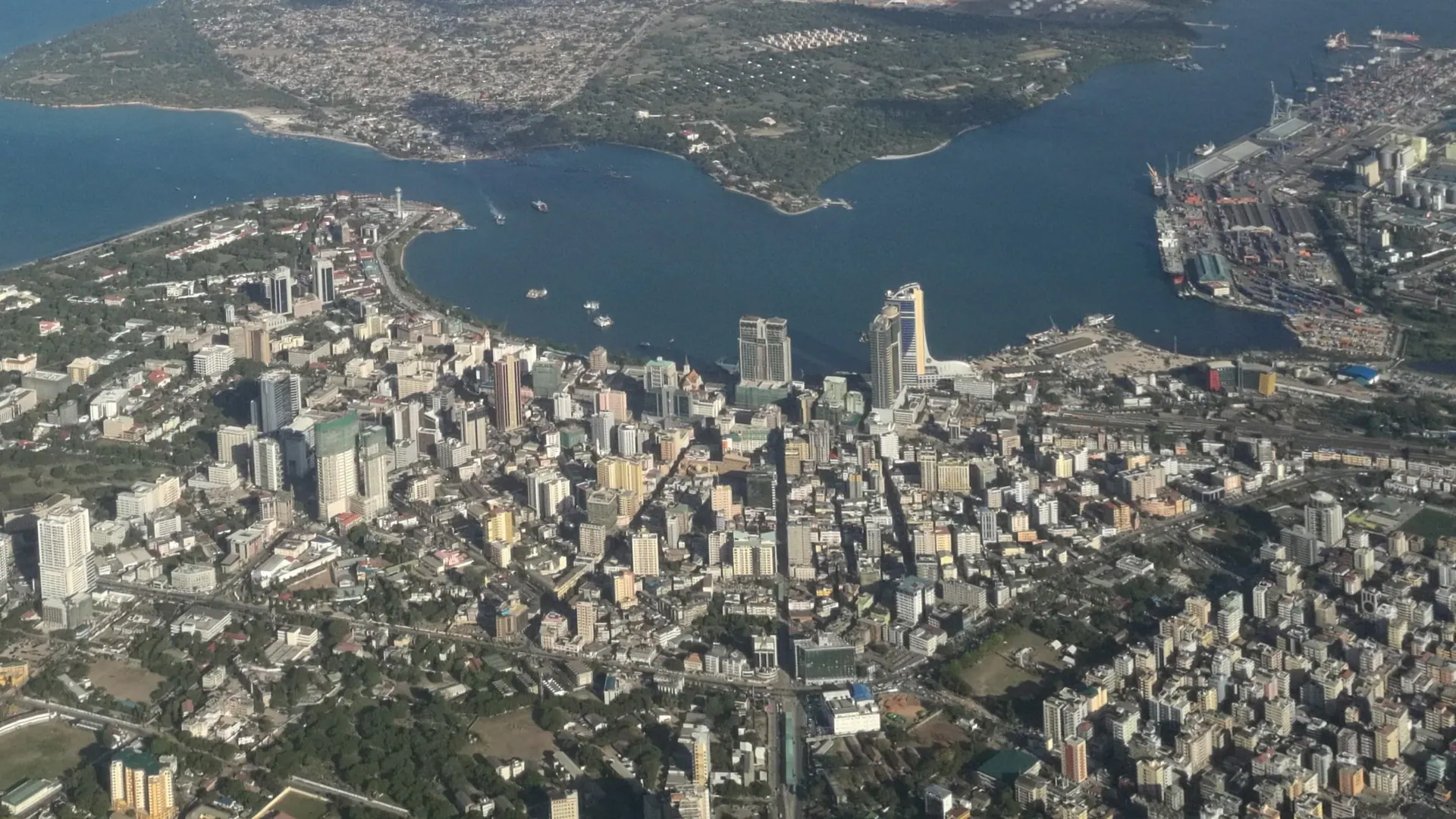
At its heart is Stone Town, a UNESCO World Heritage Site of narrow alleys, carved wooden doors, bustling markets and historic buildings. A guided walk brings the stories to life — from the old trading history and the dark legacy of the slave trade to the island’s vibrant food and music today.
Beyond the town, the coastline is lined with palm-fringed beaches. The north (around Nungwi and Kendwa) is known for swimming at most states of the tide and beautiful sunsets, while the east coast (such as Paje, Jambiani and Matemwe) has wide tidal lagoons, seaweed farms and some of the best kitesurfing in the region.

Highlights
- Stone Town, a UNESCO World Heritage Site
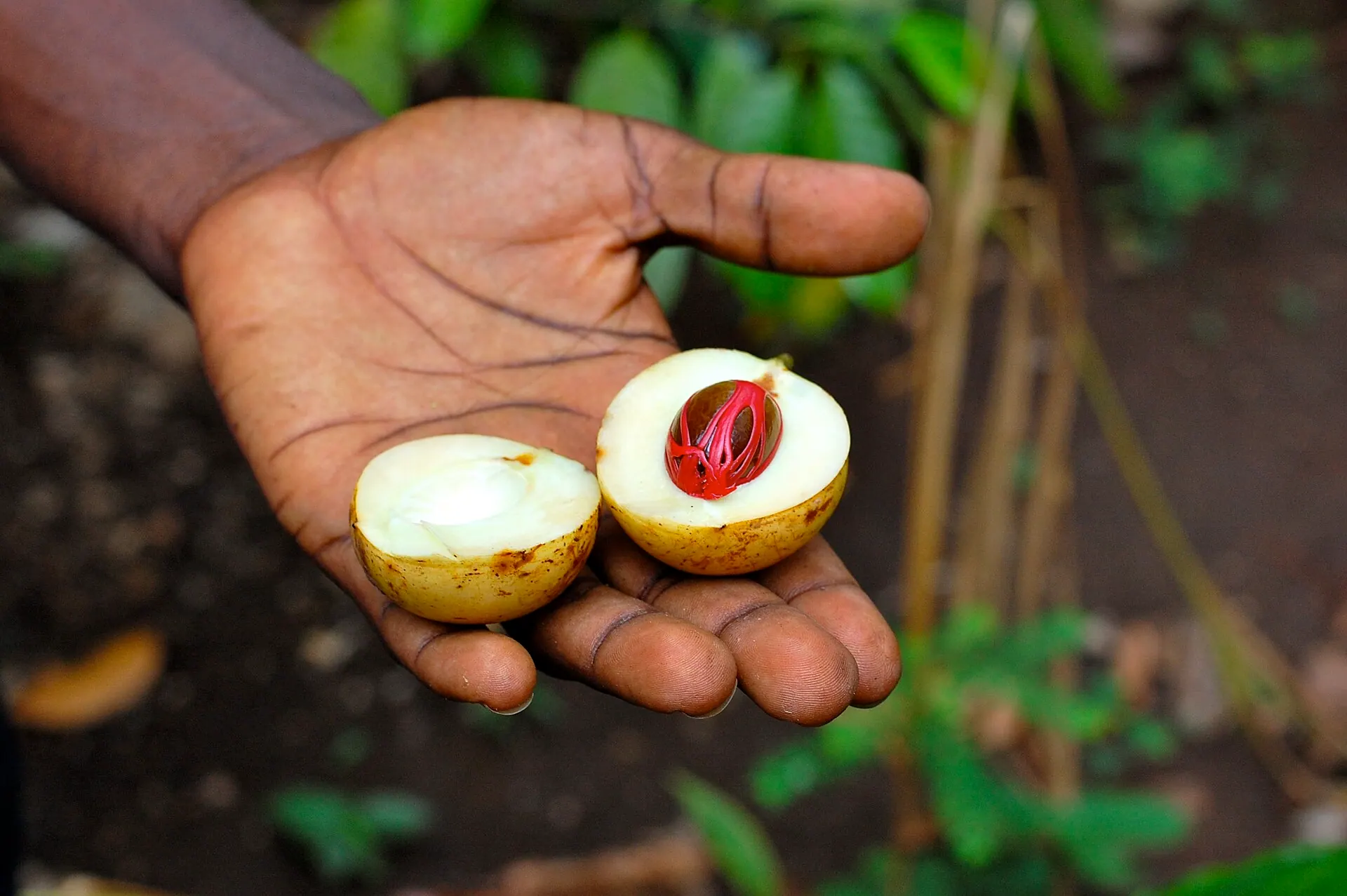
- Spice farm tours to learn about cloves, vanilla, cinnamon and more
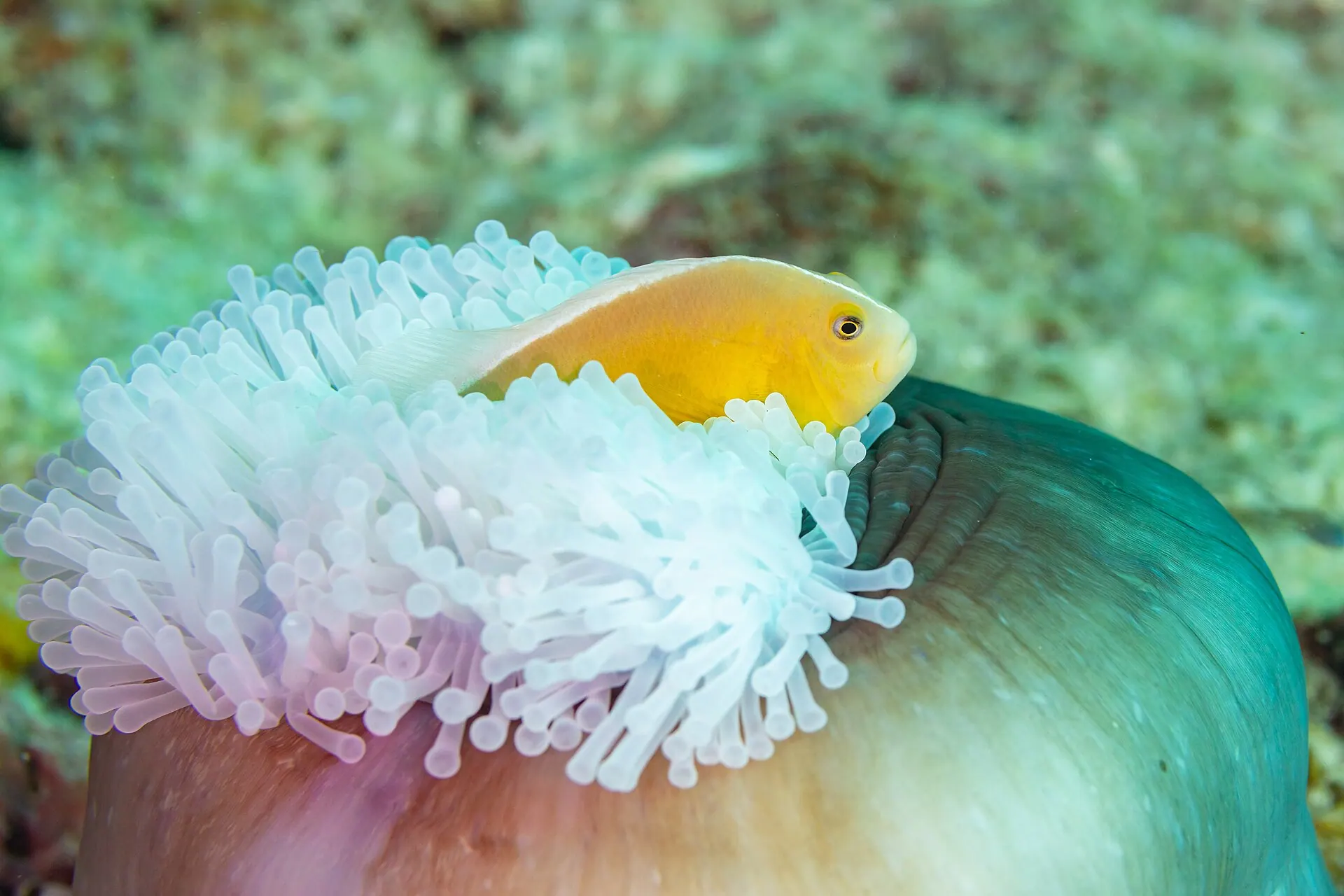
- Snorkelling and diving on coral reefs, such as around Mnemba Atoll
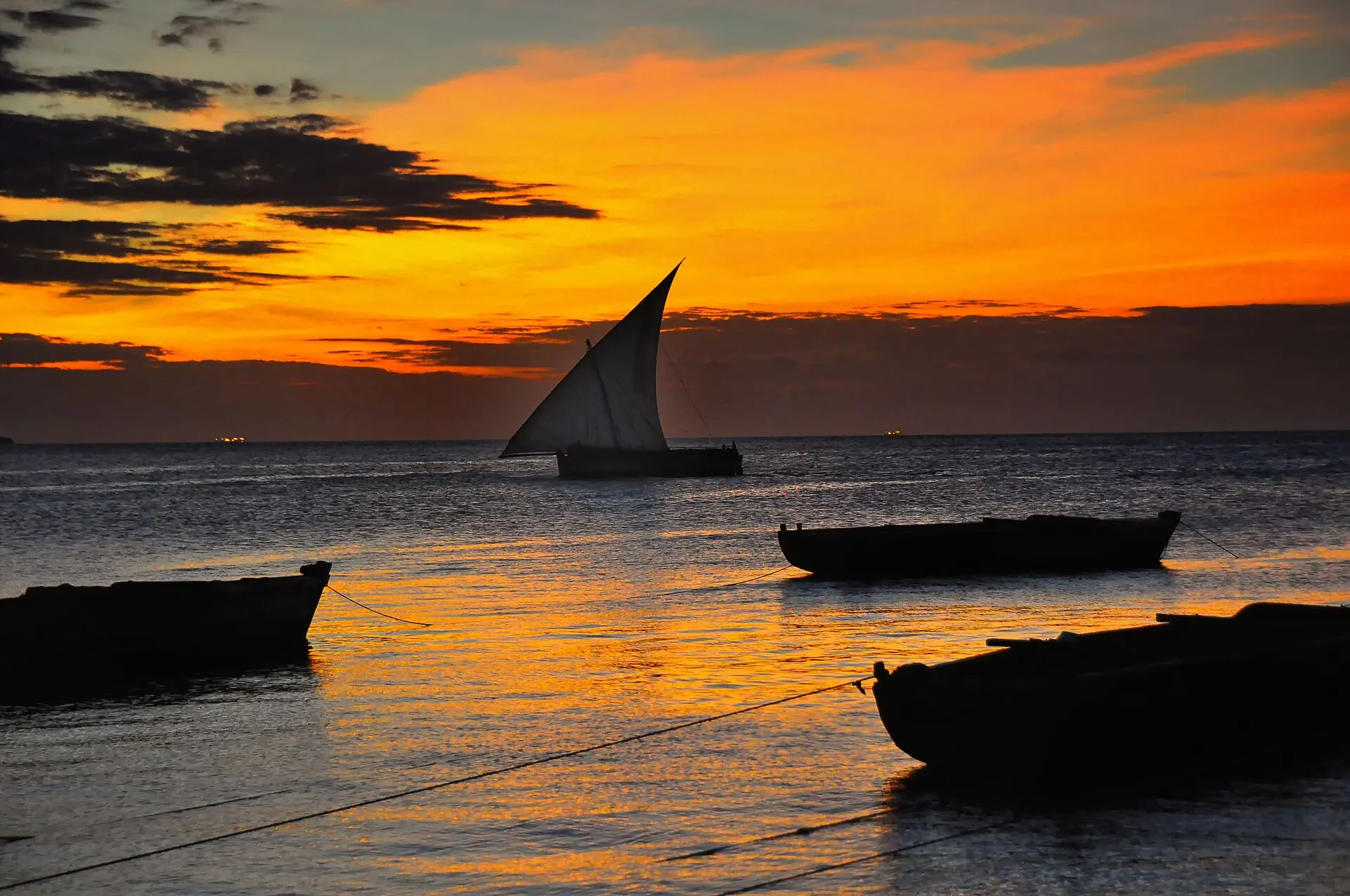
- Traditional dhow sunset cruises
- Jozani Forest, home to the endemic Zanzibar red colobus monkey
- Beautiful beaches for relaxing after safari
- Swahili food, from street food at Forodhani Gardens to seafood by the sea
Things to do
- Guided Stone Town walking tour
- Spice farm visit with a local guide
- Snorkelling or scuba diving trips
- Sunset dhow cruise
- Jozani Forest nature walk
- Kitesurfing lessons on the east coast (seasonal)
Wildlife you might see
Wildlife is wild — these are the species people hope for here, never a promise.
- Zanzibar red colobus monkey in Jozani Forest — endemic to the island and reliably seen there, though never guaranteed
- Sykes’ monkey and Ader’s duiker in the forest reserves (the duiker is rare and seldom seen)
- Green and hawksbill turtles on reef dives and snorkelling trips
- Bottlenose and humpback dolphins off the south coast (sightings vary; choose operators that keep their distance)
- Reef fish in abundance — parrotfish, angelfish, moray eels and reef sharks around Mnemba Atoll
- Zanzibar bush baby, heard and sometimes seen at night
- Humpback whales passing offshore, occasionally, around August to October
Planning your visit
- Best time to go
- The driest and most popular months are roughly June to October and late December to February. The long rains (roughly March to May) bring heavy showers and some hotels close; the short rains (roughly November) are usually lighter.
- Getting there
- Zanzibar’s international airport has direct flights from several countries, as well as frequent domestic flights from Dar es Salaam, Arusha and Kilimanjaro, and from safari airstrips via connections. Fast ferries also link Dar es Salaam and Zanzibar, typically in around two hours.
- Good to know
- Zanzibar is predominantly Muslim — please dress modestly in Stone Town and villages, covering shoulders and knees.
- Zanzibar currently requires visitors to hold Zanzibar-specific inbound travel insurance; we’ll confirm the latest rules when you book.
- On the east coast the tide goes out a long way; check tide times if swimming is a priority.
- During Ramadan, eating, drinking and smoking in public during daylight should be avoided out of respect.
- Only book boat trips and marine activities with reputable operators that follow safety and reef-protection practices.
What to see here
Culture & History UNESCOStone Town & the Swahili Coast
For more than a thousand years the Swahili coast linked East Africa to Arabia, Persia, India and beyond, carried by the monsoon winds. Stone Town, Bagamoyo, Kilwa Kisiwani and Pemba preserve the architecture, language and food of that exchange — and also its hardest history, the East African slave trade.
OceanSnorkelling & Diving
Tanzania’s Indian Ocean reefs range from shallow coral gardens ideal for first-time snorkellers to the steep walls of the Pemba Channel, which suit experienced divers. Water is warm year-round, visibility varies with season and tide, and the reefs themselves need care from everyone who visits them.
 Ocean
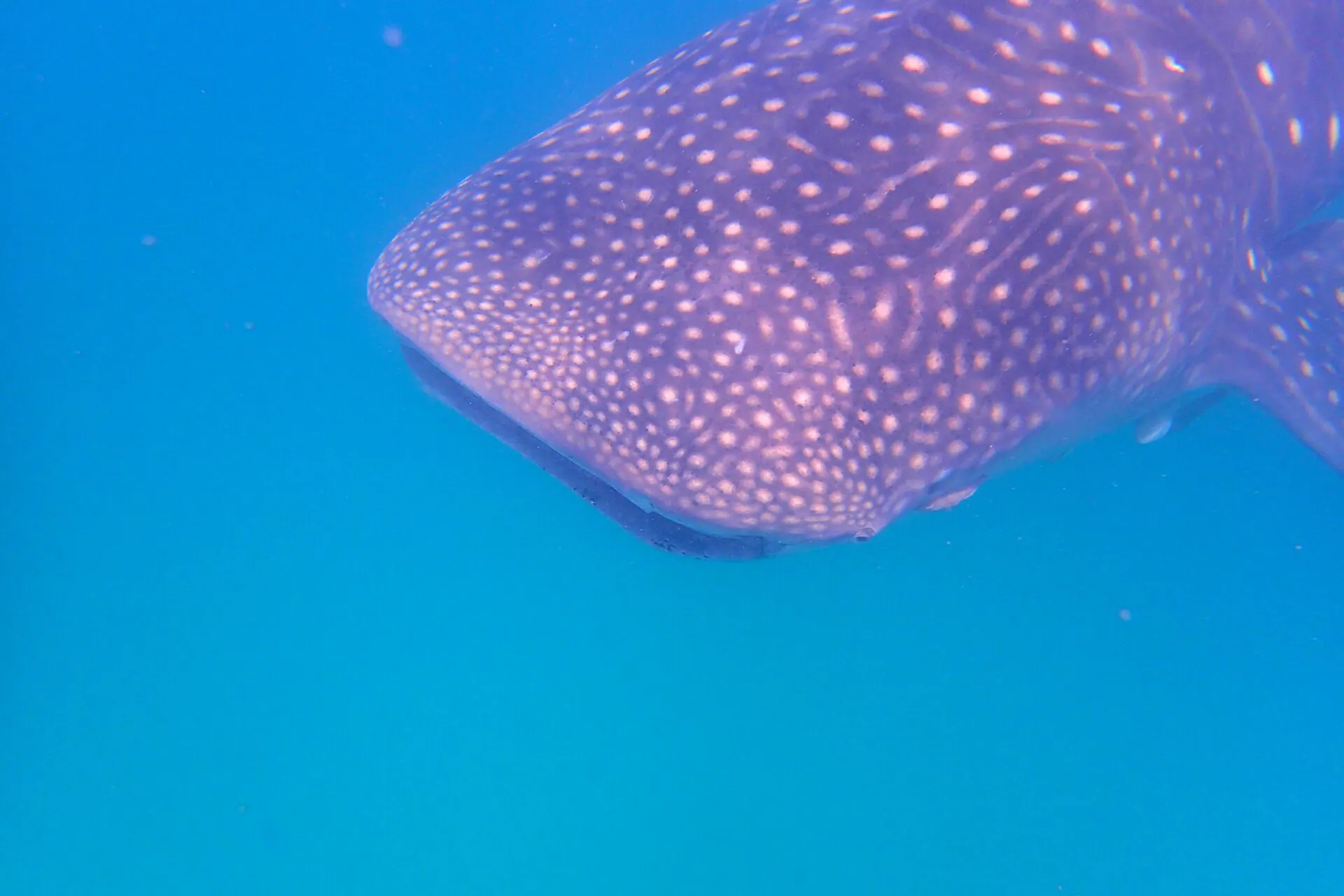
OceanWhale Sharks of Mafia
Whale sharks gather in the plankton-rich water off Mafia Island for part of the year, typically from around October to March. Snorkelling with them is a remarkable experience and a strictly managed one — they are wild animals in open water, and sightings are never guaranteed.
Journeys that visit Zanzibar
10 days · 9 nightsTanzania Safari & Zanzibar Escape
The Northern Circuit’s great parks, followed by Stone Town and the white sands of Zanzibar
Arusha · Tarangire National Park · Serengeti National Park · Ngorongoro Conservation Area · Zanzibar
6 days · 5 nightsZanzibar Island Escape
Stone Town’s history, spice farms, red colobus monkeys and the turquoise Indian Ocean
Zanzibar
 12 days · 11 nights
Tailor-Made Tanzania Journey
An example 12-day journey — safari, culture and beach — reshaped entirely around you
Arusha · Tarangire National Park · Serengeti National Park · Ngorongoro Conservation Area · Lake Manyara National Park · Zanzibar