

Northern Circuit
Ngorongoro Conservation Area
A vast volcanic caldera teeming with wildlife — and a living Maasai homeland.
UNESCO World Heritage Site — Ngorongoro Conservation Area, inscribed as a UNESCO World Heritage Site in 1979, recognised both for its wildlife and volcanic landscape and for the archaeological record at Olduvai Gorge and Laetoli.
- Size
- Approximately 8,300 km² for the conservation area; the crater floor covers roughly 260 km²
- Altitude
- Crater rim approximately 2,300 m; crater floor approximately 1,700 m
- Established
- Ngorongoro Conservation Area established in 1959
- Best for
- Black rhino, dense crater wildlife and Maasai highland culture
Formed when a large volcano collapsed millions of years ago, the Ngorongoro Crater is roughly 20 km across, with walls around 600 m high. Its floor, covering approximately 260 km², holds grassland, swamps, a soda lake and small forests — and a high density of wildlife that stays largely within the crater year-round.
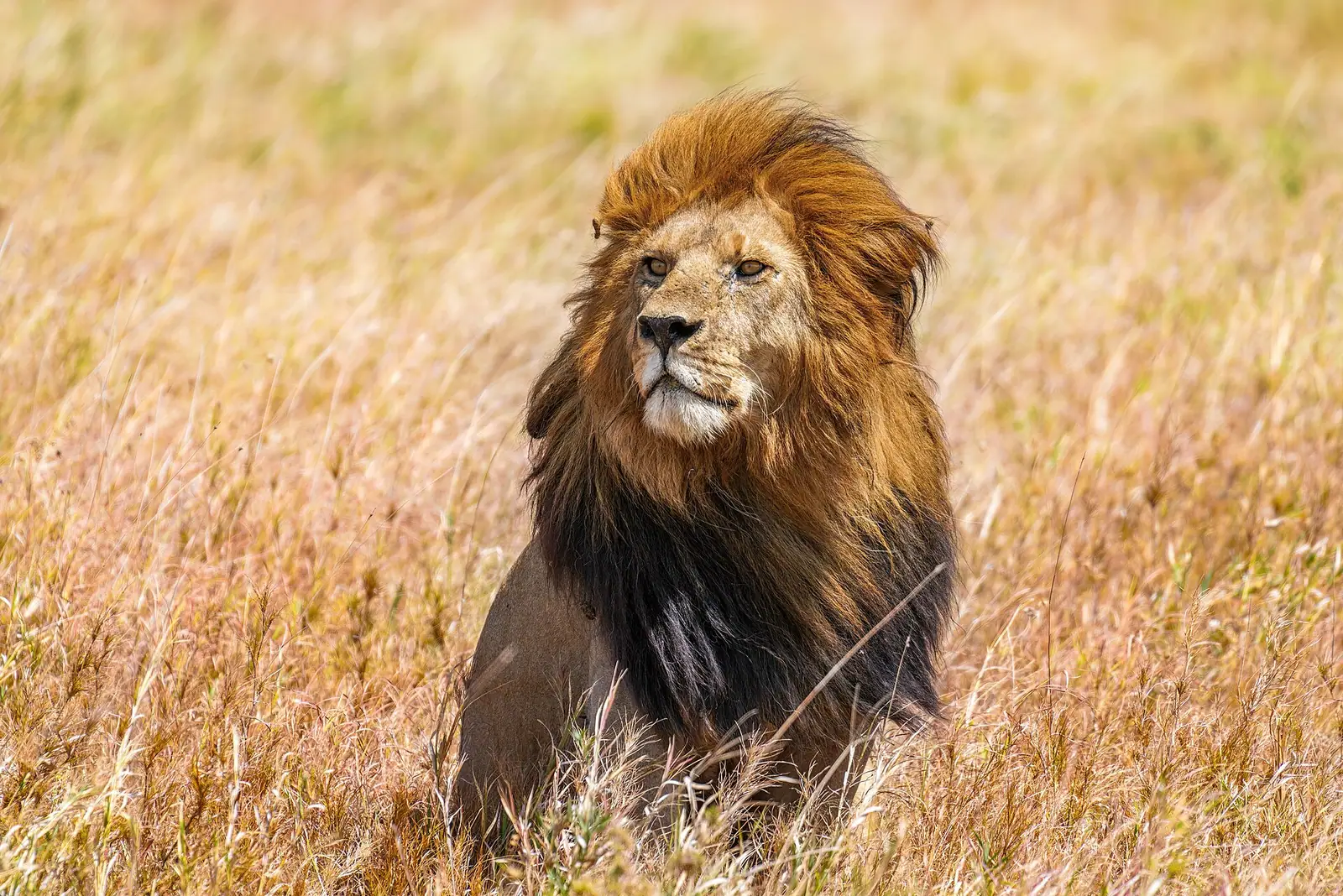
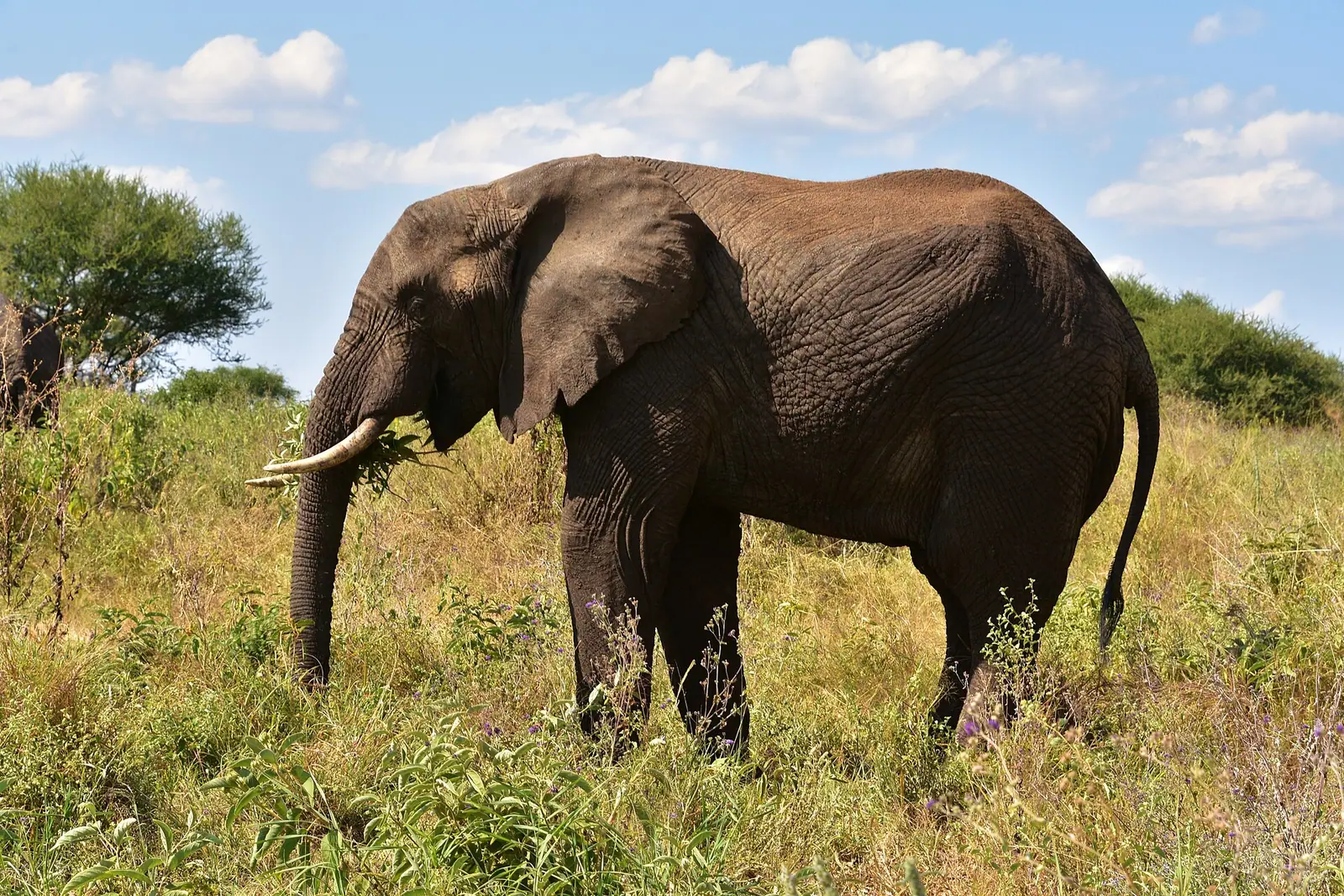
A day on the crater floor can bring sightings of lions, elephants, buffaloes, wildebeest, zebras, hippos, hyenas and flamingos. It is also one of the best places in Tanzania to see the endangered black rhino, although sightings are never guaranteed.
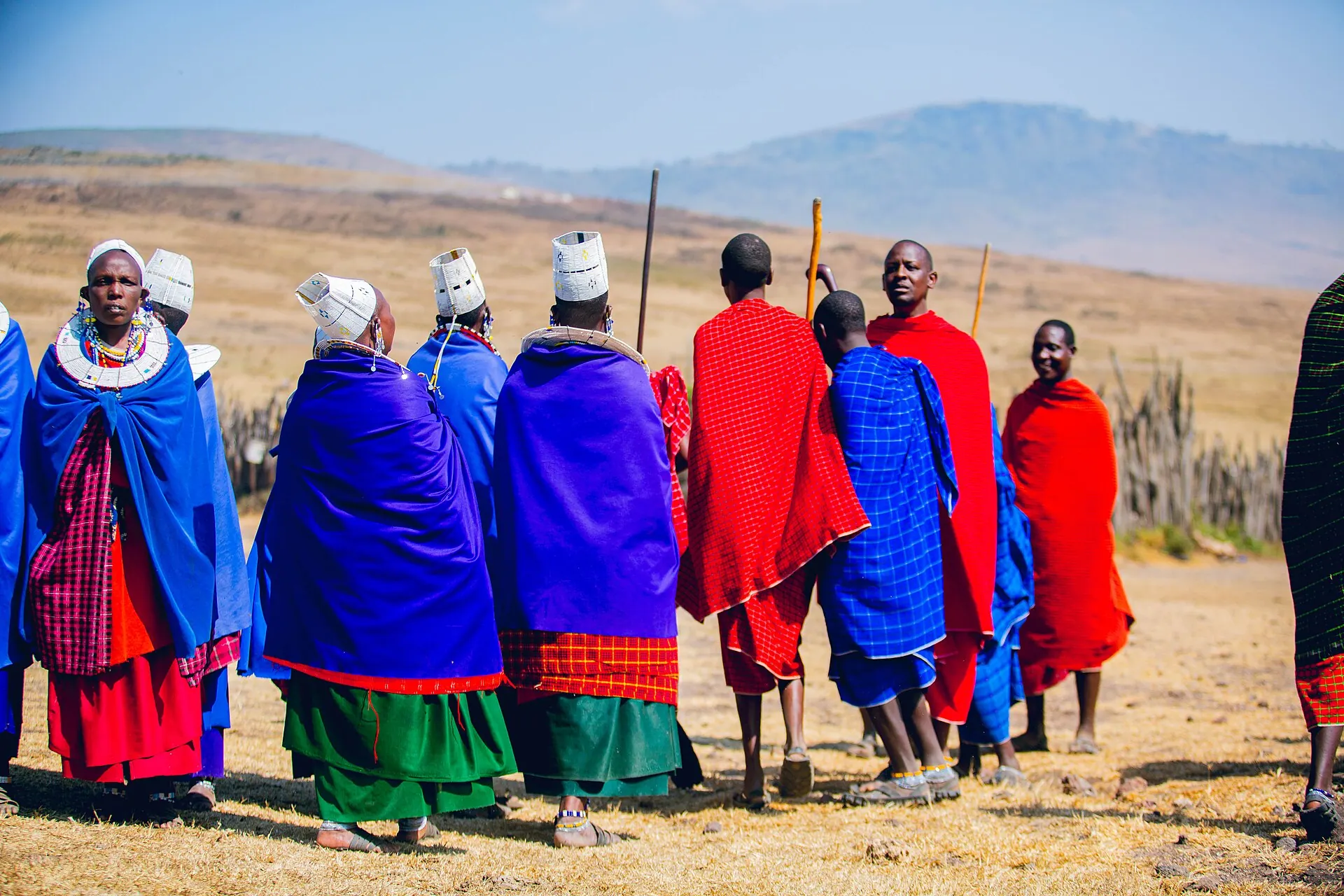
Ngorongoro is a multiple-use conservation area where people and wildlife share the land, and Maasai herders are a familiar sight in the highlands. Nearby, Olduvai Gorge is one of the world’s most important sites for understanding human origins, with a small museum that is well worth a stop on the way to the Serengeti.
Highlights
- Game drive on the crater floor, one of Africa’s most spectacular wildlife settings
- A good chance of seeing endangered black rhino (not guaranteed)
- Sweeping views from the crater rim
- Olduvai Gorge and its museum, a landmark in the study of human origins
- Maasai culture in the highlands, visited respectfully and with the community
- Cool, green highland landscapes and forest
Things to do
- Crater floor game drive (half or full day)
- Visit to Olduvai Gorge and museum
- Community-arranged Maasai cultural visit
- Highland walks with an armed ranger (where permitted)
- Visits to the Empakaai Crater or other highland areas for keen hikers
Wildlife you might see
Wildlife is wild — these are the species people hope for here, never a promise.
- Black rhino — one of the better places in Tanzania to look for them, though sightings are never guaranteed
- Lion, with prides resident on the crater floor
- African elephant, including old bulls with notably large tusks
- Cape buffalo, wildebeest and zebra in large resident numbers
- Spotted hyena, and occasionally golden and black-backed jackal
- Hippo in the Ngoitokitok and Mandusi swamps
- Greater and lesser flamingo on Lake Magadi, depending on water levels
- Serval and cheetah in the open grassland (uncommon and easily missed)
Planning your visit
- Best time to go
- The crater can be visited year-round because its wildlife is largely resident. The dry season (roughly June to October) offers easier viewing; the green season brings lush scenery and fewer vehicles outside holiday periods.
- Getting there
- Typically around three to four hours by road from Arusha, via Lake Manyara and the farming town of Karatu. It sits between Lake Manyara and the Serengeti, so it fits naturally into most northern safaris.
- Good to know
- The crater rim sits at roughly 2,300 m — early mornings and evenings are cold, so bring a warm jacket.
- Time on the crater floor is regulated by the conservation authority; we plan your day around current rules.
- Crater service fees are charged per vehicle and per visit, in addition to conservation fees.
- Always ask before photographing people, and follow your guide’s advice during cultural visits.
What to see here
 Wildlife
The Great Migration
The Great Migration is the year-round movement of well over a million wildebeest, together with hundreds of thousands of zebras and gazelles, through the Serengeti ecosystem in search of grazing and water. It is not a single event on a fixed date but a continuous cycle, and its timing shifts with the rains every year.
Month-by-month guide
WildlifeThe Big Five
The Big Five are the African lion, leopard, elephant, Cape buffalo and rhinoceros. Tanzania is one of the few countries where all five can be seen, though they are not evenly spread and black rhino in particular are scarce. Seeing four of the five on a well-planned northern safari is realistic; seeing all five is possible but never guaranteed.
Landscapes UNESCOThe Ngorongoro Crater
The Ngorongoro Crater is one of the world’s largest intact volcanic calderas, formed when a great volcano collapsed in on itself. Grassland, swamp, a soda lake and patches of forest on the floor support a high density of wildlife that stays largely inside the crater year-round. The wider conservation area is also a Maasai homeland and holds some of the most important early-human sites on earth.
 Landscapes
The Great Rift Valley
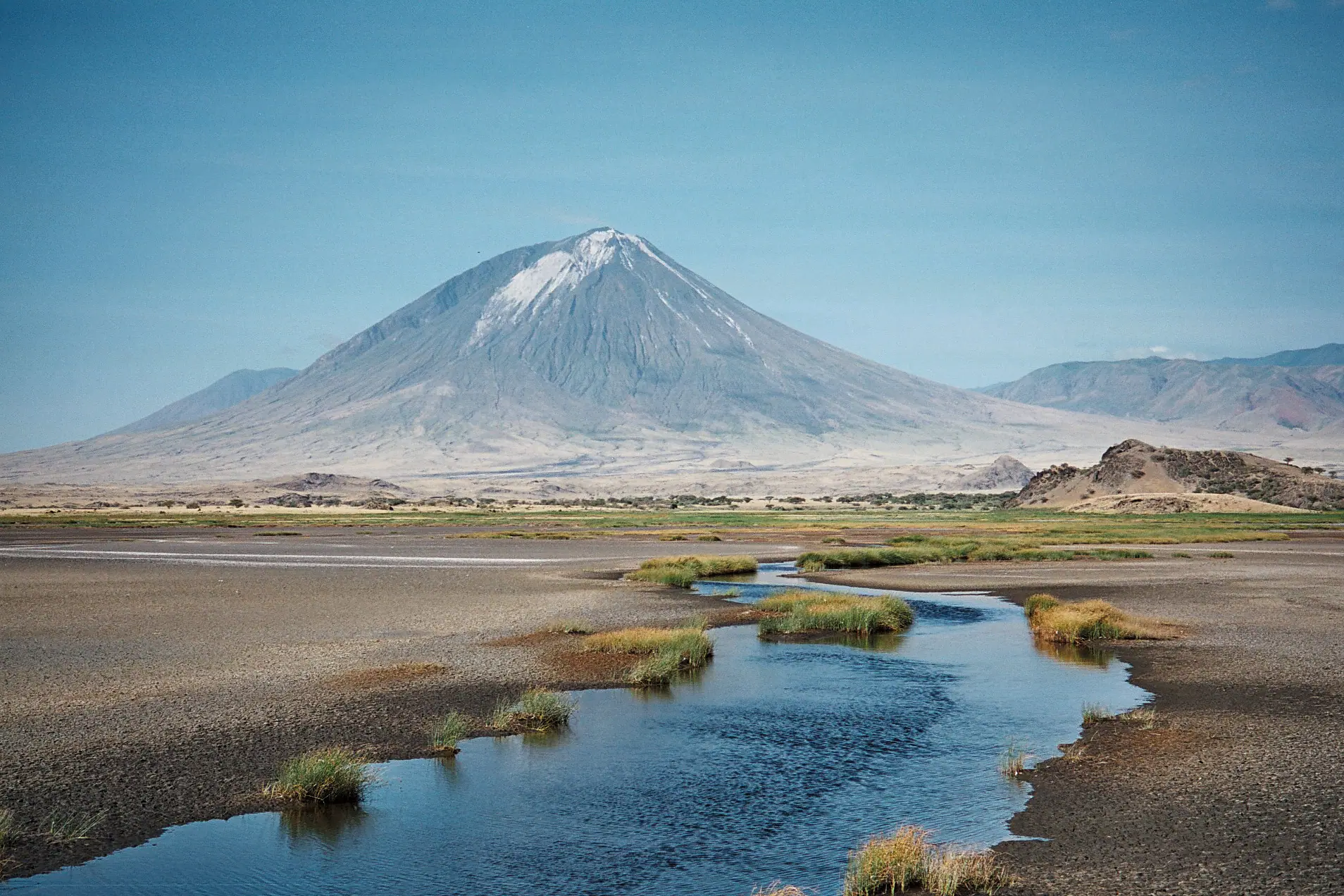
Tanzania sits astride the East African Rift, where the continent is gradually splitting along a system of faults. The Eastern branch gives northern Tanzania its towering escarpments, alkaline lakes and volcanoes, including the active Ol Doinyo Lengai; the Western branch holds Lake Tanganyika, one of the deepest lakes on earth.
 Wildlife
Flamingos & Soda Lakes
Northern Tanzania’s alkaline lakes look hostile — shallow, salty and often too caustic for fish — yet they support blooms of algae that feed flamingos in their thousands. Numbers move constantly between lakes with water levels and food, so a lake that was pink last month may be almost empty this one.
 Culture & History UNESCO
Cradle of Humankind
Northern Tanzania holds some of the most significant sites in the study of human origins. Olduvai Gorge, the Laetoli footprints and the rock-art shelters of Kondoa together span millions of years, and the region remains one of the most studied landscapes in palaeoanthropology.
Journeys that visit Ngorongoro Conservation Area
 7 days · 6 nights
Northern Tanzania Safari
Seven days through Tarangire, Lake Manyara, the Serengeti and the Ngorongoro Crater
Arusha · Tarangire National Park · Lake Manyara National Park · Serengeti National Park · Ngorongoro Conservation Area
 10 days · 9 nights
Tanzania Safari & Zanzibar Escape
The Northern Circuit’s great parks, followed by Stone Town and the white sands of Zanzibar
Arusha · Tarangire National Park · Serengeti National Park · Ngorongoro Conservation Area · Zanzibar
 12 days · 11 nights
Tailor-Made Tanzania Journey
An example 12-day journey — safari, culture and beach — reshaped entirely around you
Arusha · Tarangire National Park · Serengeti National Park · Ngorongoro Conservation Area · Lake Manyara National Park · Zanzibar
Also in the Northern Circuit

Northern Circuit
Arusha
The green, lively gateway to Tanzania’s northern safari parks.

Northern Circuit
Tarangire National Park
Giant baobabs, big elephant herds and a river that draws wildlife in the dry season.
Northern Circuit
Lake Manyara National Park
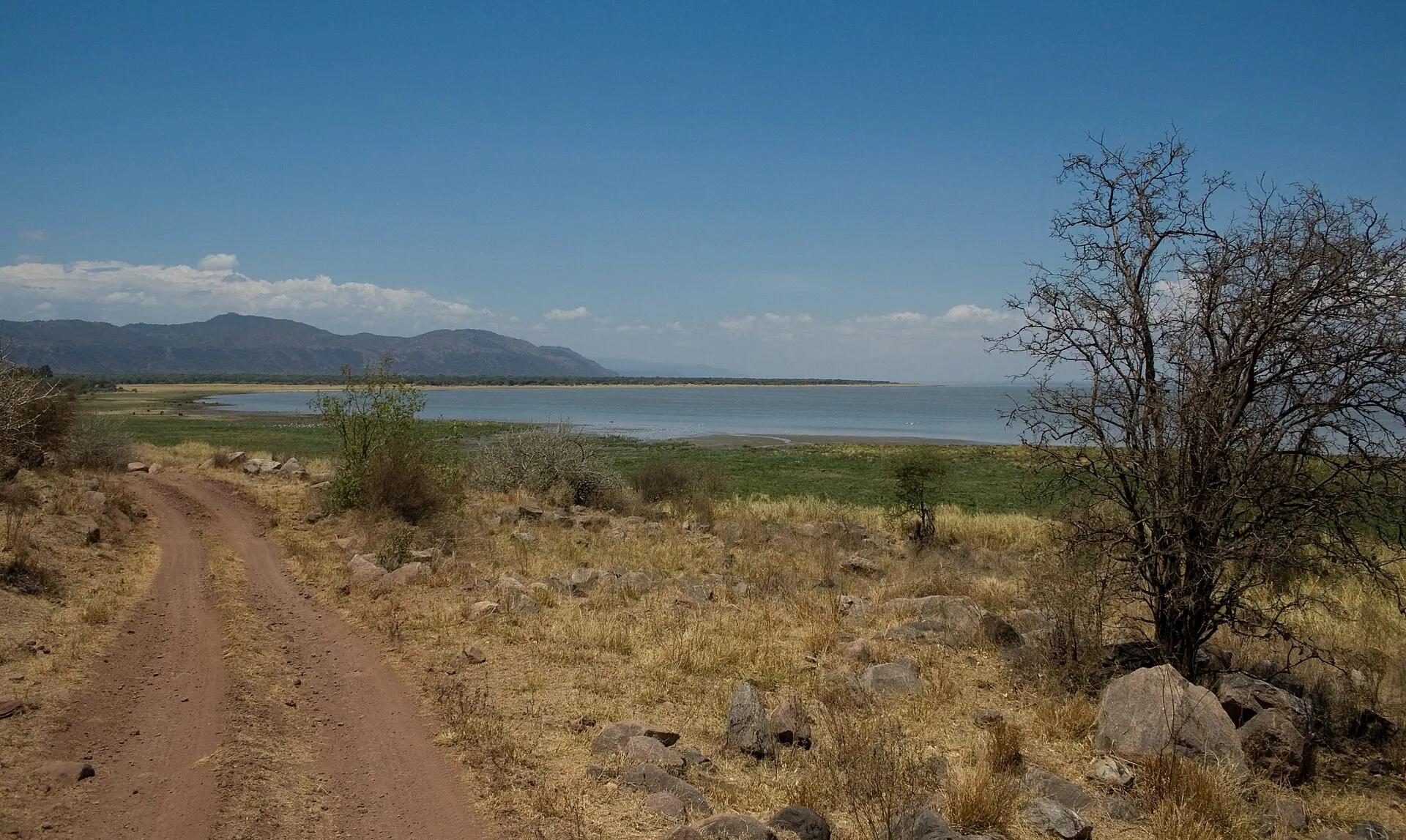
A compact, green park between the Rift Valley wall and a shimmering soda lake.