

Culture & History
Cradle of Humankind
Fossil beds, ancient footprints and rock paintings in the heart of northern Tanzania.
UNESCO World Heritage Site — Ngorongoro Conservation Area (which includes Olduvai Gorge and Laetoli), inscribed 1979, and the Kondoa Rock-Art Sites, inscribed 2006.
Olduvai Gorge — increasingly called Oldupai, closer to the Maa word for the wild sisal that grows there — cuts through layers of volcanic ash and lake sediment on the plains between Ngorongoro and the Serengeti. Because those layers were laid down in sequence and can be dated, the gorge preserves an unusually readable record of hominin fossils and stone tools. Louis and Mary Leakey worked here from the 1930s onwards; in 1959 Mary Leakey found the cranium now assigned to Paranthropus boisei, and fossils from the gorge contributed to the description of Homo habilis in the 1960s.
At Laetoli, south of the gorge, a team led by Mary Leakey uncovered trails of footprints preserved in volcanic ash in the late 1970s. They are generally dated to approximately 3.6 million years ago and are usually attributed to Australopithecus afarensis. They are widely cited as evidence of upright walking at that period. The original trackway was reburied to protect it and is not open to visitors; casts are displayed in museums.
Much later, and in a different register, come the painted rock shelters of Kondoa, inscribed as a UNESCO World Heritage Site in 2006. Their images of people, animals and abstract forms are thought to span at least two thousand years, with some panels possibly far older. Dating rock art is difficult and estimates vary between researchers; many of the sites remain important to local communities today, and interpretations of the images are not settled.
Highlights
- Olduvai (Oldupai) Gorge, one of the best-known fossil localities in the study of human origins
- The gorge museum, with exhibits, casts and a viewpoint over the excavation areas
- The Laetoli footprints, dated to approximately 3.6 million years ago (the site itself is reburied and closed to visitors)
- The Leakey family’s decades of excavation and the finds that came from them
- The painted rock shelters of Kondoa, a UNESCO World Heritage Site inscribed in 2006
- Shifting sands nearby: a slowly moving crescent dune of volcanic ash on the Serengeti plains
- A landscape where archaeology, geology and living communities sit side by side
Where to see it
Best places for this
- Olduvai Gorge
Northern Circuit
The gorge and its museum, on the main route between the Ngorongoro Crater and the Serengeti — usually visited as a stop of an hour or two.
 Ngorongoro Conservation Area
Northern Circuit
Olduvai and Laetoli both lie within the Ngorongoro Conservation Area, which is a World Heritage Site for its cultural as well as natural importance.
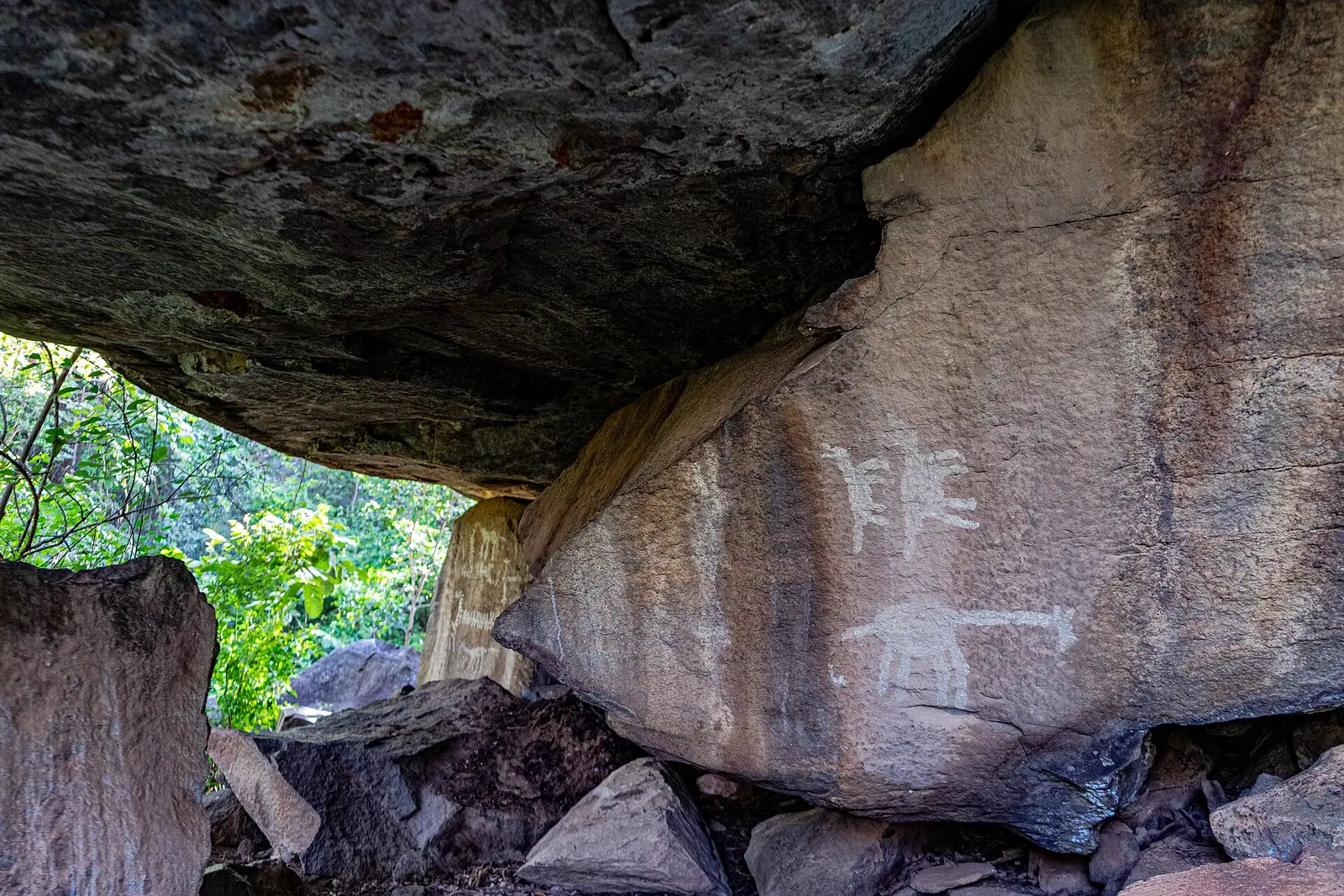 Kondoa Rock-Art Sites
Central & Highlands
Painted rock shelters on the escarpment near Kondoa, visited with local guides; the sites are scattered and reached on foot.
 Lake Eyasi
Northern Circuit
The Eyasi basin has also yielded important fossil and archaeological finds, and is home to communities whose ways of life are studied alongside them.
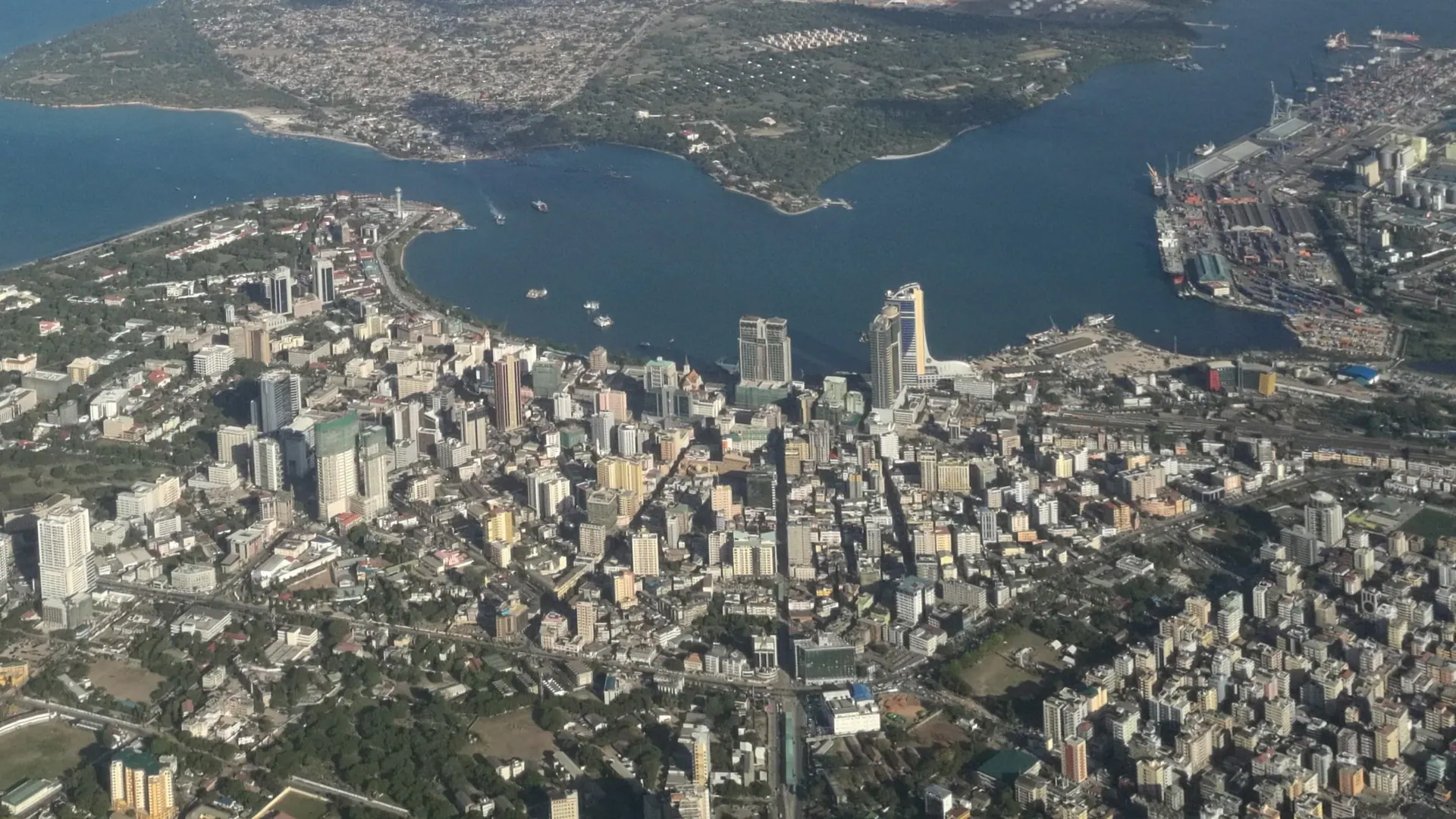 Dar es Salaam
Zanzibar & Coast
The National Museum holds material and casts relating to Olduvai and Laetoli, a good addition if you have a day in the city.
Journeys that include this
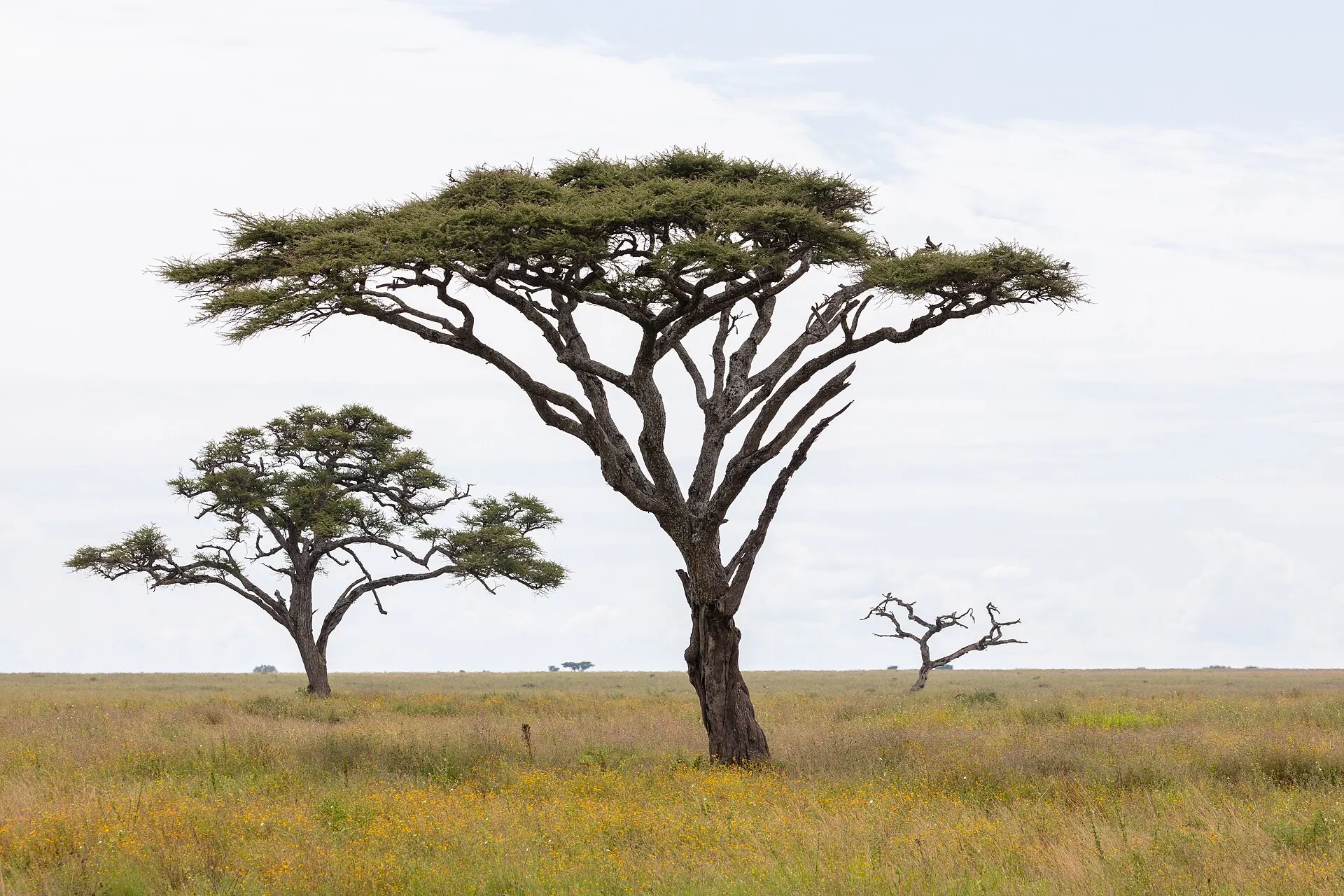 7 days · 6 nights
Northern Tanzania Safari
Seven days through Tarangire, Lake Manyara, the Serengeti and the Ngorongoro Crater
Arusha · Tarangire National Park · Lake Manyara National Park · Serengeti National Park · Ngorongoro Conservation Area
 10 days · 9 nights
Tanzania Safari & Zanzibar Escape
The Northern Circuit’s great parks, followed by Stone Town and the white sands of Zanzibar
Arusha · Tarangire National Park · Serengeti National Park · Ngorongoro Conservation Area · Zanzibar
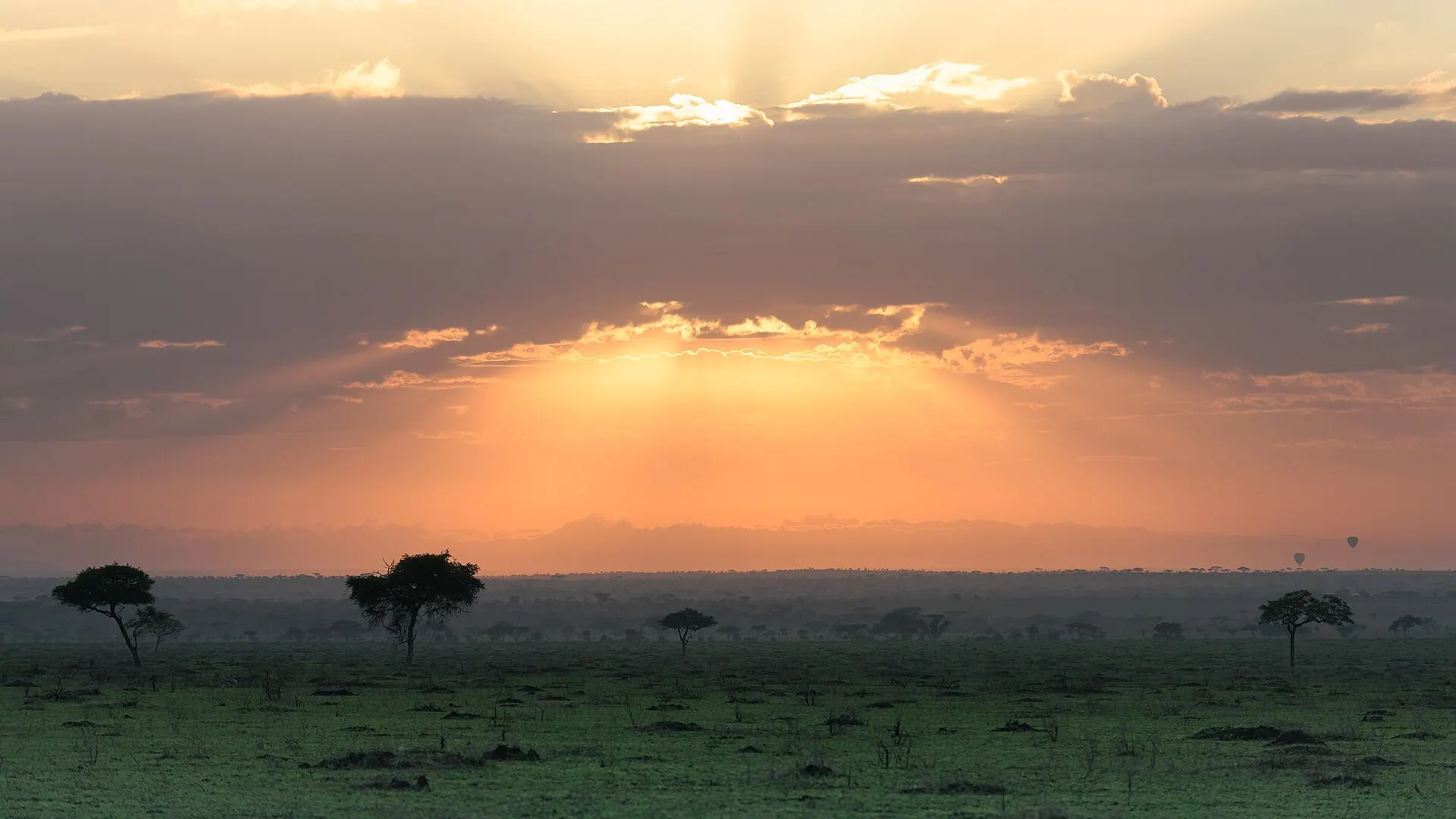 12 days · 11 nights
Tailor-Made Tanzania Journey
An example 12-day journey — safari, culture and beach — reshaped entirely around you
Arusha · Tarangire National Park · Serengeti National Park · Ngorongoro Conservation Area · Lake Manyara National Park · Zanzibar
More to see
 Culture & History UNESCO
Stone Town & the Swahili Coast
For more than a thousand years the Swahili coast linked East Africa to Arabia, Persia, India and beyond, carried by the monsoon winds. Stone Town, Bagamoyo, Kilwa Kisiwani and Pemba preserve the architecture, language and food of that exchange — and also its hardest history, the East African slave trade.
 Culture & History
Maasai Culture
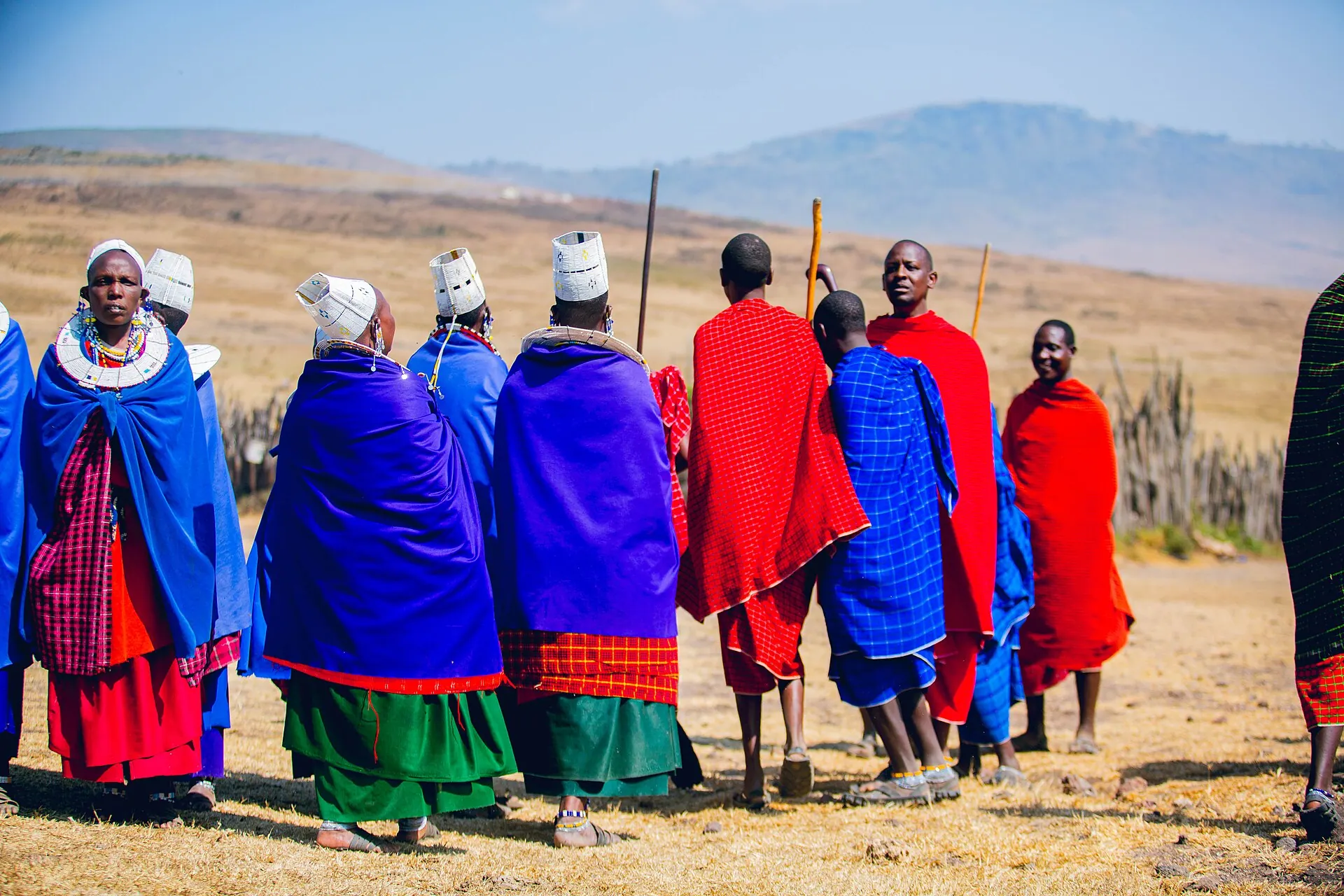
The Maasai are a Maa-speaking pastoralist people living across northern Tanzania and southern Kenya, including within the Ngorongoro Conservation Area. Visiting a community can be genuinely worthwhile when it is arranged with that community, fairly paid and honestly presented — and disappointing or intrusive when it is not.
Culture & HistoryHadzabe & Datoga
Around Lake Eyasi live the Hadzabe, among the last communities in Africa where some families still rely substantially on hunting and gathering, and the Datoga, pastoralists known for their metalworking. Visits can be meaningful, but only when they are agreed with the community, fairly paid and free of pressure to perform.