

Culture & History
Stone Town & the Swahili Coast
Carved doors, coral-stone walls and a thousand years of Indian Ocean trade.
UNESCO World Heritage Site — Stone Town of Zanzibar — UNESCO World Heritage Site, inscribed in 2000.
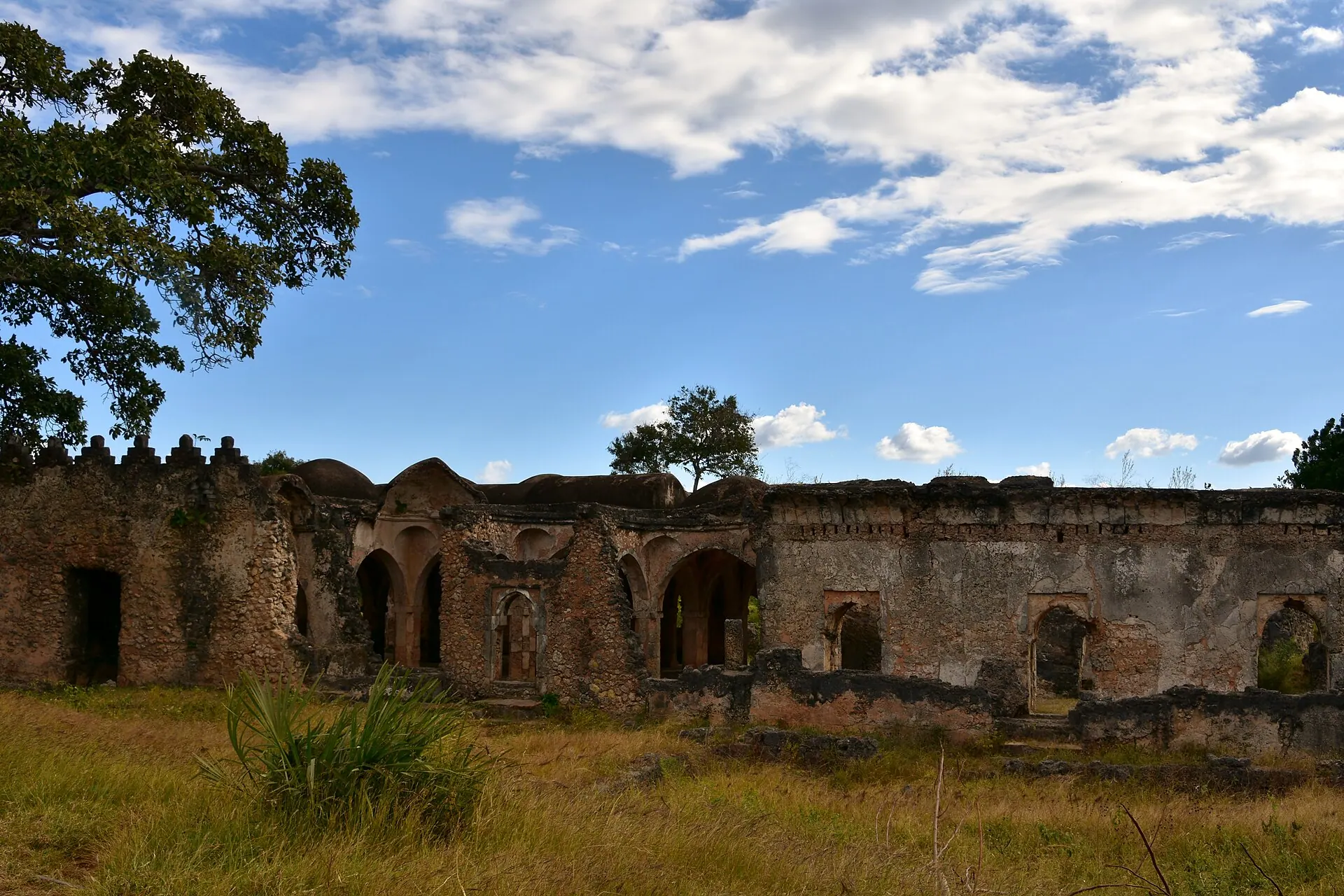
Swahili civilisation grew from the coast itself: African communities trading across the Indian Ocean, building in coral stone, and developing Kiswahili, a Bantu language enriched by Arabic and later Persian, Portuguese, Hindi, German and English. Its towns were independent, competitive and outward-looking. Kilwa Kisiwani, now a ruin of mosques and palaces on a quiet island in the south, was among the wealthiest of them and is a UNESCO World Heritage Site in its own right, inscribed in 1981 together with Songo Mnara.
Stone Town is the living heart of that world. Its lanes are too narrow for cars, its coral-rag buildings carry carved wooden doors with Indian and Arab motifs, and the day is marked by call to prayer, market noise and the smell of cloves. A guided walk takes in the Old Fort, the House of Wonders, the Anglican cathedral, the Hamamni Persian baths and the Darajani market, and ends with street food at Forodhani Gardens by the sea.
That prosperity was built in part on slavery. In the nineteenth century Zanzibar was a major centre of the East African slave trade, and caravan routes from the interior ended at Bagamoyo on the mainland before captives were shipped to the islands and beyond. The open slave market in Stone Town closed under treaty in 1873, and the legal status of slavery in Zanzibar was dismantled in the decades that followed. The Anglican cathedral was built on the site of the former market, and the memorial and exhibition there are a sober, carefully presented place to understand what happened. Most visitors find it the most important hour of their stay.
Highlights
- Stone Town’s lanes, coral-stone architecture and famous carved wooden doors
- The former slave market site, memorial and exhibition beside the Anglican cathedral
- The Old Fort, the seafront and the evening street food at Forodhani Gardens
- Spice farms outside town, where cloves, vanilla, nutmeg and cinnamon are grown
- Kilwa Kisiwani and Songo Mnara, ruined medieval trading towns and a UNESCO World Heritage Site
- Bagamoyo, a caravan terminus and later the first capital of German East Africa, with the Kaole ruins nearby
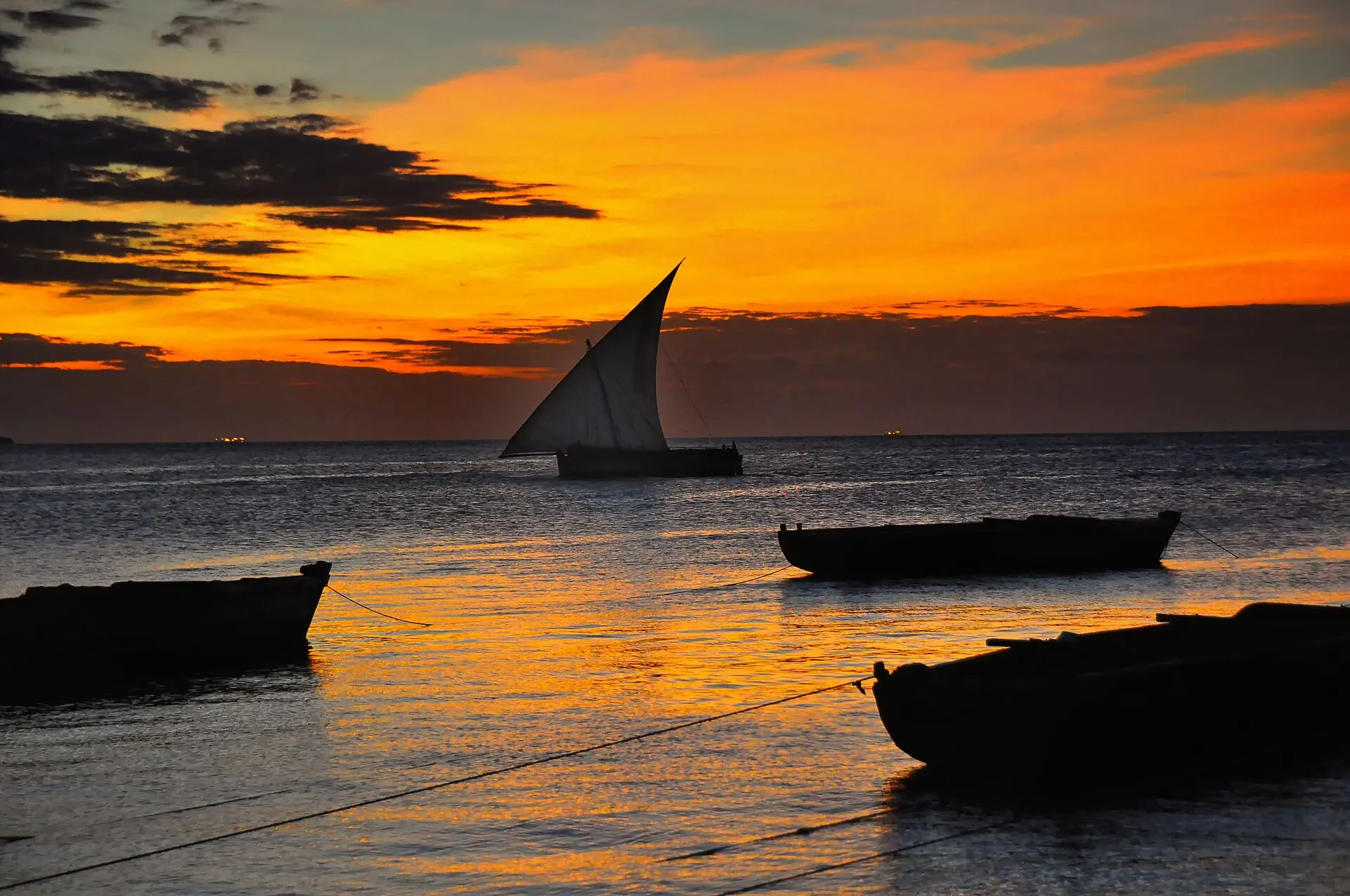
- Traditional dhows, still sailed along the coast, and sunset cruises under lateen sails
Where to see it
Best places for this
 Zanzibar
Zanzibar & Coast
Stone Town itself, with spice farms, Jozani Forest and the beaches within easy reach for the days afterwards.
 Bagamoyo
Zanzibar & Coast
A short drive north of Dar es Salaam: the old town, the Catholic mission and museum, and the Kaole ruins with their early mosques and tombs.
 Kilwa Kisiwani
Zanzibar & Coast
The great medieval trading town of the southern coast, reached by boat from Kilwa Masoko and far less visited than Zanzibar.
 Pemba Island
Zanzibar & Coast
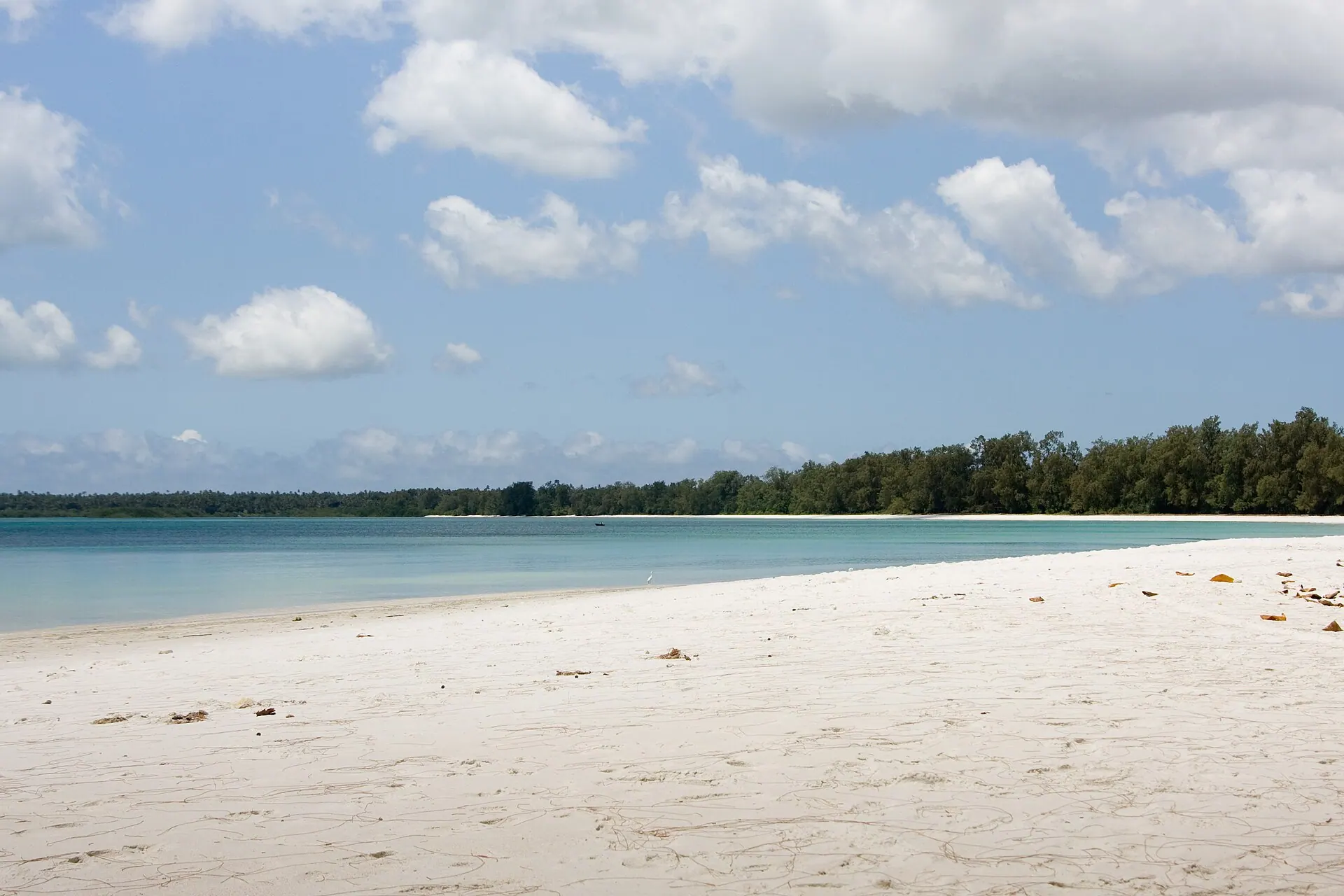
Greener, quieter and far less touristed than Unguja, with ruins, clove plantations and a strong sense of everyday island life.
 Dar es Salaam
Zanzibar & Coast
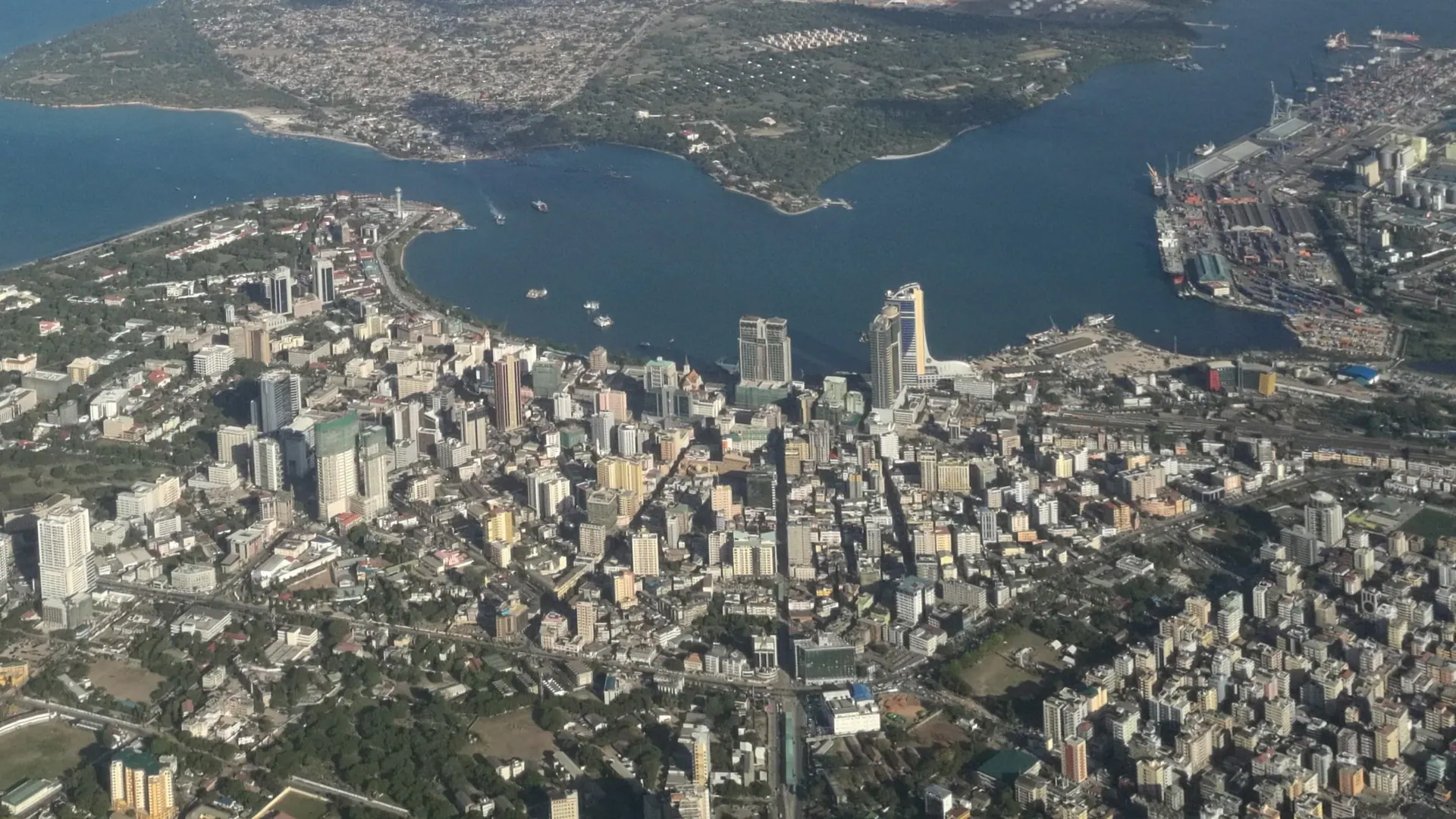
The National Museum, the fish market and the Kariakoo district give useful context, and it is the gateway to Bagamoyo and the southern coast.
Journeys that include this
10 days · 9 nightsTanzania Safari & Zanzibar Escape
The Northern Circuit’s great parks, followed by Stone Town and the white sands of Zanzibar
Arusha · Tarangire National Park · Serengeti National Park · Ngorongoro Conservation Area · Zanzibar
6 days · 5 nightsZanzibar Island Escape
Stone Town’s history, spice farms, red colobus monkeys and the turquoise Indian Ocean
Zanzibar
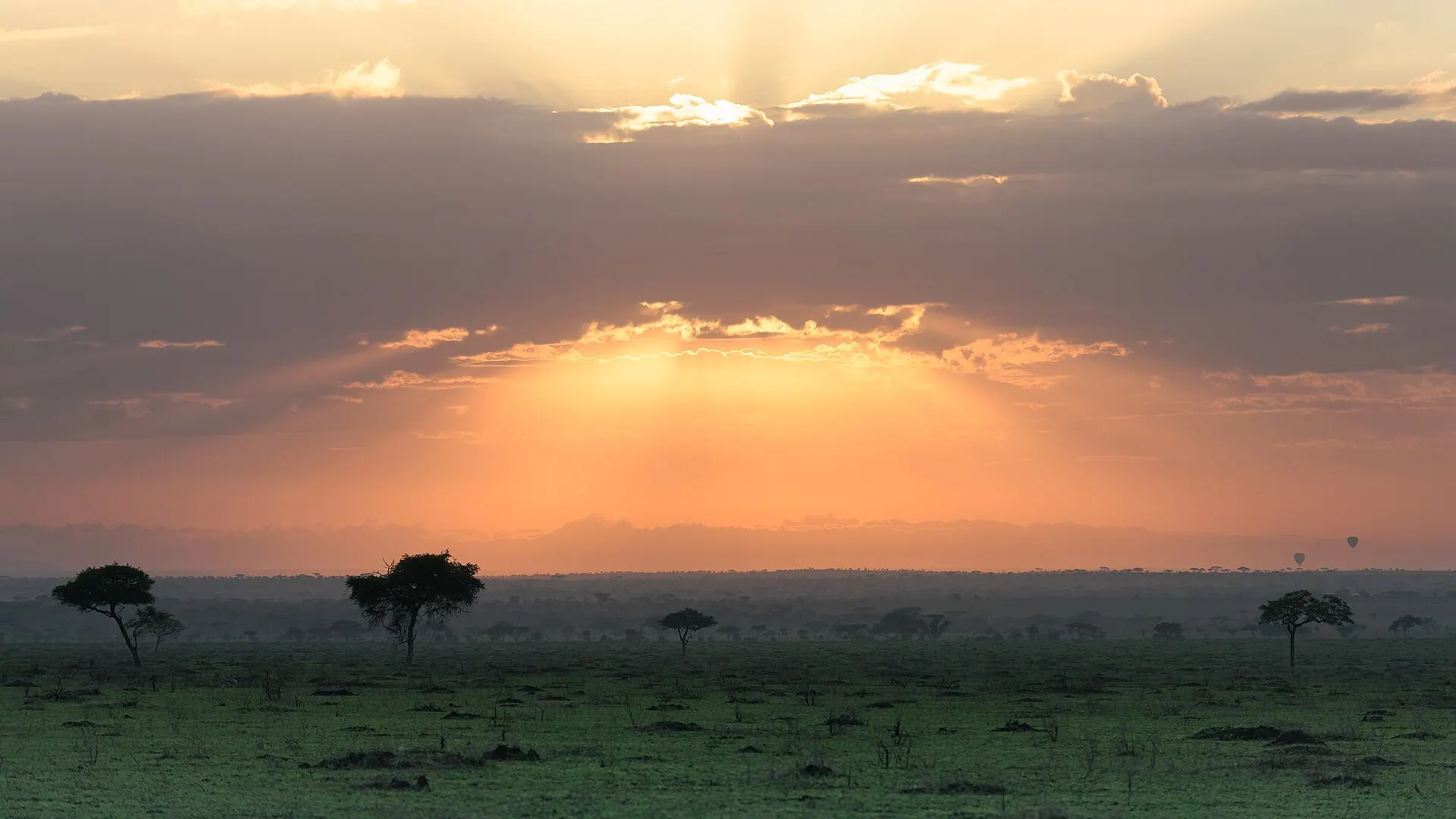 12 days · 11 nights
Tailor-Made Tanzania Journey
An example 12-day journey — safari, culture and beach — reshaped entirely around you
Arusha · Tarangire National Park · Serengeti National Park · Ngorongoro Conservation Area · Lake Manyara National Park · Zanzibar
More to see
 Culture & History UNESCO
Cradle of Humankind
Northern Tanzania holds some of the most significant sites in the study of human origins. Olduvai Gorge, the Laetoli footprints and the rock-art shelters of Kondoa together span millions of years, and the region remains one of the most studied landscapes in palaeoanthropology.
 Culture & History
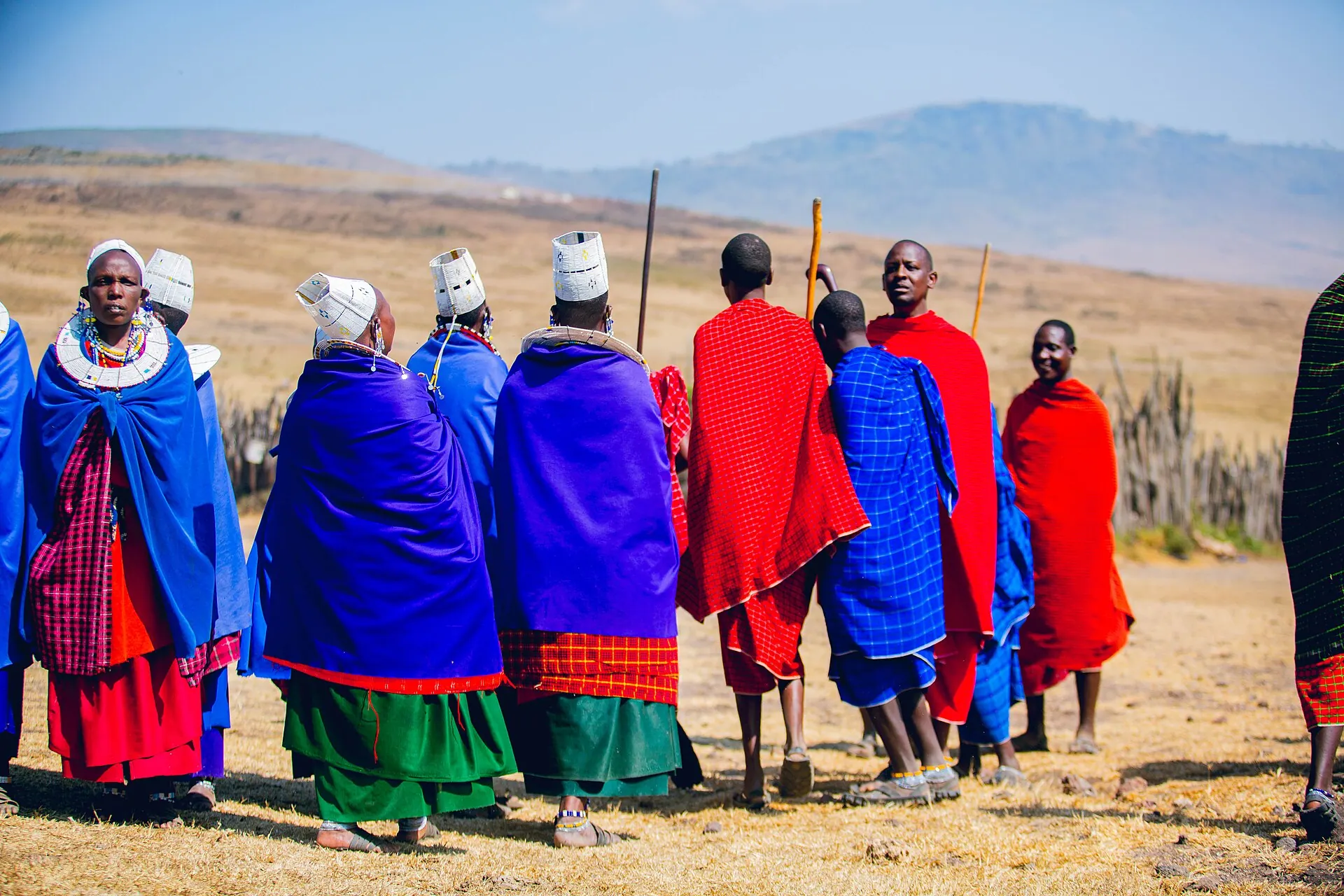
Maasai Culture
The Maasai are a Maa-speaking pastoralist people living across northern Tanzania and southern Kenya, including within the Ngorongoro Conservation Area. Visiting a community can be genuinely worthwhile when it is arranged with that community, fairly paid and honestly presented — and disappointing or intrusive when it is not.
 Culture & History
Hadzabe & Datoga
Around Lake Eyasi live the Hadzabe, among the last communities in Africa where some families still rely substantially on hunting and gathering, and the Datoga, pastoralists known for their metalworking. Visits can be meaningful, but only when they are agreed with the community, fairly paid and free of pressure to perform.