

Culture & History
Hadzabe & Datoga
Two very different communities living around Lake Eyasi, and how to visit well.
The Hadzabe number in the low thousands, and only a portion continue to live mainly from foraging. Their language is remarkable — it uses click consonants and is generally classified as a language isolate, unrelated to its neighbours. Families move with the seasons, and the daily round involves gathering tubers, berries and honey as well as hunting with bow and arrow. Nothing about this is a relic: it is a way of living now, under considerable pressure.
Their neighbours the Datoga, sometimes known as the Barabaig, are Nilotic-speaking pastoralists who keep cattle and are widely known for blacksmithing, including making arrowheads traded to the Hadzabe. The two communities have long-standing and sometimes tense relations over land and grazing, which visits often gloss over but which is part of the picture.
The pressures are real: farming and grazing have taken over much of the land the Hadzabe once foraged, water is contested, and tourism itself can be intrusive when it treats people as a spectacle. A good visit is early, small and quiet, led by someone the community trusts, with a fee agreed in advance. If you are invited to join a morning walk, go at their pace and let them decide what to share. If a visit feels staged, rushed or extractive, that is a signal about the operator, not about the people.
Highlights
- A guided early-morning walk with Hadzabe hunters and gatherers, at their invitation and their pace
- Learning how tubers, berries and wild honey are found and used through the seasons
- Hearing a language with click consonants, generally classified as a language isolate
- A visit to a Datoga homestead and blacksmith’s workshop, where tools and arrowheads are made
- Honest conversation about land, water and the pressures both communities face
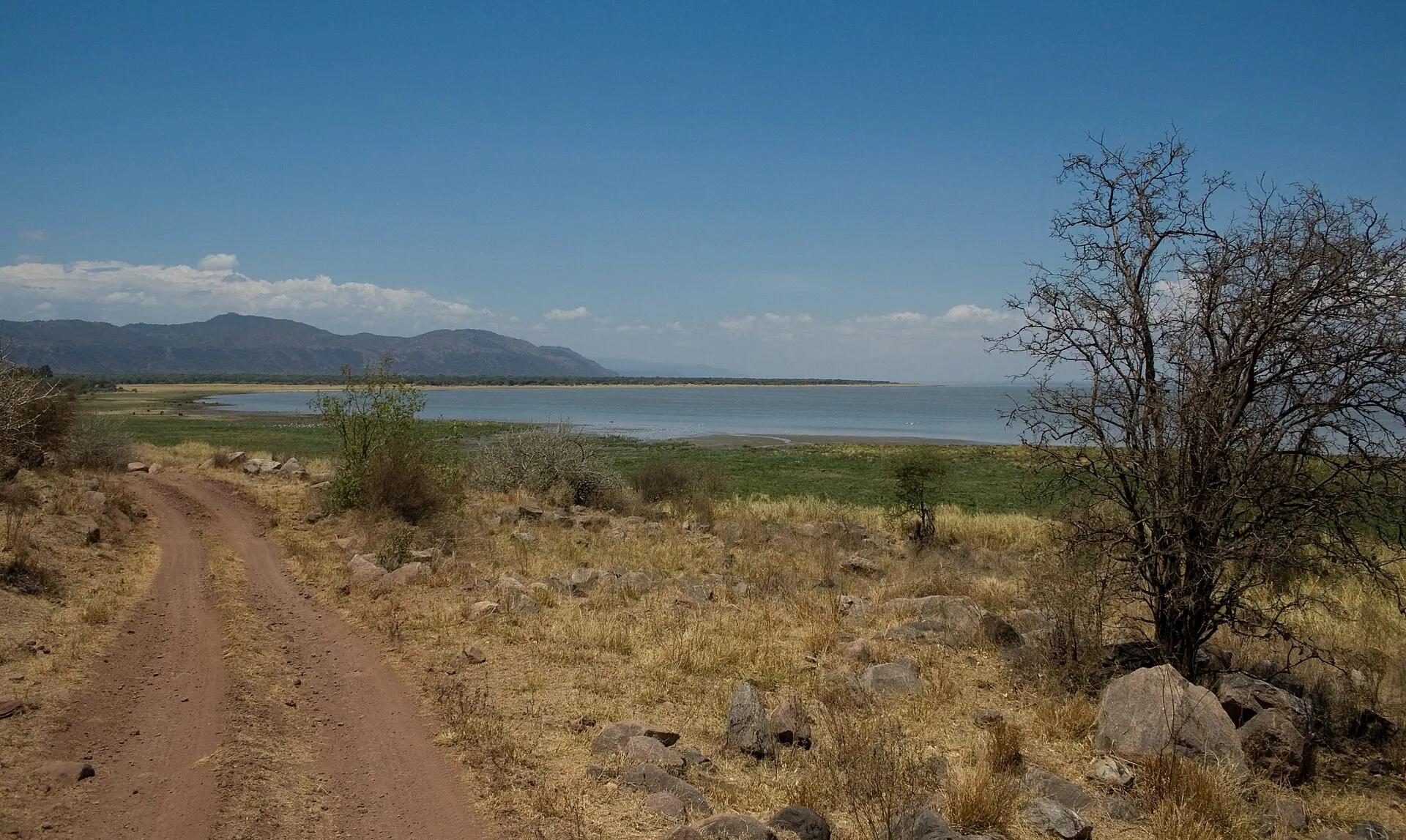
- The Lake Eyasi landscape itself: a seasonal soda lake beneath the Eyasi escarpment
Where to see it
Best places for this
- Lake Eyasi
Northern Circuit
The main area where Hadzabe and Datoga communities live, with visits arranged from lodges and camps around the lake.
 Ngorongoro Conservation Area
Northern Circuit
Lake Eyasi lies just south-west of the Ngorongoro highlands, so the visit fits naturally into a northern circuit, often from a base in Karatu.
 Lake Manyara National Park
Northern Circuit
On the same route from Arusha towards Karatu and Eyasi, and often combined into the same few days.
 Arusha
Northern Circuit
Where these visits are arranged from; the drive to the Eyasi area typically takes several hours.
Journeys that include this
 7 days · 6 nights
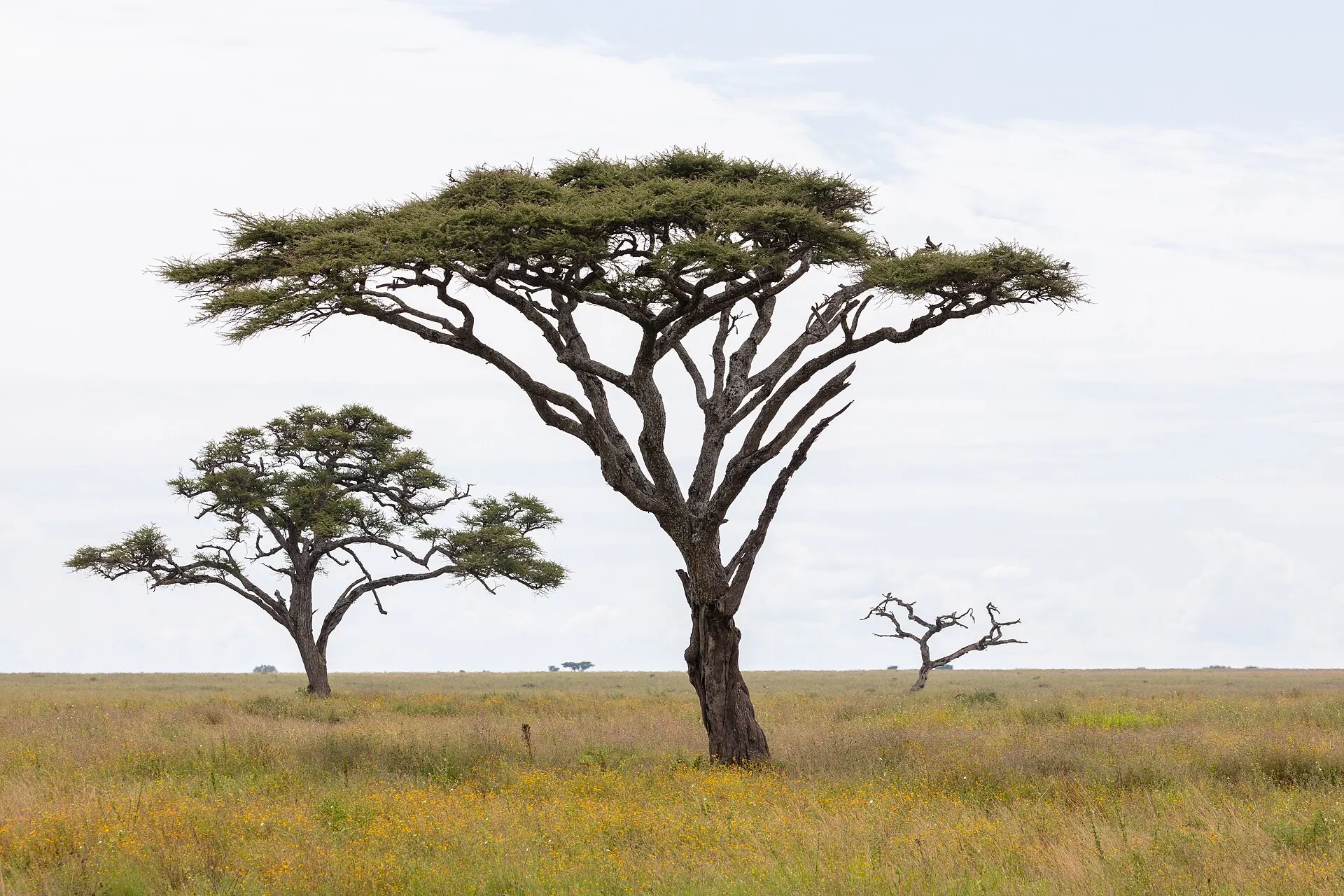
Northern Tanzania Safari
Seven days through Tarangire, Lake Manyara, the Serengeti and the Ngorongoro Crater
Arusha · Tarangire National Park · Lake Manyara National Park · Serengeti National Park · Ngorongoro Conservation Area
 10 days · 9 nights
Tanzania Safari & Zanzibar Escape
The Northern Circuit’s great parks, followed by Stone Town and the white sands of Zanzibar
Arusha · Tarangire National Park · Serengeti National Park · Ngorongoro Conservation Area · Zanzibar
 12 days · 11 nights
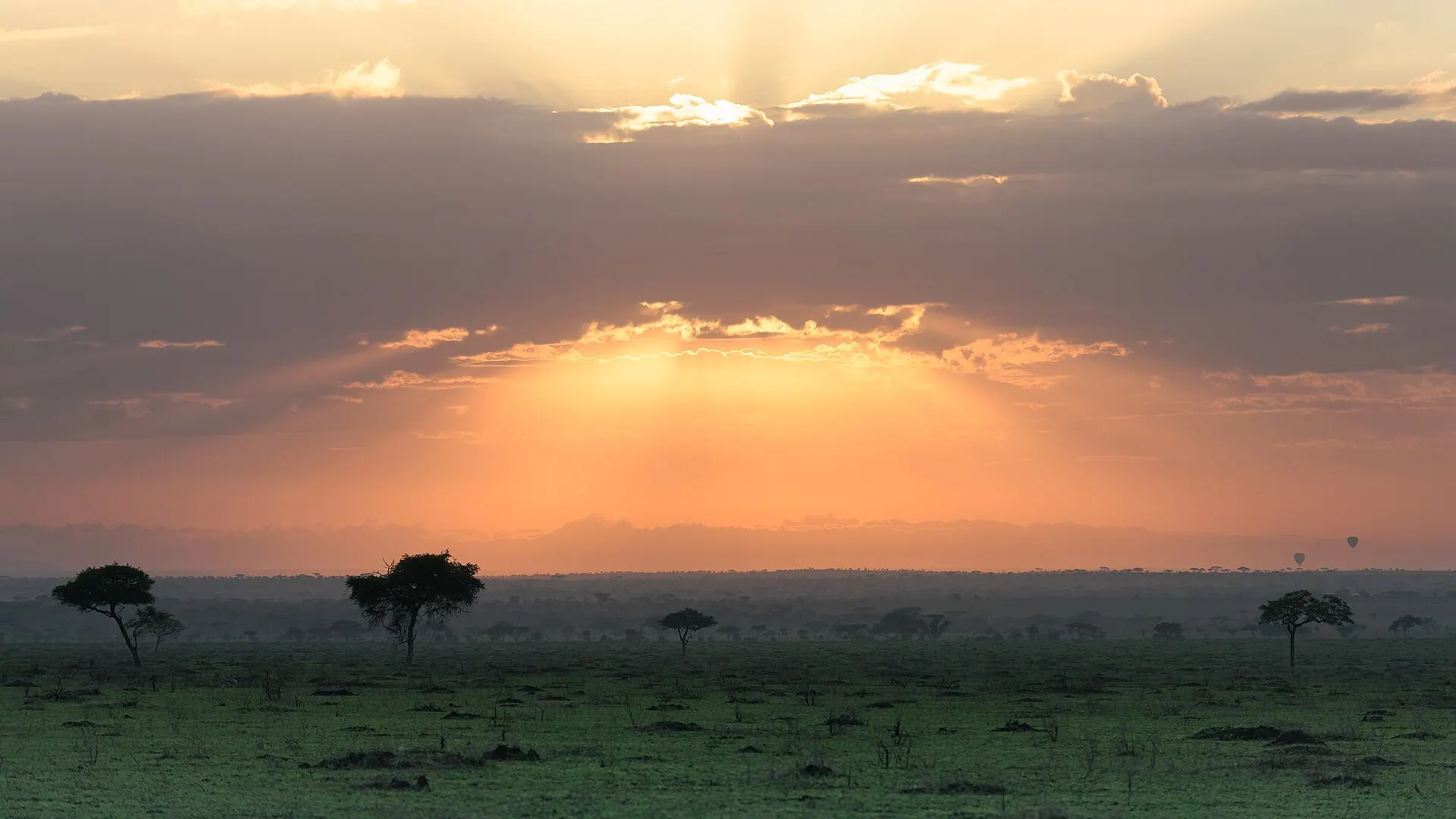
Tailor-Made Tanzania Journey
An example 12-day journey — safari, culture and beach — reshaped entirely around you
Arusha · Tarangire National Park · Serengeti National Park · Ngorongoro Conservation Area · Lake Manyara National Park · Zanzibar
More to see
 Culture & History UNESCO
Cradle of Humankind
Northern Tanzania holds some of the most significant sites in the study of human origins. Olduvai Gorge, the Laetoli footprints and the rock-art shelters of Kondoa together span millions of years, and the region remains one of the most studied landscapes in palaeoanthropology.
 Culture & History UNESCO
Stone Town & the Swahili Coast
For more than a thousand years the Swahili coast linked East Africa to Arabia, Persia, India and beyond, carried by the monsoon winds. Stone Town, Bagamoyo, Kilwa Kisiwani and Pemba preserve the architecture, language and food of that exchange — and also its hardest history, the East African slave trade.
 Culture & History
Maasai Culture
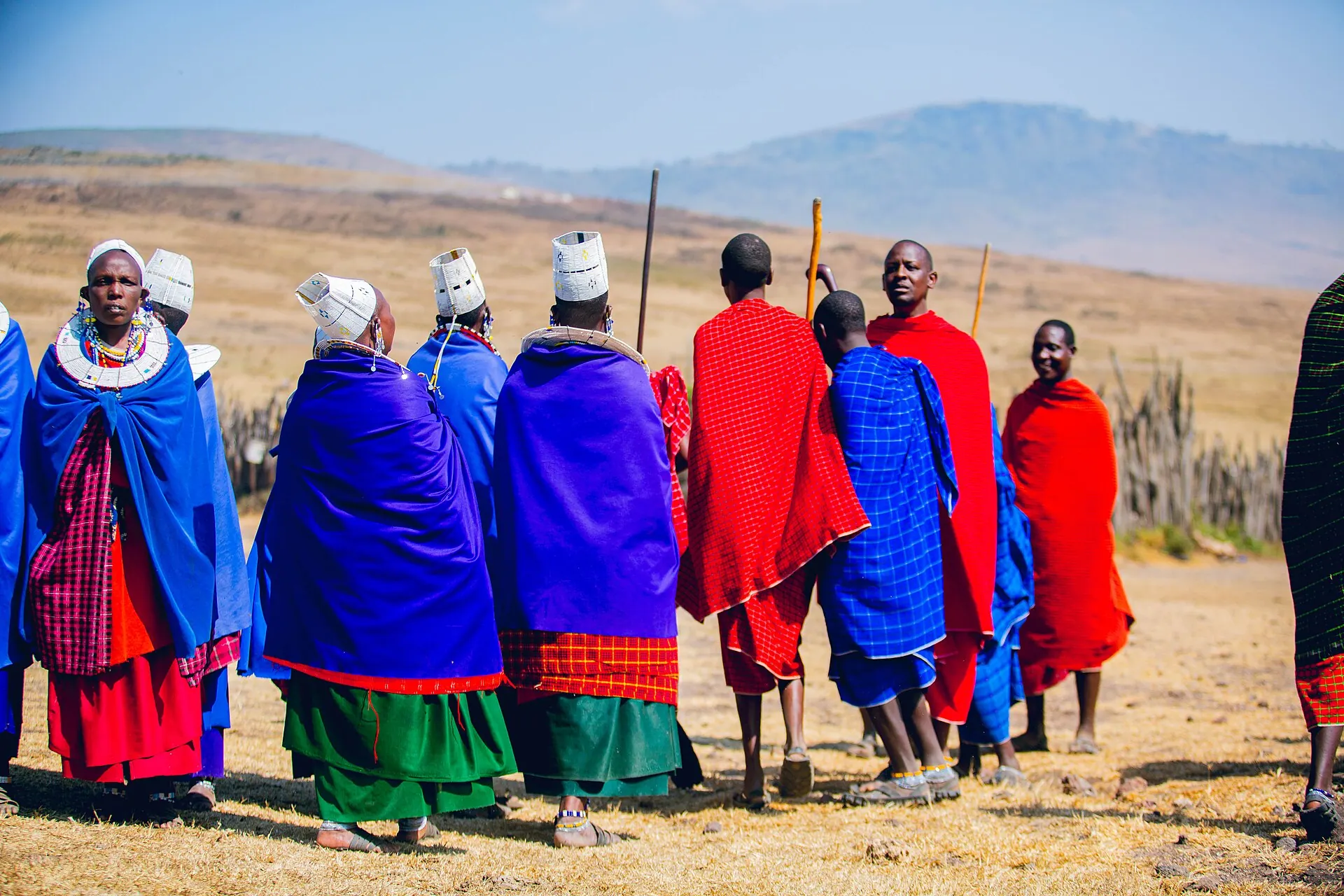
The Maasai are a Maa-speaking pastoralist people living across northern Tanzania and southern Kenya, including within the Ngorongoro Conservation Area. Visiting a community can be genuinely worthwhile when it is arranged with that community, fairly paid and honestly presented — and disappointing or intrusive when it is not.