
Culture & History
Maasai Culture
Meeting one of Tanzania’s pastoralist communities on their own terms.
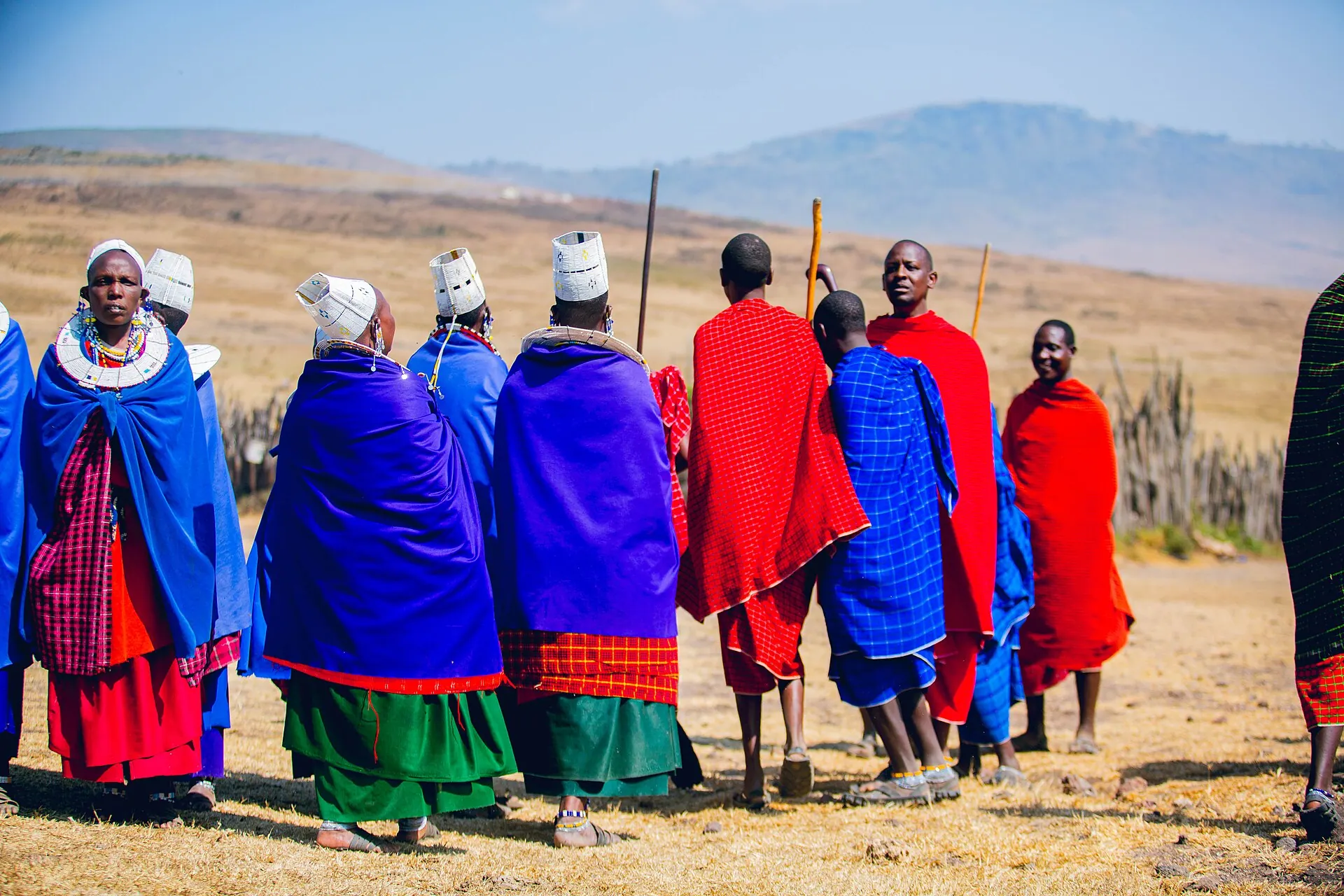
Maasai life is built around cattle, which provide food, wealth and social standing, and around a strong sense of age groups and community responsibility. It is not a life frozen in the past: many Maasai today combine herding with farming, business, school and salaried work, and you will meet people who move easily between a homestead and a mobile phone. Presenting Maasai culture as unchanged is both inaccurate and unfair to the people living it.
The relationship with conservation is real and sometimes difficult. In the Ngorongoro Conservation Area, Maasai families graze livestock in the same landscape as wildlife, an arrangement that is unusual in Africa and the subject of ongoing debate about land, grazing rights and resettlement. Your guide can explain the current situation far better than a website can, and it is a conversation worth having.
A good visit is small, unhurried and led by someone from the community. You might be shown a homestead, talk about livestock and seasons, see beadwork being made, visit a school the community chose to include, or simply sit and ask questions. A poor visit is a staged performance for a bus-load of visitors, with a fixed dance and a souvenir stall — what travellers sometimes call a human zoo. We would rather arrange fewer, better visits.
Highlights
- Community-run homestead visits arranged directly with the village, with an agreed fee
- Conversations about cattle, seasons, grazing and how families are adapting
- Beadwork and craft, often made by women’s groups who sell directly
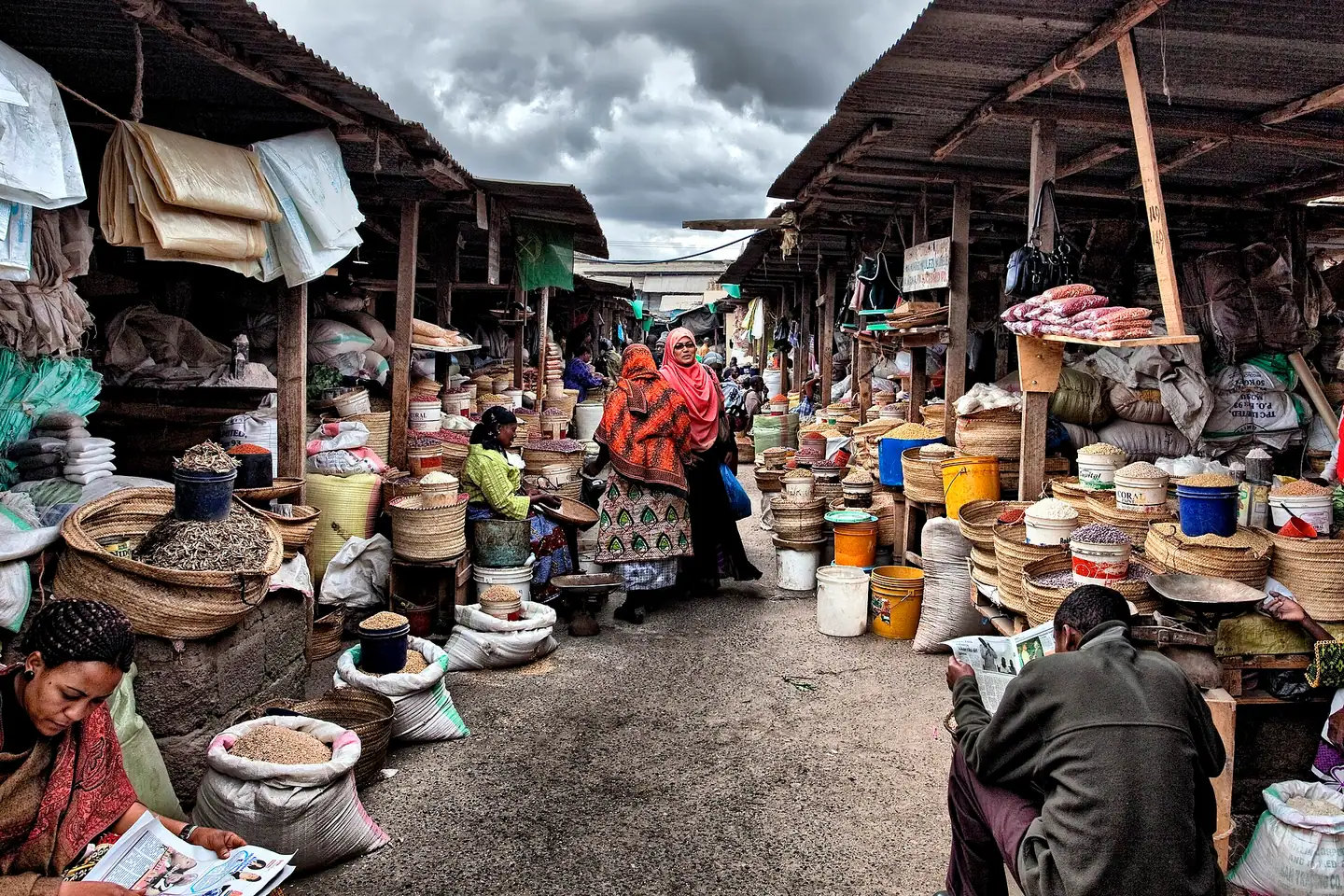
- Maasai markets, where livestock, cloth and goods are traded — busy, colourful and not staged for visitors
- Guided walks in the Ngorongoro highlands or around Lake Natron with Maasai guides
- An honest picture of pastoralism, conservation and land, rather than a postcard version
Where to see it
Best places for this
 Ngorongoro Conservation Area
Northern Circuit
Maasai families live within the conservation area, and community-arranged visits and highland walks with Maasai guides are possible near the crater.
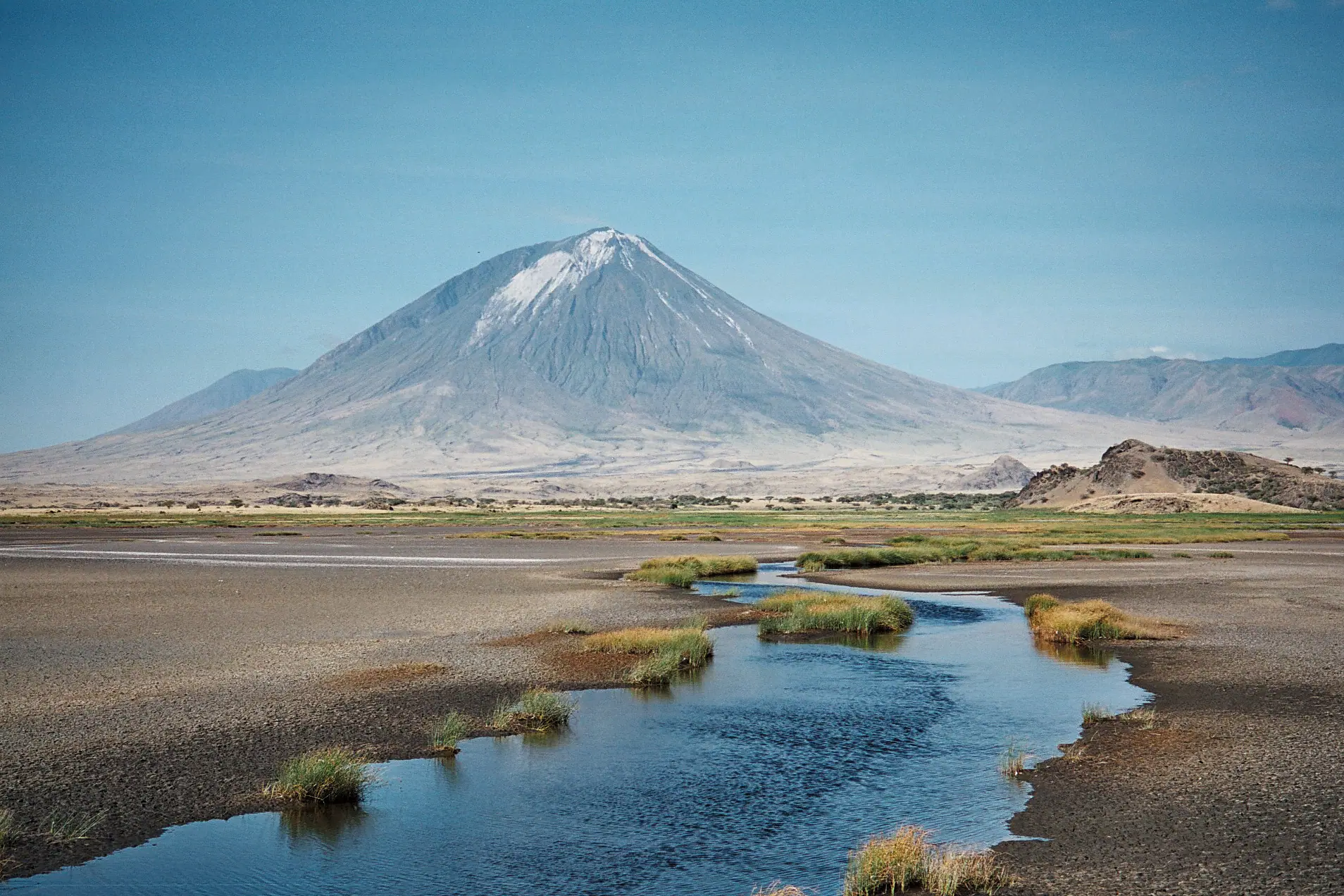 Lake Natron
Northern Circuit
Villages around Engare Sero manage access to the waterfalls and escarpment, and local guides lead most walks in the area.
 Tarangire National Park
Northern Circuit
The Maasai Steppe surrounding the park is pastoralist country, with community programmes in villages outside the park boundary.
 Arusha
Northern Circuit
The base for most cultural visits in the north, with markets, craft centres and community tourism programmes in nearby villages.
Journeys that include this
 7 days · 6 nights
Northern Tanzania Safari
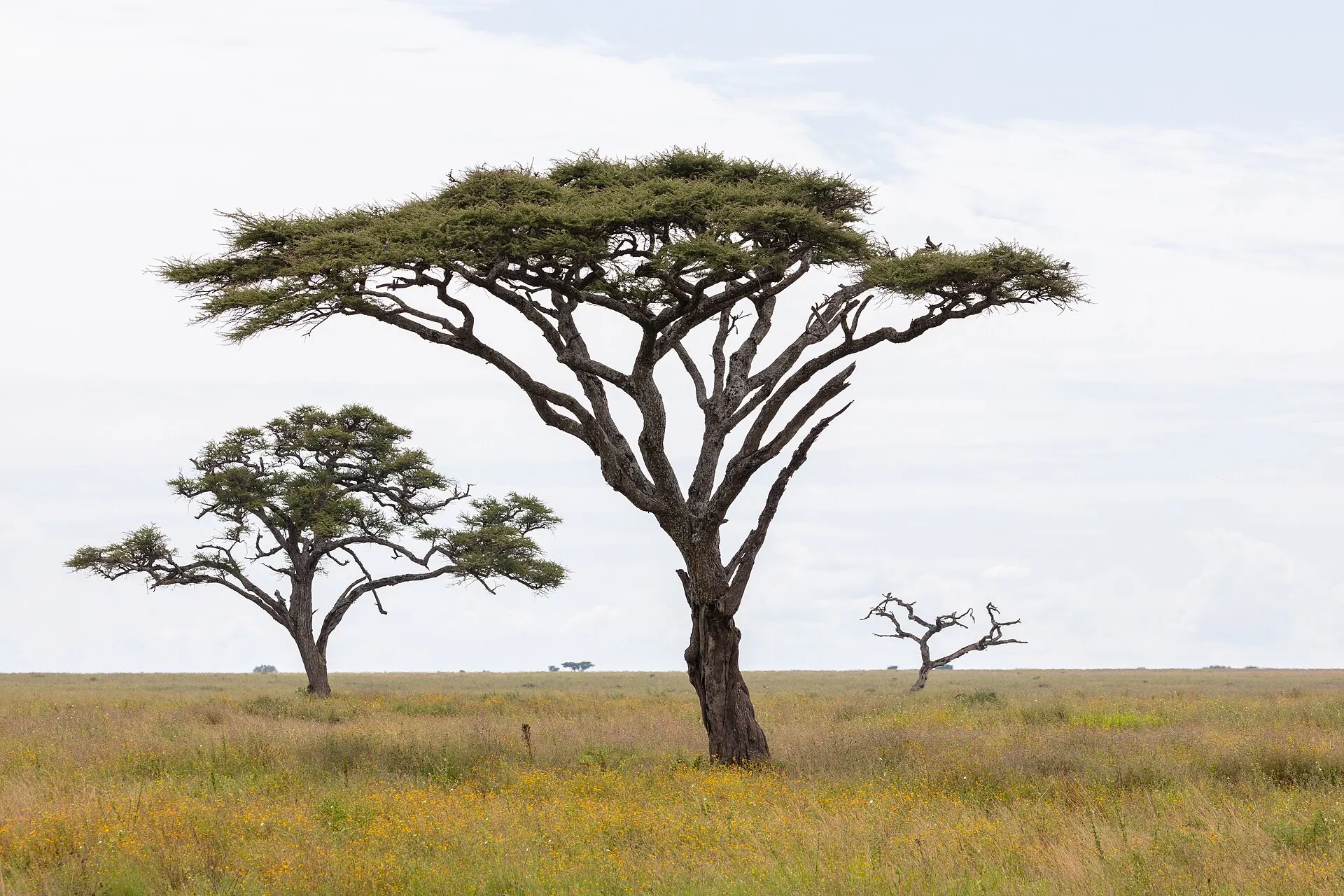
Seven days through Tarangire, Lake Manyara, the Serengeti and the Ngorongoro Crater
Arusha · Tarangire National Park · Lake Manyara National Park · Serengeti National Park · Ngorongoro Conservation Area
 10 days · 9 nights
Tanzania Safari & Zanzibar Escape
The Northern Circuit’s great parks, followed by Stone Town and the white sands of Zanzibar
Arusha · Tarangire National Park · Serengeti National Park · Ngorongoro Conservation Area · Zanzibar
 12 days · 11 nights
Tailor-Made Tanzania Journey
An example 12-day journey — safari, culture and beach — reshaped entirely around you
Arusha · Tarangire National Park · Serengeti National Park · Ngorongoro Conservation Area · Lake Manyara National Park · Zanzibar
More to see
 Culture & History UNESCO
Cradle of Humankind
Northern Tanzania holds some of the most significant sites in the study of human origins. Olduvai Gorge, the Laetoli footprints and the rock-art shelters of Kondoa together span millions of years, and the region remains one of the most studied landscapes in palaeoanthropology.
 Culture & History UNESCO
Stone Town & the Swahili Coast
For more than a thousand years the Swahili coast linked East Africa to Arabia, Persia, India and beyond, carried by the monsoon winds. Stone Town, Bagamoyo, Kilwa Kisiwani and Pemba preserve the architecture, language and food of that exchange — and also its hardest history, the East African slave trade.
 Culture & History
Hadzabe & Datoga
Around Lake Eyasi live the Hadzabe, among the last communities in Africa where some families still rely substantially on hunting and gathering, and the Datoga, pastoralists known for their metalworking. Visits can be meaningful, but only when they are agreed with the community, fairly paid and free of pressure to perform.