
Adventure
The Roof of Africa
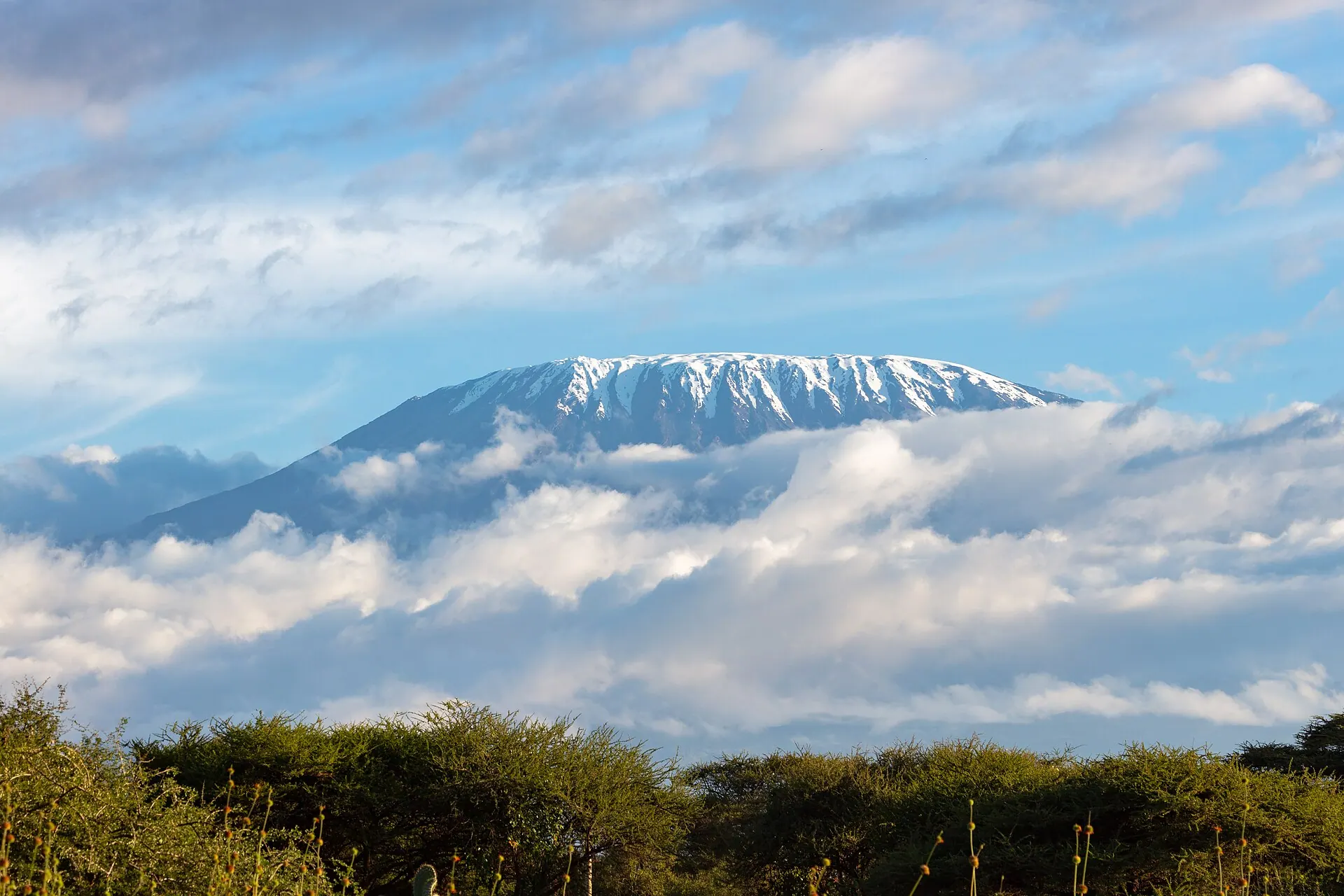
Walking to approximately 5,895 m on Africa’s highest mountain.
UNESCO World Heritage Site — Kilimanjaro National Park — UNESCO World Heritage Site, inscribed in 1987.
A Kilimanjaro climb is a walk through climate zones. You start in farmland and montane rainforest, pass through heath and giant-heather moorland, cross a high alpine desert of rock and dust, and finish in an arctic zone of ice and thin air. Few places on earth compress so much change into a few days on foot.
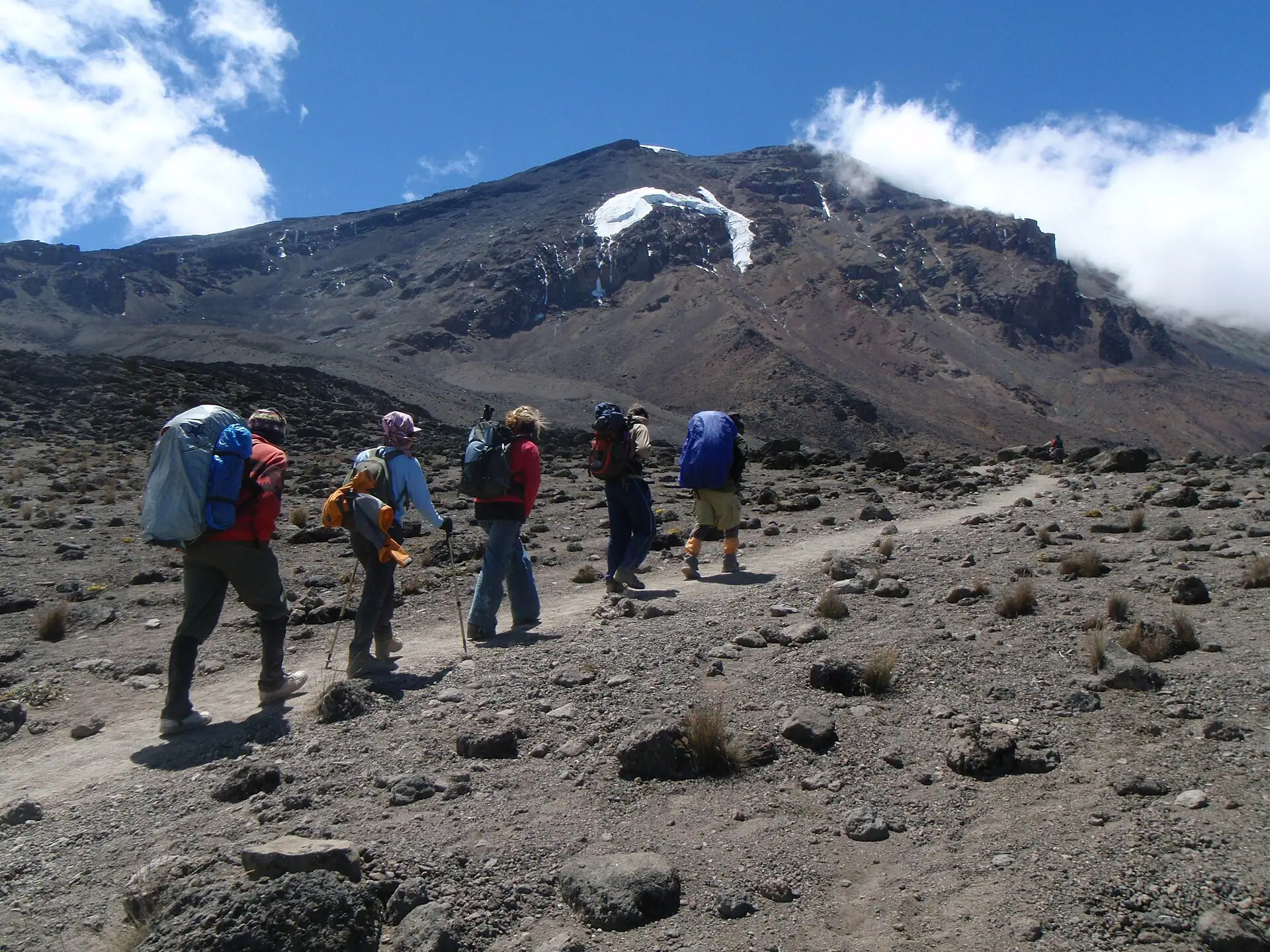
Several established routes lead to the summit and each has its own character. Longer routes such as Lemosho and the Northern Circuit give more time to acclimatise and generally see better summit success; Machame is scenic and popular; Marangu is the only route with hut accommodation; Rongai approaches from the quieter northern side. Most treks take between six and nine days, and on nearly every route the extra day is worth more than any piece of equipment.
The realistic part: summit night usually begins around midnight, is very cold, and involves several hours of slow walking in the dark to reach the crater rim near sunrise. Altitude — not fitness alone — is the main obstacle, and even strong walkers can be affected. Climbs are led by licensed guides supported by porters and cooks, and how that crew is paid and equipped says a great deal about an operator.
Highlights
- Uhuru Peak at approximately 5,895 m, the highest point in Africa
- Rainforest, moorland, alpine desert and glacier zones on a single walk
- Sunrise above the clouds from the crater rim on summit day
- A choice of routes to suit your time, budget and appetite for company on the trail
- Mount Meru, at approximately 4,560 m, as a demanding acclimatisation trek beforehand
- Gentler alternatives: day hikes in the rainforest and waterfall walks on the lower slopes
- Easy to combine with a northern safari or a Zanzibar beach stay afterwards
Where to see it
Best places for this
- Mount Kilimanjaro
Kilimanjaro
The mountain itself, with route choices from six to nine days and trailheads reached from Moshi or Arusha.
 Mount Meru
Kilimanjaro
Tanzania’s second-highest mountain and the classic acclimatisation trek, typically three to four days, with a spectacular knife-edge summit ridge.
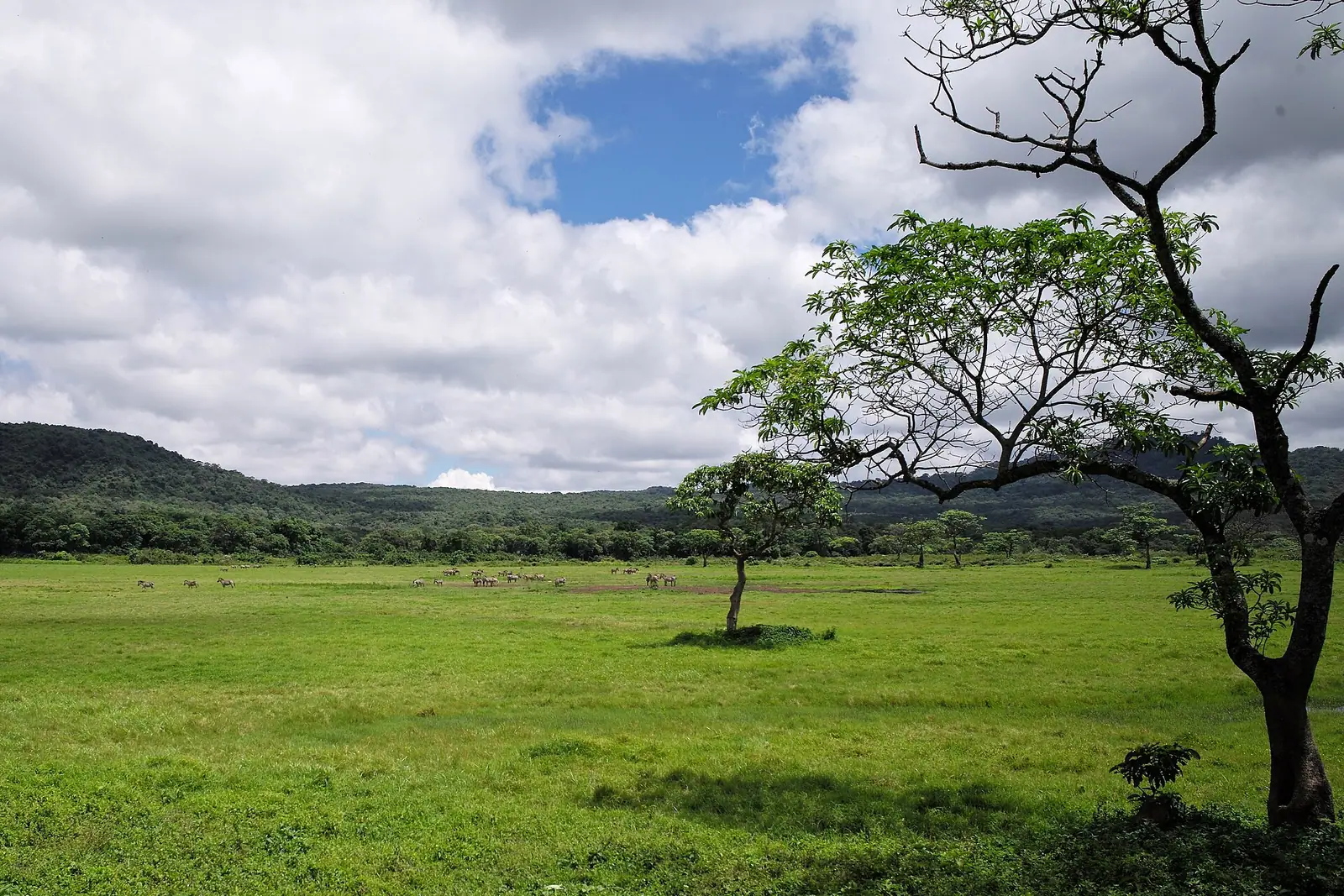 Arusha National Park
Northern Circuit
Day walks and shorter hikes on Meru’s lower slopes, with clear-day views of Kilimanjaro across the plains.
 Arusha
Northern Circuit
The main base for preparation, kit checks and briefings, about an hour from Kilimanjaro International Airport.
Journeys that include this
 7 days · 6 nights
Northern Tanzania Safari
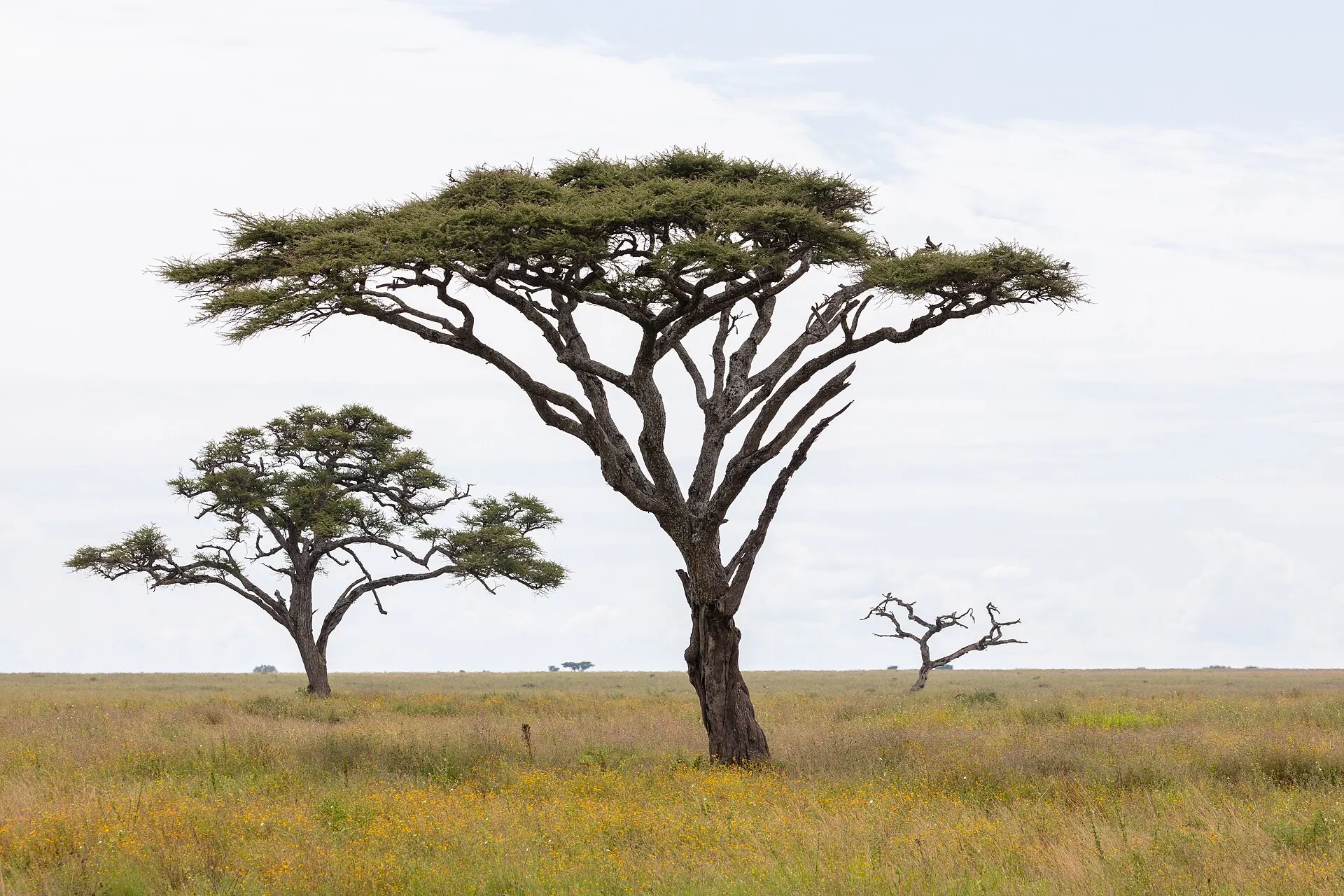
Seven days through Tarangire, Lake Manyara, the Serengeti and the Ngorongoro Crater
Arusha · Tarangire National Park · Lake Manyara National Park · Serengeti National Park · Ngorongoro Conservation Area
 10 days · 9 nights
Tanzania Safari & Zanzibar Escape
The Northern Circuit’s great parks, followed by Stone Town and the white sands of Zanzibar
Arusha · Tarangire National Park · Serengeti National Park · Ngorongoro Conservation Area · Zanzibar
9 days · 8 nightsKilimanjaro Trekking Adventure — Machame Route
A seven-day trek to Uhuru Peak (5,895 m) on the scenic “Whiskey” route
Mount Kilimanjaro
More to see
 Adventure
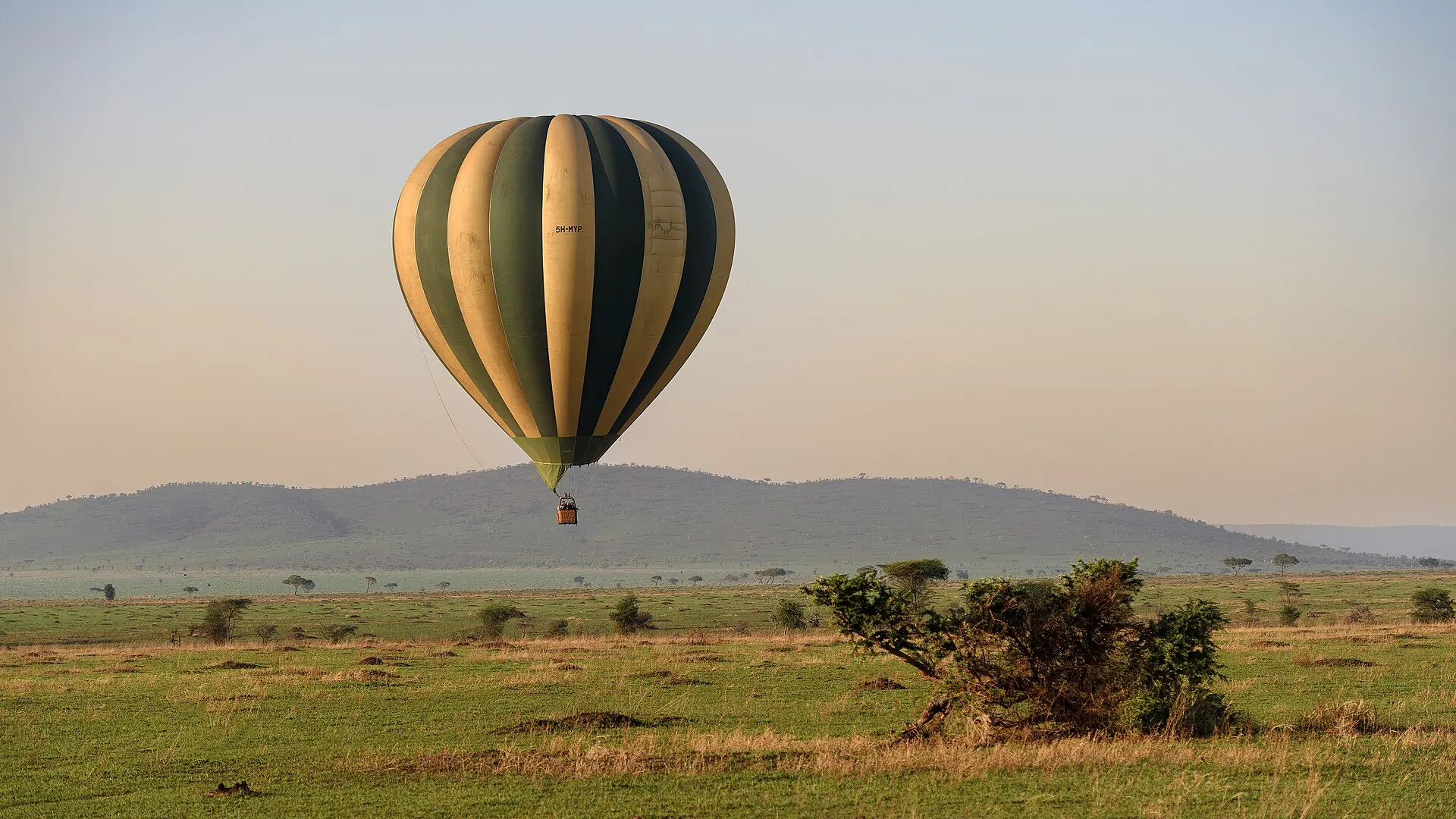
Hot-Air Balloon Safari
A balloon safari means a very early start, a launch as the sky lightens and roughly an hour drifting low over the plains before landing for a bush breakfast. It is the most memorable morning of many people’s safaris and also the most expensive single activity, so it is worth deciding early.
 Adventure
Walking Safaris
A walking safari changes the scale of everything. Instead of covering ground, you slow down to tracks, dung, birdsong and the smell of crushed leaves, guided by a professional walking guide accompanied by an armed ranger as park rules require. It is about understanding rather than ticking off big animals.