

Adventure
Walking Safaris
Seeing the bush at ground level, on foot, with an armed ranger.
Walks usually go out in the early morning, when it is cool and tracks from the night are fresh, and last somewhere between two and four hours. You walk in single file, quietly, behind the guide and ranger, and stop often — to look at a spider’s web strung between grass stems, to work out what passed here and when, to sit and watch a herd from a distance.
You may well see large animals: elephants, giraffes, buffaloes and antelope are all commonly encountered on foot. But the guide’s priority is a safe approach and a clear escape, and that means reading wind direction and keeping distance. Approaching big game closely on foot is not the aim, and a good walk does not need it.
Where walking is permitted varies. The southern and western parks — Nyerere, Ruaha, Katavi, Mahale — have the strongest walking traditions, and several camps offer fly-camping, where you walk to a simple overnight camp. In the north it is more limited, though Arusha National Park allows walks with a ranger and some concessions bordering the main parks permit them too. Udzungwa is different again: it has no game drives at all, and everything there is done on foot.
Highlights
- Tracks, signs, plants, insects and birds — the detail that a vehicle passes straight over
- Walking with a professional guide and an armed ranger, as park regulations require
- Fly-camping in the southern parks: walking between simple overnight camps
- Udzungwa’s forest trails, including the walk to the Sanje waterfall
- Arusha National Park, one of the few places in the north where walking is straightforward
- The quiet: no engine, and the very different feeling of being on the same ground as the animals
Where to see it
Best places for this
 Nyerere National Park
Southern Circuit
One of Tanzania’s best walking areas, often combined with a boat safari on the Rufiji the same day.
 Ruaha National Park
Southern Circuit
Rugged baobab country with experienced walking guides and very few other people around.
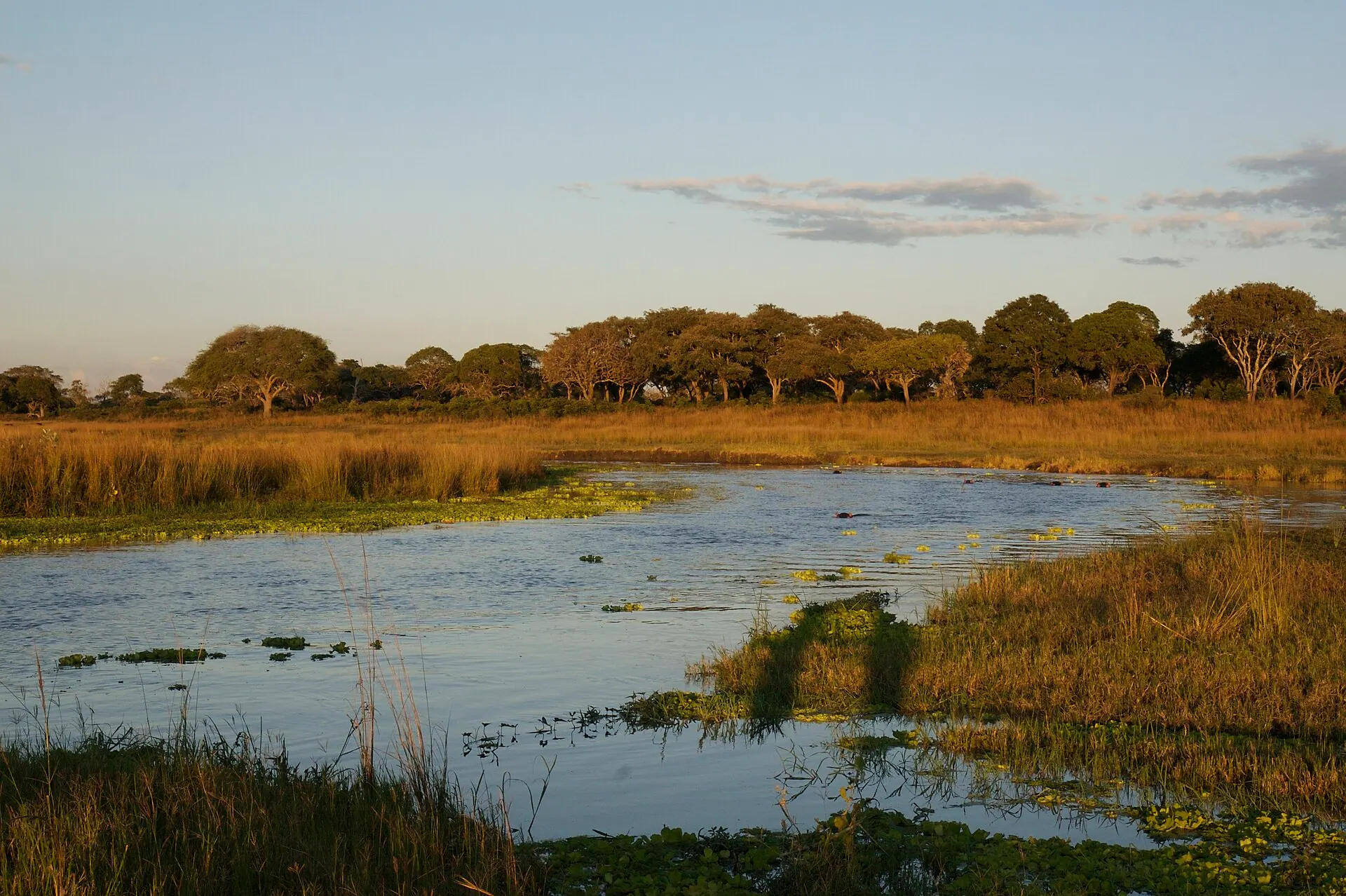 Katavi National Park
Western Circuit
Remote floodplain wilderness where walking is part of the standard offering at the few camps operating there.
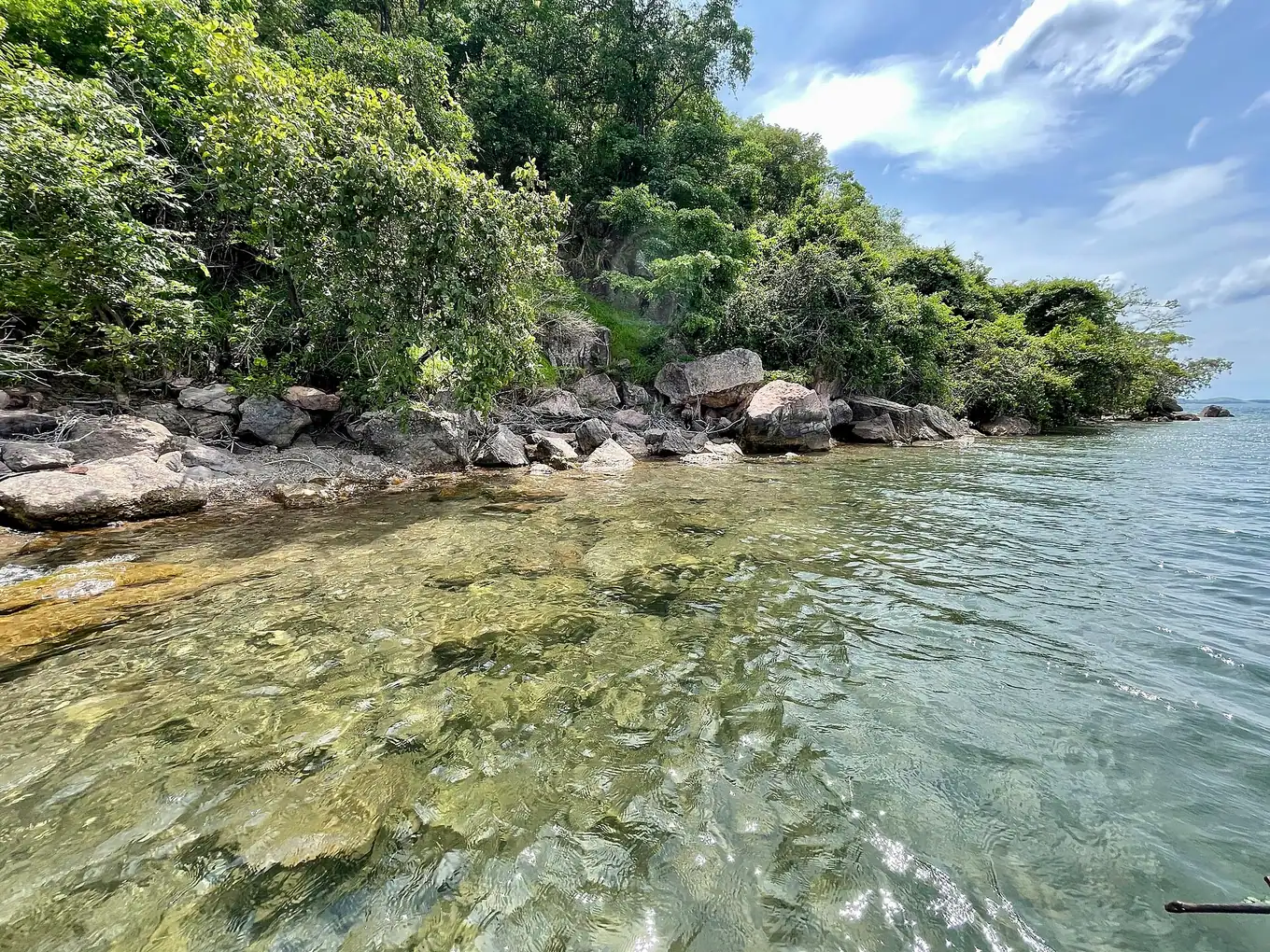 Mahale Mountains National Park
Western Circuit
Everything here is on foot, including chimpanzee trekking and forest walks on steep, humid slopes.
 Udzungwa Mountains National Park
Southern Circuit
A hiking park rather than a driving park, with forest trails from short waterfall walks to multi-day routes.
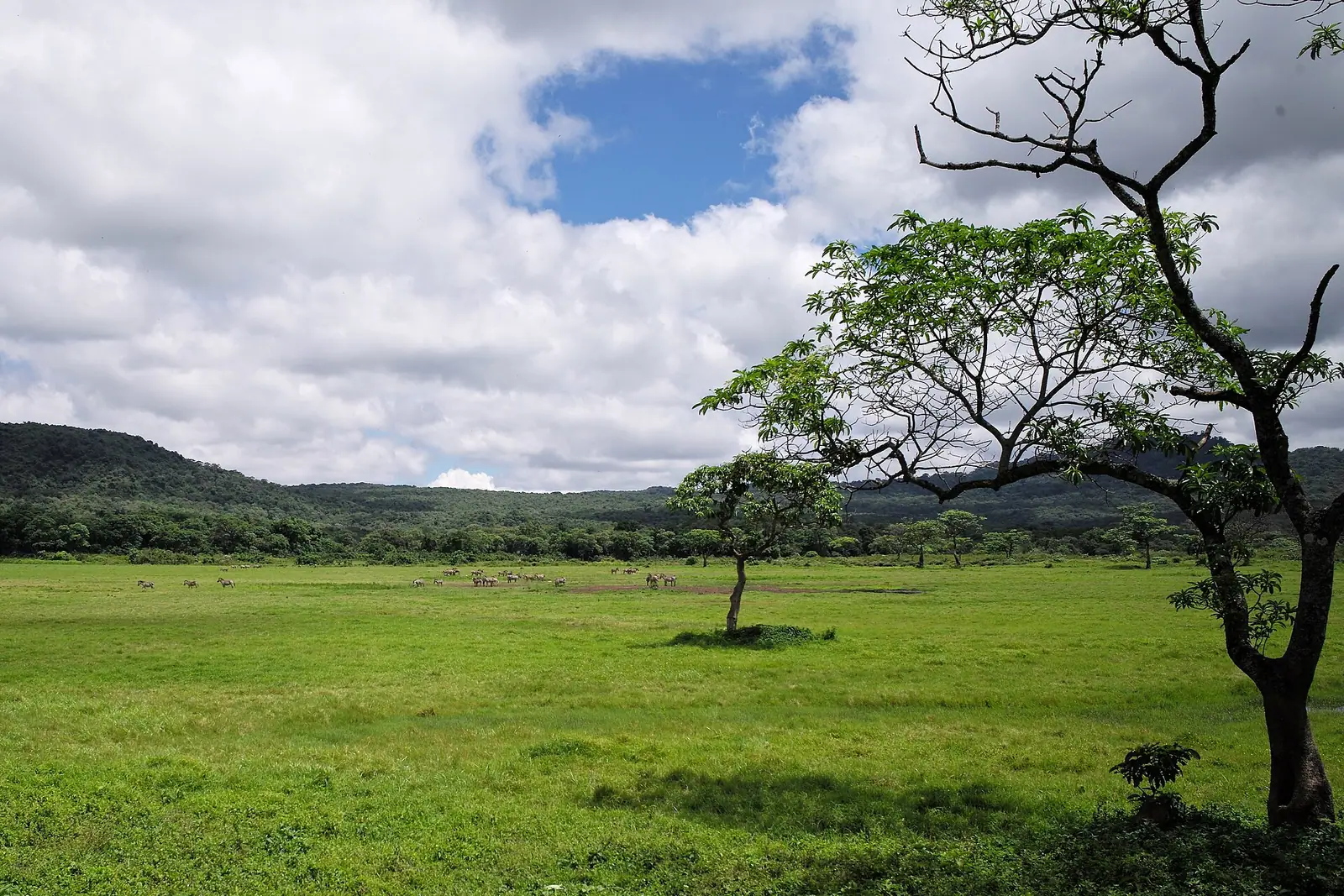 Arusha National Park
Northern Circuit
The most accessible walking in the north, with ranger-led walks around the Momella Lakes and on Meru’s lower slopes.
More to see
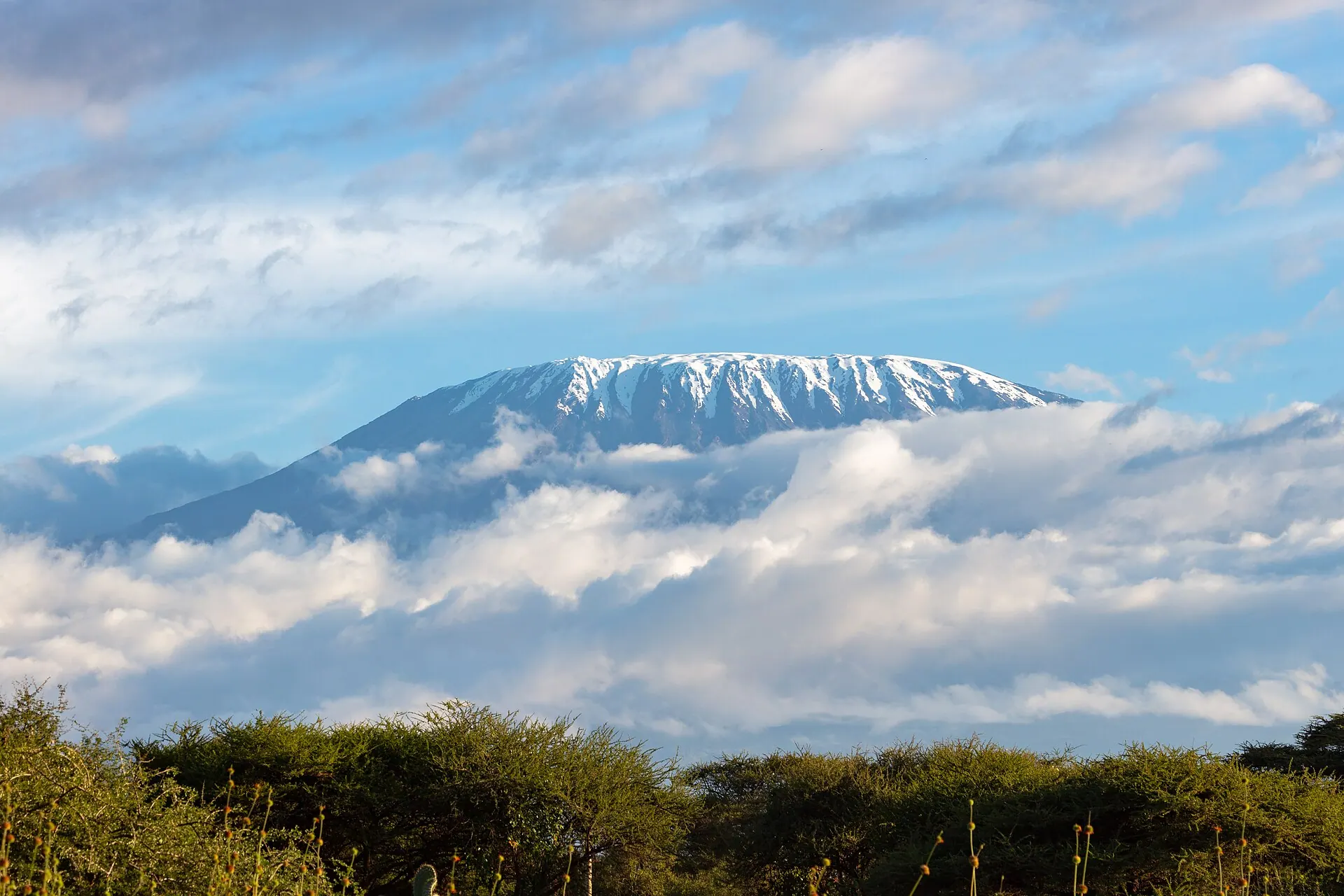 Adventure UNESCO
The Roof of Africa
Mount Kilimanjaro rises to approximately 5,895 m at Uhuru Peak, making it the highest point in Africa and the world’s tallest free-standing mountain. No technical climbing skills are needed, but it is a serious high-altitude trek that rewards a longer route, sensible pacing and honest preparation.
 Adventure
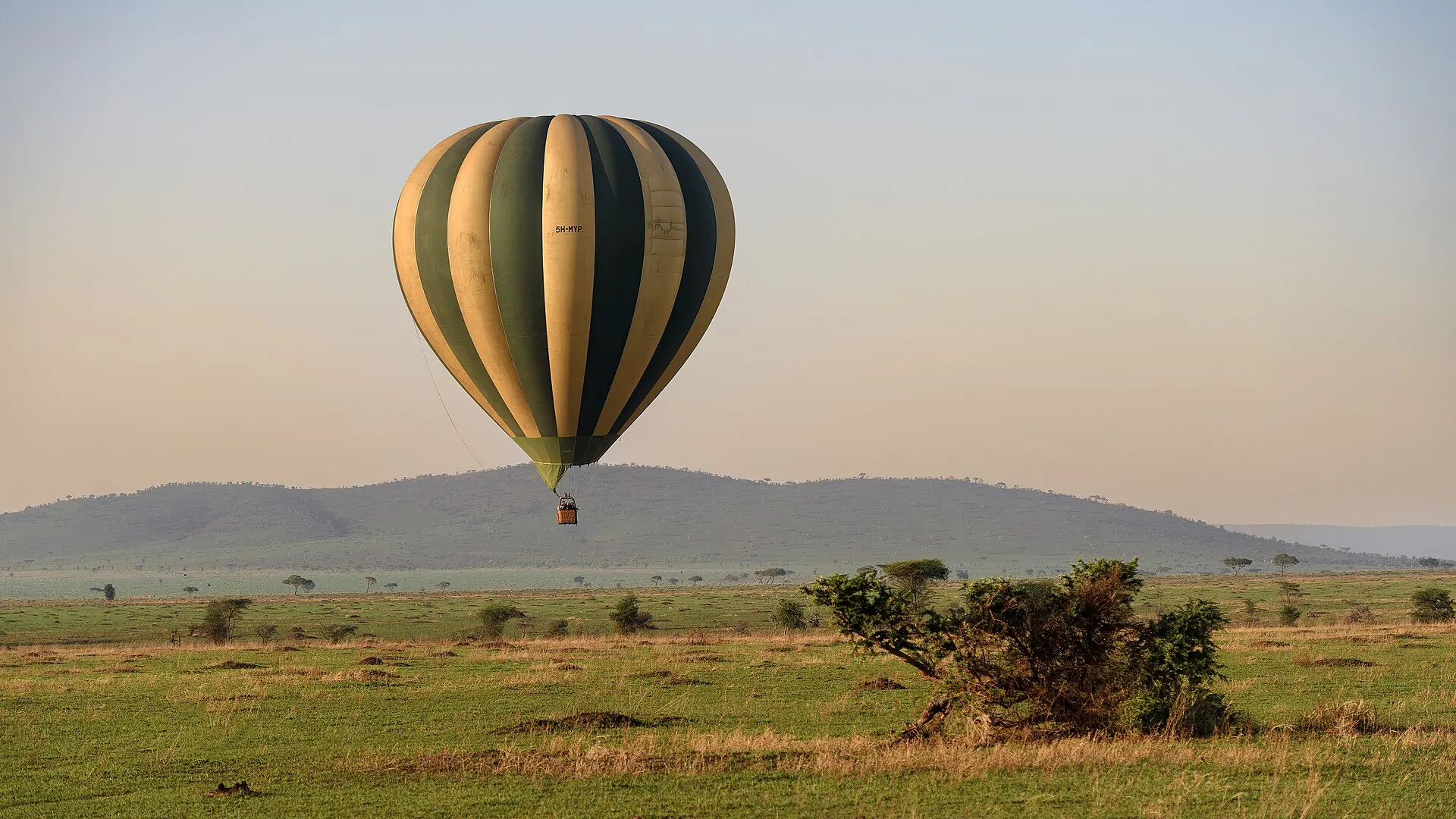
Hot-Air Balloon Safari
A balloon safari means a very early start, a launch as the sky lightens and roughly an hour drifting low over the plains before landing for a bush breakfast. It is the most memorable morning of many people’s safaris and also the most expensive single activity, so it is worth deciding early.