
Wildlife
Chimpanzee Trekking
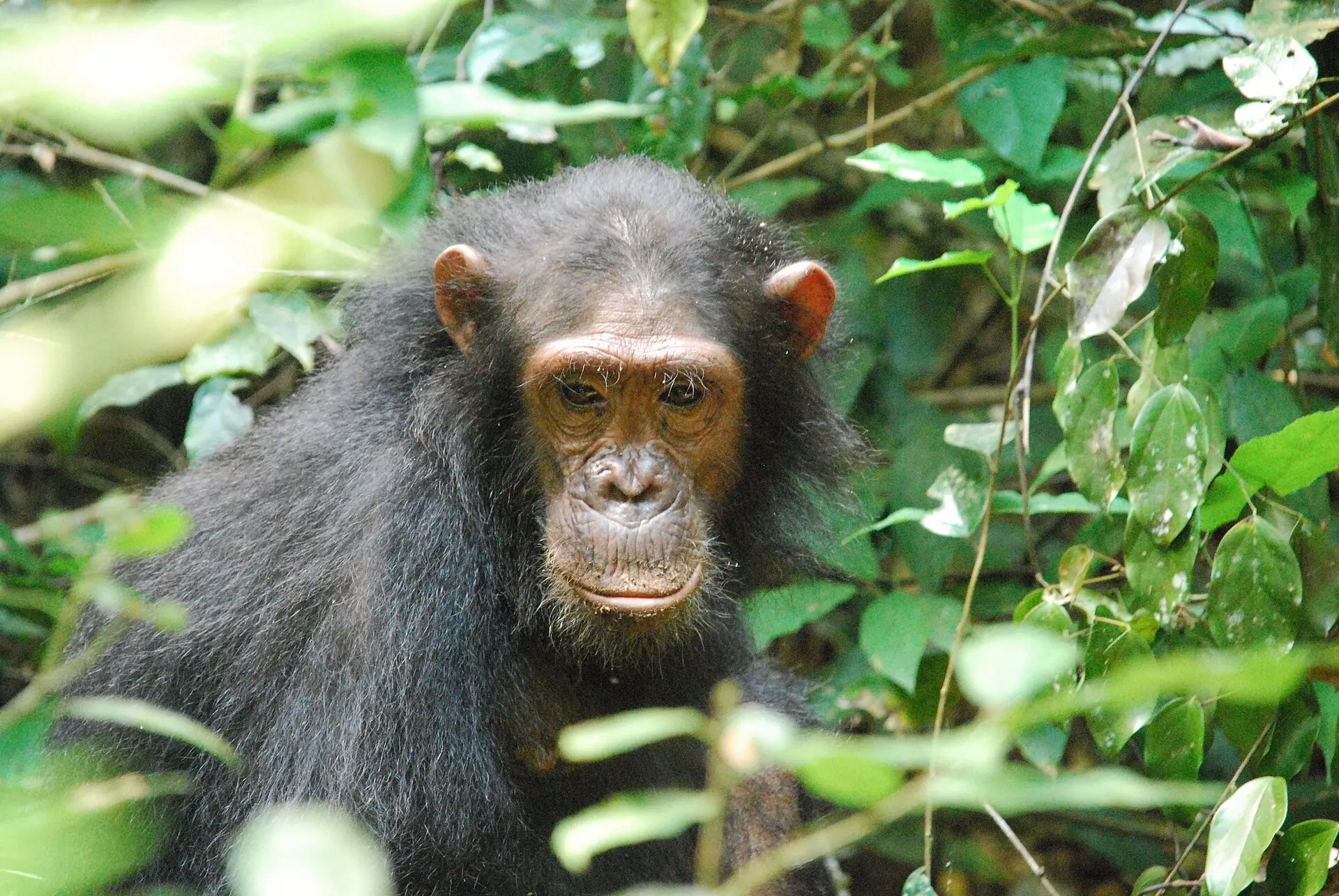
Following habituated chimpanzees through forest on the shore of Lake Tanganyika.
Two places stand out. Gombe Stream is small — one of Tanzania’s smallest national parks — and is where Jane Goodall began her long-term study of wild chimpanzees in 1960, work that changed how people understand our closest relatives. Mahale Mountains is far larger and wilder, a range of forested peaks dropping straight into the lake, reachable only by boat.
A trek starts early with a guide and tracker, following ridges and streambeds until the group is located. It can take twenty minutes or several hours, and the ground is steep, humid and often slippery. When you find them, the chimpanzees are simply going about their day — grooming, feeding, arguing, moving on — and you follow at a respectful distance for a strictly limited period, usually about an hour.
Sightings are good at both parks in most seasons, but they are wild animals in dense forest and nothing is guaranteed. Because chimpanzees can catch human respiratory illnesses, the rules are strict: a minimum distance, face masks, no visiting if you are unwell, and a small group size. They exist for the chimpanzees’ protection, and guides enforce them.
Highlights
- Tracking habituated chimpanzee communities on foot in genuine rainforest
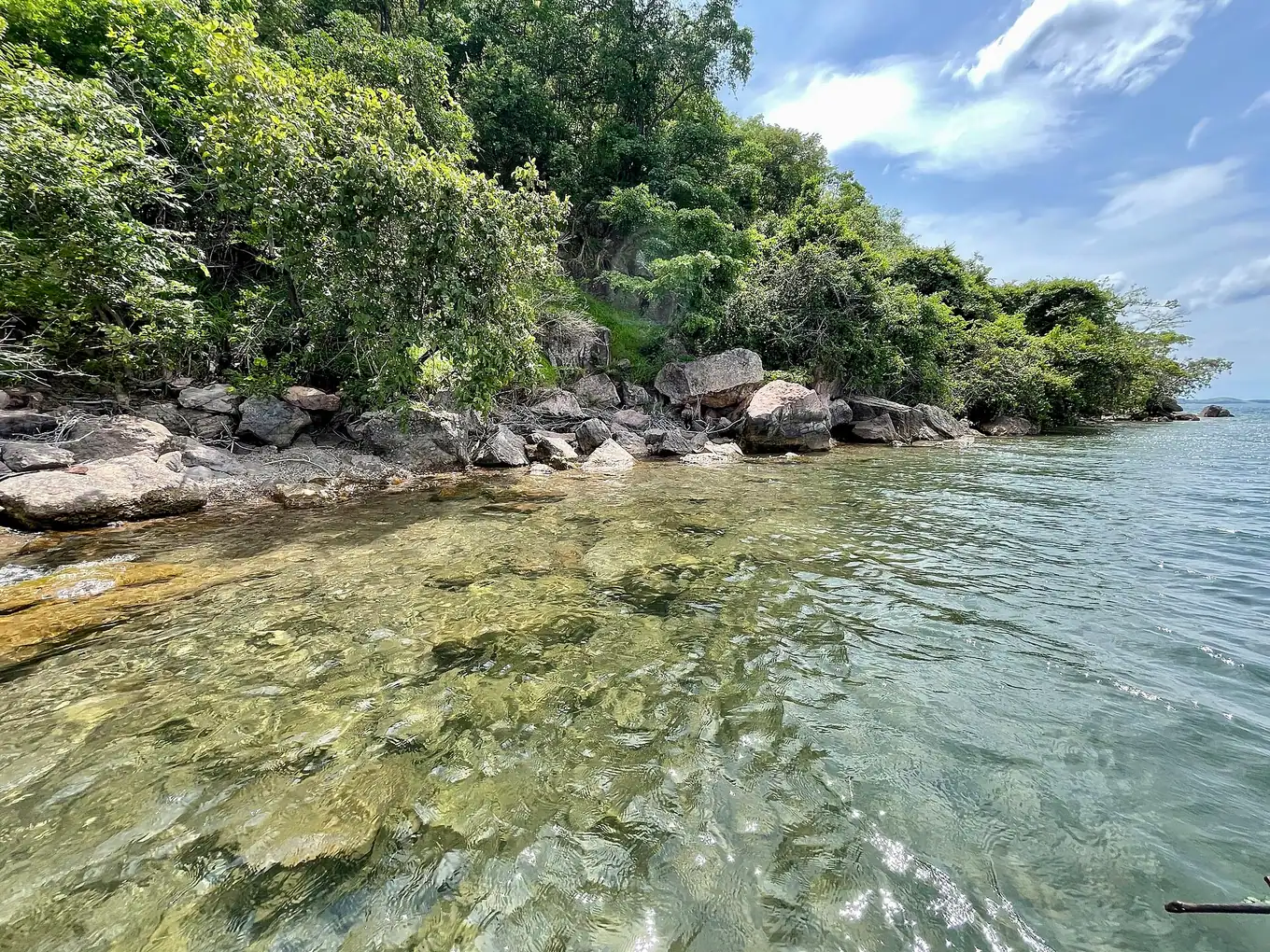
- Mahale Mountains, where forested peaks meet the clear water of Lake Tanganyika
- Gombe Stream, the site of one of the longest-running wild primate studies in the world
- Other primates along the way, including red colobus, blue monkeys and baboons
- Swimming, kayaking and boat trips on Lake Tanganyika between treks
- Very few other visitors — these are among Tanzania’s most remote parks
Where to see it
Best places for this
 Mahale Mountains National Park
Western Circuit
The best-known place for chimpanzee trekking in Tanzania, with well-studied communities, forested mountains and a handful of lakeshore camps reached by boat.
 Gombe Stream National Park
Western Circuit
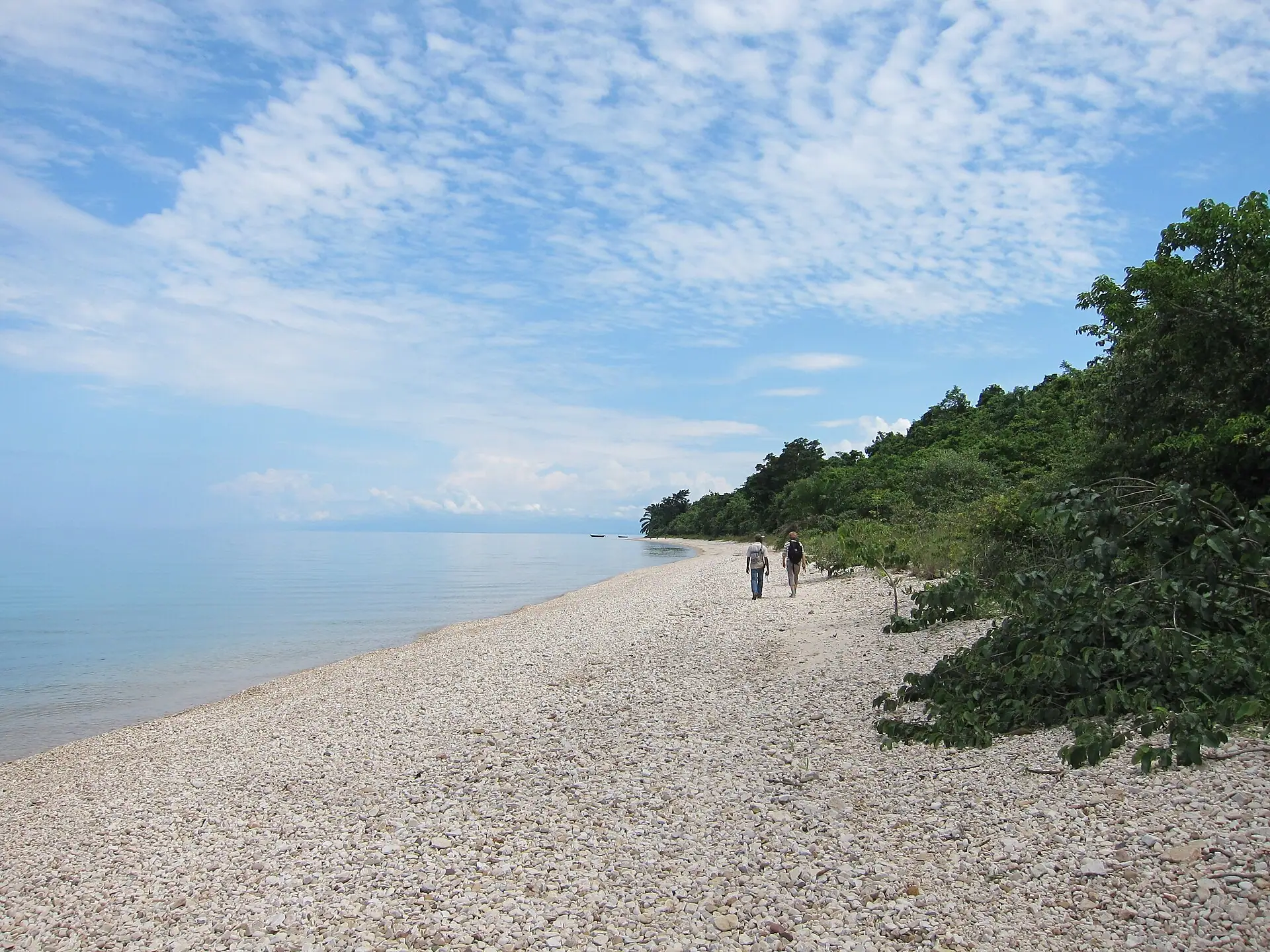
Small, steep and historically important, reached by boat from Kigoma and easy to combine with a short stay on the lake.
 Katavi National Park
Western Circuit
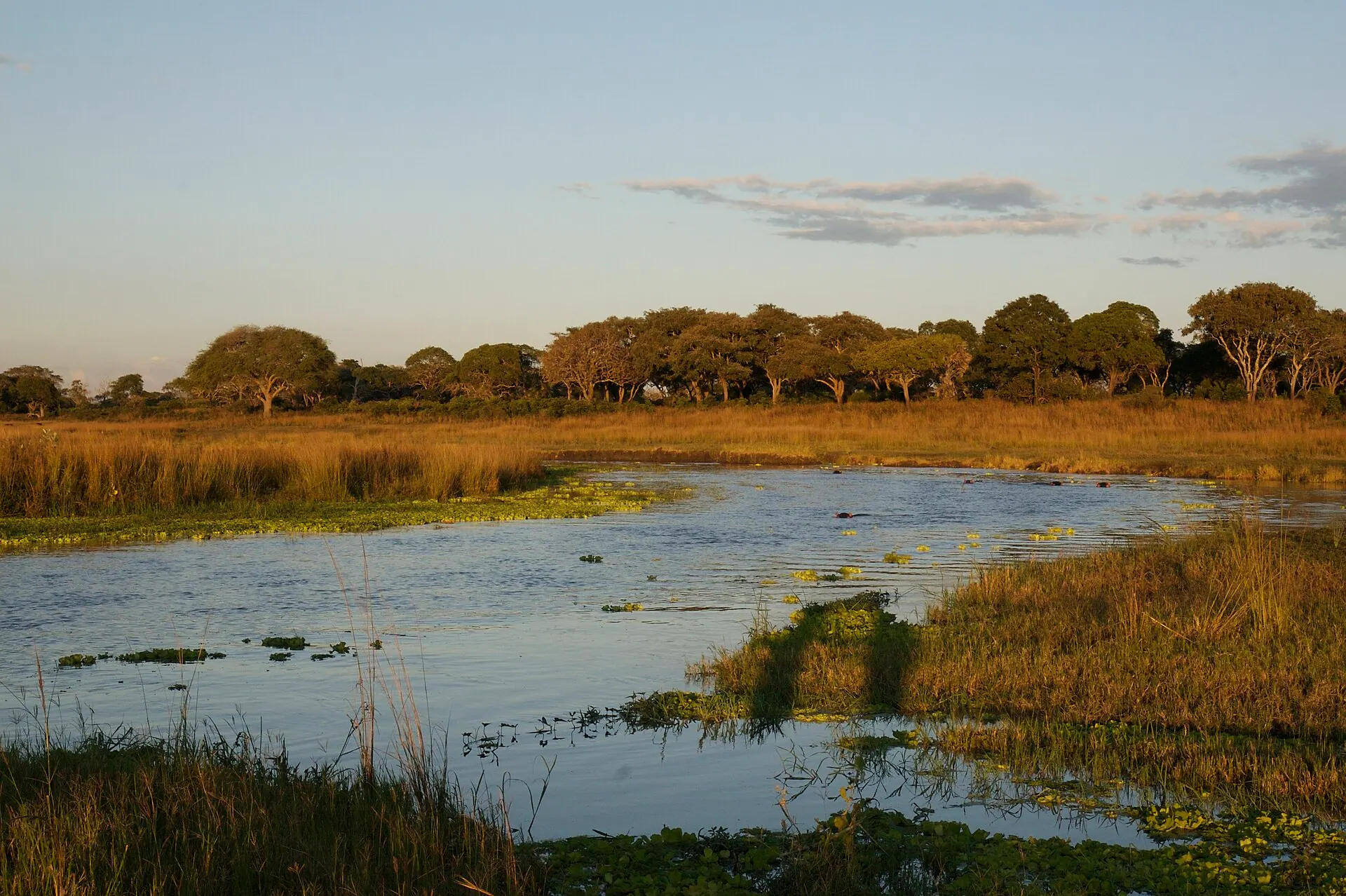
Not a chimpanzee park, but the usual companion on a western circuit — its floodplains, hippos and big buffalo herds pair well with Mahale.
 Arusha
Northern Circuit
Where most western-circuit flights are arranged from; the journey west is by light aircraft and needs to be planned into the itinerary.
Journeys that include this
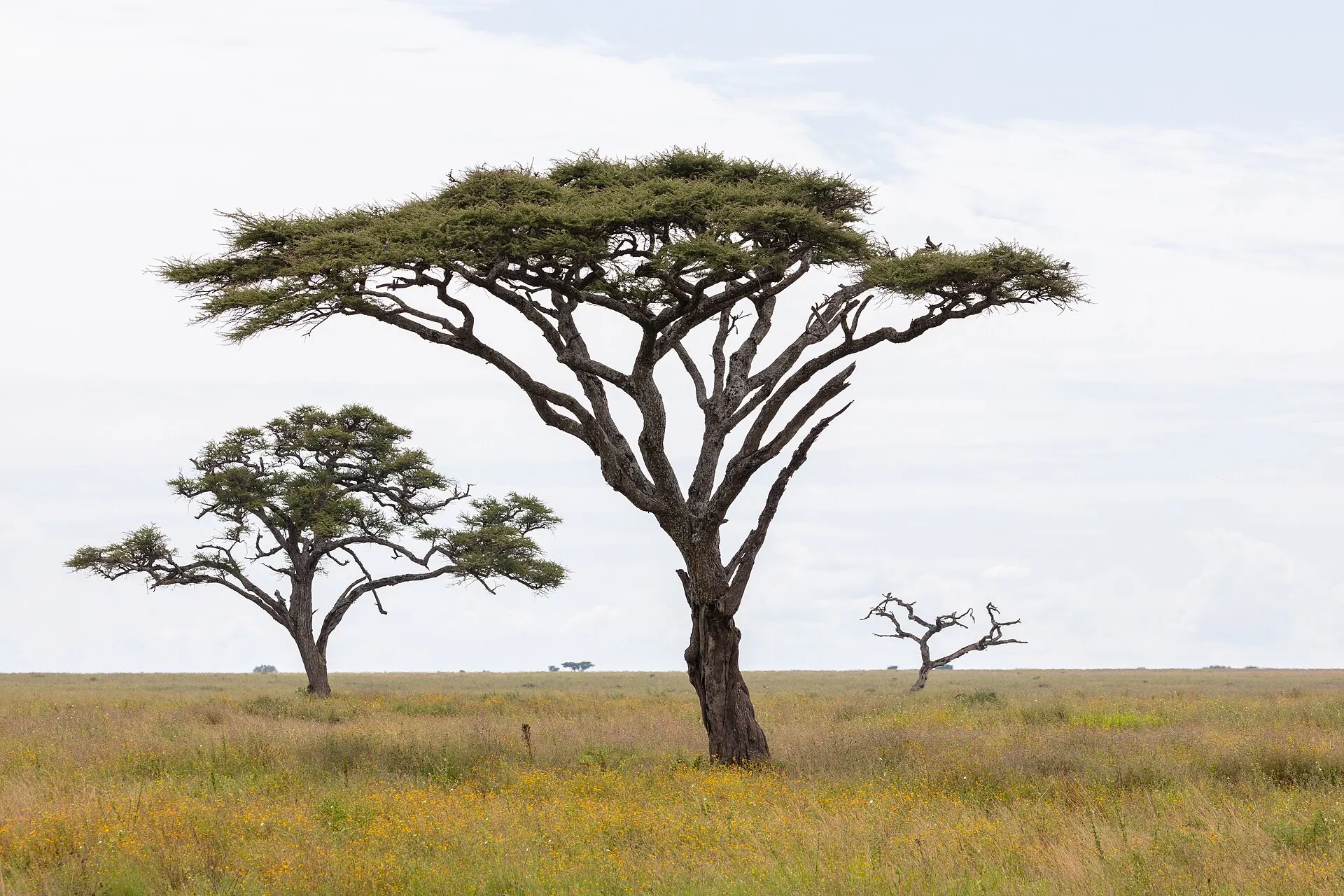 7 days · 6 nights
Northern Tanzania Safari
Seven days through Tarangire, Lake Manyara, the Serengeti and the Ngorongoro Crater
Arusha · Tarangire National Park · Lake Manyara National Park · Serengeti National Park · Ngorongoro Conservation Area
 10 days · 9 nights
Tanzania Safari & Zanzibar Escape
The Northern Circuit’s great parks, followed by Stone Town and the white sands of Zanzibar
Arusha · Tarangire National Park · Serengeti National Park · Ngorongoro Conservation Area · Zanzibar
 12 days · 11 nights
Tailor-Made Tanzania Journey
An example 12-day journey — safari, culture and beach — reshaped entirely around you
Arusha · Tarangire National Park · Serengeti National Park · Ngorongoro Conservation Area · Lake Manyara National Park · Zanzibar
More to see
 Wildlife
The Great Migration
The Great Migration is the year-round movement of well over a million wildebeest, together with hundreds of thousands of zebras and gazelles, through the Serengeti ecosystem in search of grazing and water. It is not a single event on a fixed date but a continuous cycle, and its timing shifts with the rains every year.
Month-by-month guide
 Wildlife
The Big Five
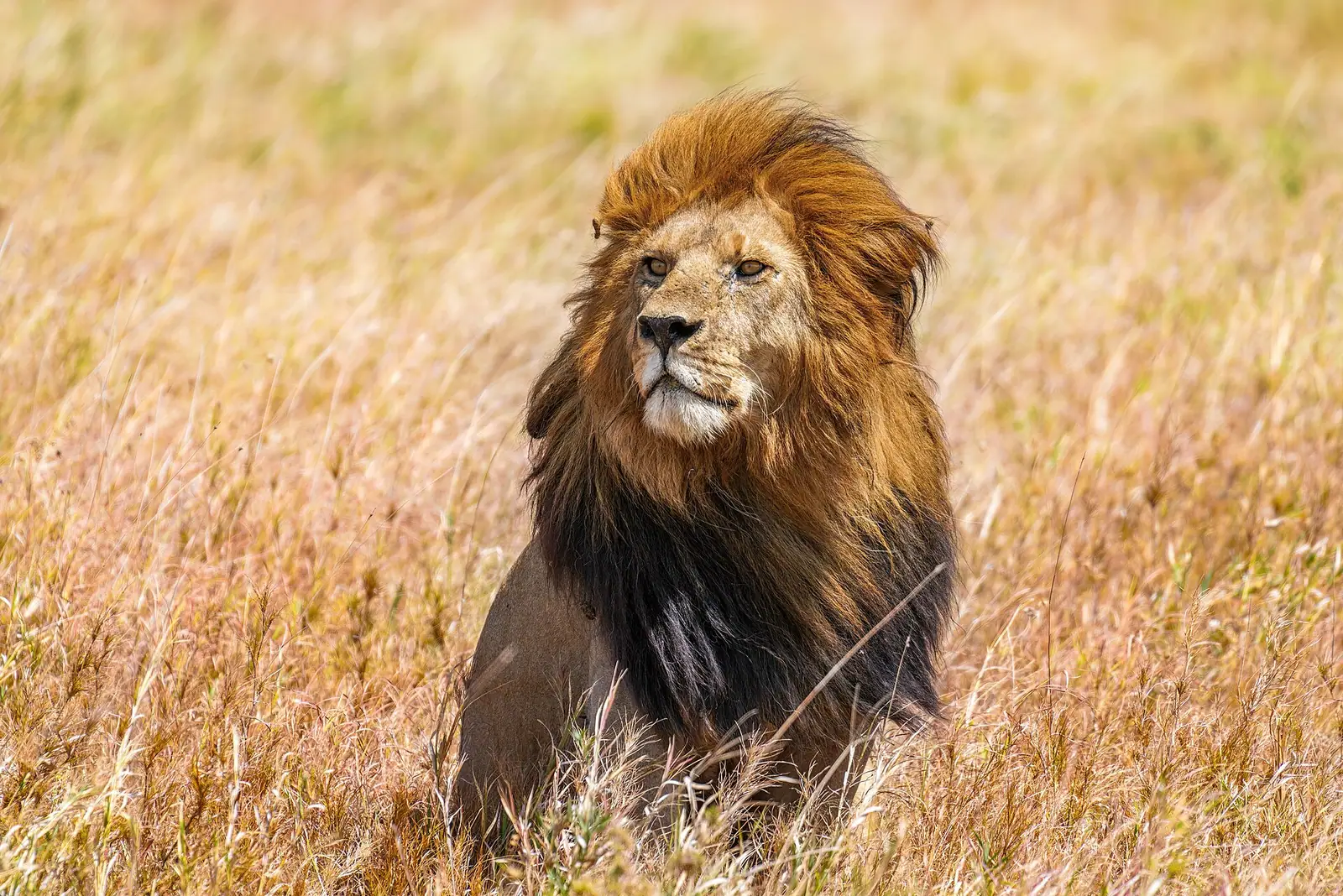
The Big Five are the African lion, leopard, elephant, Cape buffalo and rhinoceros. Tanzania is one of the few countries where all five can be seen, though they are not evenly spread and black rhino in particular are scarce. Seeing four of the five on a well-planned northern safari is realistic; seeing all five is possible but never guaranteed.
 Wildlife
Flamingos & Soda Lakes
Northern Tanzania’s alkaline lakes look hostile — shallow, salty and often too caustic for fish — yet they support blooms of algae that feed flamingos in their thousands. Numbers move constantly between lakes with water levels and food, so a lake that was pink last month may be almost empty this one.