
Landscapes
Baobabs & Landscapes
Ancient trees, granite kopjes and horizons that keep going.
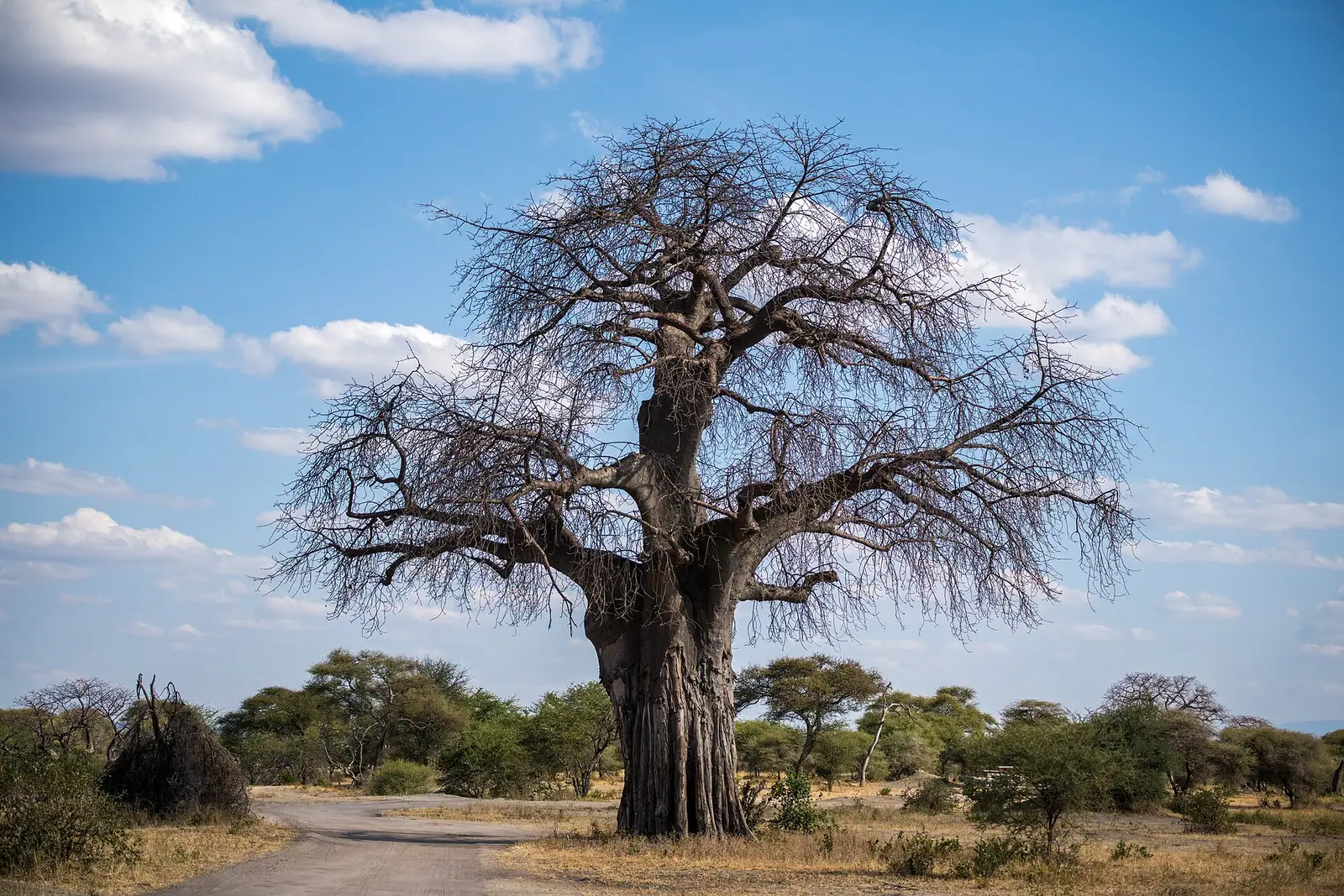
The baobab is the emblem of it. Thick-trunked, bare-branched for much of the year and often described as looking planted upside down, baobabs store water in their fibrous trunks and can live for a very long time — individual trees are frequently described as many centuries old, though ageing them precisely is difficult because they lay down no conventional growth rings. Elephants strip their bark for moisture in the dry season, leaving the scars you see on trunks in Tarangire and Ruaha.
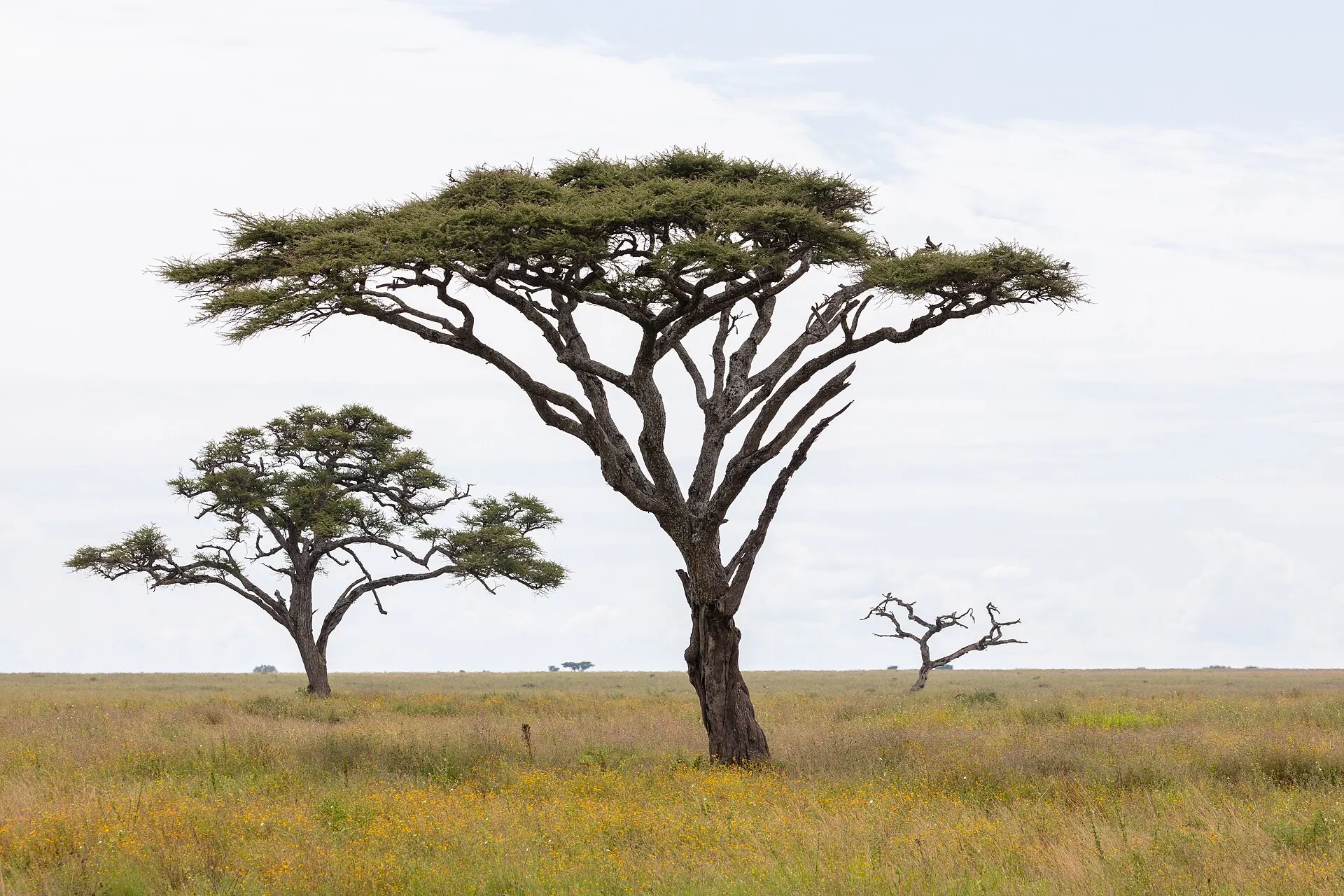
Elsewhere the character changes completely. The Serengeti’s short-grass plains are broken by kopjes, ancient granite outcrops that hold water, shade and, very often, lions. The Rift Valley throws up escarpments and volcanoes. The Eastern Arc Mountains are cool and green, with forest, waterfalls and terraced farmland in the Usambaras. Saadani puts baobabs and palm within sight of the Indian Ocean.
Landscape rewards timing more than luck. The green season, roughly November to May, brings dramatic skies, clean air after rain and vivid colour; the dry season gives golden grass, dust and strong light. Early morning and the last hour before sunset are worth getting up and staying out for, and a guide who understands that will build your day around it.
Highlights
- Baobab-studded valleys in Tarangire and Ruaha, especially striking at sunrise and sunset
- Granite kopjes rising from the Serengeti plains, often with lions or hyraxes on them
- The Rift Valley escarpment, soda lakes and volcanic cones of the north
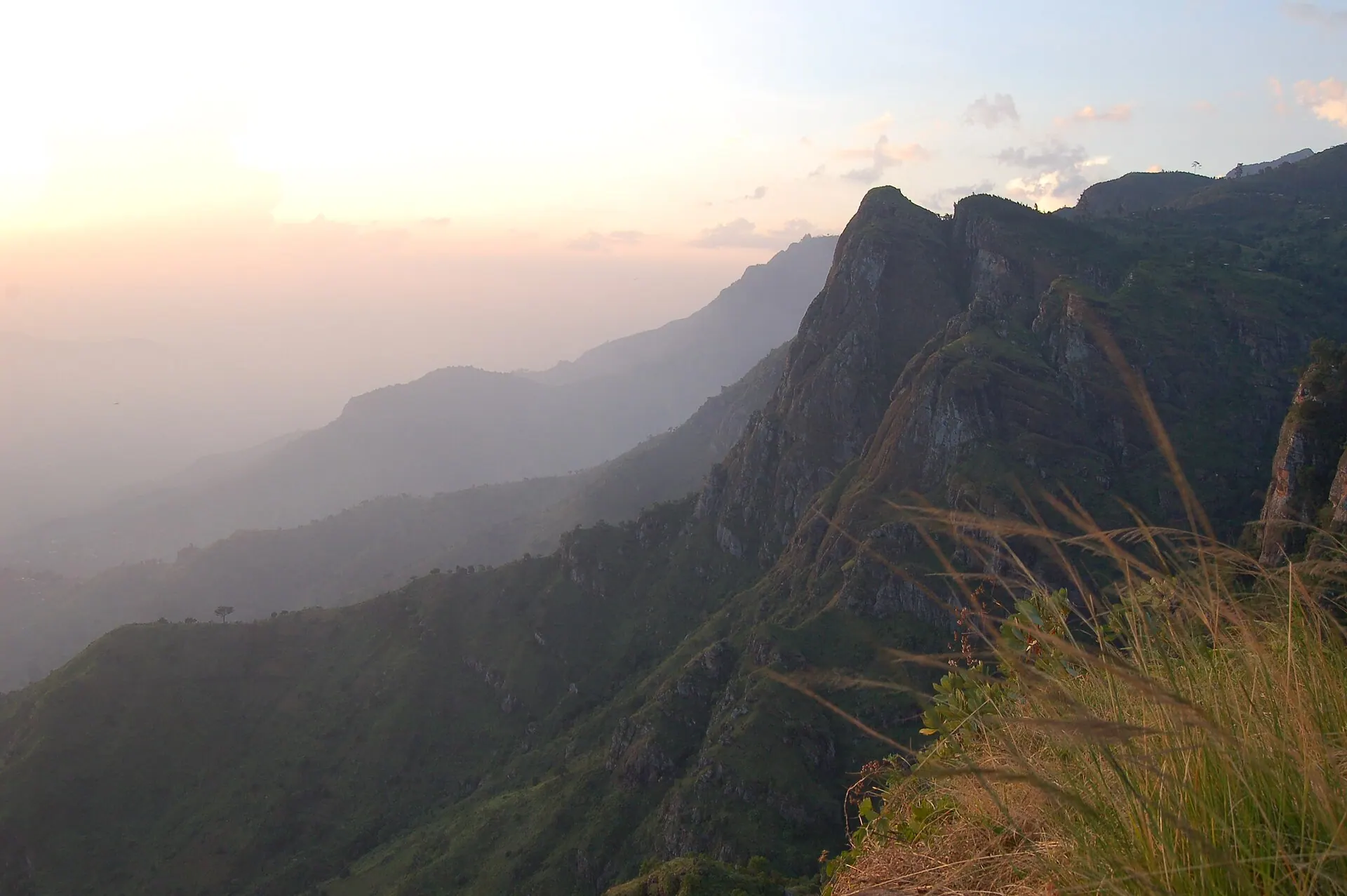
- Cool, green montane forest and waterfalls in the Usambara and Udzungwa Mountains
- Mikumi’s Mkata floodplain, with the Uluguru Mountains rising behind it
- Saadani, where savannah, baobabs and the Indian Ocean meet in the same view
- Dramatic green-season skies and the golden light of the late dry season
Where to see it
Best places for this
 Tarangire National Park
Northern Circuit
The classic baobab landscape of northern Tanzania, with the river valley below and huge trees scattered across the hills.
 Ruaha National Park
Southern Circuit
Rugged, rocky and baobab-covered, with the Great Ruaha River and its sand beds running through it.
 Serengeti National Park
Northern Circuit
Open plains, kopjes and river lines — the scale of it is the point, and it photographs best in early and late light.
 Mikumi National Park
Southern Circuit
The Mkata floodplain with mountains behind, easily reached by road from Dar es Salaam.
 Usambara Mountains
Central & Highlands
A complete change of scene: cool forest, viewpoints over the plains, waterfalls and village walks.
 Saadani National Park
Zanzibar & Coast
Where the bush runs down to the beach, with baobabs, palms and the Wami River reaching the sea.
Journeys that include this
7 days · 6 nightsNorthern Tanzania Safari
Seven days through Tarangire, Lake Manyara, the Serengeti and the Ngorongoro Crater
Arusha · Tarangire National Park · Lake Manyara National Park · Serengeti National Park · Ngorongoro Conservation Area
 10 days · 9 nights
Tanzania Safari & Zanzibar Escape
The Northern Circuit’s great parks, followed by Stone Town and the white sands of Zanzibar
Arusha · Tarangire National Park · Serengeti National Park · Ngorongoro Conservation Area · Zanzibar
 8 days · 7 nights
Southern Tanzania Wilderness
Boat, walking and game-drive safaris in Nyerere and Ruaha, far from the crowds
Nyerere National Park · Ruaha National Park
More to see
 Landscapes UNESCO
The Ngorongoro Crater
The Ngorongoro Crater is one of the world’s largest intact volcanic calderas, formed when a great volcano collapsed in on itself. Grassland, swamp, a soda lake and patches of forest on the floor support a high density of wildlife that stays largely inside the crater year-round. The wider conservation area is also a Maasai homeland and holds some of the most important early-human sites on earth.
 Landscapes
The Great Rift Valley
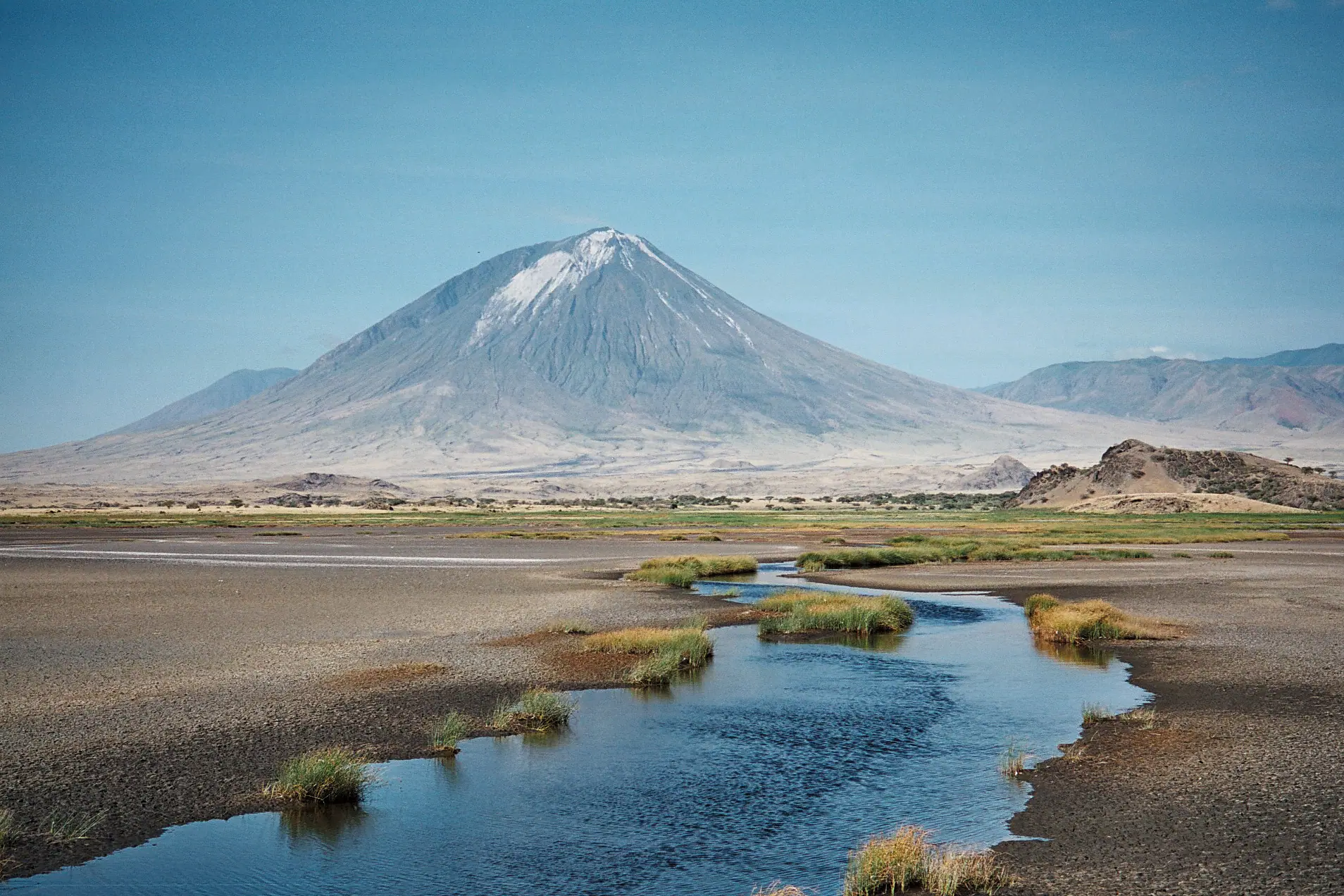
Tanzania sits astride the East African Rift, where the continent is gradually splitting along a system of faults. The Eastern branch gives northern Tanzania its towering escarpments, alkaline lakes and volcanoes, including the active Ol Doinyo Lengai; the Western branch holds Lake Tanganyika, one of the deepest lakes on earth.