
Wildlife
The Big Five
Lion, leopard, elephant, buffalo and rhino — and an honest look at your chances.
The term comes from the era of big-game hunting, when these five animals were considered the most dangerous and difficult to hunt on foot. It has nothing to do with size — it stuck as a phrase long after the hunting ended, and today it is used by photographers rather than shooters. Some guides gently point out that a wild dog, a pangolin or a serval can be a rarer and more exciting sighting than a buffalo.
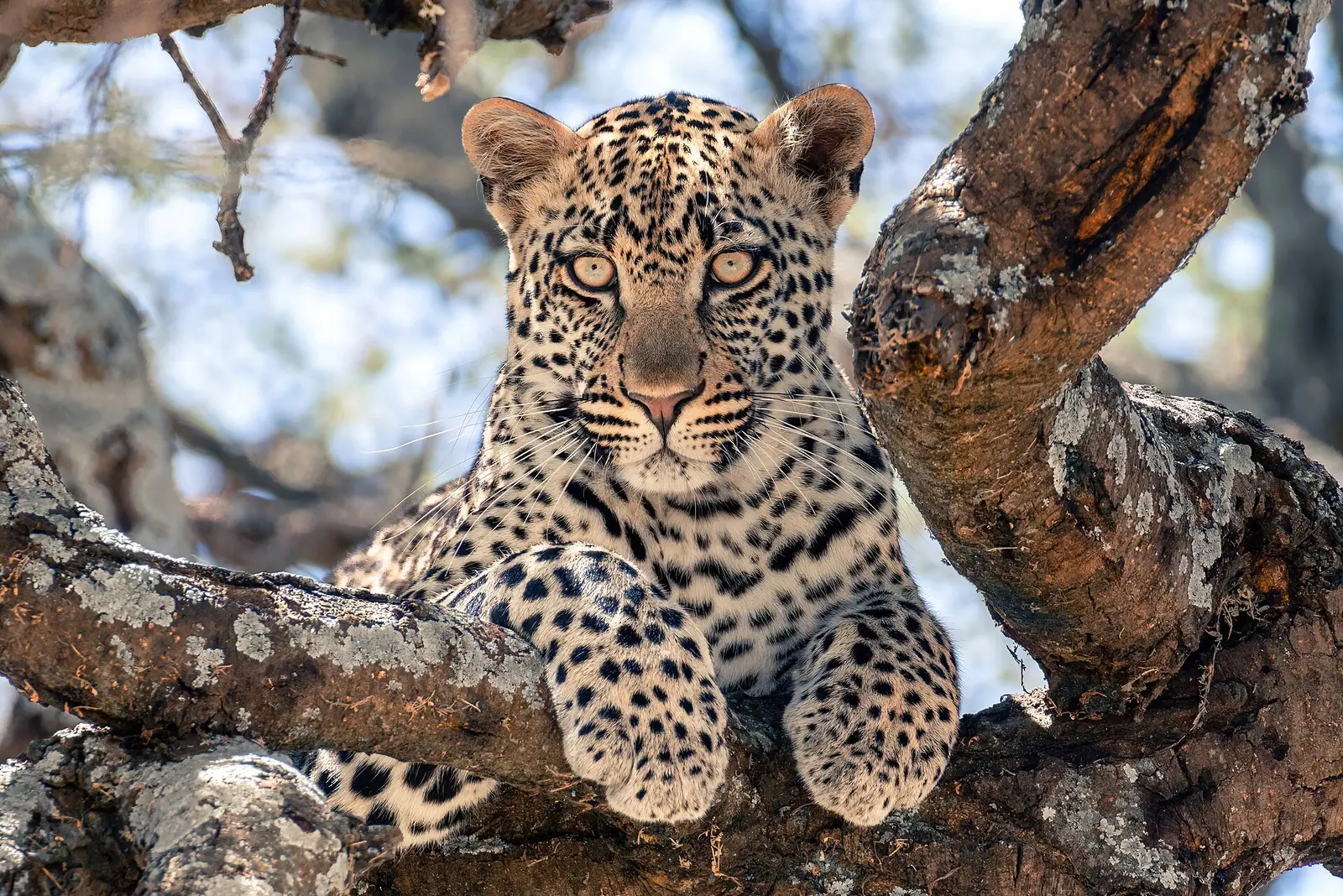
Lions, elephants and buffaloes are widespread and often seen daily in the main parks. Leopards are present almost everywhere but are shy, nocturnal and superbly camouflaged, so sightings depend on habitat, patience and a good guide. Rhino are the real challenge: black rhino numbers in Tanzania are small and closely protected, and the Ngorongoro Crater is the best-known place to look for them — often at a distance, through binoculars, and frequently not at all.
We would rather set expectations honestly than sell a checklist. A trip built around varied habitats and unhurried time at sightings usually produces far better wildlife viewing than one rushing between parks trying to tick off five species.
Highlights
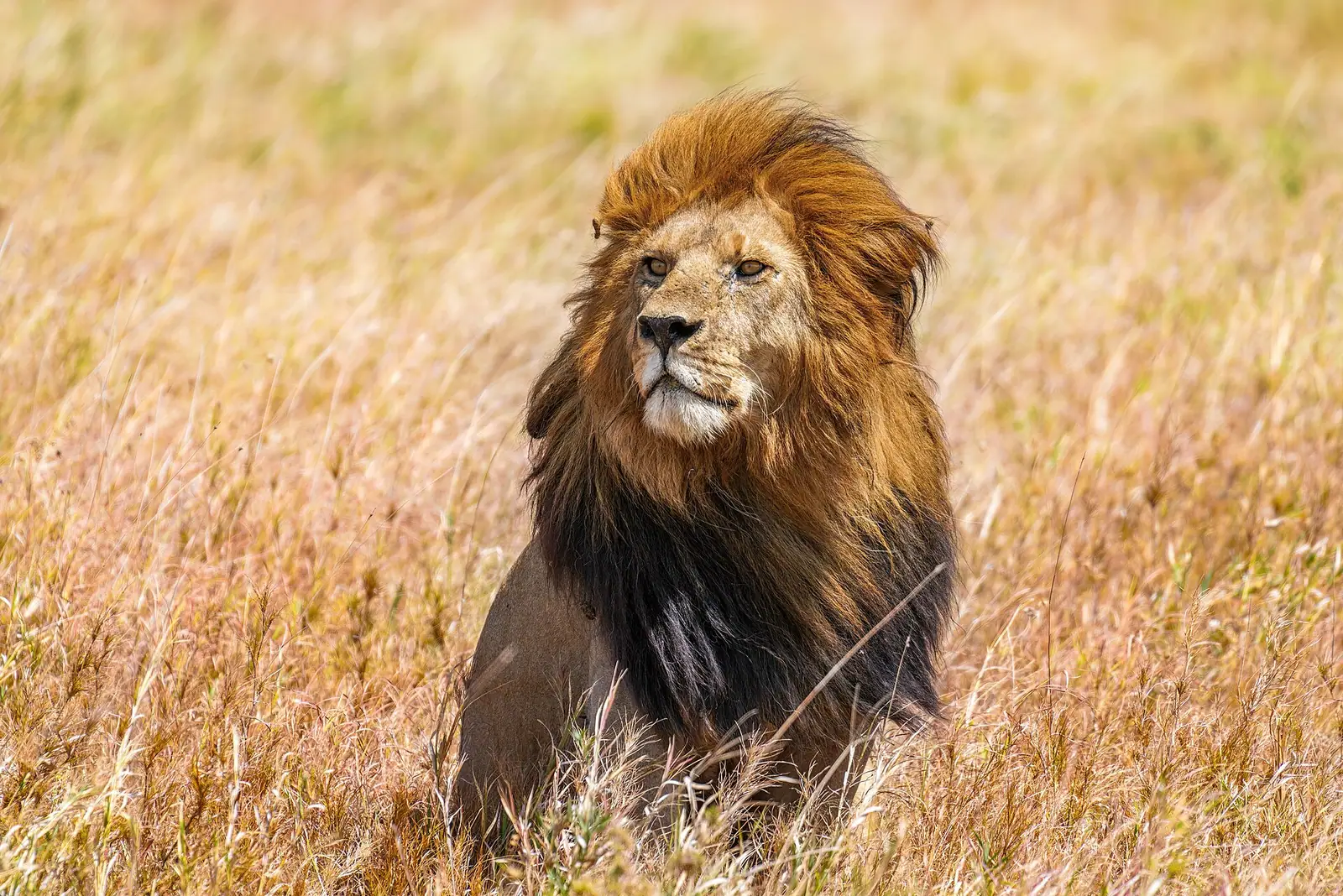
- Lion: widespread and often seen, with large prides in the Serengeti, Ngorongoro Crater and Ruaha
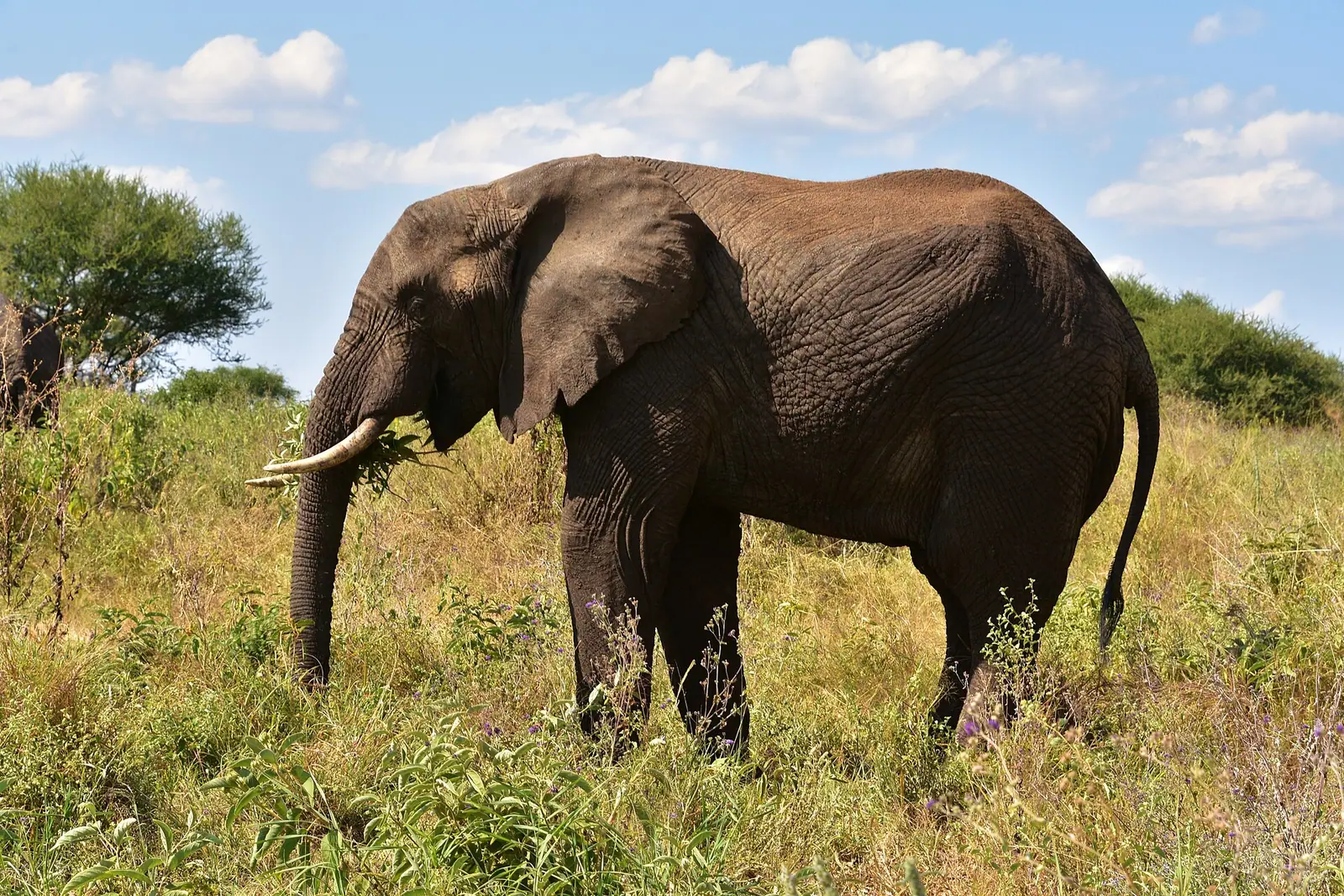
- Elephant: reliable in Tarangire, Ruaha and Nyerere, where herds gather near water in the dry season
- Cape buffalo: common and often in big herds, including on the Ngorongoro Crater floor
- Leopard: present in most parks, most often seen resting in trees along rivers in Seronera and Ruaha
- Black rhino: scarce, closely protected and never guaranteed — the crater floor offers the best-known chance
- The quieter “others”: cheetah, African wild dog, serval, caracal and honey badger reward slow, patient safaris
Where to see it
Best places for this
 Serengeti National Park
Northern Circuit
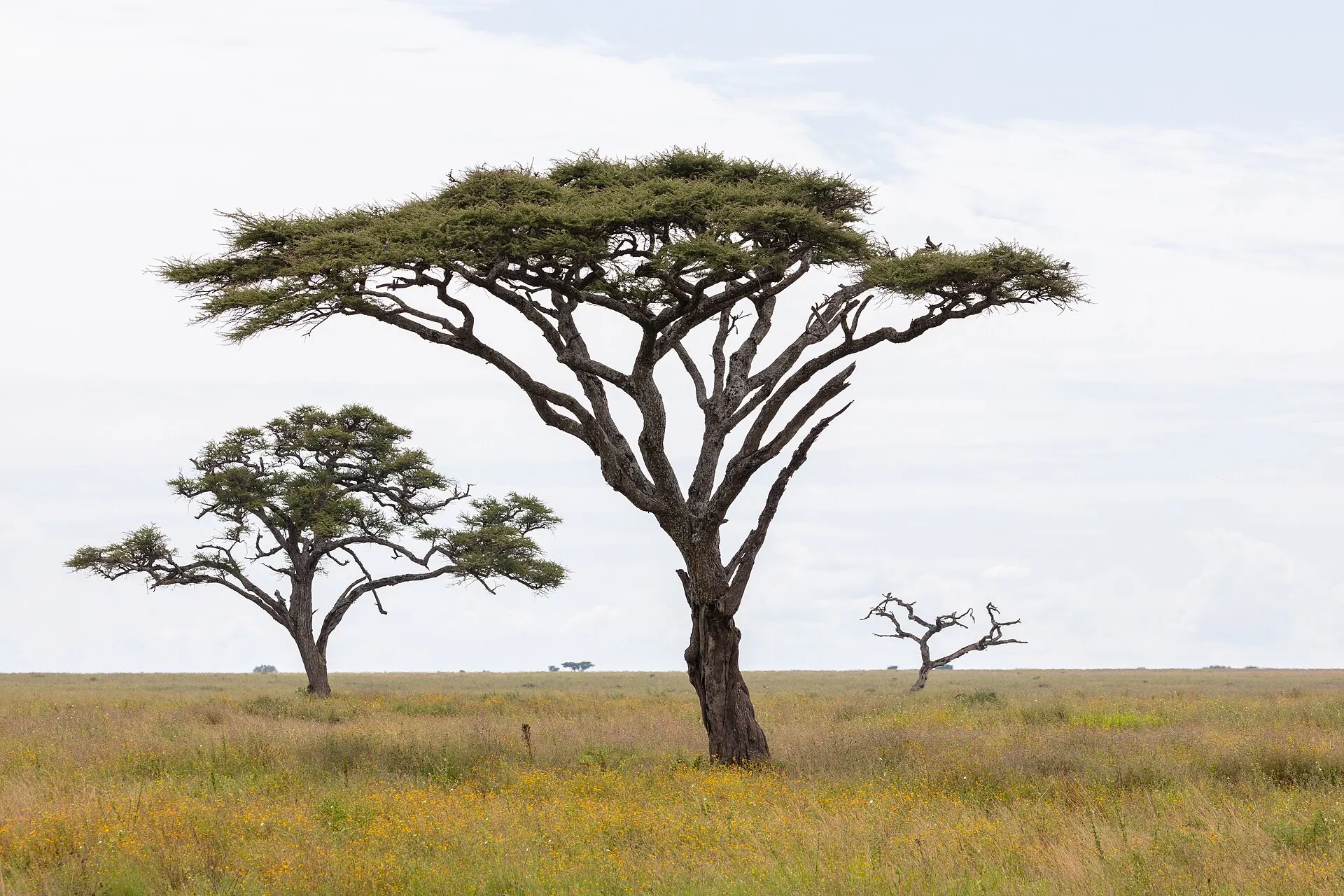
Outstanding for lion and cheetah, with leopards regularly seen along the rivers near Seronera. Elephant and buffalo are common; rhino are present in small numbers but very rarely seen.
 Ngorongoro Conservation Area
Northern Circuit
The single best-known place in Tanzania to look for black rhino, with lion, elephant and buffalo often seen on the same crater-floor drive.
 Tarangire National Park
Northern Circuit
Large elephant herds, especially along the river in the dry season, with lion, buffalo and a chance of leopard.
 Ruaha National Park
Southern Circuit
Big lion prides and one of the better parks for leopard, alongside large elephant and buffalo numbers — and far fewer vehicles.
 Nyerere National Park
Southern Circuit
Elephant, buffalo and lion around the Rufiji, plus a genuine chance of African wild dogs, which many guides rate above any of the Big Five.
 Lake Manyara National Park
Northern Circuit
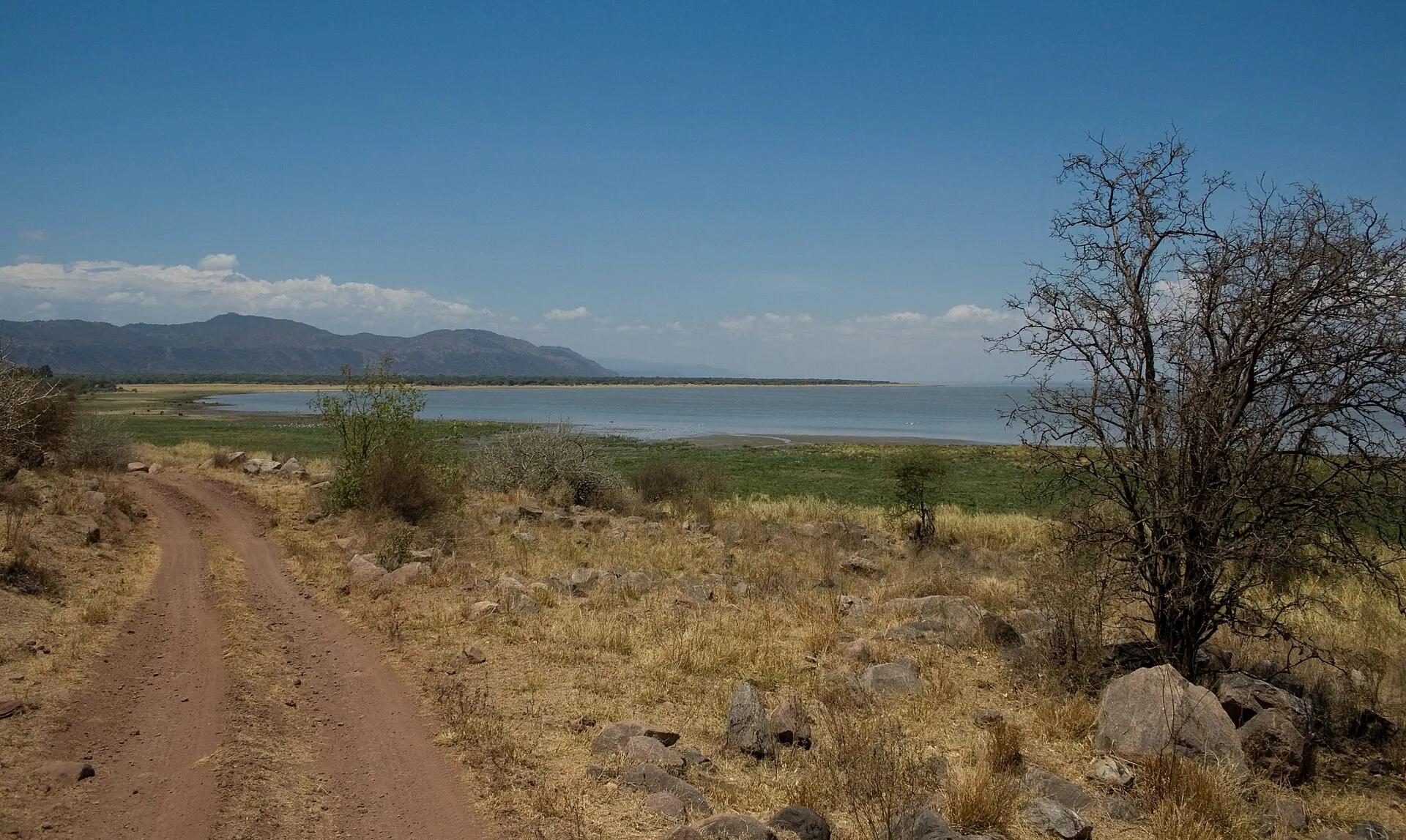
Elephant and buffalo in a compact, varied park, with the well-known but unpredictable chance of seeing lions resting in trees.


Journeys that include this
7 days · 6 nightsNorthern Tanzania Safari
Seven days through Tarangire, Lake Manyara, the Serengeti and the Ngorongoro Crater
Arusha · Tarangire National Park · Lake Manyara National Park · Serengeti National Park · Ngorongoro Conservation Area
 10 days · 9 nights
Tanzania Safari & Zanzibar Escape
The Northern Circuit’s great parks, followed by Stone Town and the white sands of Zanzibar
Arusha · Tarangire National Park · Serengeti National Park · Ngorongoro Conservation Area · Zanzibar
8 days · 7 nightsSouthern Tanzania Wilderness
Boat, walking and game-drive safaris in Nyerere and Ruaha, far from the crowds
Nyerere National Park · Ruaha National Park
More to see
 Wildlife
The Great Migration
The Great Migration is the year-round movement of well over a million wildebeest, together with hundreds of thousands of zebras and gazelles, through the Serengeti ecosystem in search of grazing and water. It is not a single event on a fixed date but a continuous cycle, and its timing shifts with the rains every year.
Month-by-month guide
 Wildlife
Chimpanzee Trekking
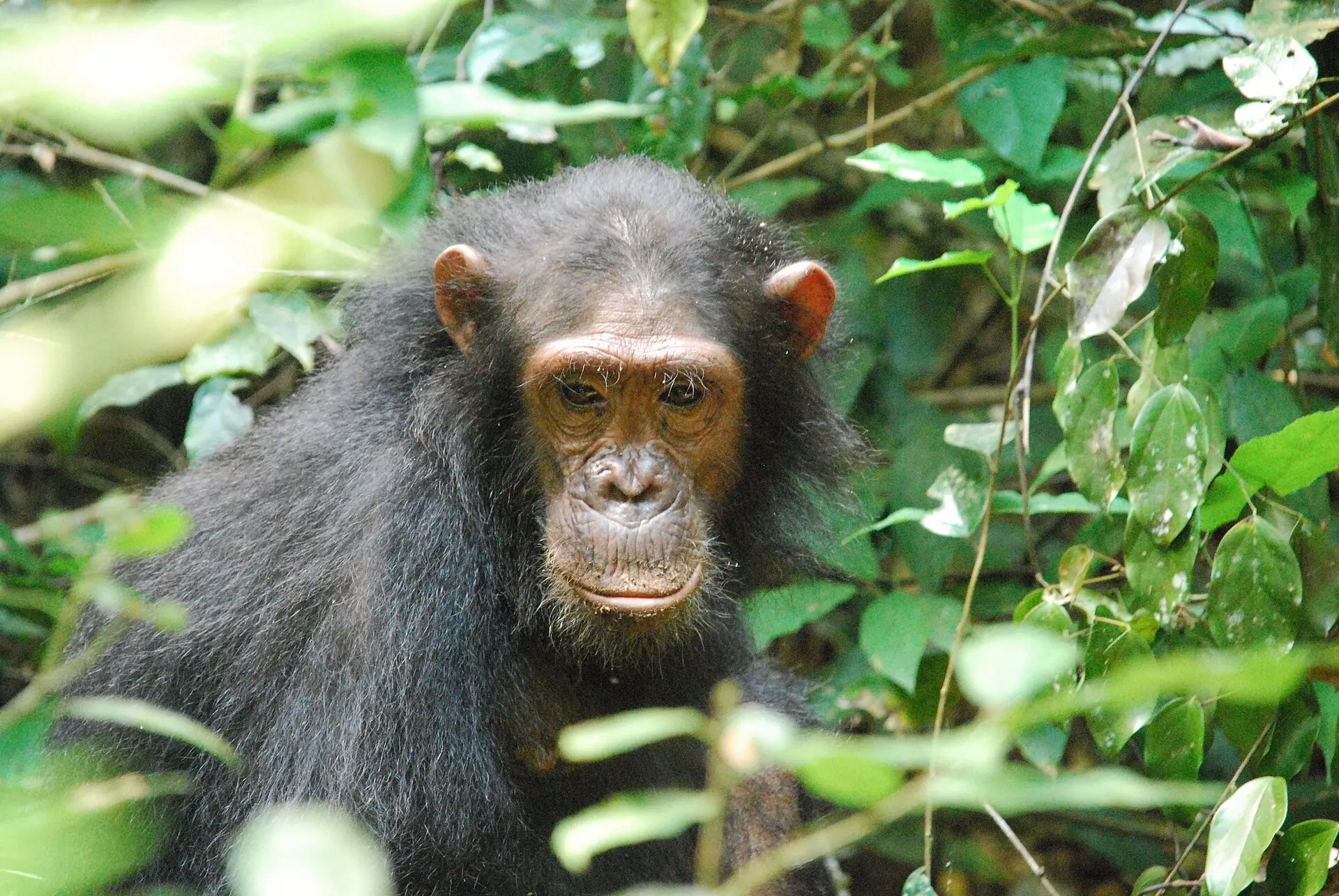
In the far west of Tanzania, on the steep forested slopes above Lake Tanganyika, communities of wild chimpanzees have been studied and habituated for decades. Trekking to find them is a demanding, humbling walk rather than a game drive, and time with the group is deliberately limited to protect their health.
 Wildlife
Flamingos & Soda Lakes
Northern Tanzania’s alkaline lakes look hostile — shallow, salty and often too caustic for fish — yet they support blooms of algae that feed flamingos in their thousands. Numbers move constantly between lakes with water levels and food, so a lake that was pink last month may be almost empty this one.