

Wildlife
The Great Migration
More than a million wildebeest moving with the rain, all year round.
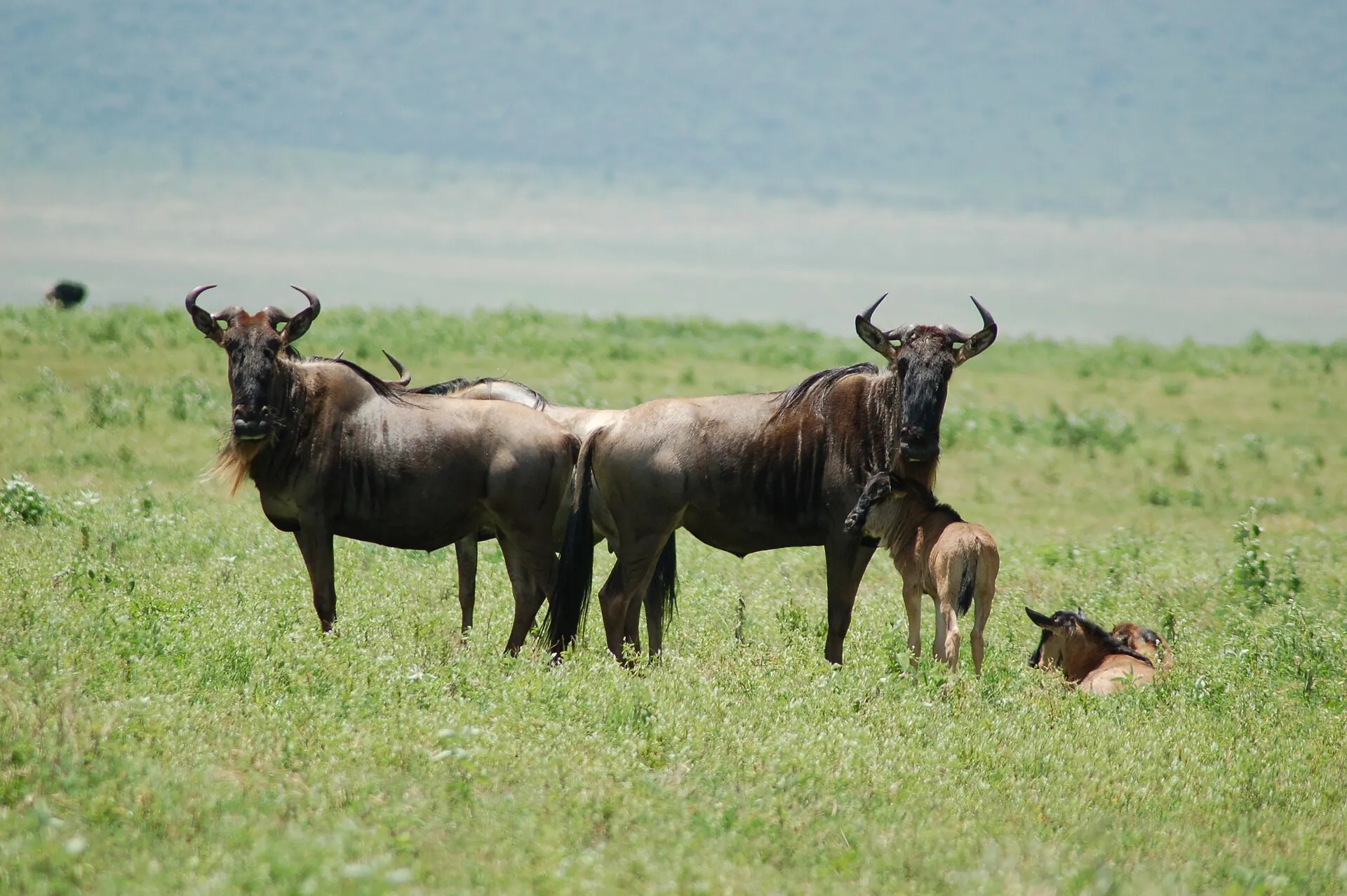
The herds are always somewhere. What changes is where — and that depends almost entirely on where rain has fallen and where the grass is growing. In a typical year the wildebeest calve on the short-grass plains in the south, move north and west as those plains dry out, cross the Grumeti and then the Mara rivers in the middle of the year, spend the driest months in the far north, and drift south again when the short rains arrive.
Because the pattern is driven by weather rather than the calendar, the same month can look different from one year to the next. Herds can arrive weeks early or late, split into several groups, or move back and forth across a river for days. Planning a Migration safari therefore means choosing a region for the season, giving yourself enough nights there, and staying flexible — not chasing a date.
It is also worth saying plainly: no one can promise you a river crossing, a calving morning or a particular sighting. What we can do is put you in the right part of the ecosystem at the right time of year, with a guide who knows how to read the movement, and enough time on the ground for things to unfold.
Highlights
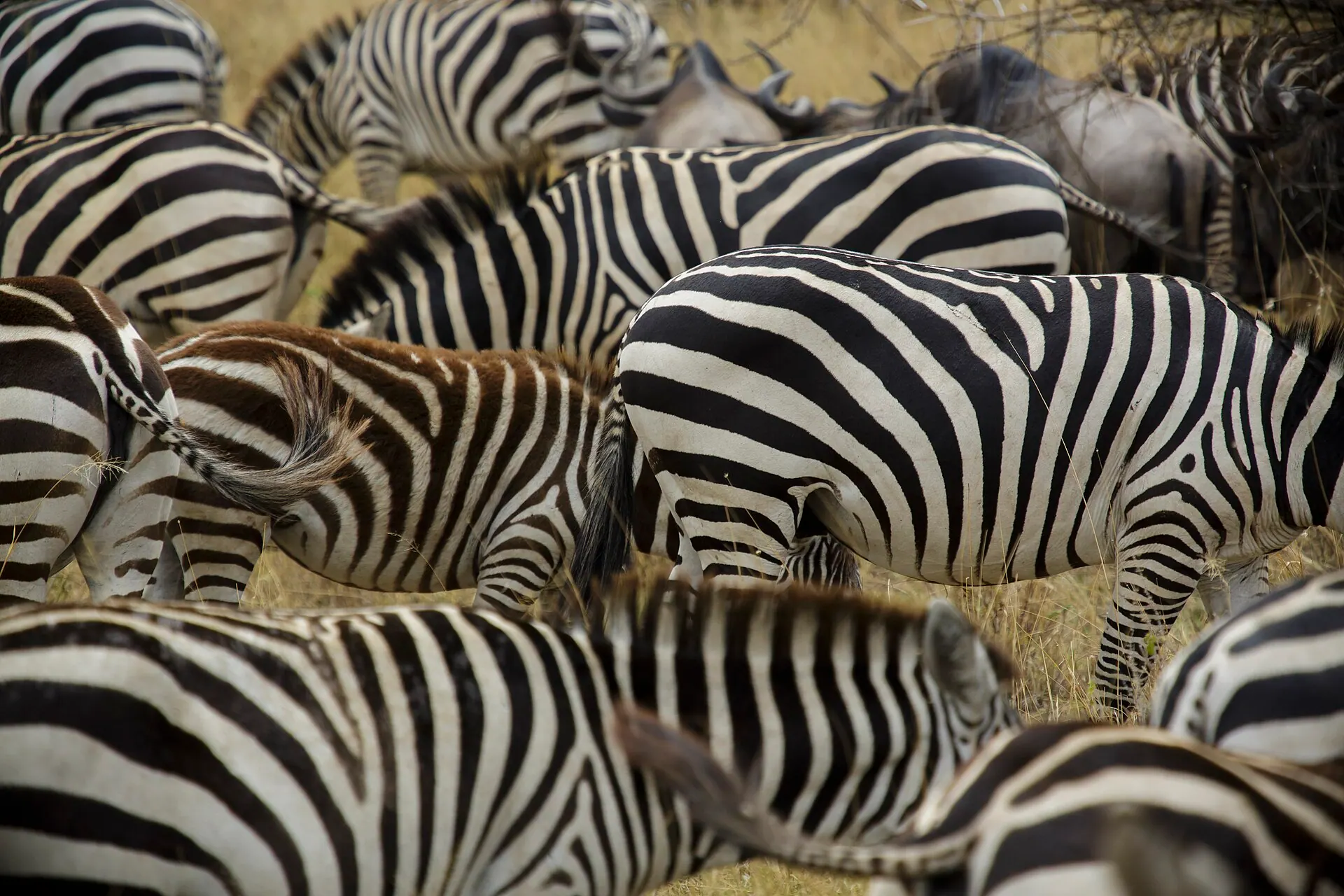
- Well over a million wildebeest, with large numbers of zebras and Thomson’s gazelles
- Calving on the southern short-grass plains, typically concentrated in a few weeks around January and February
- Dramatic river crossings on the Grumeti and Mara rivers in the middle and later part of the year
- Intense predator activity — lions, hyenas, cheetahs and crocodiles follow the herds
- Long columns of animals stretching across open plains, a remarkable sight for photographers
- Seasonal mobile camps that move with the herds, keeping you close to the action
- A cycle that continues all year, so there is always a season worth travelling for
Month by month
Where to be, and when
The herds follow the rain, so timings shift from year to year. Use this as a guide, and we’ll confirm the best areas for your dates.
| When | Where the herds usually are | What you might see |
|---|---|---|
| December – February | Southern Serengeti and the Ndutu area (Ngorongoro Conservation Area)The short-grass plains are usually green and the herds spread out across them. Calving is typically concentrated in a few weeks around late January and February, when very large numbers of calves are born within a short period — and predators are never far away. | The short-grass plains are usually green and the herds spread out across them. Calving is typically concentrated in a few weeks around late January and February, when very large numbers of calves are born within a short period — and predators are never far away. |
| March | Southern plains, beginning to shift north and westCalves are on their feet and the plains start to dry. As the long rains set in the herds begin to break up and drift, though they often linger while grazing lasts. | Calves are on their feet and the plains start to dry. As the long rains set in the herds begin to break up and drift, though they often linger while grazing lasts. |
| April – May | Central Serengeti (Seronera) and the Moru areaA quieter, greener and much less busy time. Herds move north through the central woodlands in long columns; roads can be muddy and some tracks difficult after heavy rain. | A quieter, greener and much less busy time. Herds move north through the central woodlands in long columns; roads can be muddy and some tracks difficult after heavy rain. |
| May – June | Western corridor and the Grumeti RiverThe rut often takes place around this period, with wildebeest bulls calling and sparring. Herds push towards the Grumeti, where the first river crossings of the year may happen. | The rut often takes place around this period, with wildebeest bulls calling and sparring. Herds push towards the Grumeti, where the first river crossings of the year may happen. |
| June – July | Western corridor moving towards the northern SerengetiThe dry season begins to concentrate the herds. Grumeti crossings are usually smaller and less predictable than the Mara crossings that follow. | The dry season begins to concentrate the herds. Grumeti crossings are usually smaller and less predictable than the Mara crossings that follow. |
| July – September | Northern Serengeti and the Mara RiverThe classic river-crossing season. Herds may cross north, then back south again, several times. Crossings depend on water levels, grazing and the mood of the herd, so patience and several days in the area matter more than luck. | The classic river-crossing season. Herds may cross north, then back south again, several times. Crossings depend on water levels, grazing and the mood of the herd, so patience and several days in the area matter more than luck. |
| October | Northern and north-eastern SerengetiHerds remain in the north while grazing lasts, drifting south as the short rains begin to fall on the plains behind them. | Herds remain in the north while grazing lasts, drifting south as the short rains begin to fall on the plains behind them. |
| November – December | Moving south through the central and eastern Serengeti towards the southern plainsThe short rains pull the herds back towards the south. Movement can be fast and scattered, and the exact route varies considerably from year to year. | The short rains pull the herds back towards the south. Movement can be fast and scattered, and the exact route varies considerably from year to year. |
Where to see it
Best places for this
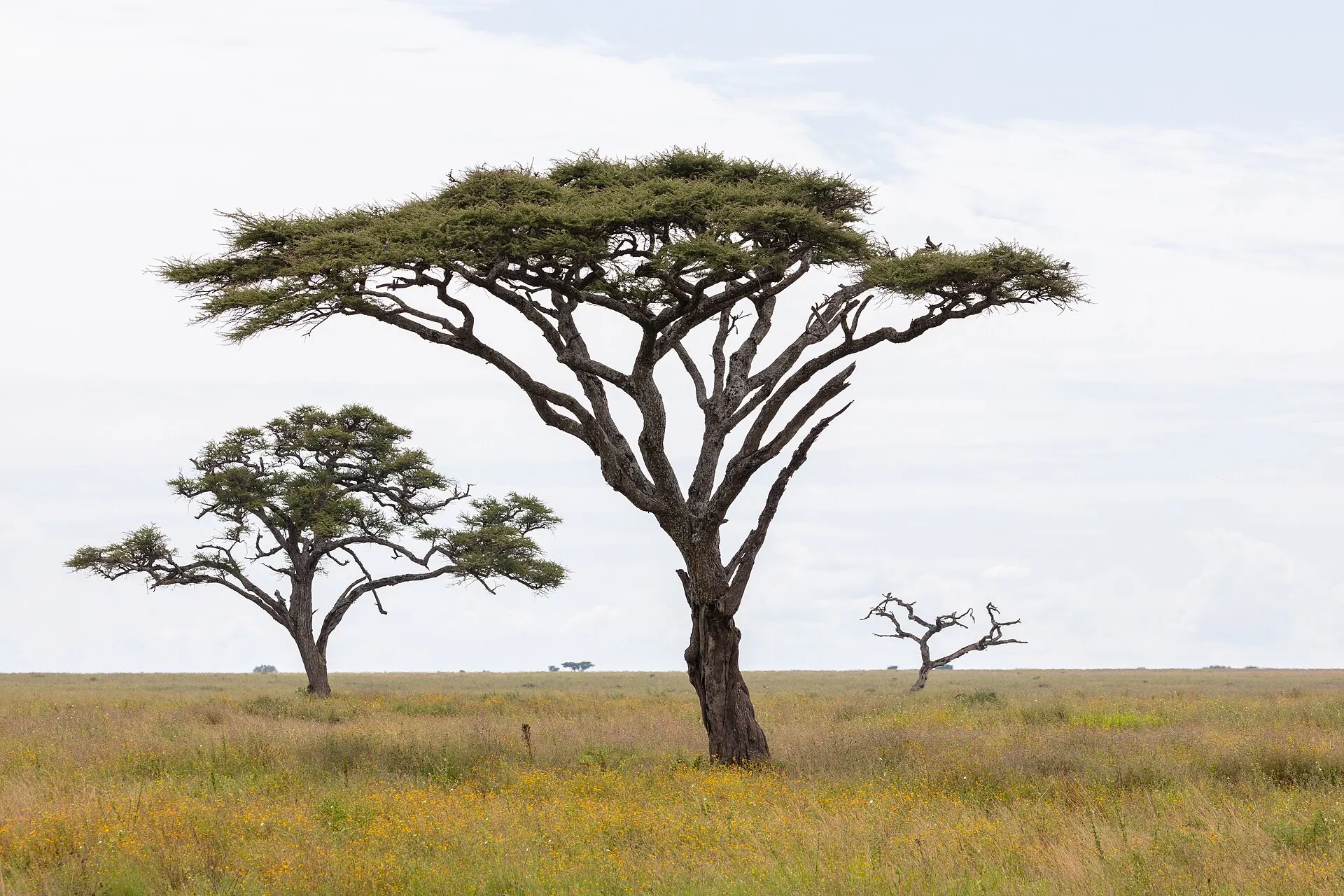 Serengeti National Park
Northern Circuit
The heart of the Migration. Different areas of the park come into their own at different times of year, from the southern plains to the Mara River in the far north.
 Ngorongoro Conservation Area
Northern Circuit
The Ndutu area and the short-grass plains on the southern edge of the ecosystem fall partly within the Ngorongoro Conservation Area, where the calving season is usually centred.
 Tarangire National Park
Northern Circuit
A separate, much smaller seasonal movement of wildebeest, zebras and elephants within the Tarangire ecosystem — a good early stop on a longer northern safari.
 Arusha
Northern Circuit
Where most Migration safaris begin, with road access to the south and light-aircraft flights to airstrips across the Serengeti.
Journeys that include this
7 days · 6 nightsNorthern Tanzania Safari
Seven days through Tarangire, Lake Manyara, the Serengeti and the Ngorongoro Crater
Arusha · Tarangire National Park · Lake Manyara National Park · Serengeti National Park · Ngorongoro Conservation Area
 10 days · 9 nights
Tanzania Safari & Zanzibar Escape
The Northern Circuit’s great parks, followed by Stone Town and the white sands of Zanzibar
Arusha · Tarangire National Park · Serengeti National Park · Ngorongoro Conservation Area · Zanzibar
 12 days · 11 nights
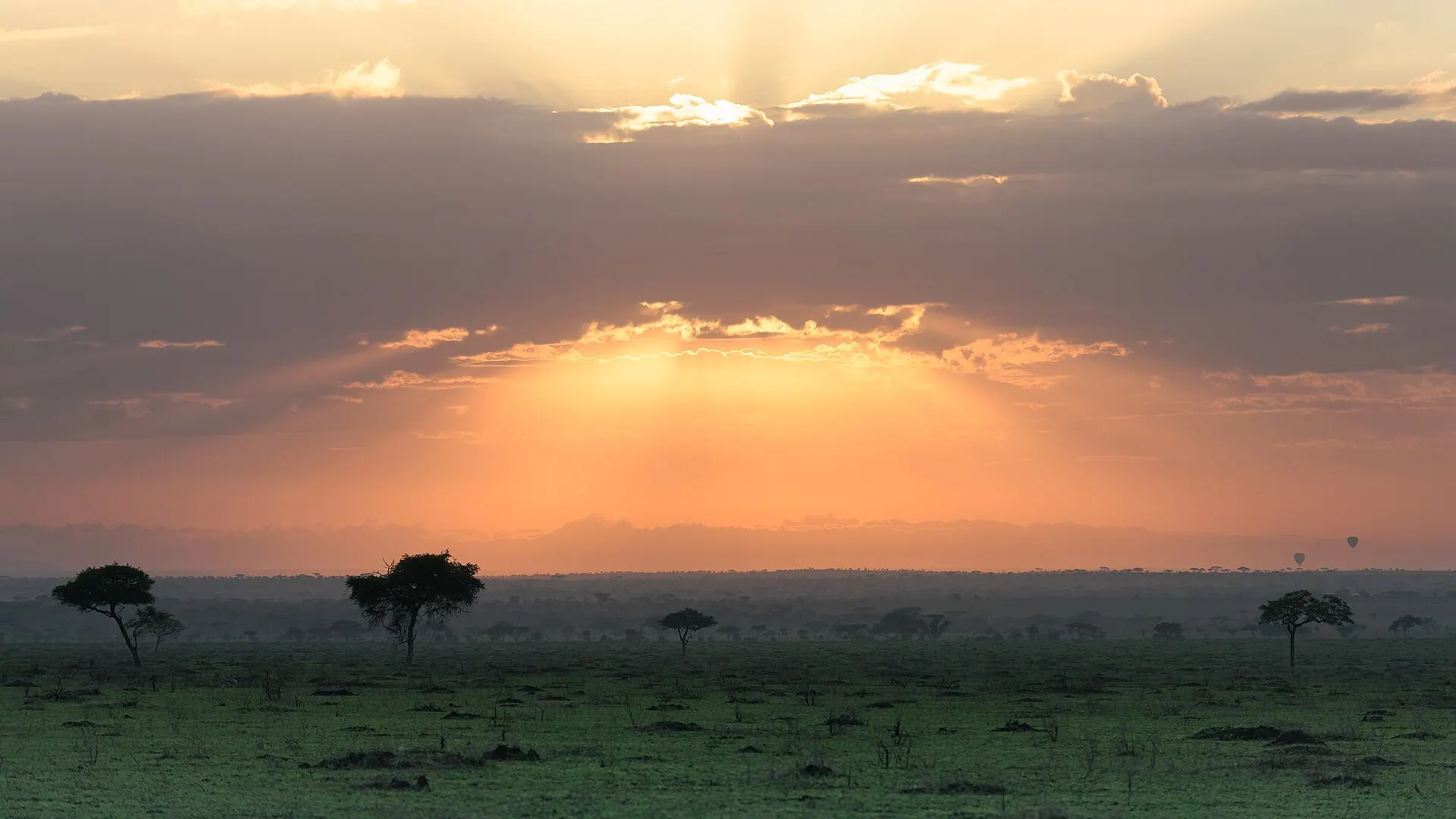
Tailor-Made Tanzania Journey
An example 12-day journey — safari, culture and beach — reshaped entirely around you
Arusha · Tarangire National Park · Serengeti National Park · Ngorongoro Conservation Area · Lake Manyara National Park · Zanzibar
More to see
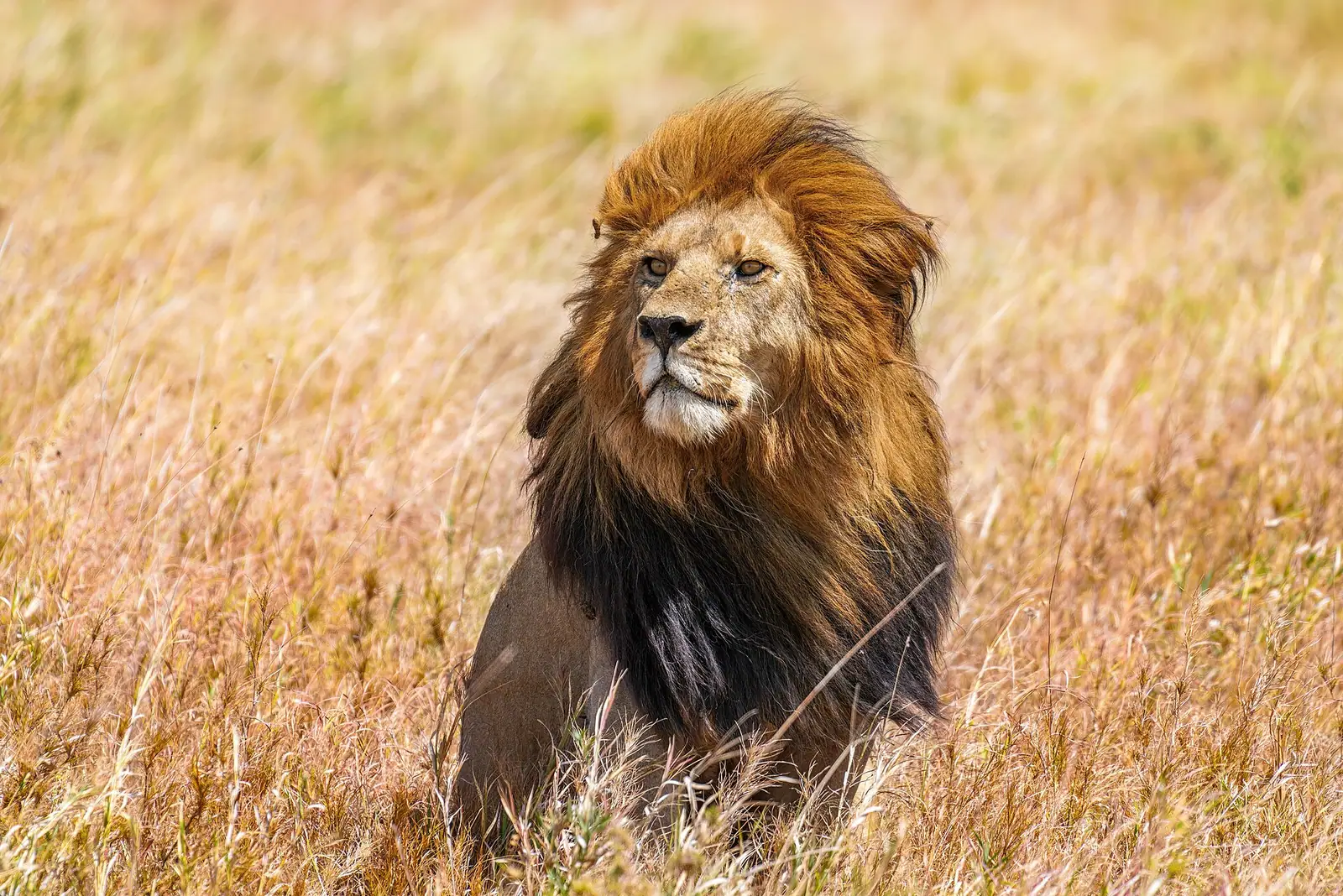 Wildlife
The Big Five
The Big Five are the African lion, leopard, elephant, Cape buffalo and rhinoceros. Tanzania is one of the few countries where all five can be seen, though they are not evenly spread and black rhino in particular are scarce. Seeing four of the five on a well-planned northern safari is realistic; seeing all five is possible but never guaranteed.
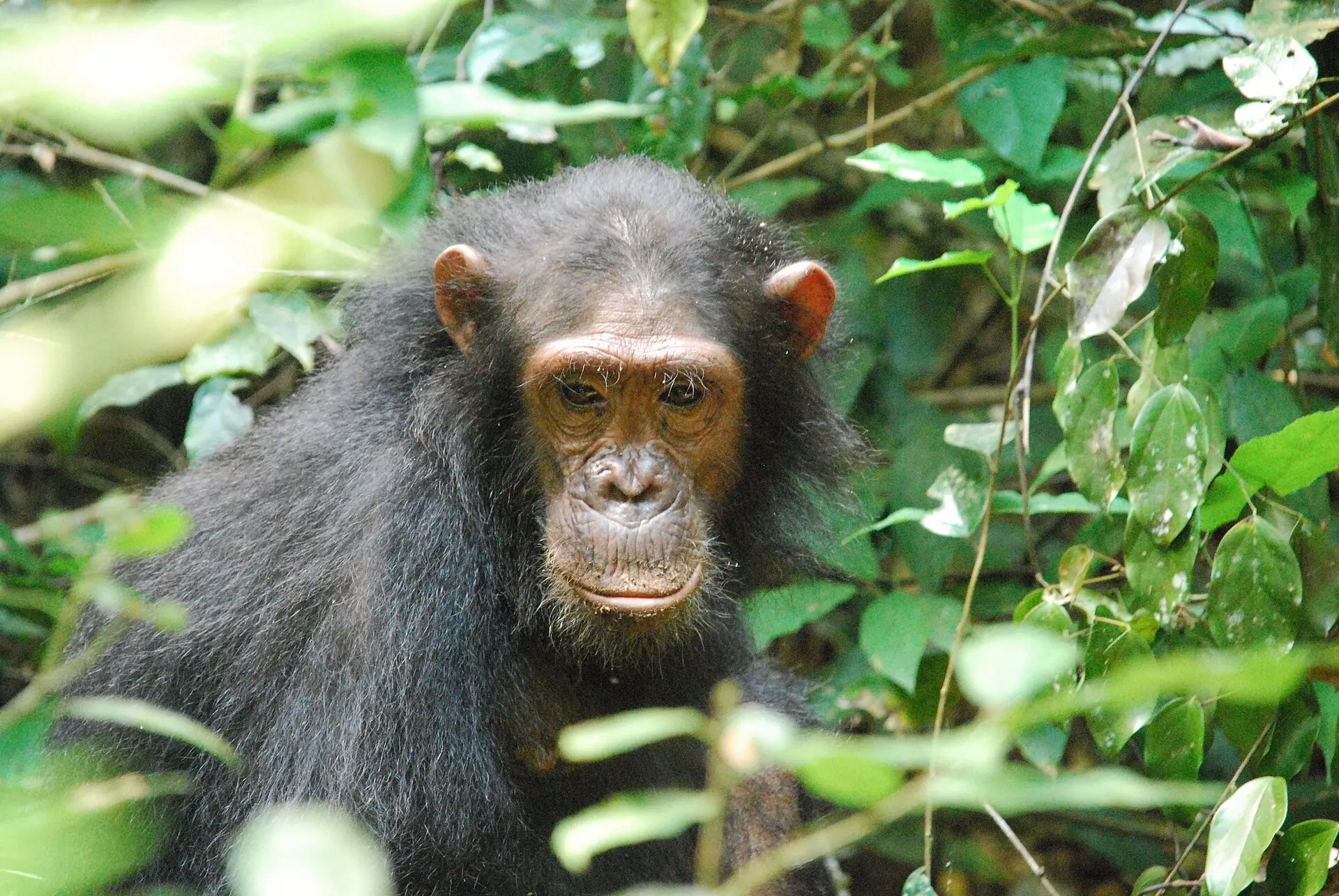 Wildlife
Chimpanzee Trekking
In the far west of Tanzania, on the steep forested slopes above Lake Tanganyika, communities of wild chimpanzees have been studied and habituated for decades. Trekking to find them is a demanding, humbling walk rather than a game drive, and time with the group is deliberately limited to protect their health.
 Wildlife
Flamingos & Soda Lakes
Northern Tanzania’s alkaline lakes look hostile — shallow, salty and often too caustic for fish — yet they support blooms of algae that feed flamingos in their thousands. Numbers move constantly between lakes with water levels and food, so a lake that was pink last month may be almost empty this one.