

Landscapes
The Ngorongoro Crater
A collapsed volcano, roughly 20 km across, with a whole ecosystem on its floor.
UNESCO World Heritage Site — Ngorongoro Conservation Area — UNESCO World Heritage Site, inscribed in 1979 for its natural values and extended in 2010 to recognise its cultural importance, making it a mixed natural and cultural site.
The first view usually comes without warning. The road climbs through cool highland forest, the trees open, and the whole caldera appears below — roughly 20 km across, with walls around 600 m high and a floor of approximately 260 km². On a clear morning you can pick out herds moving across the grass far below.
Down on the floor, a single day can bring lions, elephants, buffaloes, wildebeest, zebras, hippos, hyenas, jackals and flamingos on Lake Magadi, the shallow soda lake at the centre. It is also the best-known place in Tanzania to look for the critically endangered black rhino, although sightings are never guaranteed and are often distant.
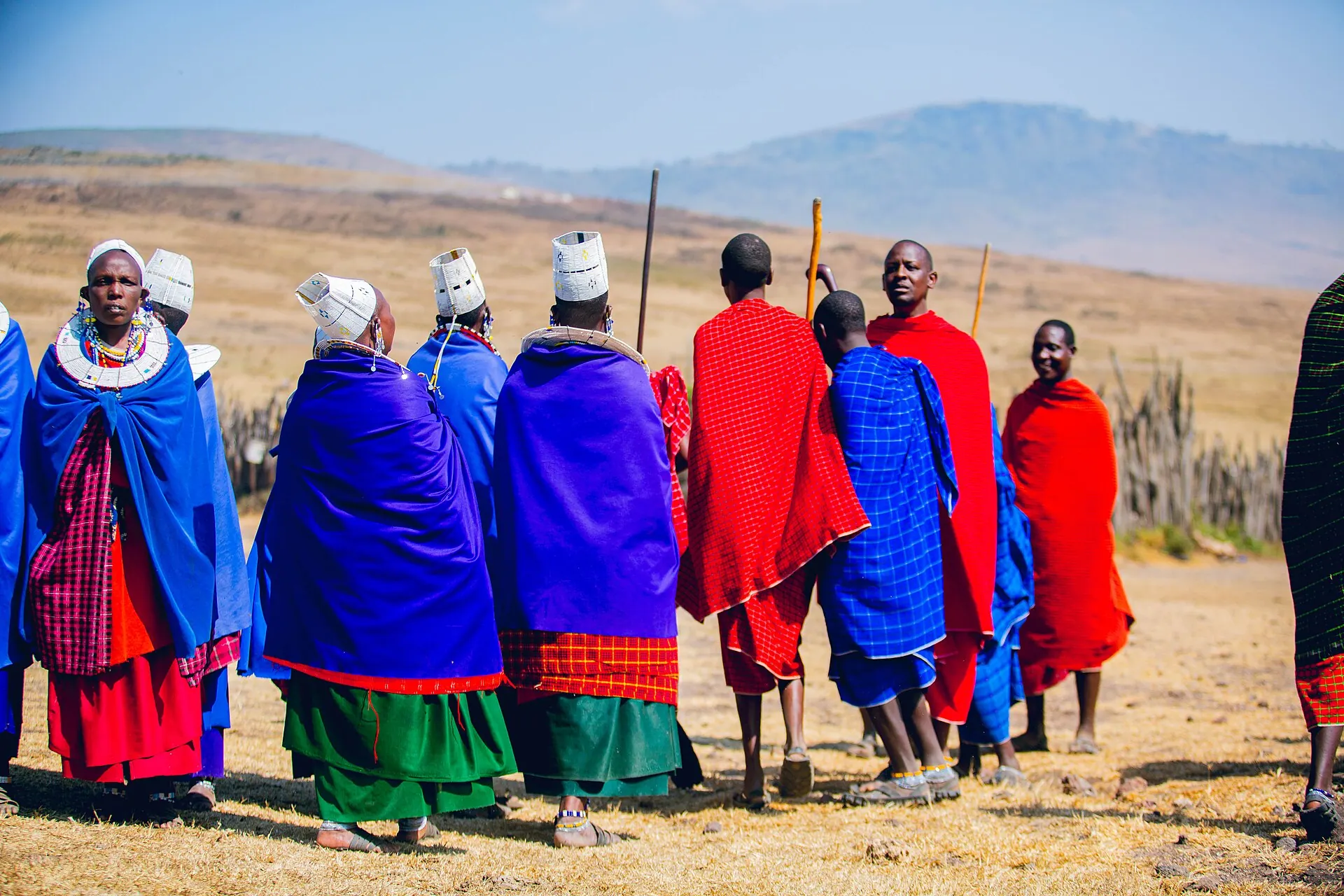
Ngorongoro is not a national park but a multiple-use conservation area, where Maasai families graze livestock alongside wildlife — an arrangement that is unusual, sometimes contested, and central to what the place is. Olduvai Gorge, the Laetoli footprint site and the highland craters of Empakaai and Olmoti all lie within the same protected area.
Highlights
- The descent onto the crater floor, one of Africa’s most striking wildlife settings
- A genuine chance of seeing black rhino, though sightings are scarce and never guaranteed
- Flamingos and water birds on Lake Magadi when water levels allow
- Sweeping views from the rim, best in the clear light of early morning
- Highland forest, the Empakaai and Olmoti craters and walking country for keen hikers
- Olduvai Gorge and its museum, on the route between the crater and the Serengeti
- Maasai communities living within the conservation area, visited respectfully and by arrangement
Where to see it
Best places for this
- Ngorongoro Conservation Area
Northern Circuit
The crater itself, along with the highland rim, Empakaai and Olmoti, and the conservation area’s Maasai communities.
 Olduvai Gorge
Northern Circuit
Inside the same conservation area and usually visited on the drive between the crater and the Serengeti.
 Lake Eyasi
Northern Circuit
A short drive from the Ngorongoro highlands and often added as a day or overnight extension.
 Serengeti National Park
Northern Circuit
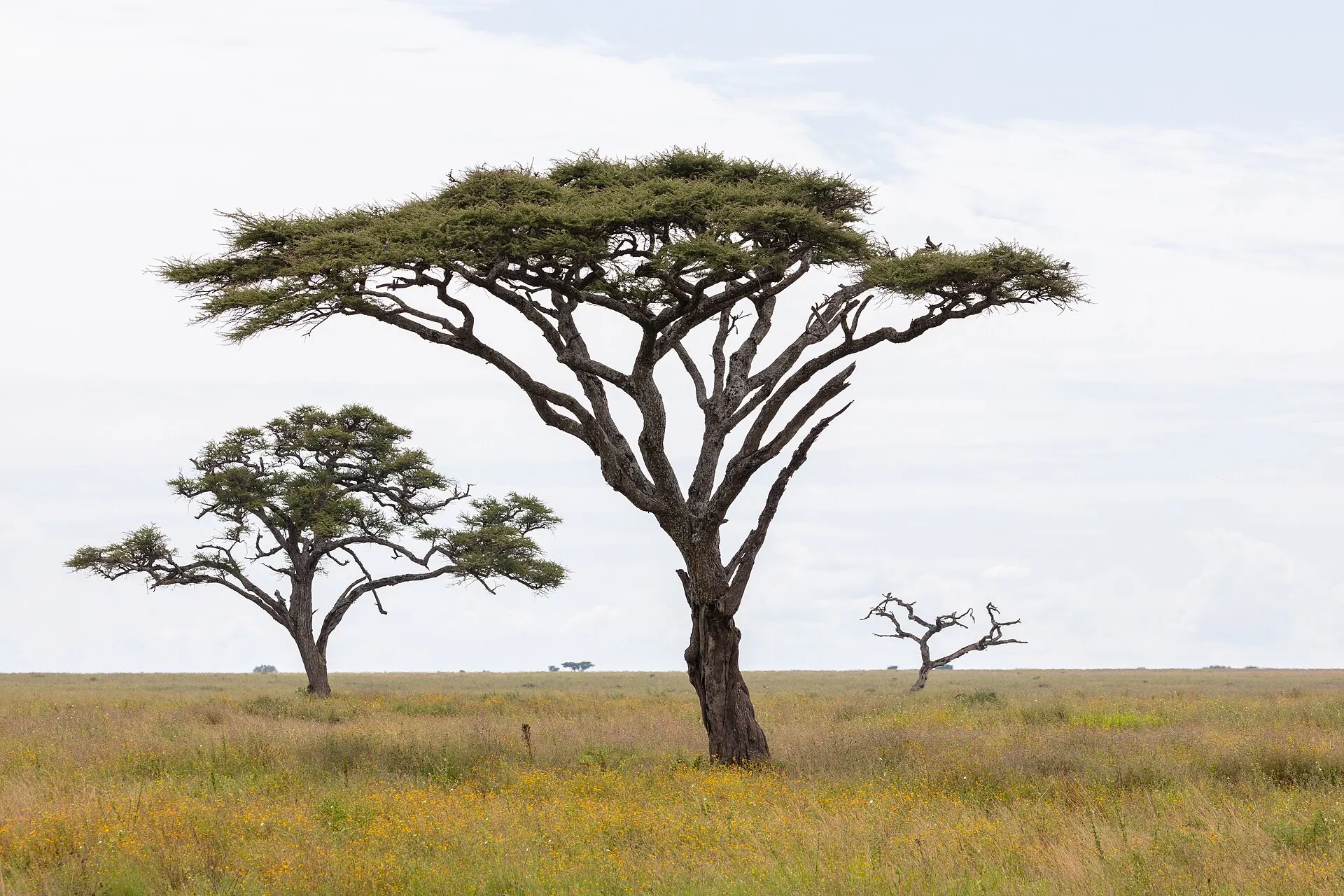
The crater sits on the main route to the Serengeti, so most northern itineraries link the two.
 Arusha
Northern Circuit
The usual starting point, typically around three to four hours by road via Lake Manyara and Karatu.

Journeys that include this
7 days · 6 nightsNorthern Tanzania Safari
Seven days through Tarangire, Lake Manyara, the Serengeti and the Ngorongoro Crater
Arusha · Tarangire National Park · Lake Manyara National Park · Serengeti National Park · Ngorongoro Conservation Area
 10 days · 9 nights
Tanzania Safari & Zanzibar Escape
The Northern Circuit’s great parks, followed by Stone Town and the white sands of Zanzibar
Arusha · Tarangire National Park · Serengeti National Park · Ngorongoro Conservation Area · Zanzibar
 12 days · 11 nights
Tailor-Made Tanzania Journey
An example 12-day journey — safari, culture and beach — reshaped entirely around you
Arusha · Tarangire National Park · Serengeti National Park · Ngorongoro Conservation Area · Lake Manyara National Park · Zanzibar
More to see
 Landscapes
The Great Rift Valley
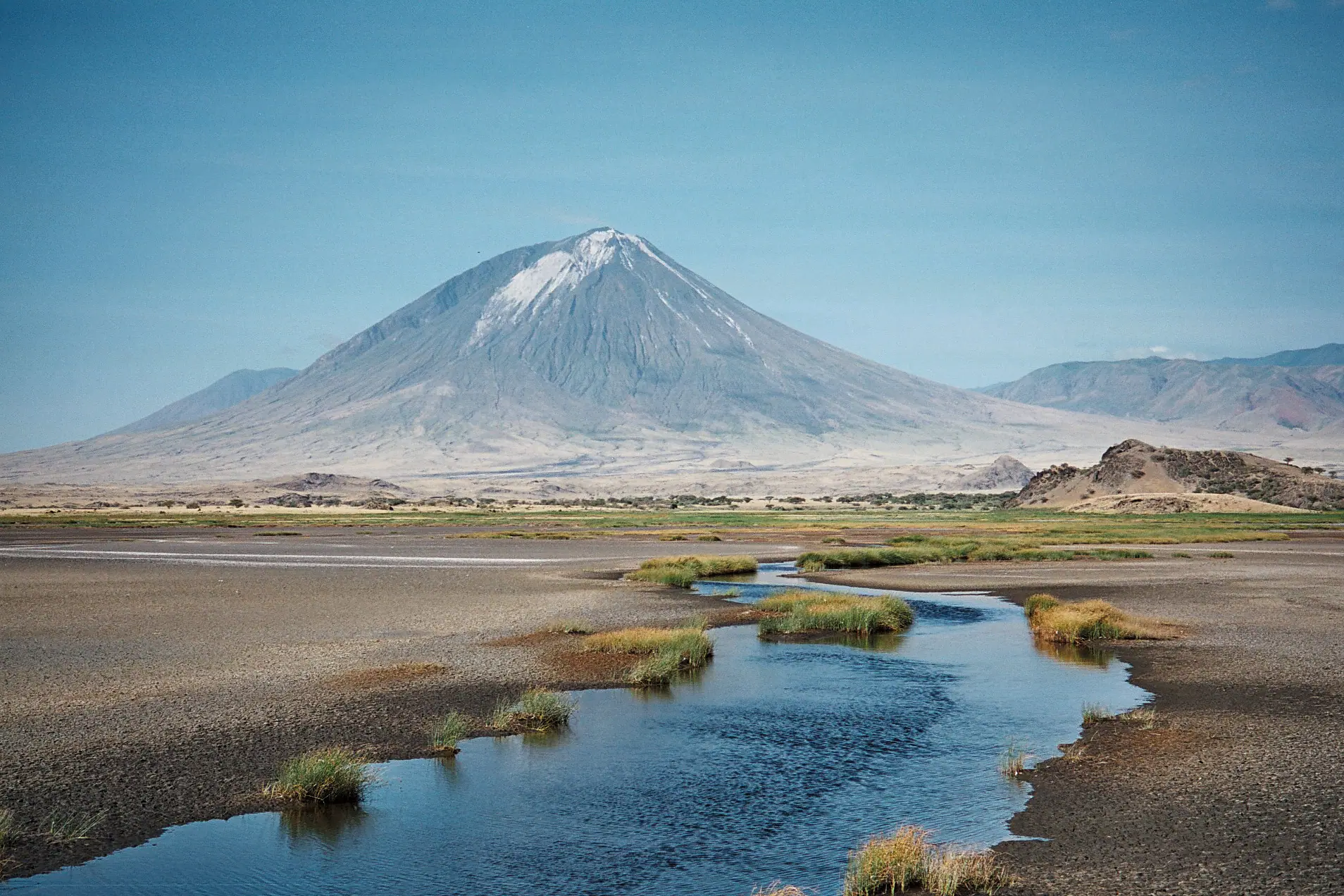
Tanzania sits astride the East African Rift, where the continent is gradually splitting along a system of faults. The Eastern branch gives northern Tanzania its towering escarpments, alkaline lakes and volcanoes, including the active Ol Doinyo Lengai; the Western branch holds Lake Tanganyika, one of the deepest lakes on earth.
 Landscapes
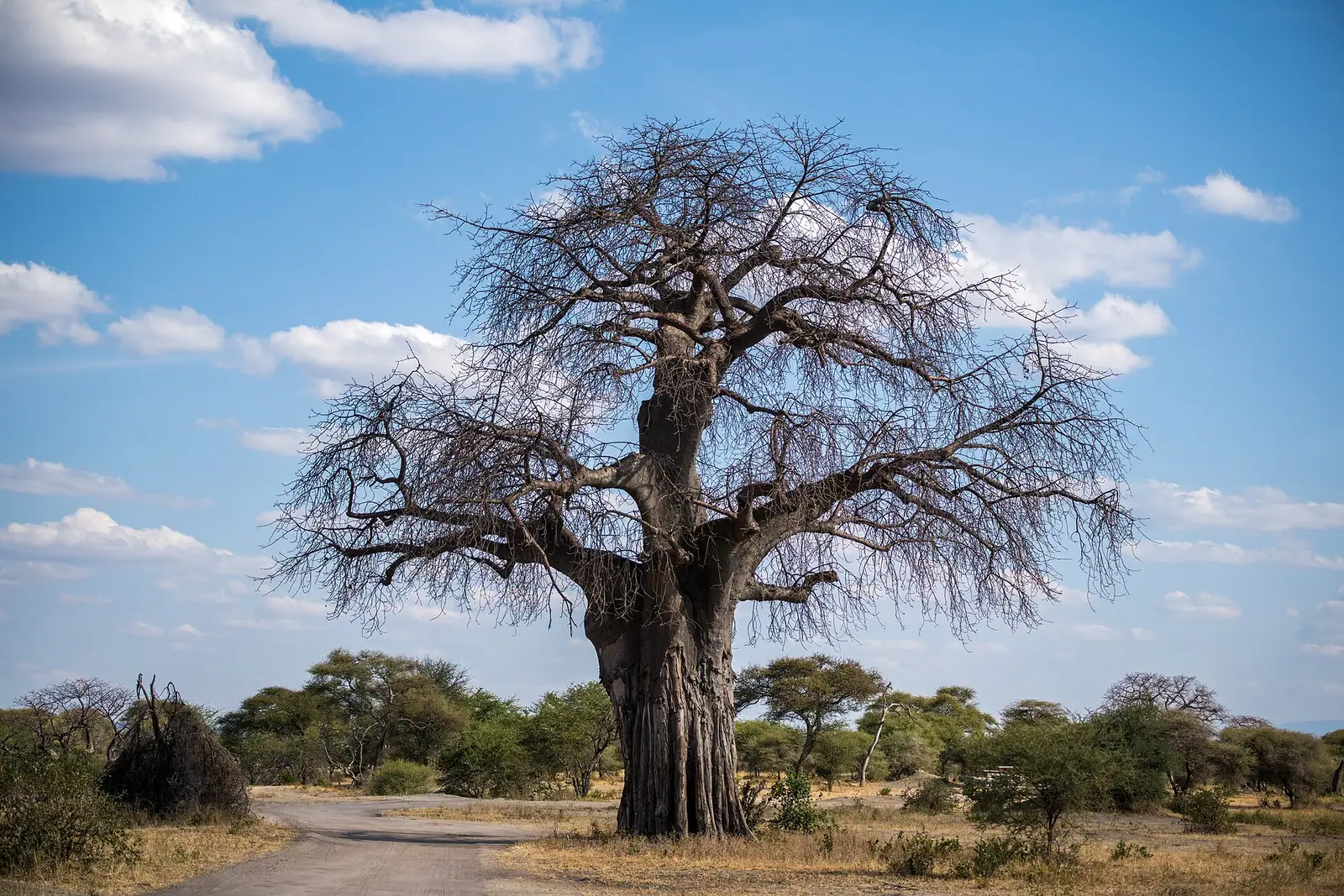
Baobabs & Landscapes
Tanzania’s landscapes are as memorable as its wildlife: baobab-studded valleys, granite kopjes rising from open plains, rift escarpments, montane forest and a long, palm-lined coast. For photographers especially, the country offers scenery that stands on its own without an animal in the frame.