

Wildlife
Birdwatching
More than 1,100 recorded species, from soda lake flocks to forest endemics.
On a general safari, birds come free with everything else: lilac-breasted rollers on every other bush, superb starlings around the lunch stop, ostriches and secretarybirds on the plains, kori bustards, ground hornbills, vultures at a kill, fish eagles calling over the water. Many travellers who arrive indifferent to birds leave with a list.
For dedicated birders the draw is the Eastern Arc Mountains — the Usambaras, the Udzungwas and their neighbours — a chain of ancient forest-covered blocks isolated for a very long time, with a high level of endemism. The Udzungwa forest partridge, described by science only in the early 1990s, is the best-known example of what these forests still hold, and the Usambaras have endemics of their own. Birding here is slow forest work: early starts, patience and a good local guide.
Season matters as much as place. Palearctic and intra-African migrants arrive from around November to April, swelling numbers considerably, and the rains bring breeding plumage and display. The soda lakes of the Rift can hold vast flocks of flamingos and waders; the Rufiji and the coastal wetlands add waterbirds; and Tanzania’s few remaining patches of coastal forest hold their own specialities.
Highlights
- More than 1,100 bird species recorded in Tanzania, in a wide range of habitats
- Eastern Arc forest endemics in the Udzungwa and Usambara Mountains
- Flamingos, pelicans and waders on the Rift Valley soda lakes
- Classic savannah birds: lilac-breasted roller, secretarybird, kori bustard, ground hornbill and many raptors
- Waterbirds along the Rufiji in Nyerere, superb from a boat
- Migrants from roughly November to April, when numbers and variety peak
- Good birding on almost any itinerary, with a specialist guide available for dedicated trips
Where to see it
Best places for this
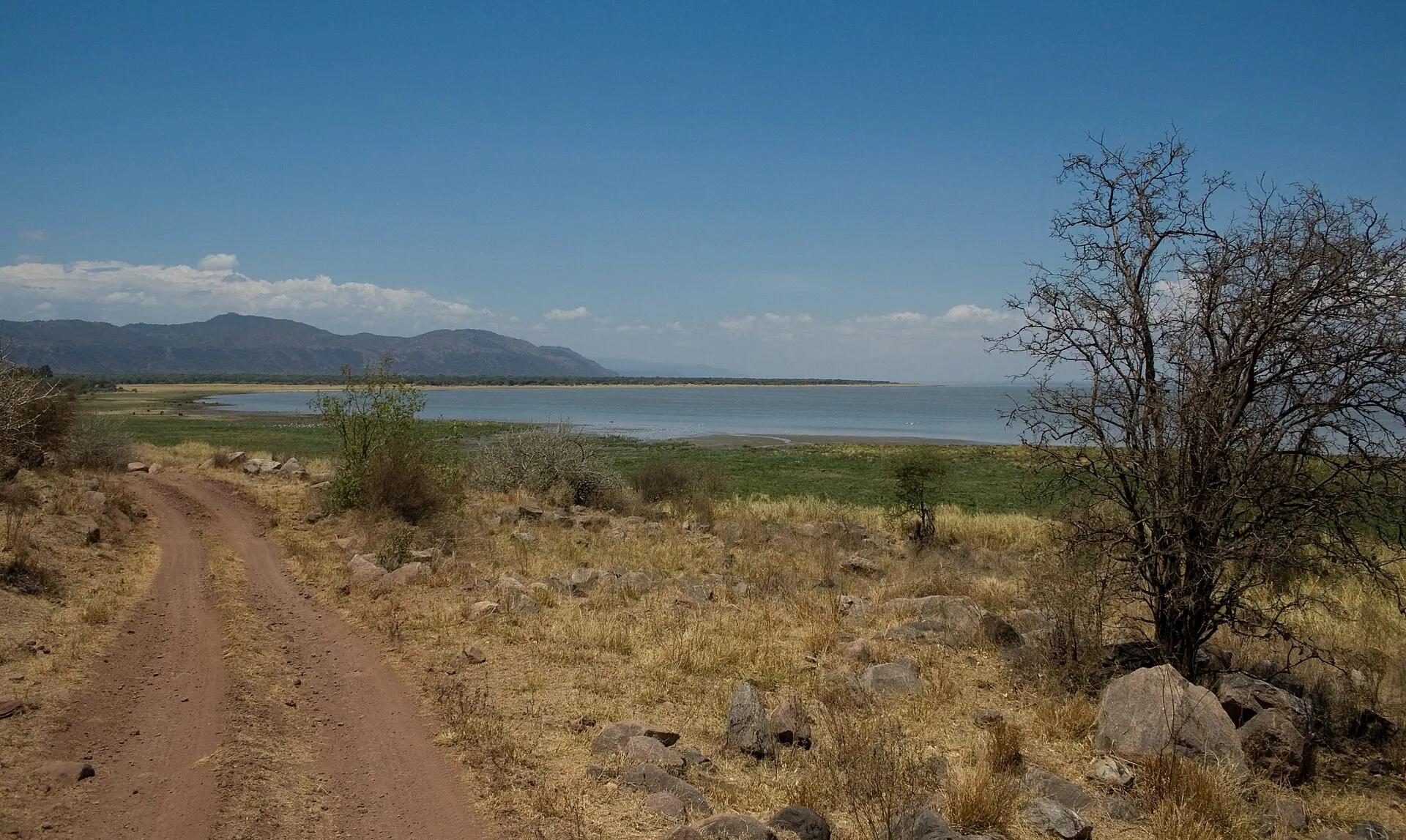 Lake Manyara National Park
Northern Circuit
Compact and varied: groundwater forest, floodplain and lake shore in one park, with flamingos and pelicans when levels allow.
 Tarangire National Park
Northern Circuit
Several hundred species recorded, with dry-country specialities in the acacia and baobab woodland.
 Udzungwa Mountains National Park
Southern Circuit
Eastern Arc forest with endemic species, explored on foot; the best of it needs early starts and a specialist guide.
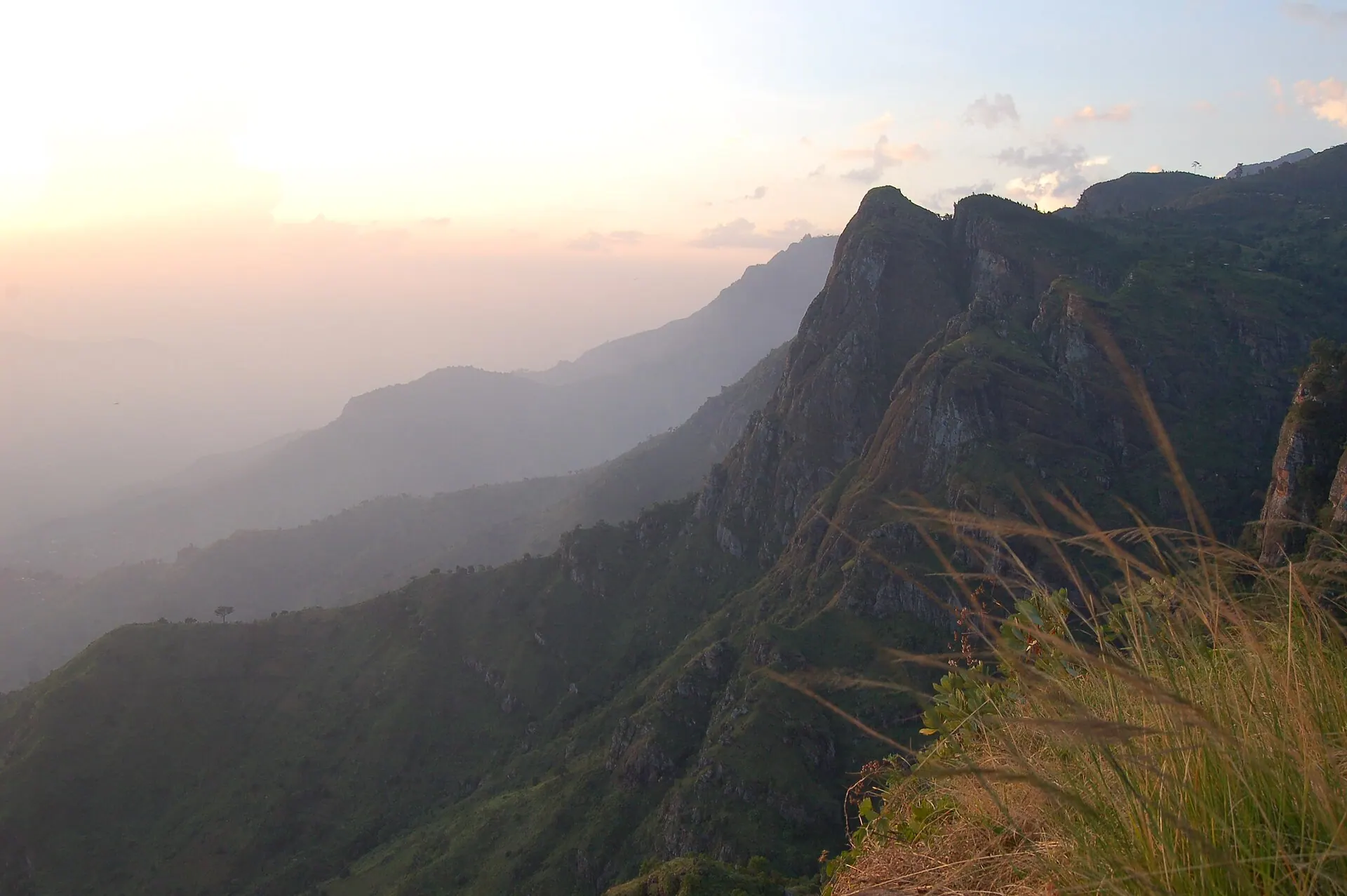 Usambara Mountains
Central & Highlands
Ancient forest blocks with their own endemics, easy walking and a cool climate — a rewarding few days for keen birders.
 Nyerere National Park
Southern Circuit
Superb waterbirds along the Rufiji channels and lakes, best seen from a boat in the late afternoon.
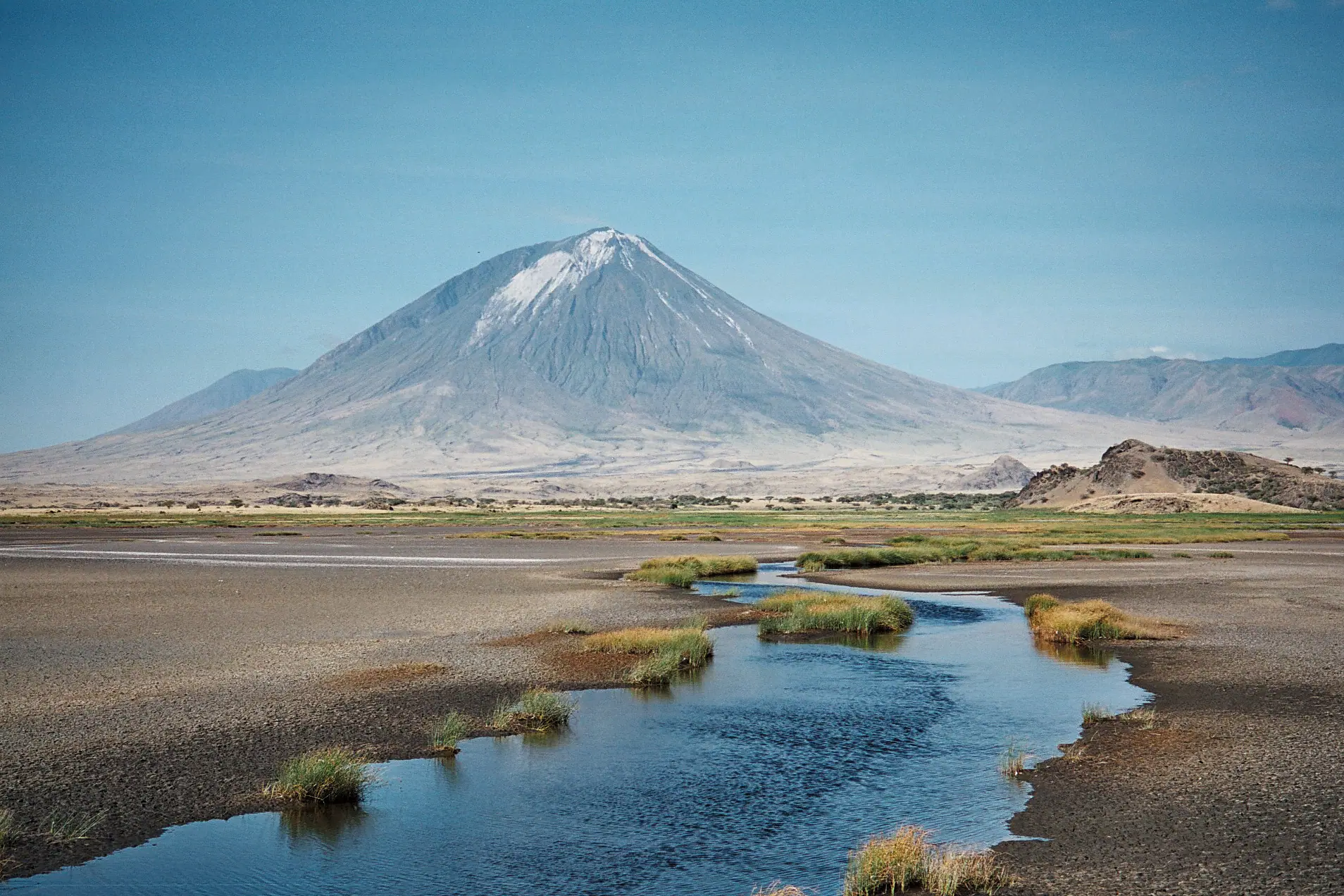 Lake Natron
Northern Circuit
The key breeding site for lesser flamingos in East Africa, with other waders and Rift specialities nearby.
Journeys that include this
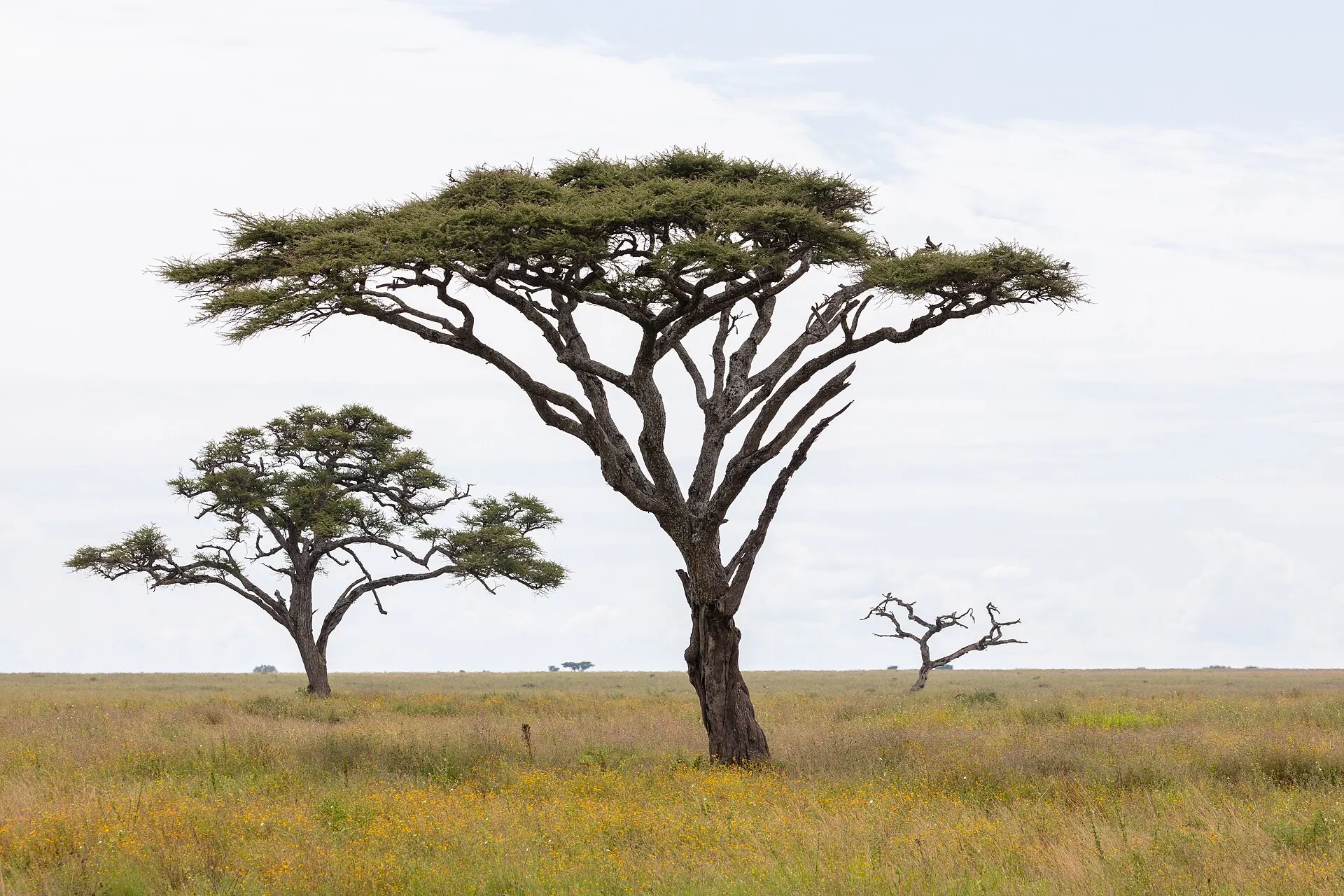 7 days · 6 nights
Northern Tanzania Safari
Seven days through Tarangire, Lake Manyara, the Serengeti and the Ngorongoro Crater
Arusha · Tarangire National Park · Lake Manyara National Park · Serengeti National Park · Ngorongoro Conservation Area
 10 days · 9 nights
Tanzania Safari & Zanzibar Escape
The Northern Circuit’s great parks, followed by Stone Town and the white sands of Zanzibar
Arusha · Tarangire National Park · Serengeti National Park · Ngorongoro Conservation Area · Zanzibar
8 days · 7 nightsSouthern Tanzania Wilderness
Boat, walking and game-drive safaris in Nyerere and Ruaha, far from the crowds
Nyerere National Park · Ruaha National Park
More to see
 Wildlife
The Great Migration
The Great Migration is the year-round movement of well over a million wildebeest, together with hundreds of thousands of zebras and gazelles, through the Serengeti ecosystem in search of grazing and water. It is not a single event on a fixed date but a continuous cycle, and its timing shifts with the rains every year.
Month-by-month guide
 Wildlife
The Big Five
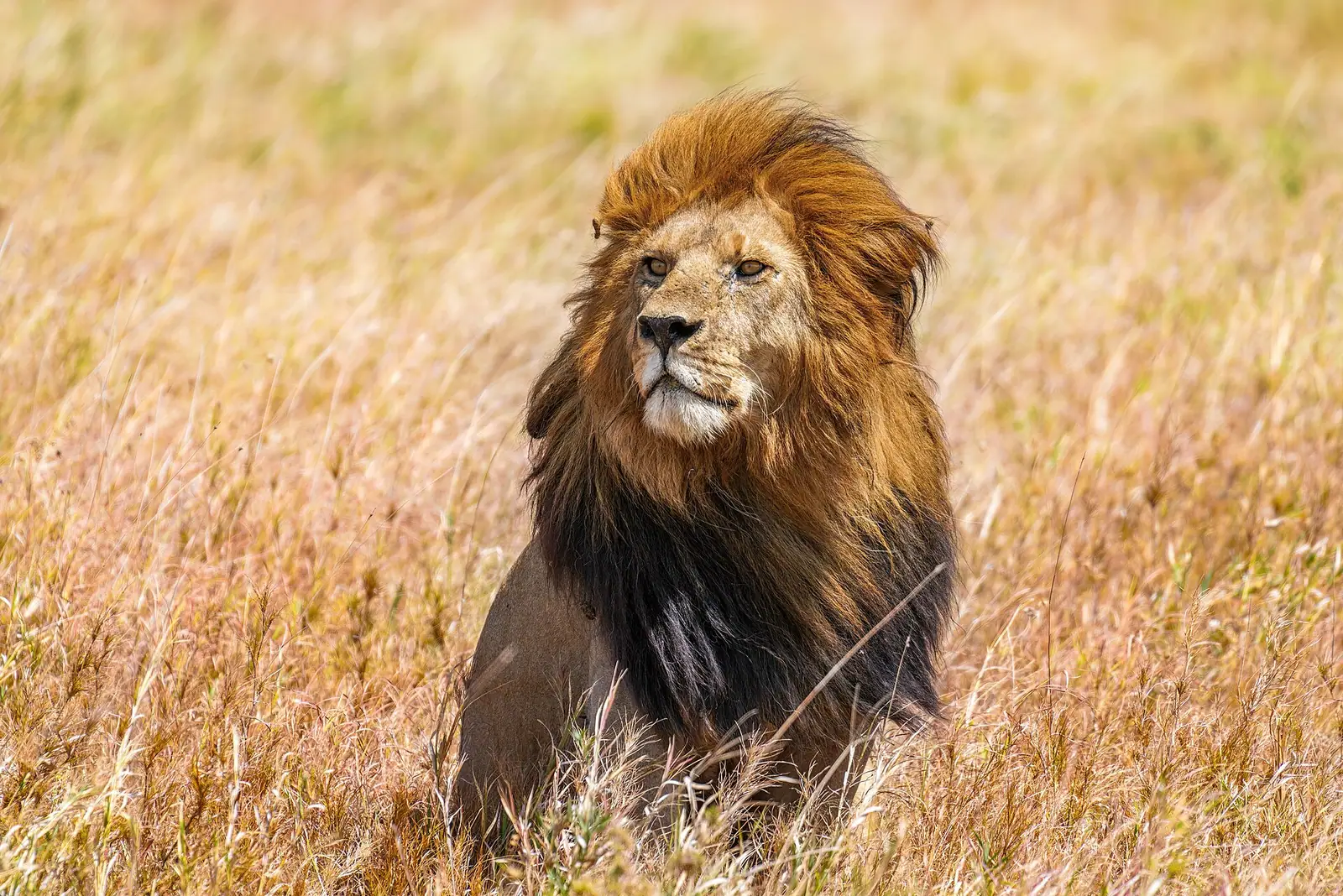
The Big Five are the African lion, leopard, elephant, Cape buffalo and rhinoceros. Tanzania is one of the few countries where all five can be seen, though they are not evenly spread and black rhino in particular are scarce. Seeing four of the five on a well-planned northern safari is realistic; seeing all five is possible but never guaranteed.
 Wildlife
Chimpanzee Trekking
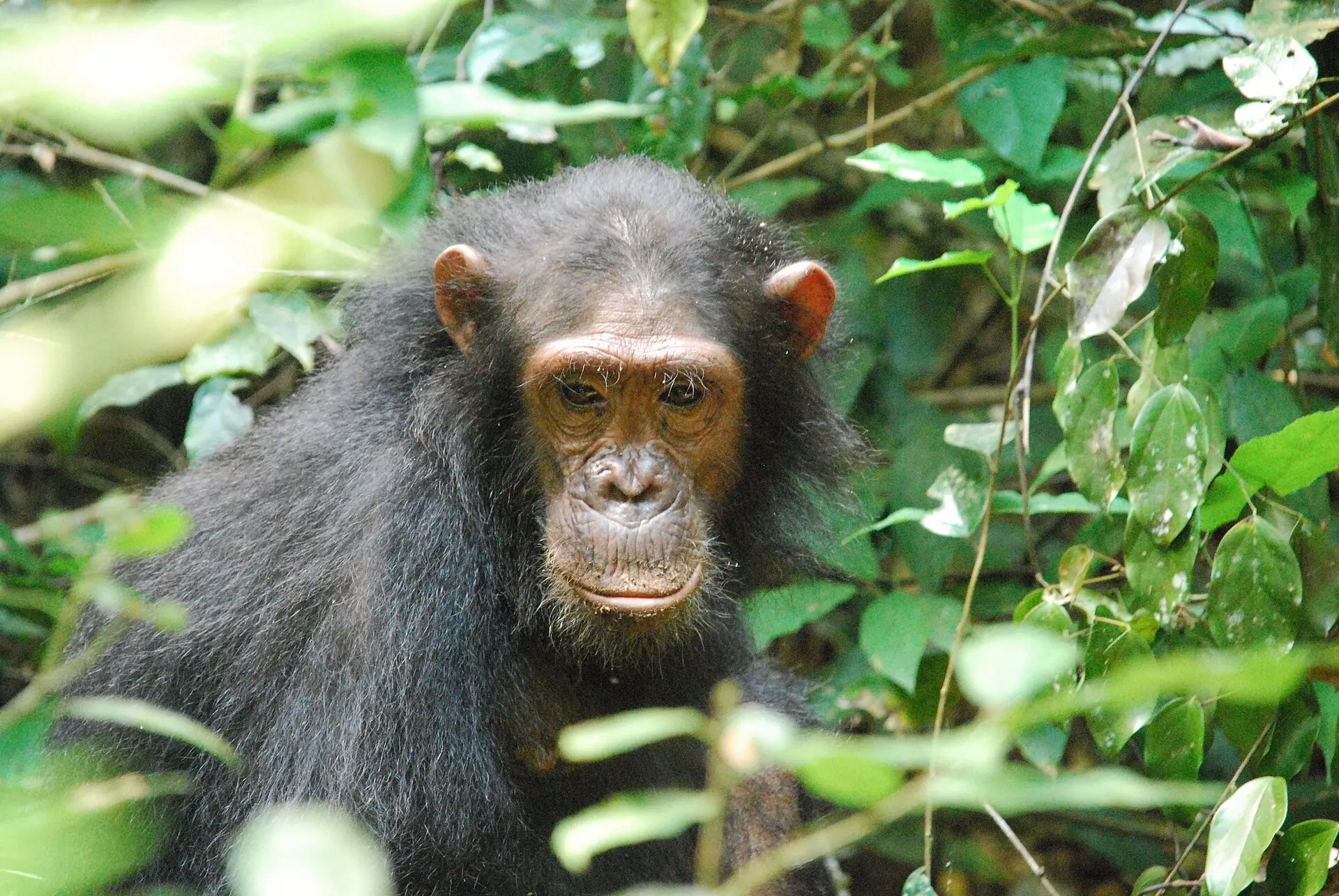
In the far west of Tanzania, on the steep forested slopes above Lake Tanganyika, communities of wild chimpanzees have been studied and habituated for decades. Trekking to find them is a demanding, humbling walk rather than a game drive, and time with the group is deliberately limited to protect their health.